Safari Overview
There are wildlife spectacles, and then there’s the Great Migration. Over two million wildebeest, zebras, and gazelles move in an ancient rhythm across the Serengeti ecosystem, pursued by every predator imaginable. This 8 Days Wildebeest Migration Tanzania positions you exactly where the drama unfolds, specifically timed and routed to maximize your chances of witnessing the legendary river crossings that define nature’s most spectacular event.
This isn’t a standard northern circuit tour that happens to occur during Migration season. Every element has been designed around the Migration itself—from timing your visit to the northern Serengeti during crossing season, to spending three full days in prime viewing areas, to using mobile camps that follow the herds. You’ll experience the Ngorongoro Crater and central Serengeti too, but the heart of this journey is those breathless moments at the Mara River when thousands of wildebeest gather courage to plunge into crocodile-infested waters.
Why This Wildebeest Migration Safari Delivers
The Great Migration follows a roughly circular route through Tanzania and Kenya, driven by ancient instincts and rainfall patterns. Between July and October, the herds concentrate in northern Serengeti, attempting to cross the Mara River into Kenya’s Maasai Mara. The river crossings are what wildlife documentaries are made of—chaos, courage, predation, survival—all happening in minutes of explosive action.
This 8-Day Wildebeest Migration in Tanzania times everything perfectly. You build up to the main event, starting with Ngorongoro’s concentrated wildlife, progressing through central Serengeti to understand the ecosystem, then dedicating three full days to the northern Serengeti, where crossings happen. Three days matter because river crossings are unpredictable. Herds might gather for days before crossing, then suddenly decide. Having multiple days dramatically increases your chances of witnessing this bucket-list moment.
Day 1: Journey to Ngorongoro
Depart Arusha and wind through Tanzania’s highlands toward Ngorongoro Conservation Area. The drive itself is scenic—coffee plantations giving way to montane forests, Maasai herding cattle along roadways. Arrive at your lodge positioned on the crater rim with views that stop conversation mid-sentence. Looking down 2,000 feet into this ancient caldera, you can actually see wildlife moving across the crater floor. Tonight, rest well—tomorrow you descend into Africa’s Garden of Eden.
Day 2: Explore Africa's Garden of Eden, the Ngorongoro Crater
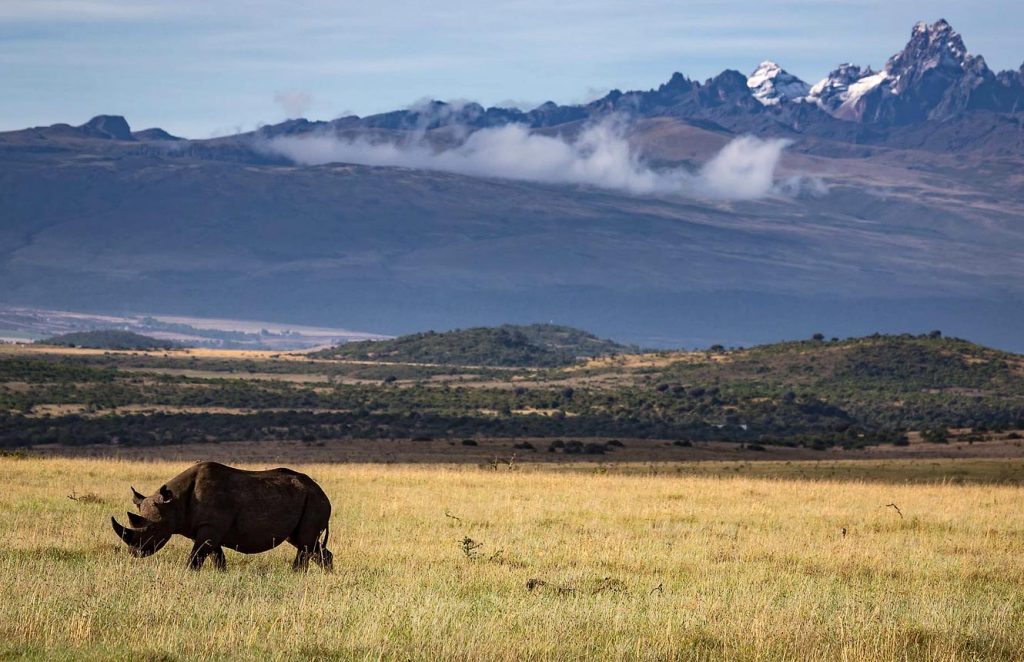
Before dawn, you’re descending the crater walls on a road that switchbacks dramatically into this UNESCO World Heritage Site. The crater floor supports over 25,000 large animals in an impossibly small space, creating game viewing unlike anywhere else. Black rhinos graze peacefully, your best chance to see these critically endangered giants. Lions patrol in such density that Ngorongoro rivals anywhere in Africa for big cat sightings.
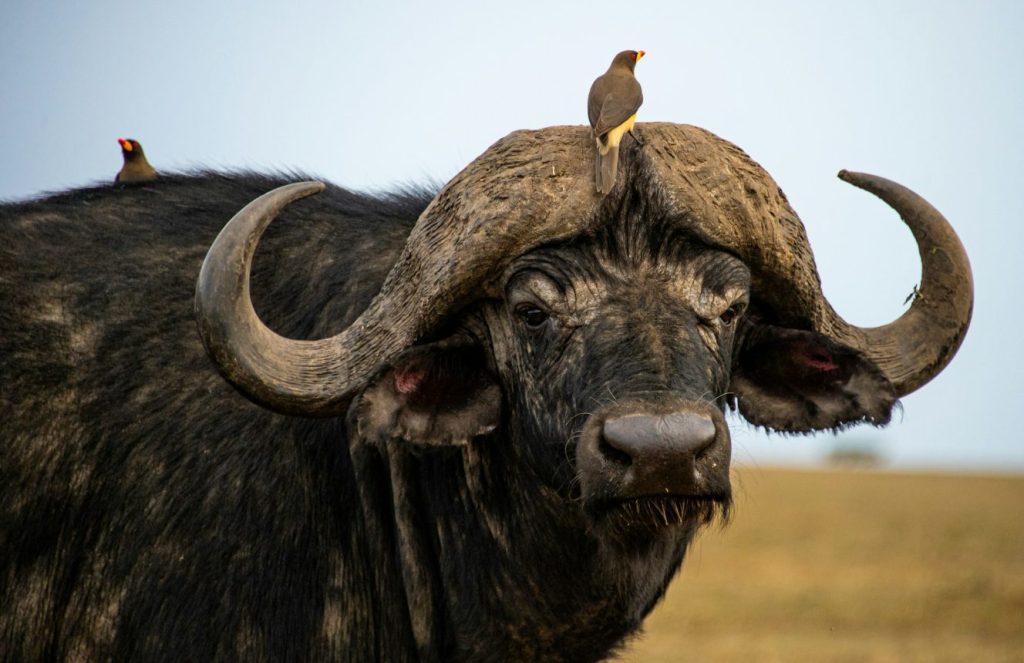
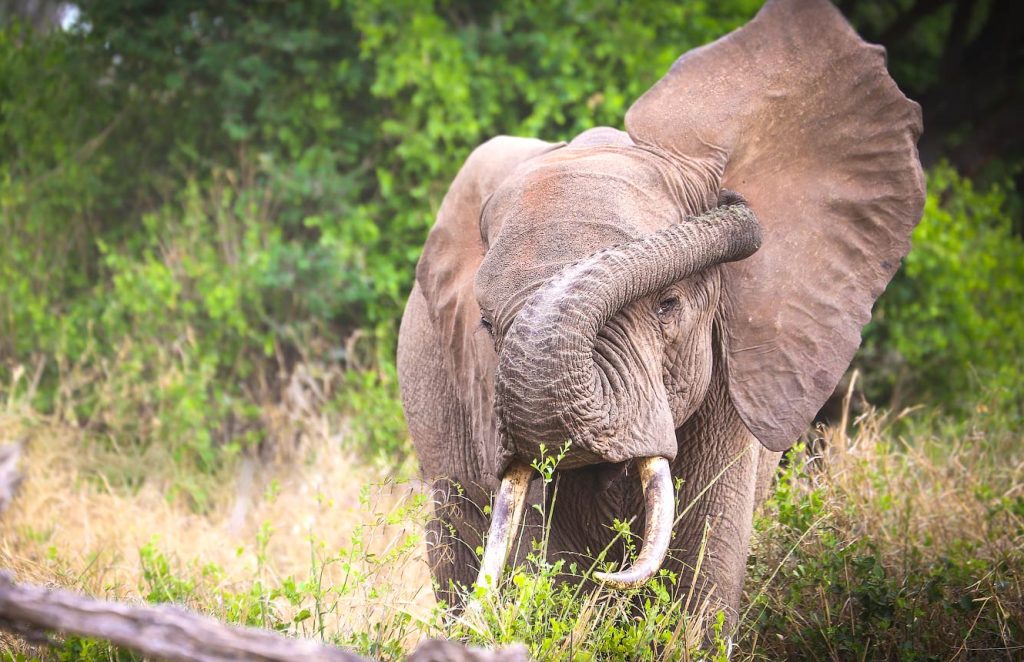
Spend the full day exploring this natural amphitheater. Flamingos paint Lake Magadi pink. Elephants here are massive bulls with impressive tusks. Hippos pack pools so tightly they look like cobblestones. The wildlife concentration means every moment delivers—hyena clans, golden jackals, buffaloes, zebras, wildebeest, gazelles, all visible against the crater walls rising on every side. Late afternoon, ascend back to the rim with sunset painting the caldera in impossible colors.
Day 3: Central Serengeti Bound
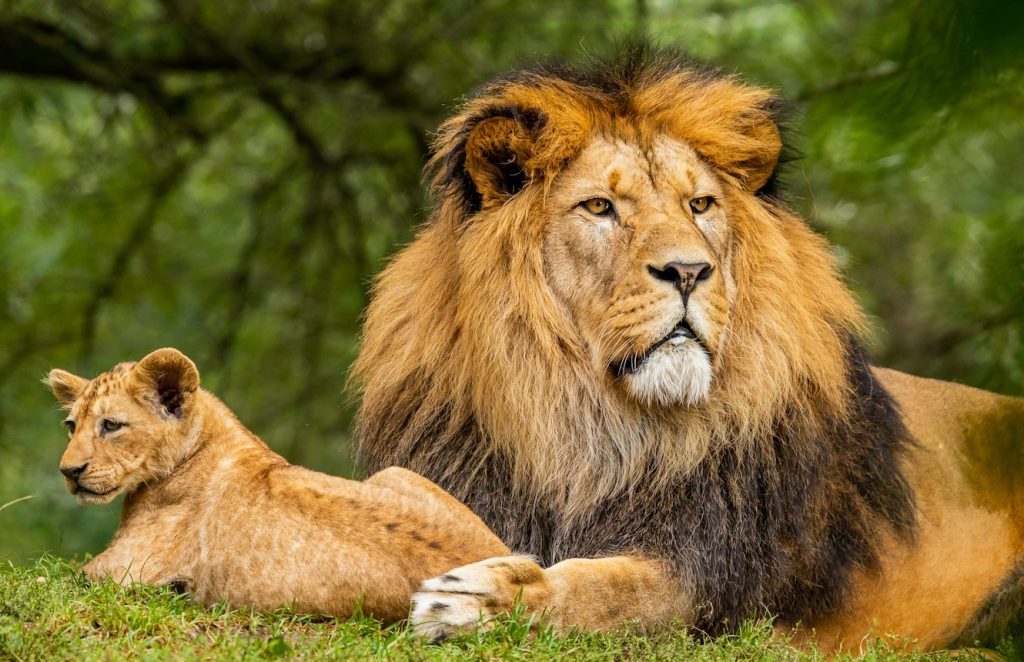
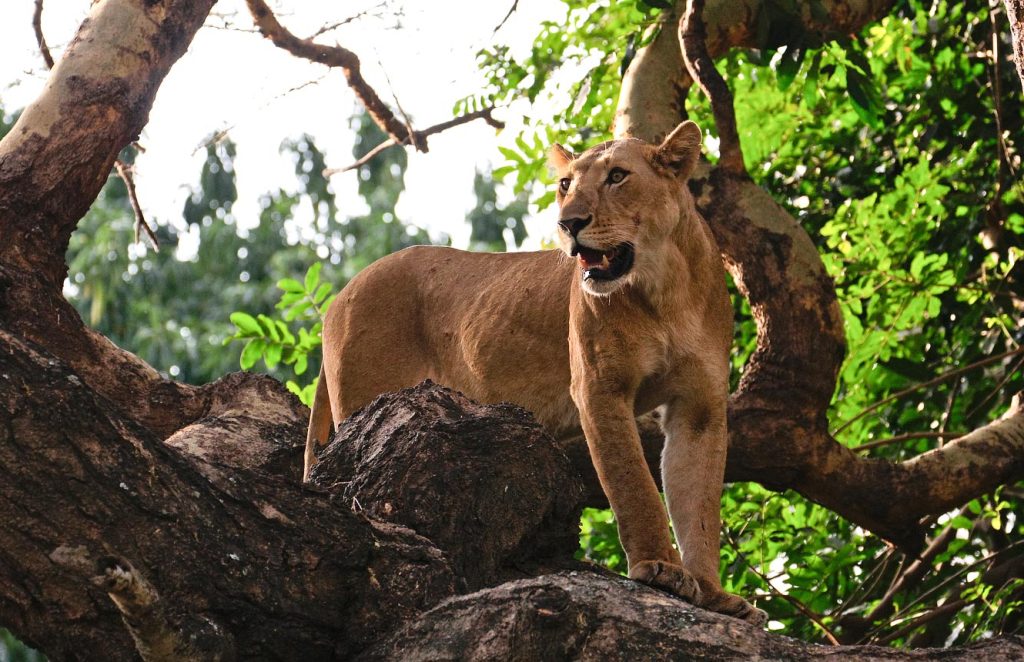
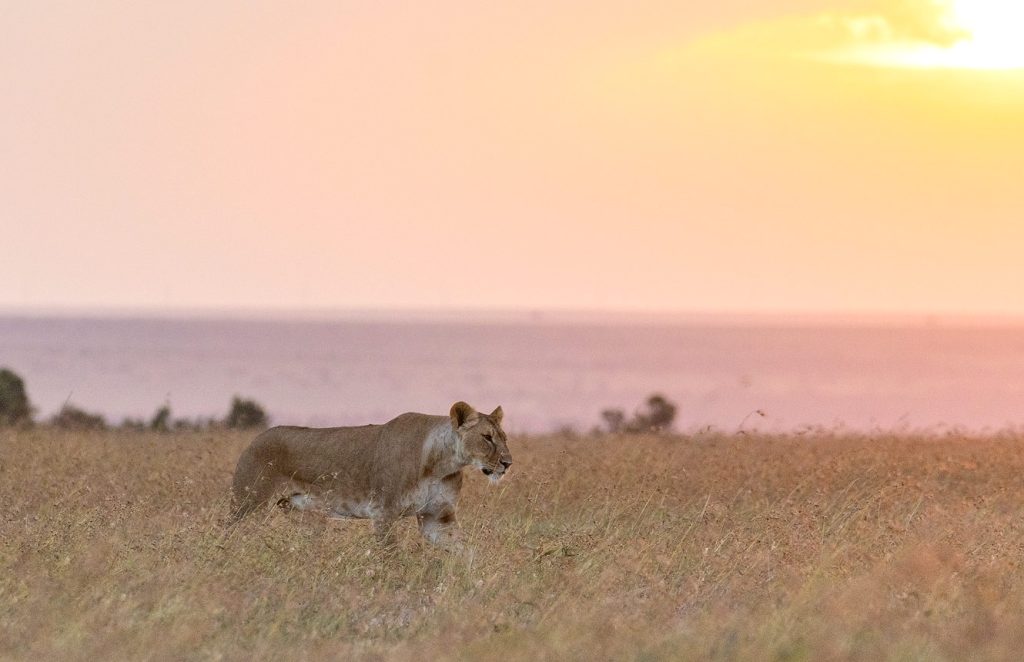
Leave the highlands and descend into the Serengeti plains. The landscape opens up impossibly as you enter Seronera, the park’s central region. This area serves as the Serengeti’s heart—permanent water sources support resident wildlife populations year-round, including the highest concentration of big cats in Africa. Afternoon game drive introduces you to why the Serengeti is legendary—lions lounging under acacia trees, leopards in the Seronera Valley, cheetahs scanning from termite mounds.
Day 4: Exploring the heart of the wildebeest migration
A full day in Seronera means experiencing the Serengeti’s incredible biodiversity. Dawn game drives often produce leopard sightings—this area has habituated leopards that hunt diurnally. The kopjes (rocky outcrops) scattered across plains serve as lion strongholds where prides rest between hunts. Cheetahs favor the open grasslands for their high-speed pursuits.
The birdlife is extraordinary—over 500 species including endemic varieties. Elephants march past in herds numbering dozens. Hippo pools along the Seronera River overflow with grunting, yawning giants. Every game drive tells different stories, reveals different dramas. Today you’re building understanding of the Serengeti ecosystem before heading north where the Migration awaits.
Day 5: Discover the famous thrills of the Great Migration
Today’s drive takes you deeper into the Serengeti, heading north toward the Mara River. The landscape shifts subtly—fewer tourists, more wildness, a sense of remoteness increasing with every mile. This is where the Migration concentrates between July and October, and as you approach, you begin seeing them—first dozens of wildebeest, then hundreds, then suddenly thousands stretching across the plains like a living carpet.
Arrive at your camp positioned strategically near the Mara River. The air feels charged with anticipation. After settling in, head out for late afternoon game drive where you’ll locate the herds, see where they’re concentrating, perhaps even find them gathering nervously at the river’s edge. Tonight’s briefing prepares you for the days ahead—your guides know the crossing points, understand the patterns, will position you for the best possible experience.
Days 6 & 7: Migration Magic and the Africa Big Five in Serengeti
Two full days dedicated entirely to the Migration—the reason you came, the experience you’ll remember forever. Each morning begins before dawn. Your guides have been communicating with other camps, tracking the herds’ movements, identifying where crossings seem likely. You position yourselves at prime viewing spots along the Mara River.
Then you wait. And watch. And witness something that predates human history. Thousands of wildebeest gather on the riverbank, their instincts telling them they must cross but fear holding them back. The tension builds. Crocodiles lurk in the water—some over fifteen feet long, prehistoric and patient. Finally, one brave wildebeest makes the decision. It leaps, and suddenly thousands follow in a thundering cascade of hooves and dust and desperation.
The crossings are chaotic, primal, heartbreaking, and triumphant all at once. Some wildebeest make it across safely. Others don’t—crocodiles strike, currents overwhelm, the circle of life plays out in minutes of explosive action. It’s raw, unscripted nature. No two crossings unfold identically. Sometimes they happen multiple times daily. Other times the herds gather but don’t cross. This is why multiple days matter—patience gets rewarded.
Between potential crossing times, you explore the northern Serengeti’s other treasures. Lion prides patrol the area, feeding opportunistically on weak or injured wildebeest. Leopards hunt from riverine forests. Elephants browse acacia woodlands. The landscape here differs from central Serengeti—more wooded, more hills, distinctly beautiful. But always, you’re aware of the Migration, this ancient force that dominates everything.
Day 8: Farewell to Africa
One final morning with the herds, squeezing last moments before your flight. Then to the airstrip where a small aircraft waits. As you lift off, the northern Serengeti spreads below—the Mara River snaking through, wildebeest herds dotting the plains, the vast ecosystem that hosts this annual drama. The flight to Arusha takes about two hours, time enough to process what you’ve witnessed, to start understanding that you’ve seen something most people only dream about.
SAFARI INCLUDES
- All conservancy fees and exclusive park access
- Expert safari guide: naturalist, tracker, and storyteller combined
- Premium 4×4 safari Land Cruiser with expansive pop-up roof and guaranteed window seat
- Extended game drives capturing prime wildlife hours
- 5 nights in hand-selected luxury lodges and tented camps
- All gourmet meals showcase local and international cuisine
- Bush breakfasts and sundowner experiences
- Traditional Maasai village cultural encounter
SAFARI EXCLUDES
International flights
Tips
Drinks and beverages
Things of a personal nature