Choosing the best month to visit Kenya and Tanzania depends on your unique interests, not a one-size-fits-all answer.
If you’re eager to see the dramatic Mara River crossings, your ideal timing will differ from that of a climber tackling Kilimanjaro. Even those planning a relaxing escape in Zanzibar will have their own preferences. This guide is designed to help you pinpoint the best month tailored to your specific desires, ensuring your adventure is unforgettable. Don’t settle for a generic answer; discover what truly matters to you!
The Two Basic Seasons: Dry and Green Season
The year can be divided into two main seasons: a long dry season from June to October and a shorter dry period from early January to early March. In between these dry spells, there are two rainy periods: the long rains from March to May and the short rains in November.
During the dry season, expect clear skies, easier access to roads, and wildlife concentrated around permanent water sources, ideal conditions for safaris where most iconic photos are taken. In contrast, the green season, particularly in April and May, offers lush landscapes, opportunities to see newborn animals, and significantly fewer vehicles at sightings. Rates are also generally lower during this time, although visitors may experience some rain in the afternoons, and a few camps may close for the wettest weeks.
If You’re Chasing the Great Migration
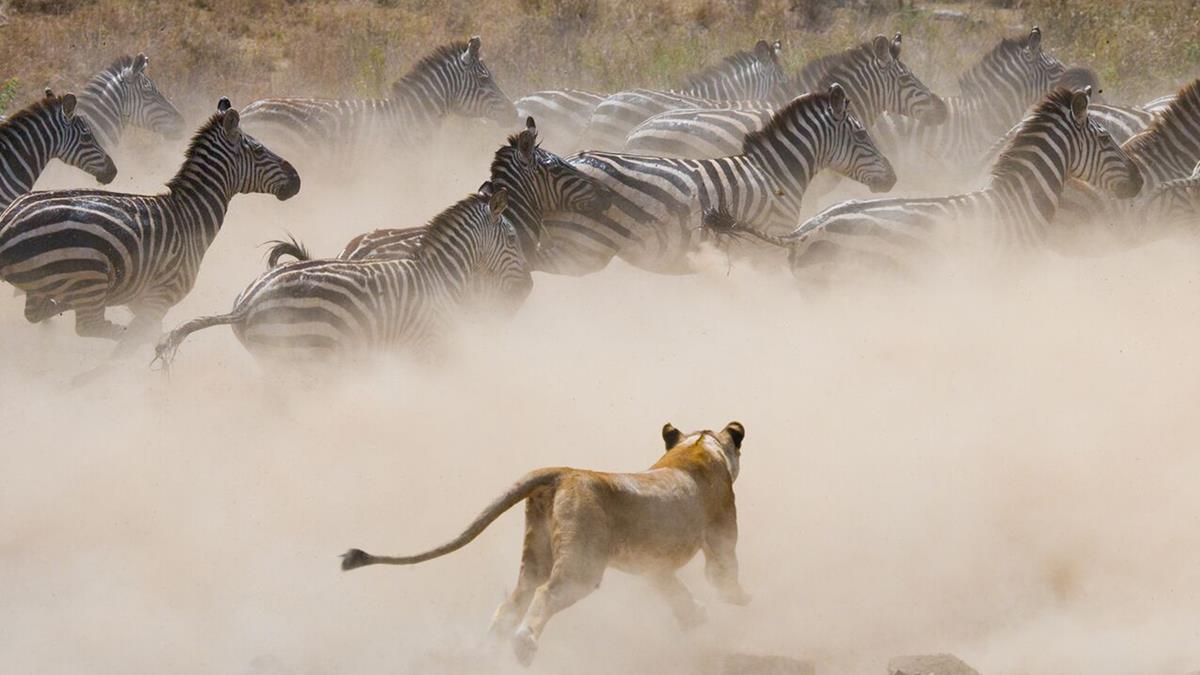
The migration moves in a rough annual circuit, not a fixed schedule. From December through March, the herds concentrate on the short-grass plains around Ndutu in southern Serengeti for calving season, hundreds of thousands of wildebeest calves born within a few dramatic weeks, usually peaking in February, with predators never far behind. From April to June they drift north through central and western Serengeti, with Grumeti River crossings typically around June. From July through October the migration reaches the far north of the Serengeti and crosses into Kenya’s Masai Mara, with Mara River crossings running from late July through October and September usually the most active stretch. By November, short rains trigger the move back south to complete the cycle.
The honest caveat, covered in more detail in the callout below, is that every one of those windows is a typical pattern based on rainfall, not a guaranteed date. The migration follows the grass, and the grass follows the rain.
If You’re Adding Gorilla Trekking
Uganda and Rwanda run on their own seasonal pattern. The driest, easiest trekking conditions fall in two windows, June to September and December to February, with June to September generally the driest of the two but also the busiest for permits. March to May and October to November bring heavier rain and muddier trails, particularly in Uganda’s Bwindi Impenetrable Forest, though permits are easier to come by and the forest itself is quieter.
If You’re Climbing Kilimanjaro or Mount Kenya
Two windows work well: June to October is the classic dry season with the clearest weather, but it’s also peak climbing season and the main routes get busy. January to mid-March is quieter and still largely dry, though colder, with a real chance of snow above 4,000 metres. April, May and November bring Kilimanjaro’s heaviest rain and are generally worth avoiding for a climb specifically.
If You’re Adding a Zanzibar Beach Extension
Zanzibar runs warmer and more humid than the mainland safari circuit. June to October is the most reliable stretch of dry, sunny beach weather, with July to September usually rated the best of all. January and February are also largely dry, if hotter and more humid. March to May brings Zanzibar’s heaviest rain, with some beach lodges closing for parts of it, and November’s short rains are lighter but less predictable.
Crowds and Rates
Peak season, which spans from July to October and mid-December to early January, offers incredible weather ideal for a variety of activities. However, this comes with higher costs and the challenge of securing reservations at popular camps, often booked six to twelve months in advance. On the other hand, the green season months, especially April and May, provide a more peaceful experience with better pricing, though it does bring daily rain showers and a limited selection of available camps. Each option has its unique advantages; it’s important to consider what matters most to you for your trip and make a choice that fits your vision.