Kenya and Tanzania don’t require a long list of vaccinations to visit, but a safari does put you in mosquito country for most of the trip, so a bit of preparation goes further here than on an average holiday. None of this should replace an actual conversation with your doctor or a travel clinic, ideally four to six weeks before you fly, since your own history and itinerary change what’s right for you.
Required Vaccines
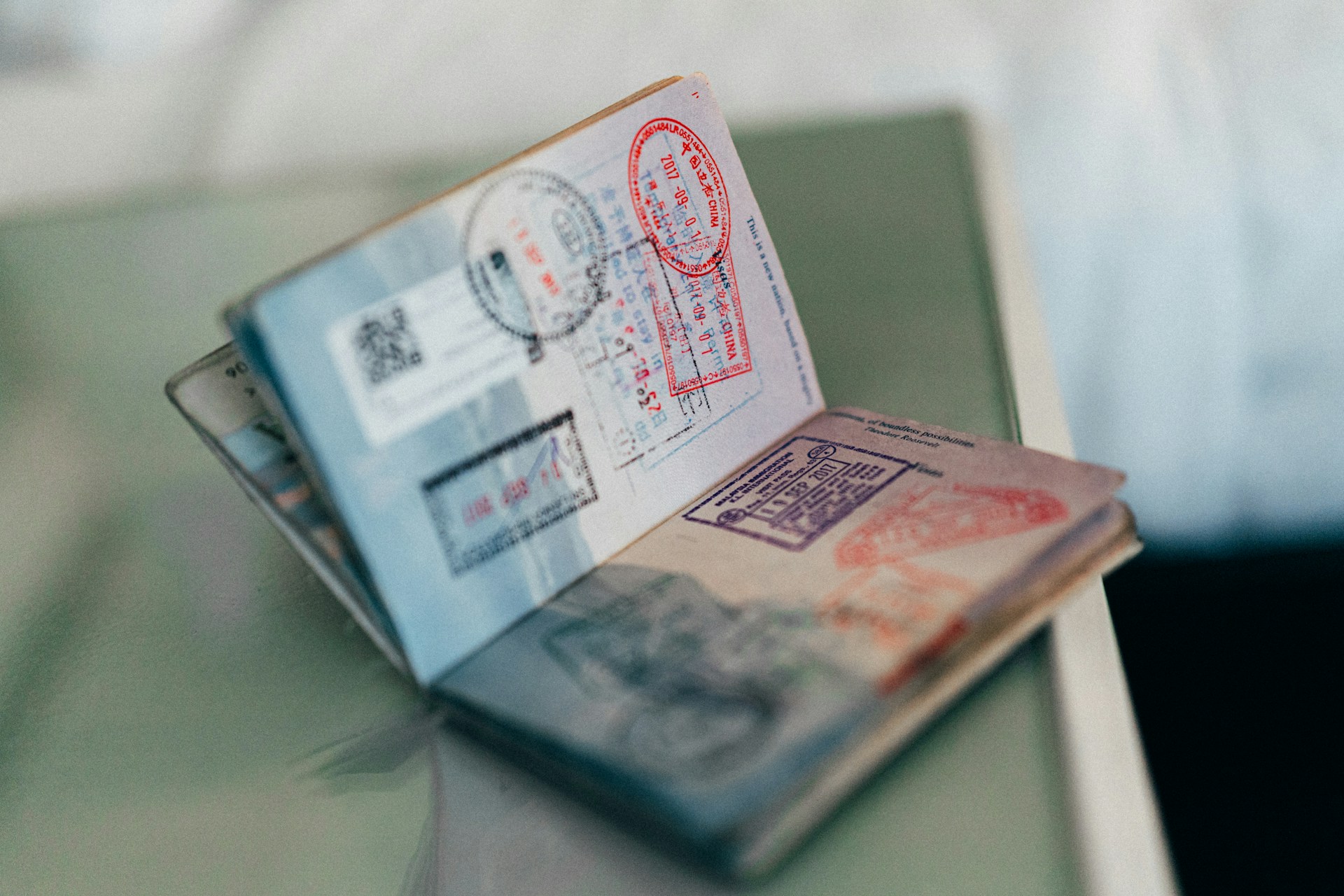
Only one vaccine is a hard entry requirement, and it’s conditional rather than universal. Yellow fever vaccination is compulsory if you’re arriving from a country with risk of yellow fever transmission, which is why the detail matters so much for anyone combining Kenya and Tanzania: flying from the USA, Canada or Europe directly into either country, you won’t be asked for a certificate. But Tanzania classifies Kenya itself as a yellow fever risk country, so if your route goes Kenya first, then Tanzania, as most combined itineraries do, you’ll need a valid certificate to enter Tanzania even though Kenya never asked for one. Full details on that routing rule are in our Kenya and Tanzania Visas guide. The safest approach for any combo traveller is to get vaccinated and carry the certificate regardless of exact routing, since the certificate only becomes valid ten days after the shot and requirements can tighten with little notice.
There is currently no COVID-19 vaccination or testing requirement to enter either country.
Recommended Vaccinations
Beyond yellow fever, nothing else is mandatory, but health authorities and travel clinics consistently recommend the following for this region:
- Routine vaccinations up to date: MMR, Tdap, varicella, and your annual flu shot
- Hepatitis A, spread through contaminated food and water
- Typhoid, for the same reason, particularly relevant on a longer or more rural itinerary
- Hepatitis B, especially for longer stays or any chance of medical treatment abroad
- Rabies, worth discussing with your clinic for longer trips, rural stays, or close wildlife contact, since post-exposure treatment can be hard to access quickly in remote areas
- Meningitis, more relevant if you’re travelling during the region’s dry season, roughly December through June
- A polio booster, if yours has lapsed, given occasional localised outbreaks in the wider region
Which of these actually make sense for you depends on your itinerary, how remote it gets, and your own vaccination history, which is exactly what a pre-trip travel clinic visit is for.
Malaria: What You Actually Need to Know
Most of the safari circuit in Kenya and Tanzania, including the Maasai Mara, Serengeti, Ngorongoro, Amboseli, and coastal areas, falls within regions at risk for malaria. While higher-altitude cities like Nairobi have a lower risk, most travellers do not spend their entire trip there. It’s important to note that malaria in this region may be resistant to older medications such as chloroquine. Therefore, your doctor will likely recommend one of the newer prophylactic options. You can refer to the Quick Facts table below for a comparison of the main choices.
Prevention is just as important as taking medication. Mosquitoes that carry malaria primarily bite from dusk to dawn, so it’s advisable to cover up with long sleeves and trousers in the evening. Additionally, use a DEET-based repellent and sleep under a treated net, especially if your camp does not already provide one (most camps do). None of these precautions is complicated; however, it’s essential to consistently follow them every evening rather than only on nights you remember.
Staying Healthy Day to Day
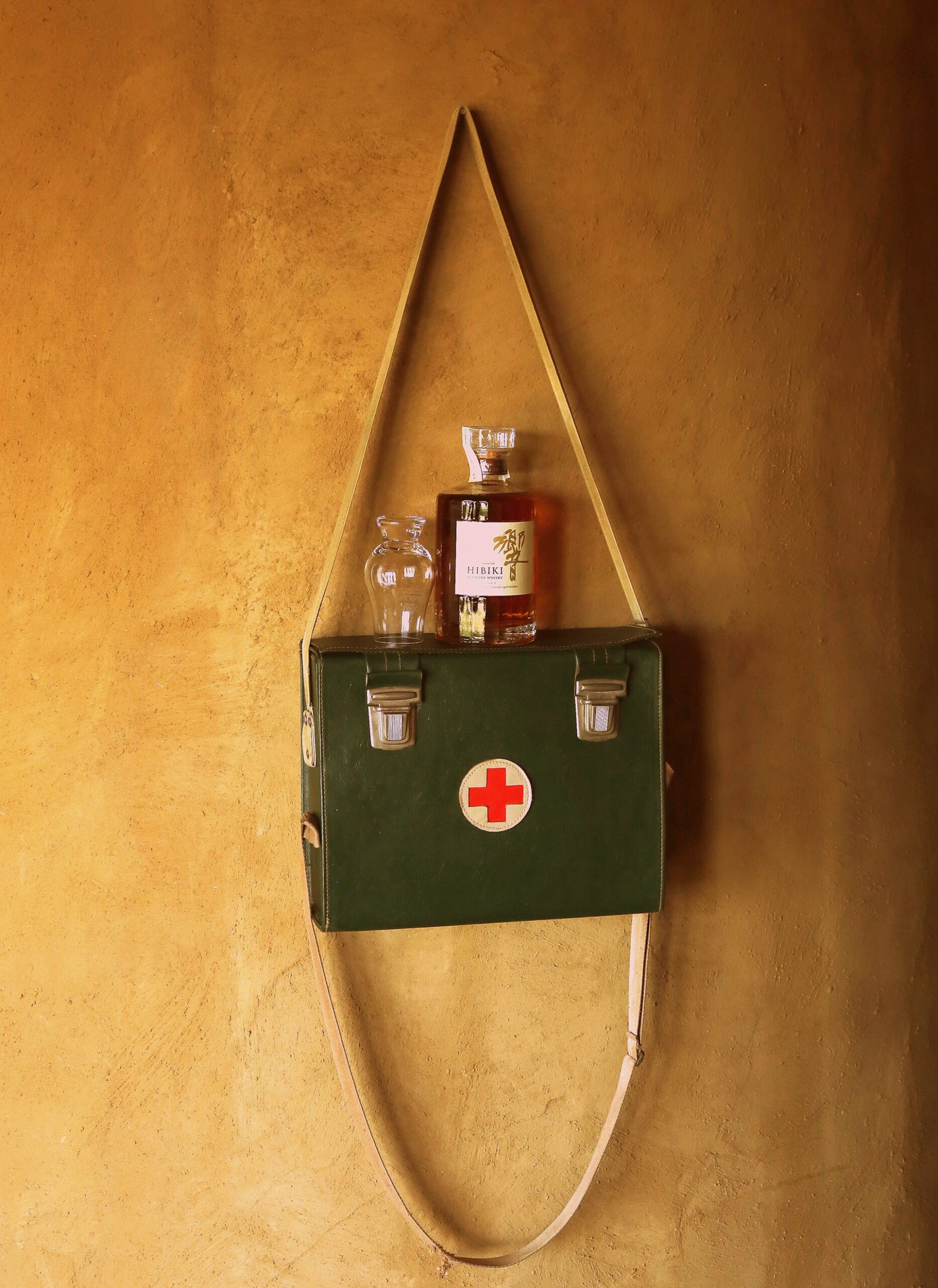
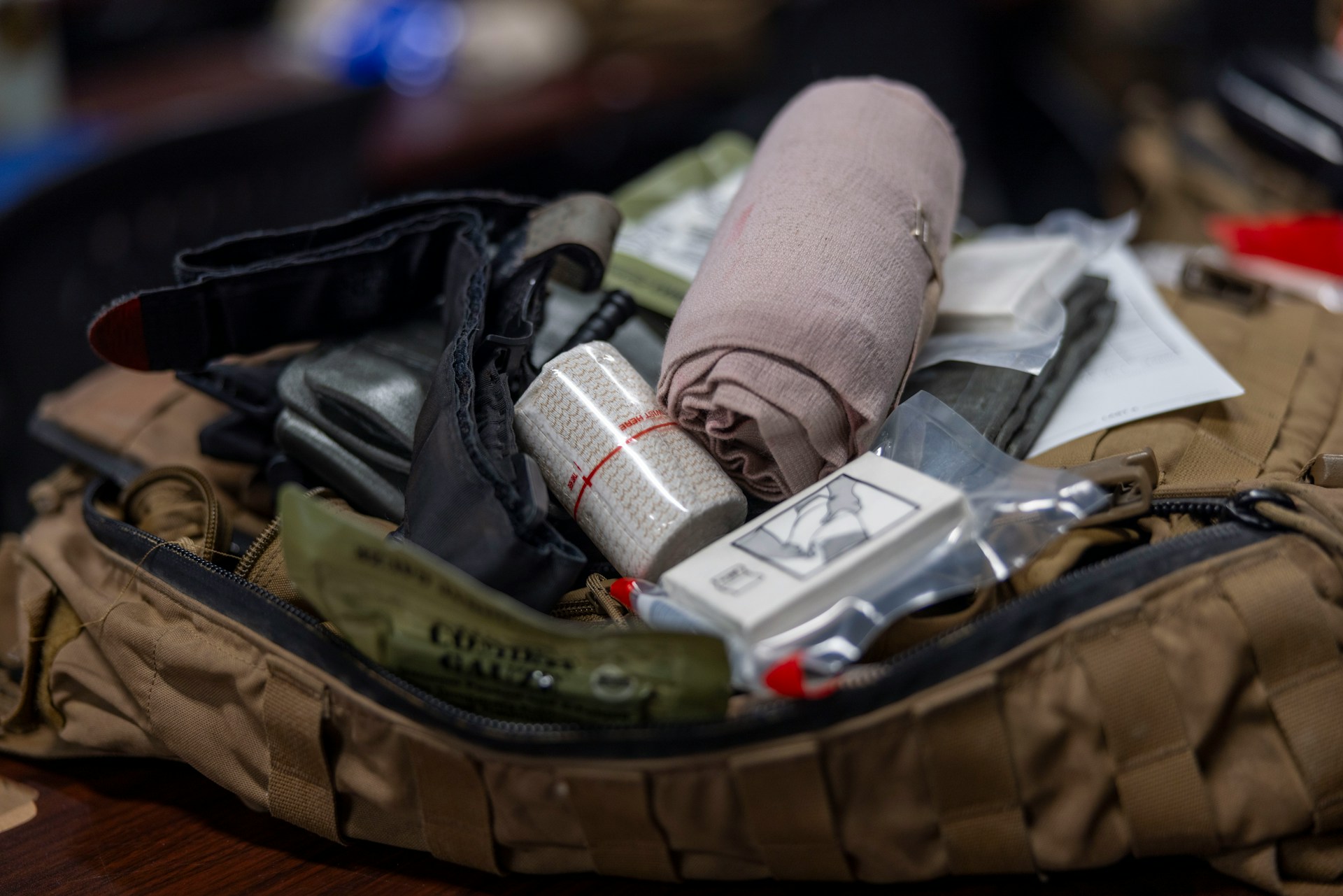
Stick to bottled or properly filtered water, including for brushing your teeth, and be cautious with ice in places outside your camp or lodge. Most safari camps and hotels handle food and water safety well; it’s markets, street food and very informal settings where a bit more caution pays off. Pack a basic first aid kit with rehydration salts, any personal medication in its original packaging, and a strong sunscreen; the equatorial sun is stronger than it feels at altitude or with a breeze coming through an open vehicle.
If You’re Adding Kilimanjaro or Mount Kenya
A mountain climb changes the health picture considerably; altitude sickness becomes the main risk rather than anything mosquito-borne, and it deserves its own proper preparation and acclimatisation schedule rather than a few bullet points here. If a climb is part of your plans, tell us when you enquire so we can build in the right pacing and route.
Travel Health Insurance
Vaccines and precautions can reduce your risk, but they do not substitute for adequate insurance coverage. In the context of a remote safari, having a policy that includes medical evacuation is especially important, as the nearest hospital capable of serious care can be quite far away. For more details on what to consider, please refer to our Travel Insurance guide.