Travel Insurance

Travel Insurance

Travel Insurance

4 min read Updated August 25, 2026

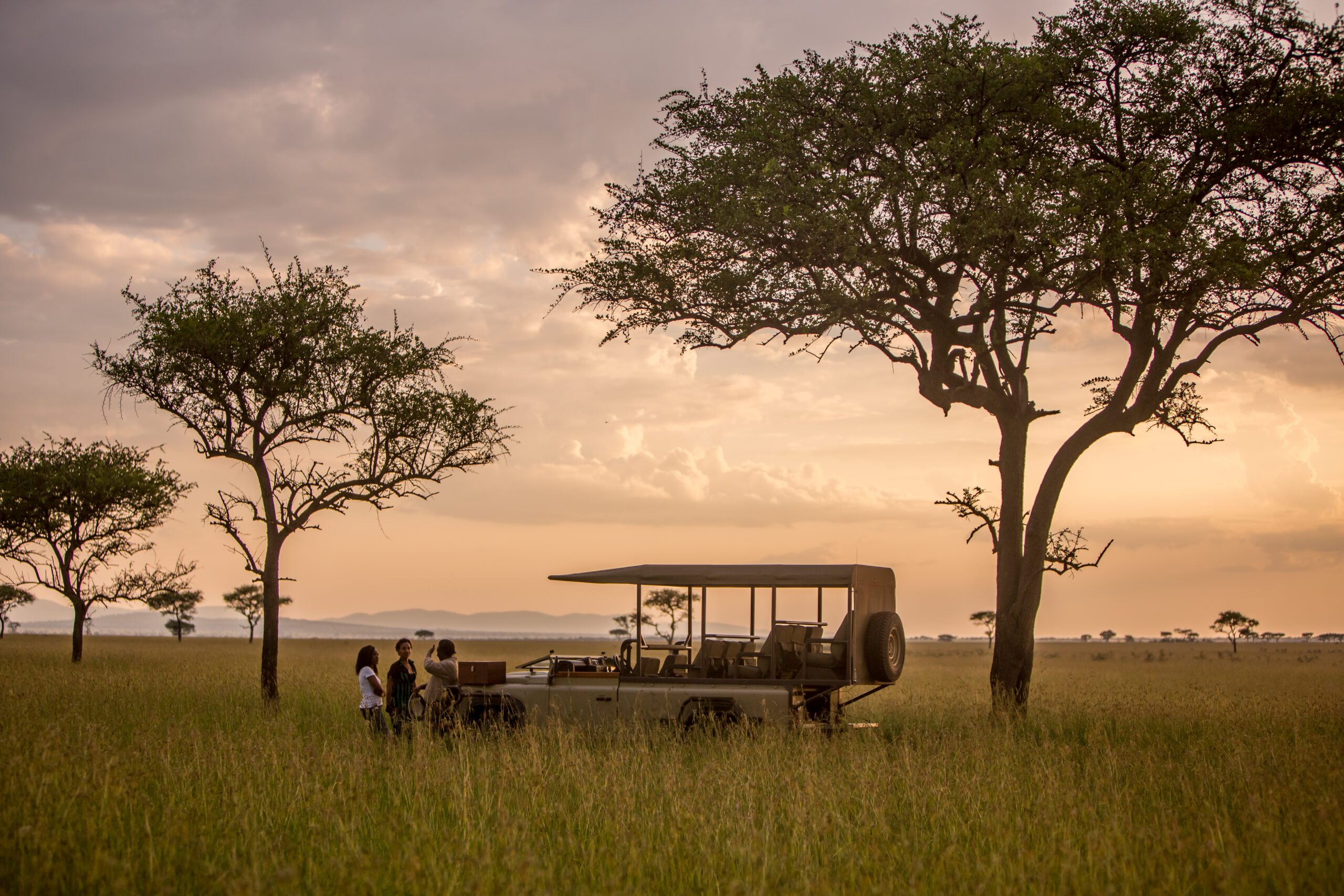
A safari is not the typical trip that can be covered by standard insurance. Most policies are designed for city hotels and short domestic flights, not for camps that are hours away from the nearest hospital by road, or that can only be accessed by light aircraft. The key insurance question to consider is not “Is it required?” but rather “What happens if something goes wrong in a location without immediate access to an ambulance?”

Why Travel Insurance Matters More on a Safari

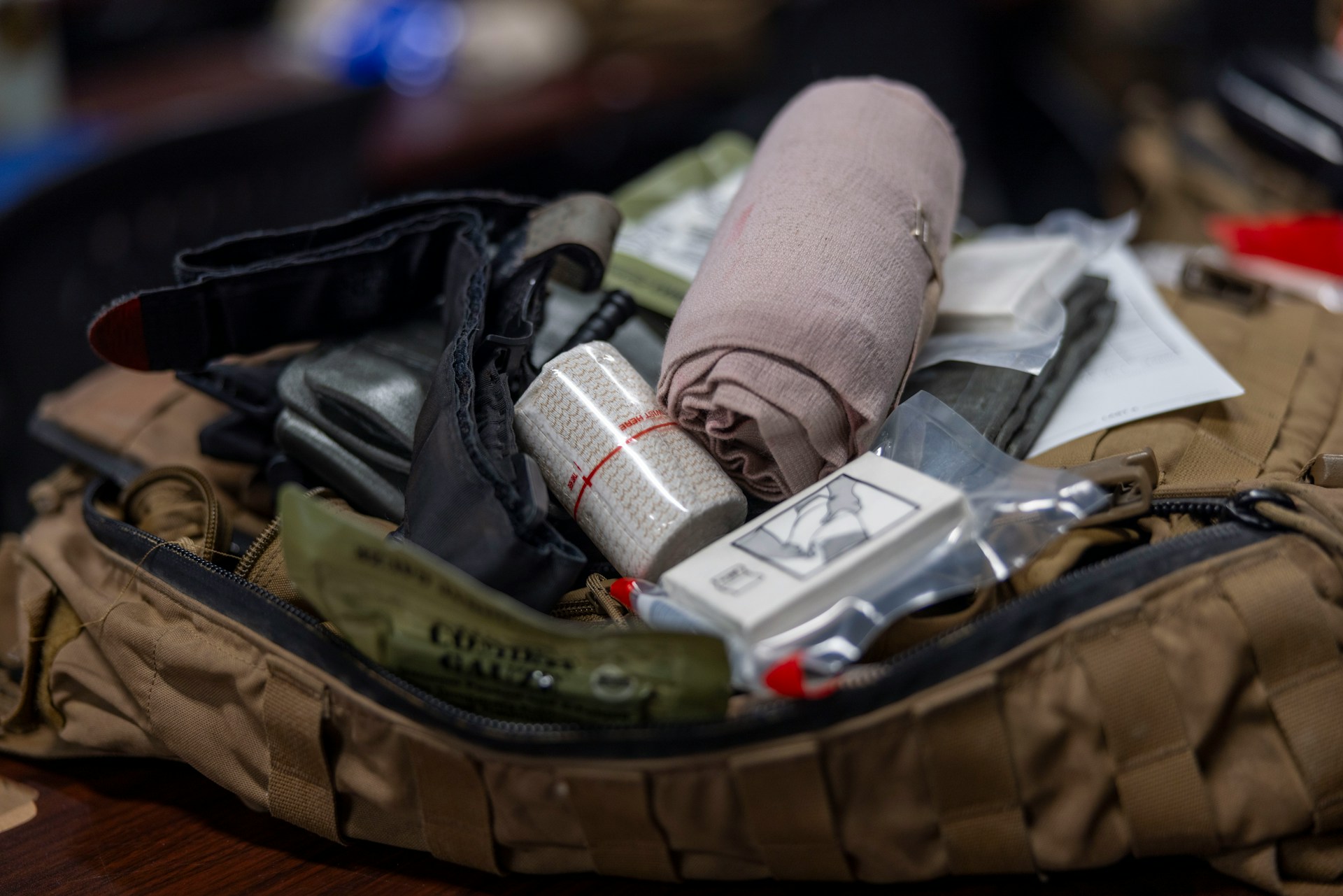
Bush camps in the Maasai Mara, Serengeti and Ngorongoro are remote by design; that’s part of the appeal, but it also means a serious injury or sudden illness usually means an air evacuation before it means a hospital bed. Safari insurance specialists put the cost of an emergency helicopter or light-aircraft evacuation from a remote camp at roughly $10,000 to $50,000, and a full aeromedical repatriation back to your home country at $50,000 to $100,000 on top of that. Add in the actual hospital treatment, and the combined exposure for a serious incident can run into six figures. None of this is meant to alarm you; it’s meant to explain why “I’ll take my chances” is a genuinely expensive gamble on a safari specifically, in a way it usually isn’t on a beach holiday.

What Makes a Good Safari Policy

Not every travel insurance policy is built for this. Before you buy, check for:

  • Medical evacuation cover of at least $250,000, ideally $500,000 or more, given the figures above
  • Your safari activities named specifically; game drives, walking safaris, night drives and hot air balloon safaris are sometimes excluded from standard policies unless listed
  • Gorilla trekking listed by name if you’re adding Uganda or Rwanda, along with any high-altitude trekking if you’re climbing Kilimanjaro or Mount Kenya
  • Trip cancellation and interruption cover for the prepaid cost of your safari, which is rarely refundable close to departure
  • Cover for camera and optics equipment; standard baggage limits are often only $500 to $1,000 in total, well under what a serious safari photography kit is worth
  • Reasonable allowance for pre-existing medical conditions, or the option to add one

AMREF Flying Doctors: Useful, But Not a Substitute for Insurance

You’ll see AMREF Flying Doctors mentioned often when researching East Africa safaris, and it’s worth having, but it is not the same thing as travel insurance. It’s an air ambulance membership. For a flat fee per trip, it guarantees evacuation from a remote camp to the nearest capable hospital, usually Nairobi, and includes a set amount of follow-on hospital care.

What it doesn’t do: it doesn’t cover the cost of extended hospital treatment beyond that allowance, it doesn’t get you home once you’re stable in Nairobi, it doesn’t cover trip cancellation, and it doesn’t cover your camera gear or luggage. Think of it as solving the single most expensive and most safari-specific risk, the evacuation flight itself, alongside a proper travel insurance policy, not instead of one.

Kenya and Tanzania’s Own Insurance Rules Are Changing Fast

This is genuinely a moving target right now, see the callout box below for exactly where things stand and why we’d rather explain the uncertainty honestly than print a rule that’s wrong by the time you read it.

If You’re Adding Kilimanjaro, Mount Kenya or Gorilla Trekking

Standard travel insurance often caps medical and evacuation cover at 2,500 to 3,000 metres, which is well below where trouble actually starts on Kilimanjaro. Mountain rescue services on Kilimanjaro have been known to require proof of insurance valid to 6,000 metres before they’ll dispatch, so if a climb is part of your plans, confirm your policy names that altitude specifically rather than assuming “mountain trekking” cover is enough. Gorilla trekking in Uganda or Rwanda needs to be named on your policy too, and if you’re relying on AMREF Flying Doctors for evacuation cover, check which of the two countries your specific membership tier actually includes, coverage area varies by plan.

When to Buy Your Travel Insurance

Buy sooner rather than later. Many insurers only waive pre-existing condition exclusions, or offer optional “cancel for any reason” cover, if you purchase within a fairly short window of your first trip deposit, often two to three weeks. Leave it until closer to departure, and you may simply lose access to those options for good, regardless of which insurer you choose.

At a glance

ItemApplies toCostValidity
AMREF Flying Doctors, Tourist Silver Plus Evacuation within Kenya, Tanzania and Zanzibar $50 flat fee One trip
AMREF Flying Doctors, Tourist Platinum Plus Evacuation across 8 East and Southern African countries $100 flat fee One trip
Comprehensive travel and medical insurance Medical treatment, evacuation, cancellation, gear Varies by provider, trip cost and age Full length of trip
Zanzibar mandatory local cover All non-resident visitors entering Zanzibar Approx. $44 Purchased on arrival

About Kenya and Tanzania's Own Mandatory Insurance Rules

This is worth explaining honestly because it’s changing quickly. Kenya introduced a rule in mid-2026 requiring foreign visitors to carry at least $50,000 in health insurance, uploaded through the eTA system before travel. On 24 August 2026, Kenya’s High Court suspended that requirement while it hears a full legal challenge, with a hearing date set for 16 September 2026. In practice, that means the mandatory $50,000 policy is not currently being enforced, but this could change again after that hearing, in either direction.

Tanzania has discussed a similar nationwide mandatory policy for the mainland, but as of now it has not come into force there. Zanzibar is the exception: all non-resident visitors entering Zanzibar are already required to buy a local travel insurance policy, currently around $44, at the point of entry. If your itinerary includes a Zanzibar beach extension, budget for that separately; it doesn’t replace the comprehensive insurance covered above.

Because this is government policy in motion rather than a settled rule, always check the current requirement on the official Kenya eTA portal or Tanzania immigration site close to your travel dates, rather than relying on any fixed date printed here.

Travel Insurance
Common questions

Travel Insurance, answered

There’s no consistent legal requirement in force right now. Kenya introduced a mandatory $50,000 health insurance rule in 2026, but Kenya’s High Court suspended it in late August 2026 pending a full hearing. Tanzania’s mainland has no mandatory policy at the time of writing, though Zanzibar separately requires a small local policy, about $44, purchased on arrival for all non-resident visitors. Regardless of the legal requirement, we’d strongly recommend comprehensive cover anyway, for reasons that have nothing to do with entry rules.

No. It’s an excellent, genuinely useful air ambulance membership that gets you out of a remote camp and to the nearest hospital, but it isn’t medical insurance. It doesn’t cover extended hospital treatment beyond its allowance, doesn’t get you home internationally once you’re stable, and doesn’t cover trip cancellation or your gear. Most safari travellers are best covered by AMREF membership alongside proper travel insurance, not one or the other.

Safari insurance specialists recommend at least $250,000, ideally $500,000 or more. That sounds like a lot until you see the real numbers: a single bush evacuation can run $10,000 to $50,000, and a full repatriation home afterwards can add another $50,000 to $100,000 on top.

Not always; check before you assume it does. Some standard policies exclude activities like game drives, walking safaris and hot air balloon safaris unless they’re specifically named. If you’re adding gorilla trekking or a Kilimanjaro or Mount Kenya climb, those need to be named too, and mountain rescue services on Kilimanjaro have been known to require proof of cover valid to 6,000 metres specifically.

As soon as you’ve paid your trip deposit, ideally within two to three weeks. Many insurers only offer pre-existing condition waivers or “cancel for any reason” add-ons within a short window of your first payment; buy later, and you may lose access to those options entirely, whichever insurer you choose.

For Zanzibar, yes, budget separately for its own small mandatory local policy at entry, currently around $44, on top of your main travel insurance. For gorilla trekking in Uganda or Rwanda, no separate policy is required, but make sure both your travel insurance and any AMREF Flying Doctors membership specifically list that country and activity; coverage area varies by provider and plan.

Found this useful?

Let’s put it to work on your itinerary

Tell us your dates and interests, and a specialist will build on what you’ve just read.

Start planning