Samburu National Reserve

Samburu National Reserve

A river of green cutting through Kenya's arid north, home to five striking species found almost nowhere else on a safari itinerary, and the site of the world's most detailed ongoing elephant research. Here's what to know before you plan your trip.

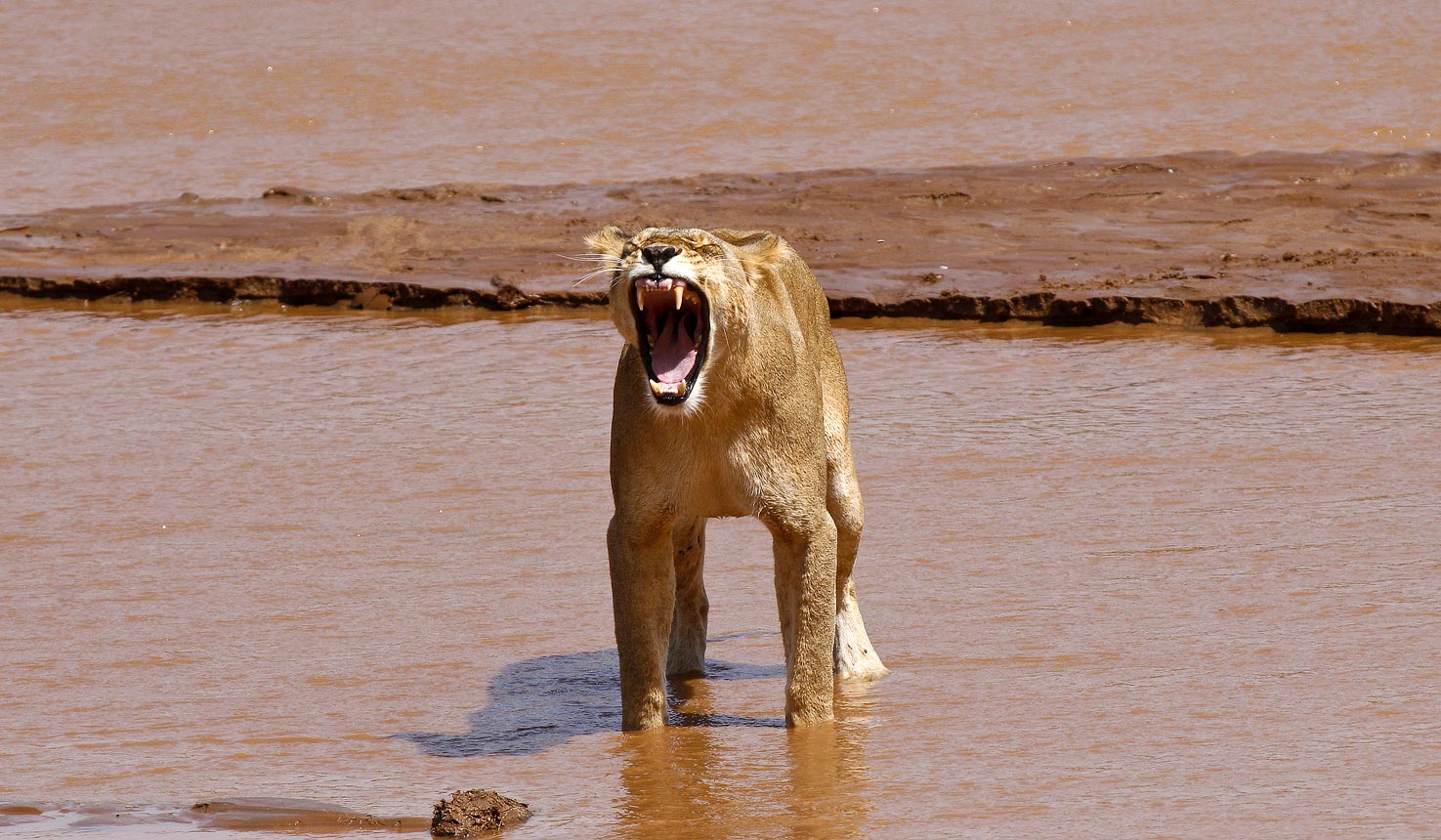
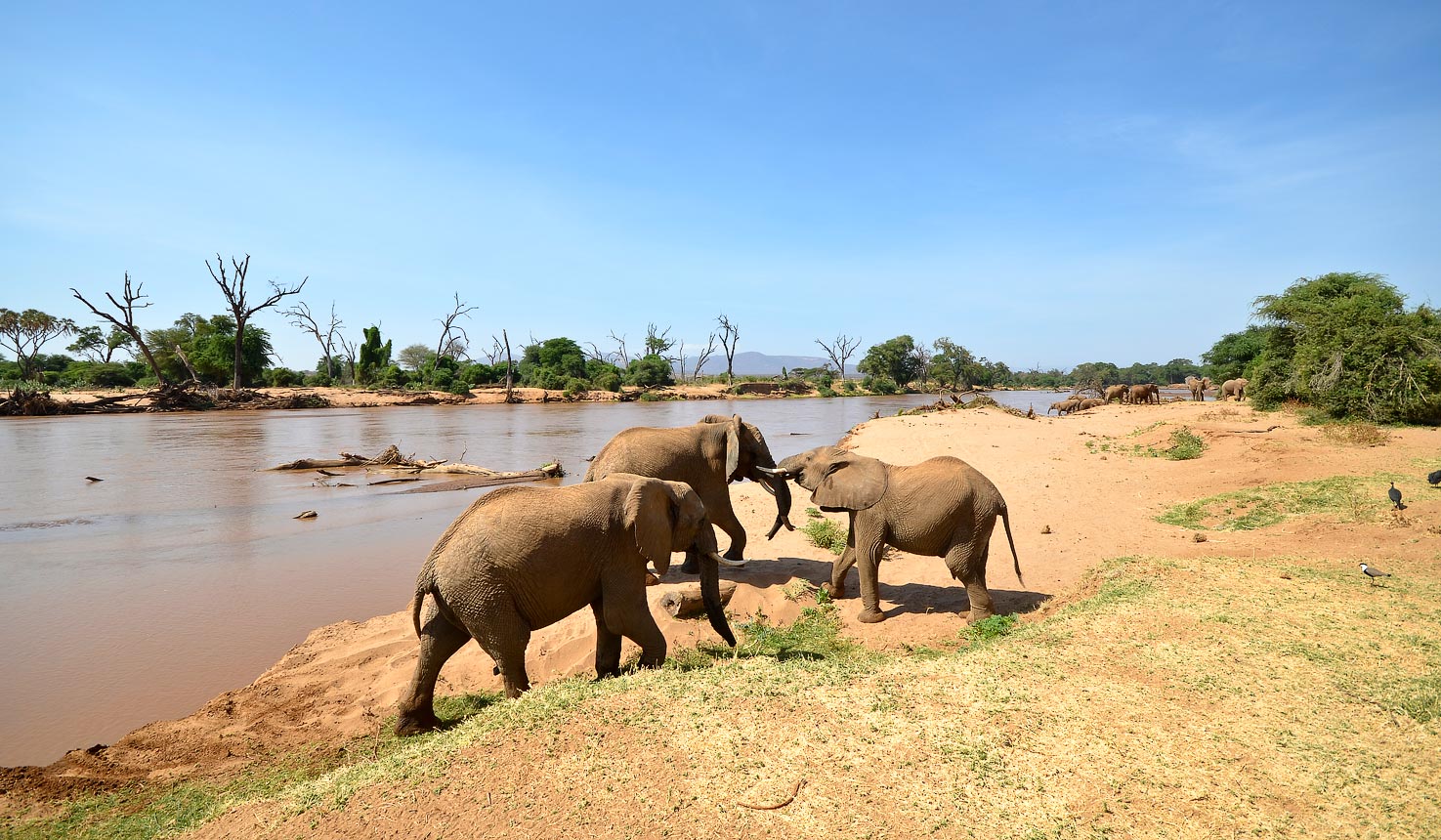
Most of Kenya’s famous parks are grassland. Samburu is different: a ribbon of green cutting through genuinely arid country, doum palms and riverine forest crowding the banks of the Ewaso Nyiro River while the surrounding land turns dry and dusty for most of the year. That contrast is what makes Samburu work as a safari destination; wildlife has nowhere else to go for water, so it concentrates along the river in a way that makes for close, reliable sightings even in the driest months.

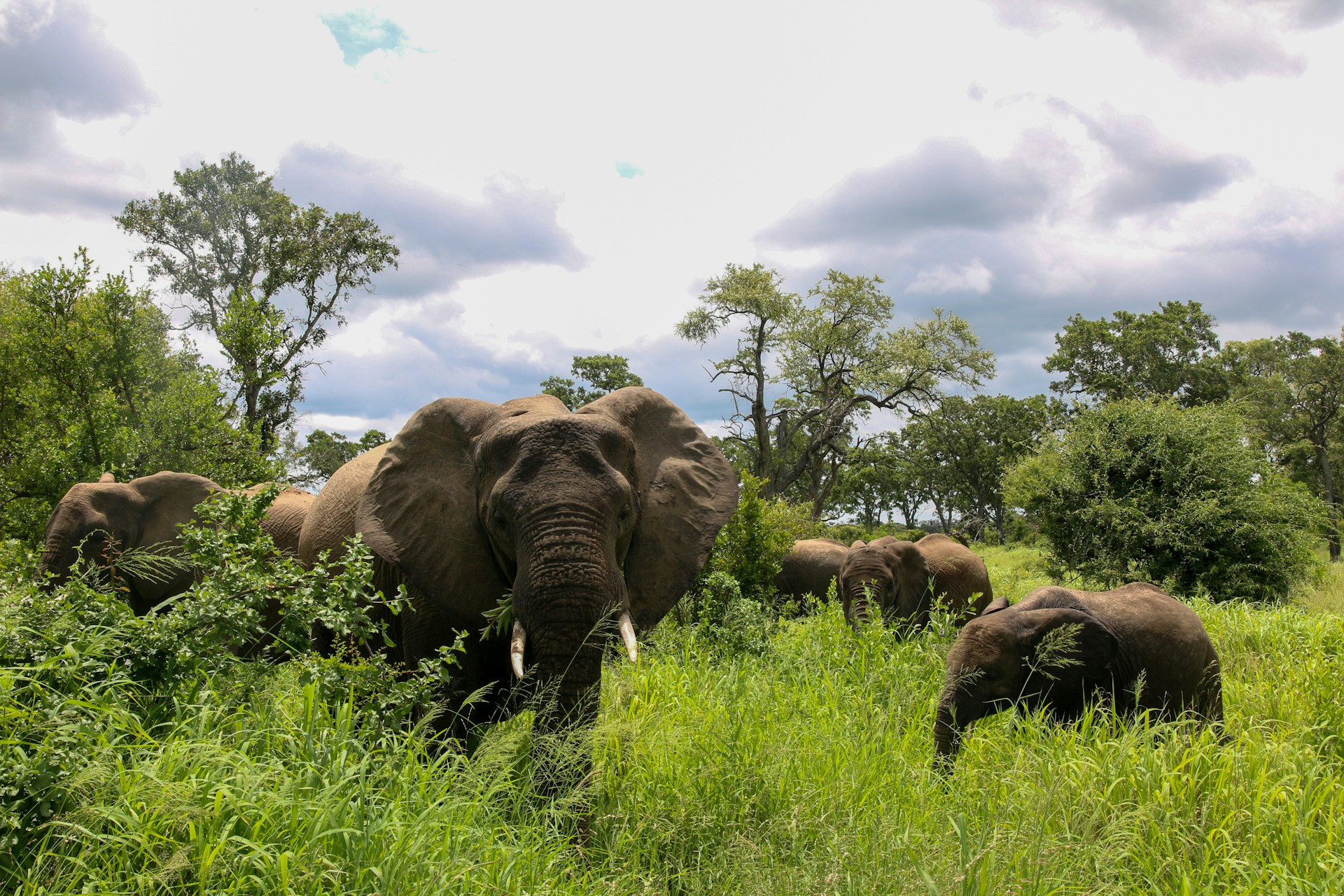
It is also, quietly, one of the most scientifically important patches of ground in Africa. Save the Elephants, founded by researcher Iain Douglas-Hamilton in 1993, has run its main research base here for over three decades, tracking the detailed life histories of close to a thousand individual elephants and pioneering the GPS collar technology now used to protect elephant populations across the continent. This is a place where the wildlife has been watched, named and understood for longer and more closely than almost anywhere else on Earth.

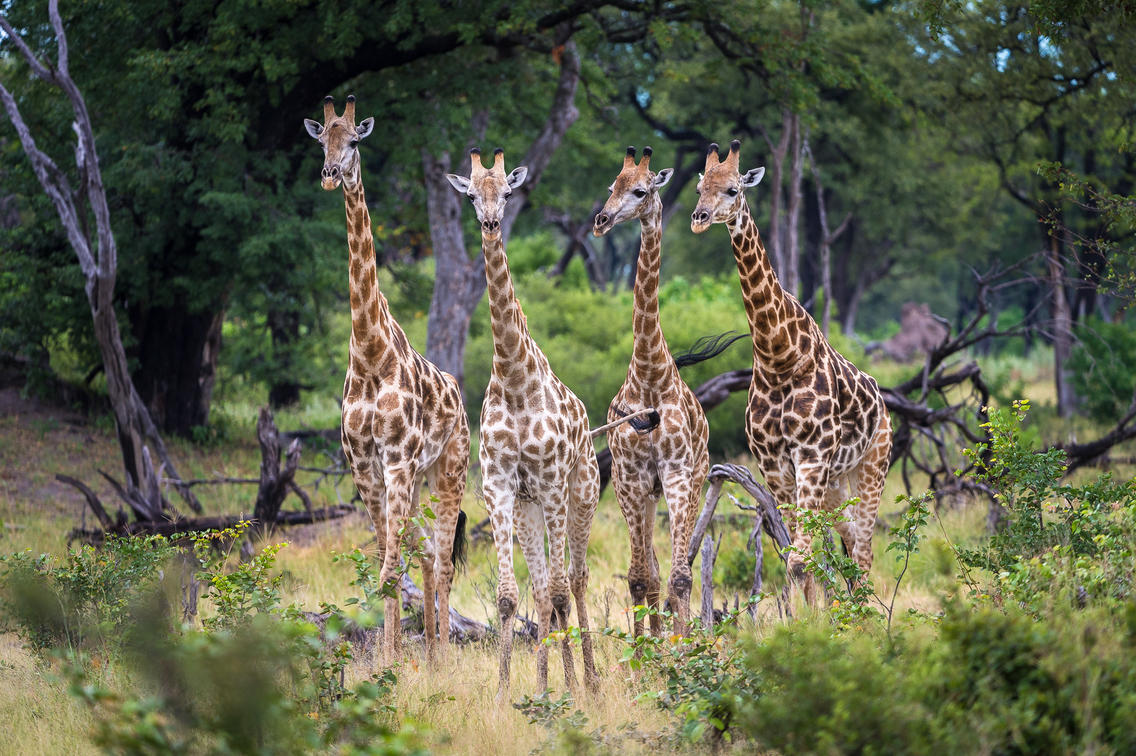
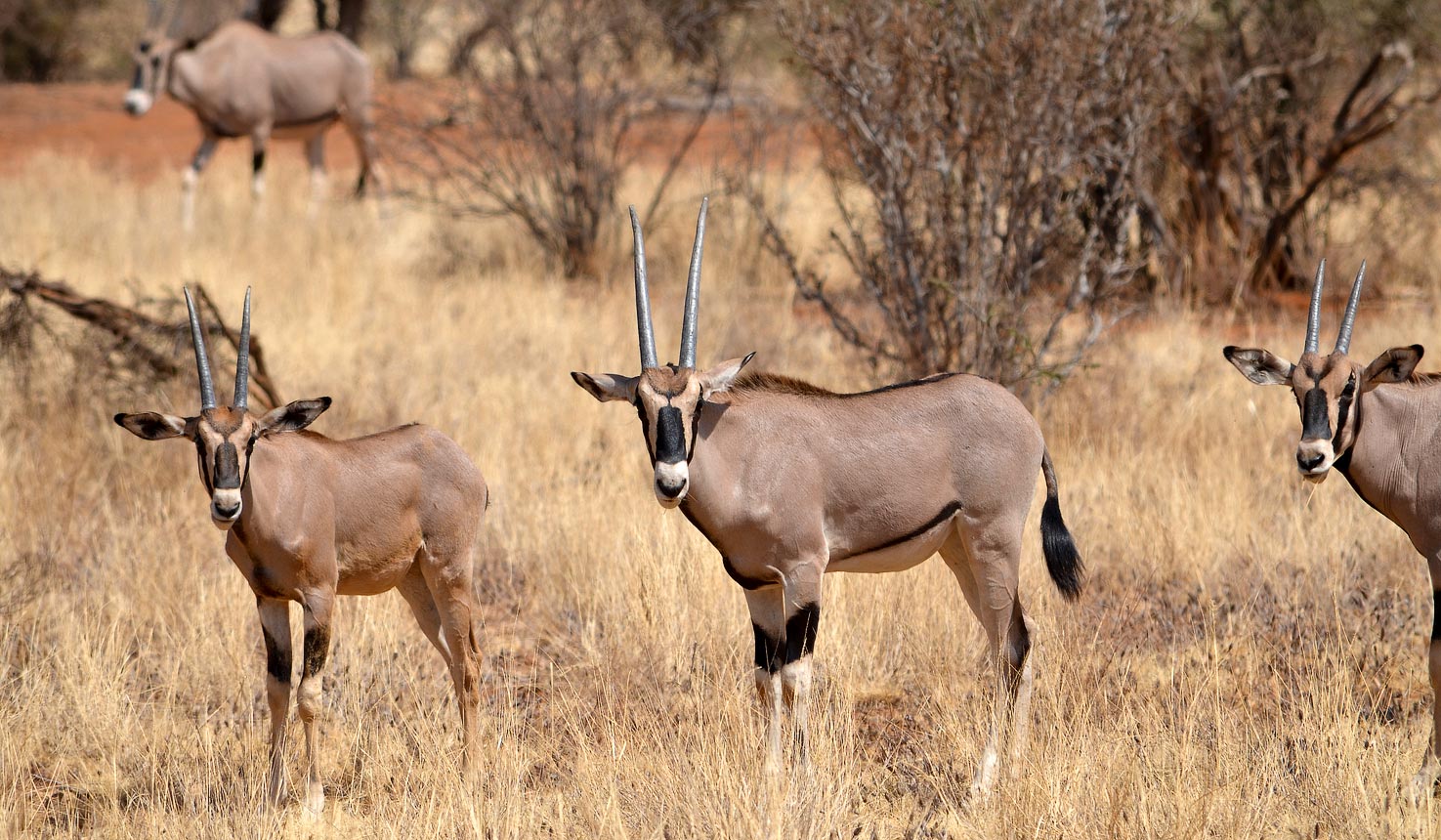
Samburu is also home to five species found on very few other safari itineraries: the reticulated giraffe, Grevy’s zebra, Beisa oryx, gerenuk and Somali ostrich, animals adapted to genuinely dry country and rarely seen together anywhere outside Kenya’s arid north. Locally, this grouping is known as the Samburu Special Five, a deliberate counterpart to the Big Five, and for many travellers it is the reason this reserve makes the itinerary at all.

At a glance

165 km² (part of the wider, unfenced Samburu-Buffalo Springs-Shaba ecosystem)
Size
1985
Established
Samburu County, Kenya
Region
The Samburu Special Five, the Ewaso Nyiro River, decades of elephant research
Known for
Why visit Samburu National Reserve
Why Samburu National Reserve

Samburu asks a different question than the Mara or the Serengeti. Instead of the sheer scale of a migration, it offers precision: five specific, striking species adapted to dry country, a river that predictably concentrates wildlife along its banks, and a research history so detailed that individual elephants here have documented family trees. It rewards travellers who already have a Big Five safari behind them and want to see something this country doesn’t show everywhere.

  • Home to the Samburu Special Five Reticulated giraffe, Grevy's zebra, Beisa oryx, gerenuk and Somali ostrich, five striking species rarely seen together outside Kenya's arid north
  • A River That Concentrates Wildlife Predictably The Ewaso Nyiro is the only permanent water for miles, drawing elephants, big cats and the Special Five to its banks even in the driest months.
  • Some of the Most Detailed Elephant Research on Earth Save the Elephants has tracked the life histories of close to a thousand individual elephants here since 1993, pioneering the GPS tracking used worldwide today.
  • A Genuinely Different Kenyan Landscape Dry, rugged and framed by distant hills rather than open grassland, Samburu looks and feels unlike any other park on a typical Kenya itinerary.
What you'll likely see

Key species at Samburu National Reserve

What past travellers have consistently seen, Samburu's wildlife concentrates along the Ewaso Nyiro River, and its five signature species are found on very few other safari itineraries

· · · · · · ·
Elephant
Elephant
80% chance
Giraffe
Giraffe
80% chance
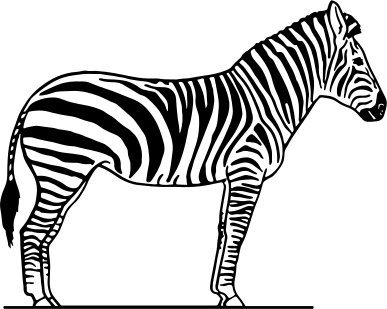
Zebra
Zebra
70% chance
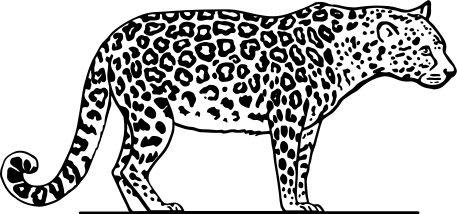
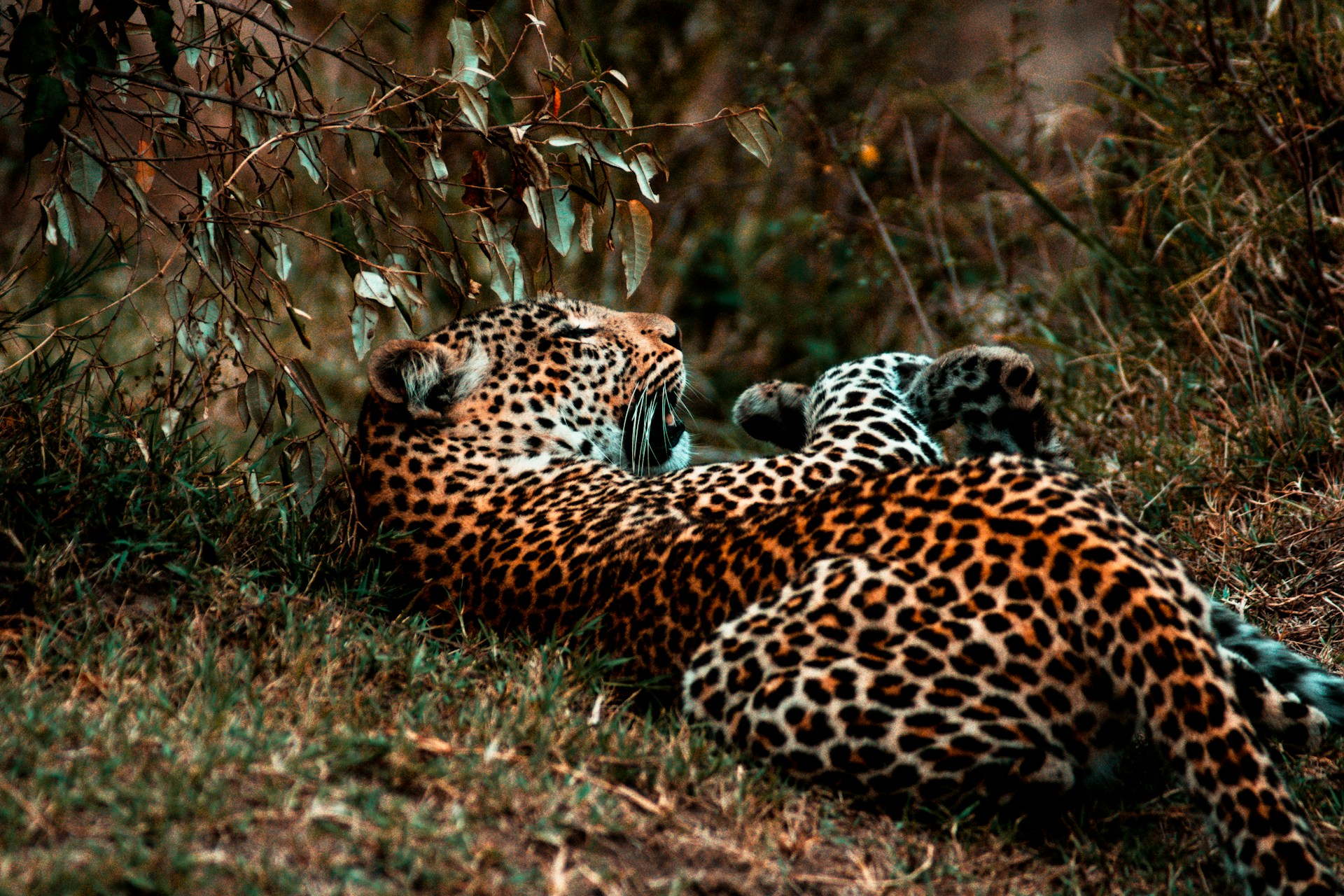
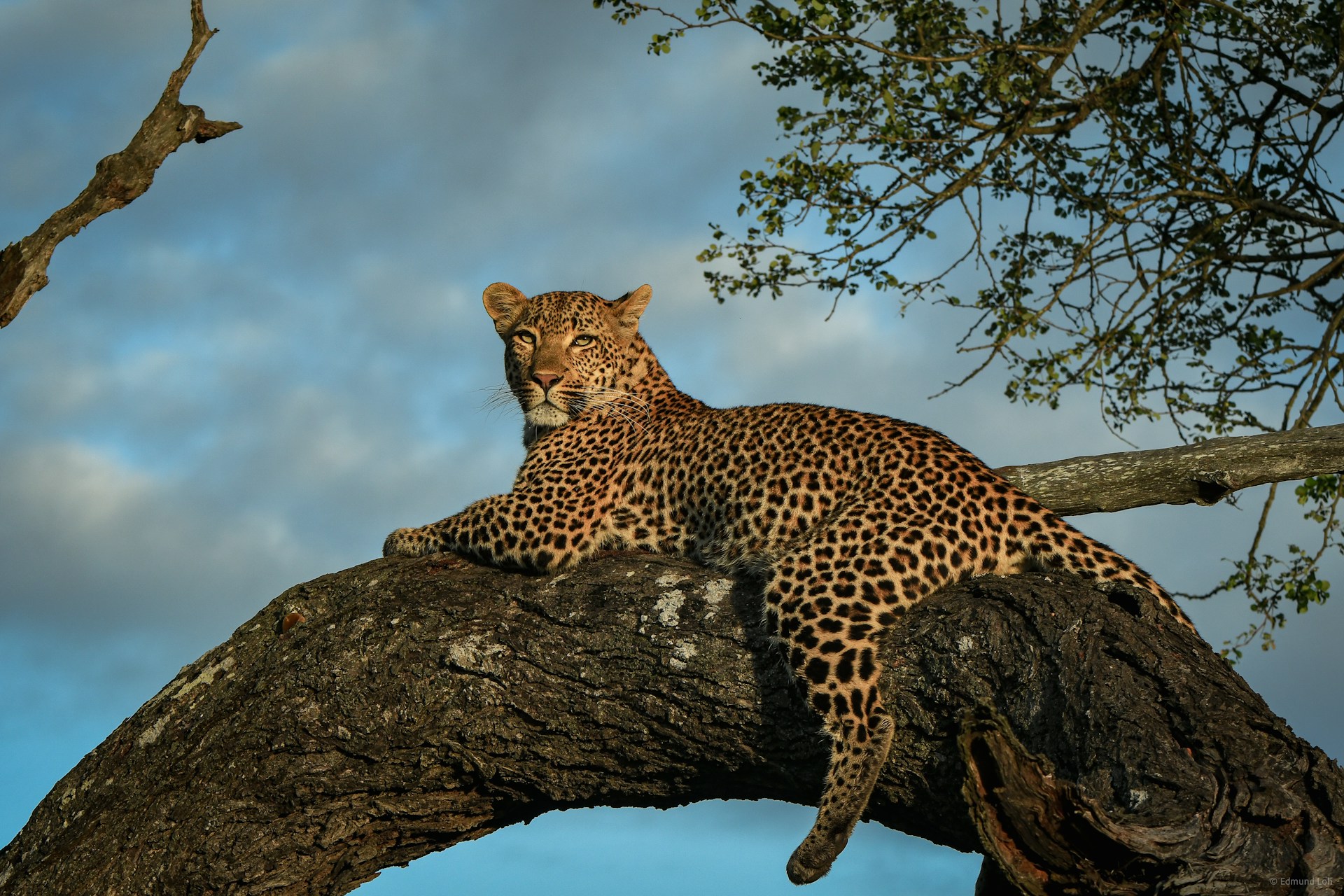
Leopard
Leopard
55% chance
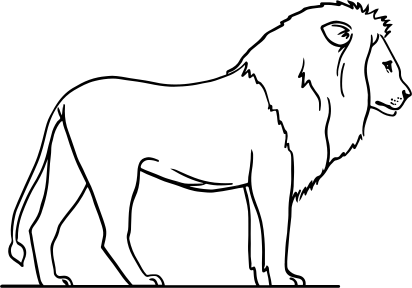
Lion
Lion
50% chance
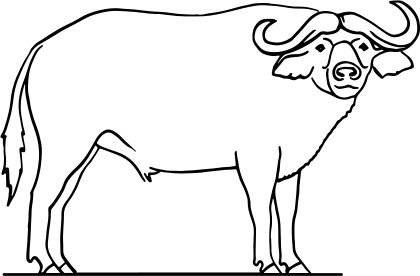
Buffalo
Buffalo
50% chance
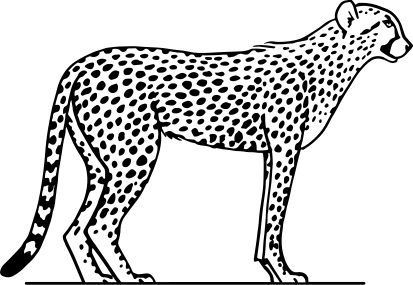
Cheetah
Cheetah
35% chance
Starting points

Safaris to Samburu National Reserve

A few of our Samburu safari packages, adjusted to your dates, pace and camp choice before anything is confirmed

Getting there

Reaching Samburu National Reserve

Samburu sits further from Nairobi than this site's other parks, a full day's drive or a short flight, and the reserve connects directly to Buffalo Springs and Shaba across the river.

When to go

Best time to visit Samburu National Reserve

Jan Feb Mar Apr May Jun Jul Aug Sep Oct Nov Dec
June – October
The long dry season, the surrounding bush dries out and wildlife concentrates predictably along the Ewaso Nyiro, the most reliable months for sightings.
January – February
A shorter dry spell between the two rainy seasons, quieter than the June to October peak with similarly strong game viewing along the river.
March – May, November
The rains, a greener landscape and fewer visitors, though the Ewaso Nyiro can rise quickly and make some low-water river crossings temporarily impassable.
Best time to visit
Responsible travel

Responsible Travel in Samburu

Samburu's conservation story runs on two tracks, decades of elephant research based right here in the reserve, and a wider network of community-owned conservancies protecting the unfenced land around it, including one of East Africa's most important rhino recovery stories.

I

The World's Longest-Running Study of a Single Elephant Population

Save the Elephants has run its main research base in Samburu since 1993, tracking the life histories of close to a thousand elephants and pioneering the GPS collar technology now used to protect herds across Africa.

II

A Community-Owned Rhino Sanctuary in the Wider Samburu Region

Sera Community Conservancy, part of the wider Samburu landscape though outside this reserve's own boundary, reintroduced black rhino in 2015 as East Africa's first indigenous community-owned rhino sanctuary, after two decades without any in the area.

III

Managed by the Samburu Community Itself

Unlike most of Kenya's parks, Samburu National Reserve is owned and run by the Samburu County Government rather than the national wildlife service, with entry fees funding local community priorities directly.

IV

An Unfenced Landscape Held Together by Conservancies

Community conservancies bordering Samburu, Buffalo Springs and Shaba keep wildlife corridors open across a much larger area than the three reserves cover on their own.

Common questions

Samburu National Reserve, answered

June to October is the most reliable stretch, as the surrounding bush dries out and wildlife concentrates predictably along the Ewaso Nyiro River. January and February offer a quieter, similarly dry alternative.

Its landscape and its wildlife. Samburu is genuinely arid rather than grassland, and it’s home to five species, the reticulated giraffe, Grevy’s zebra, Beisa oryx, gerenuk and Somali ostrich, found on very few other Kenyan safari itineraries. It rewards travellers looking for something distinct from a classic Big Five circuit.

It doesn’t currently have a resident population inside Samburu National Reserve itself. The nearest is at Sera Community Conservancy in the wider Samburu region, a genuinely remarkable, community-run rhino sanctuary, though it sits outside this reserve’s own boundary.

It depends on the season, camp choice and length of stay, so there isn’t one number that fits every trip. Tell us your dates and priorities and we’ll put together a tailored quote rather than a generic estimate.

Two to three nights gives enough time to see the Special Five and explore both banks of the river. Many itineraries combine Samburu with Buffalo Springs and Shaba, all three covered by one entry ticket.

Yes, Buffalo Springs and Shaba sit right across the Ewaso Nyiro River and share a combined entry ticket, making a short crossing between all three a natural extension of any Samburu stay.

Ready when you are

Let's plan your Samburu National Reserve safari

A few questions, then a specialist follows up with real options, no fixed packages, no pressure.

Start planning