Kenya · Masai Mara National Reserve
A Masai Mara safari is East Africa's classic wildlife experience: open plains, resident big cats, and, for part of the year, the wildebeest migration crossing the Mara River. Here's what to know before you plan your trip.
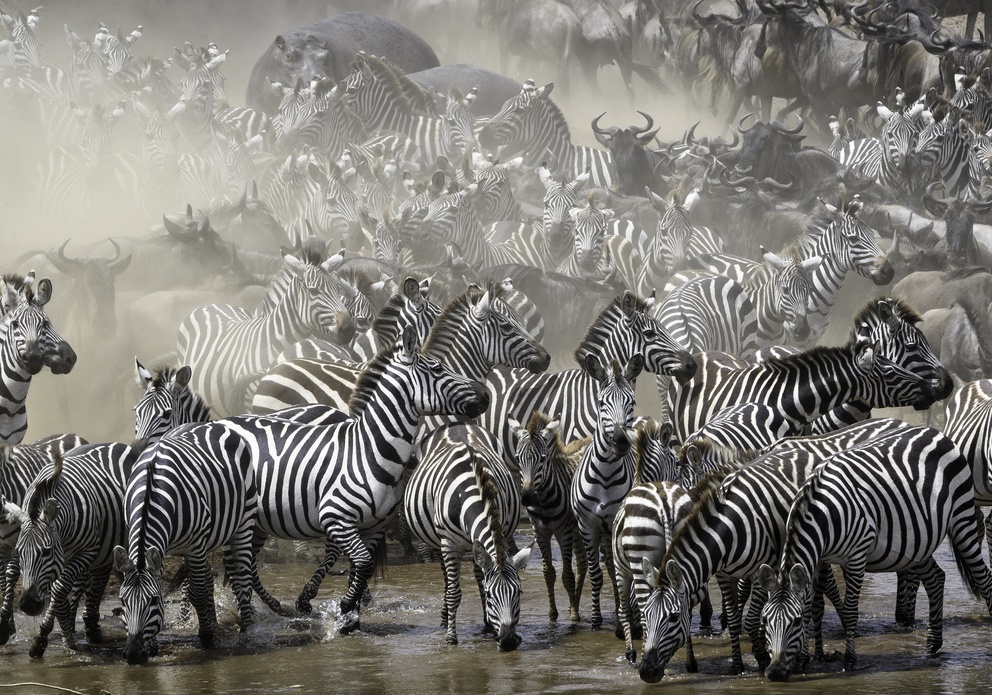
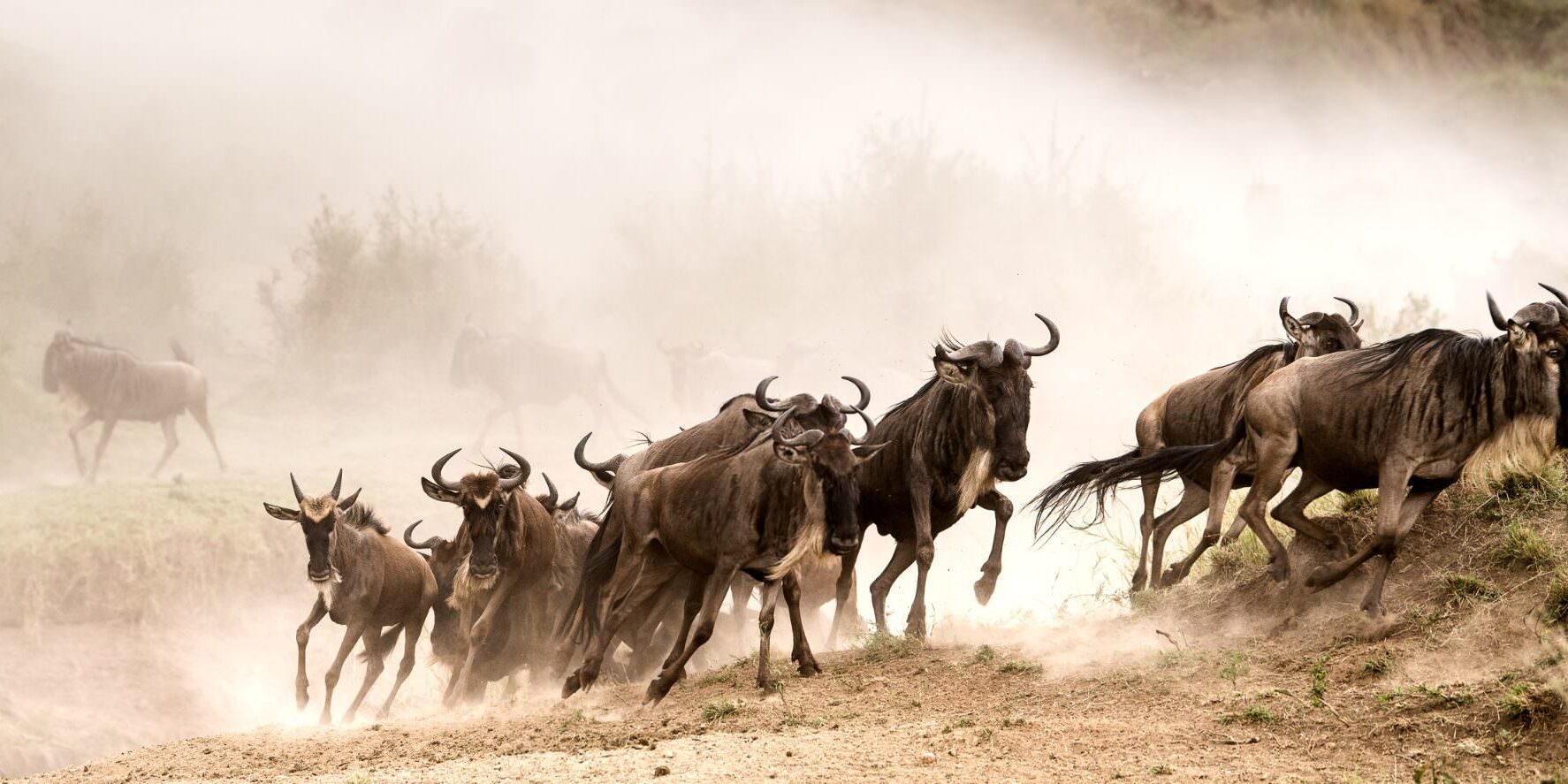
Ask most travellers to picture a safari, and they’re usually picturing the Masai Mara without realising it. Open, rolling grassland that runs to the horizon, resident prides of lions, and, for part of the year, the sight that put this reserve on every wish list: hundreds of thousands of wildebeest crossing the Mara River in a single, chaotic push.
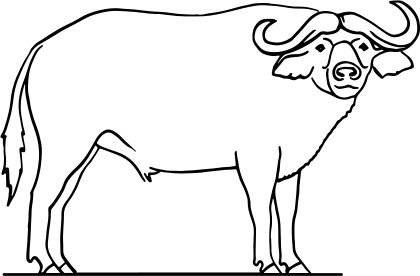
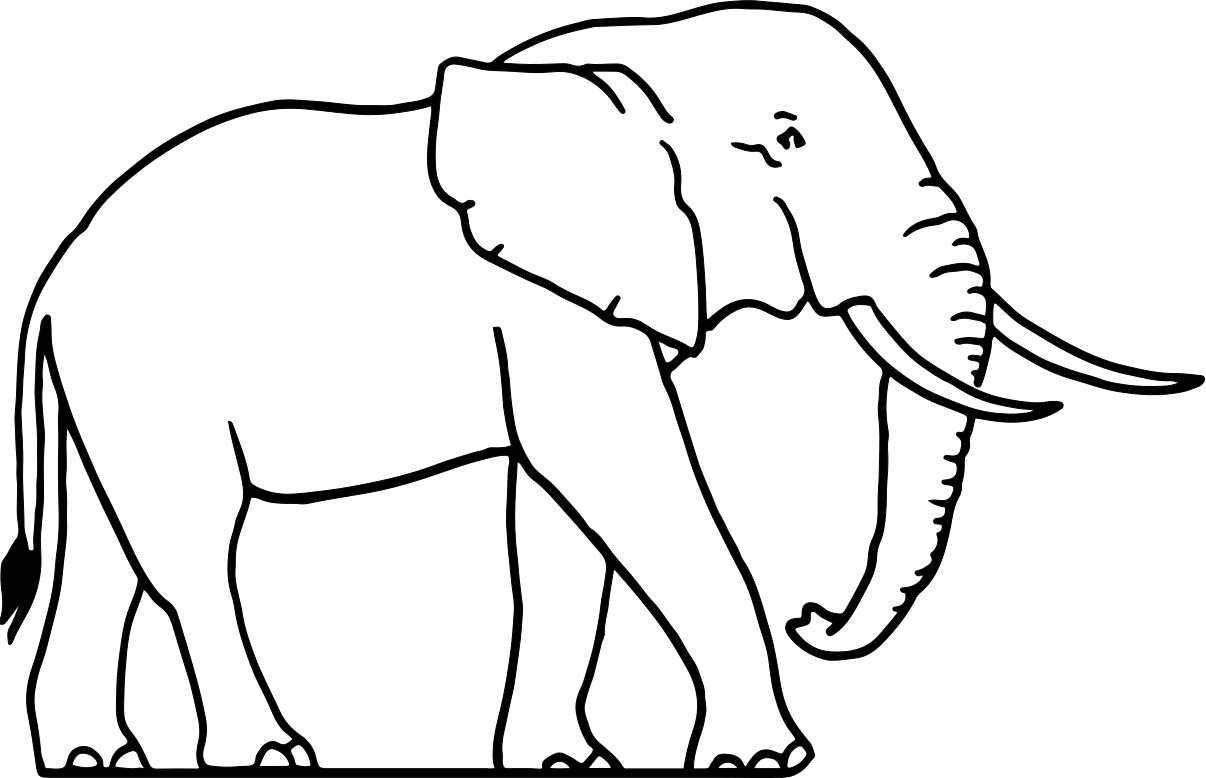
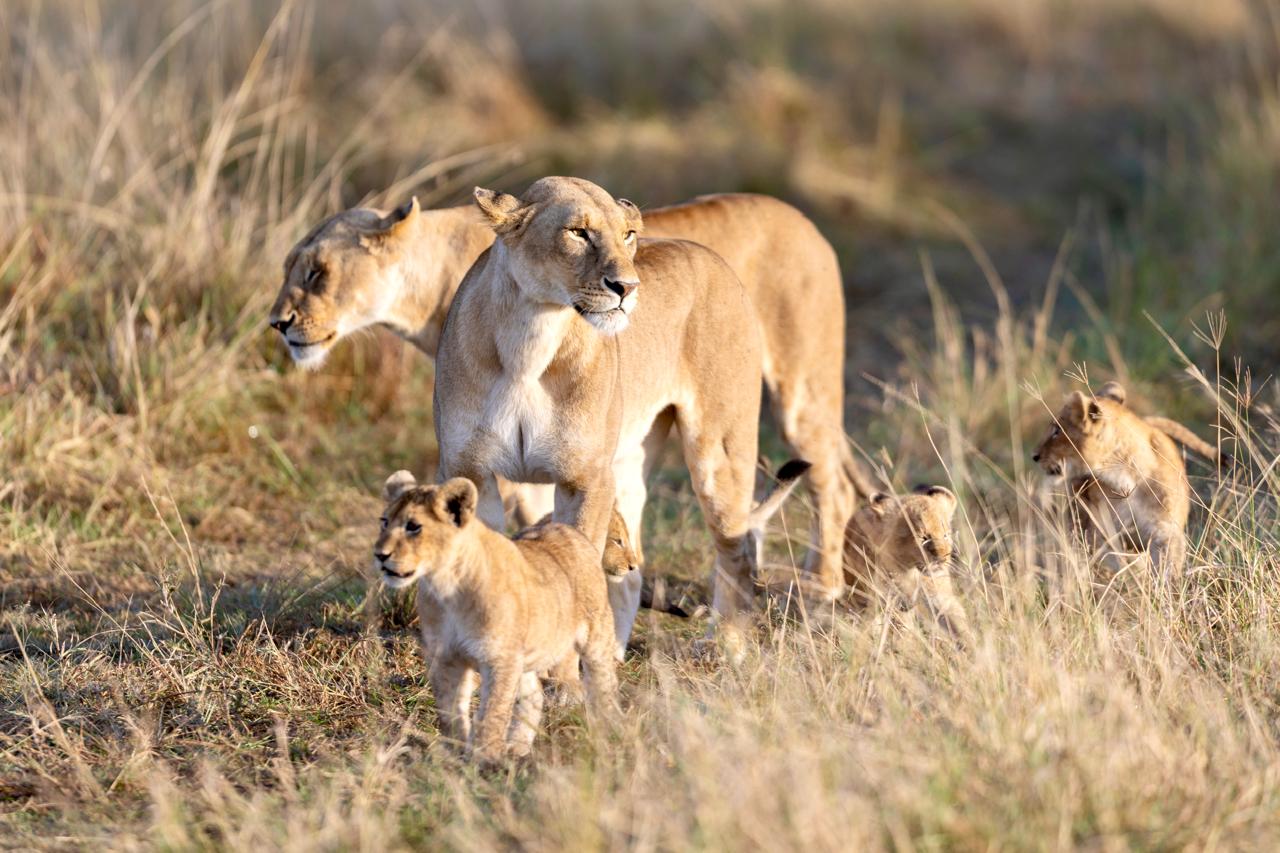
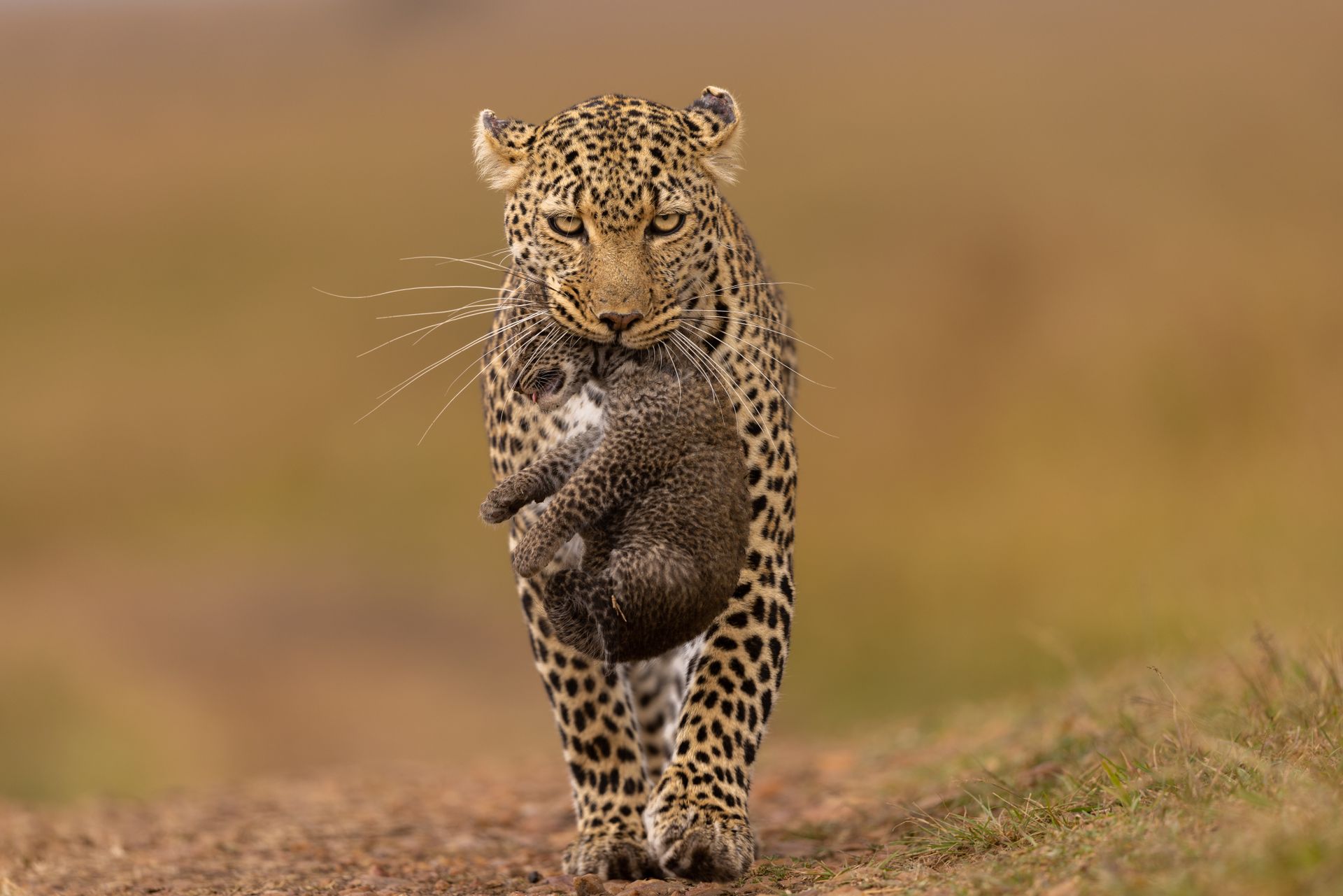
A Masai Mara safari works year-round, not just during the migration. The reserve holds strong resident populations of lion, leopard, elephant and buffalo whether the herds are here or not, which is part of why it remains Kenya’s most consistently rewarding game-viewing destination. What changes with the season is the scale of the spectacle, not whether there’s something worth seeing.
The reserve itself splits roughly into the busier eastern and central sectors and the quieter Mara Triangle in the west, plus a ring of private conservancies on its northern and eastern borders. Which sector suits your trip depends on how much you want to trade a slightly higher chance of a big sighting against noticeably fewer vehicles around it, exactly the kind of decision we work through with you before anything is booked.

The Masai Mara earns its reputation honestly. It isn’t the biggest reserve in East Africa, but it may be the most reliable: a compact enough area that a good guide can move between sightings quickly, with a density of resident predators that few other reserves can match year-round.
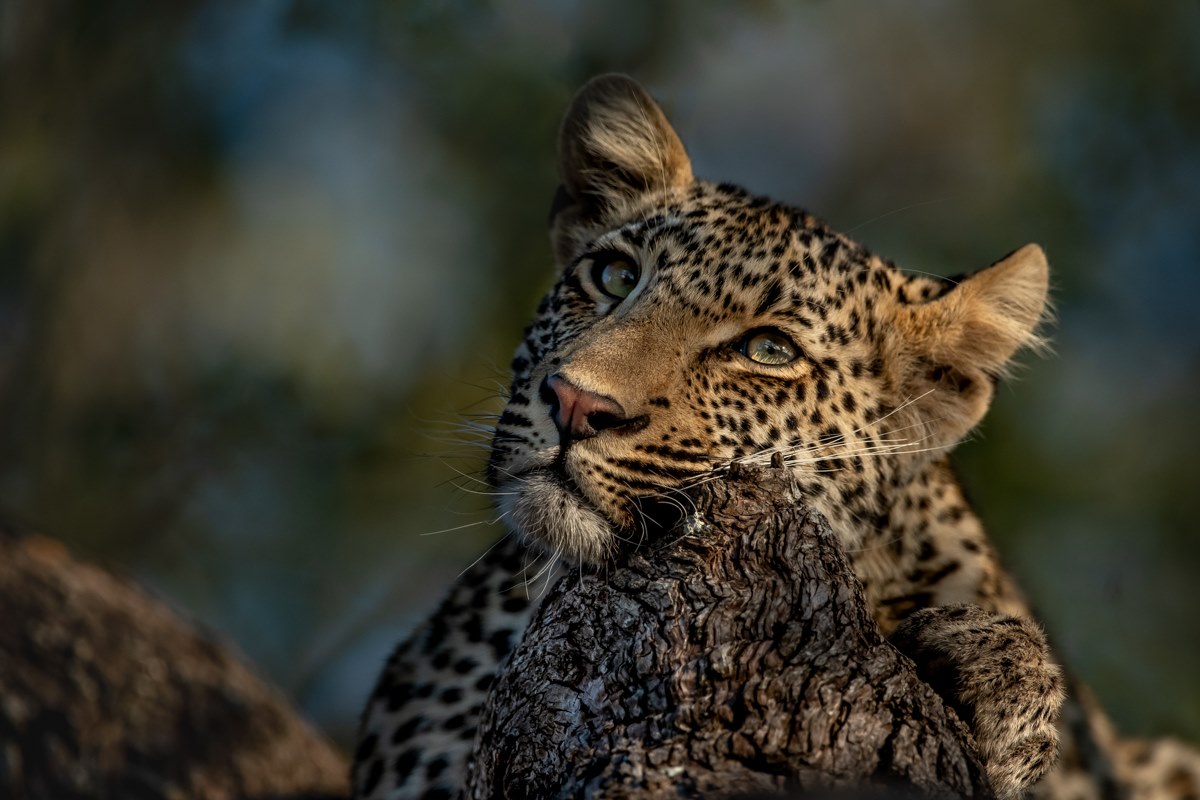
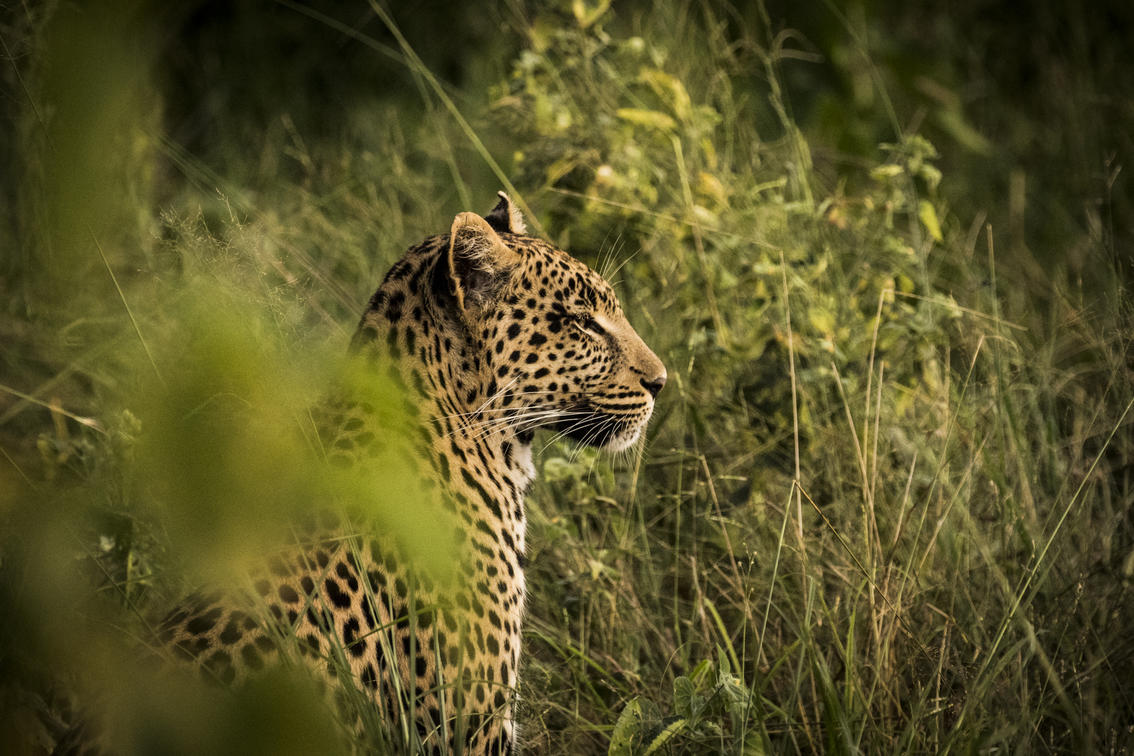
Strong year-round populations of lion and leopard, so a Masai Mara safari delivers even outside the July to October migration window.
Smaller and denser than the Serengeti to its south, which means less driving between sightings and more time actually watching wildlife.
Community conservancies bordering the reserve offer lower vehicle density, night drives and walking safaris, none of which are permitted inside the reserve itself.
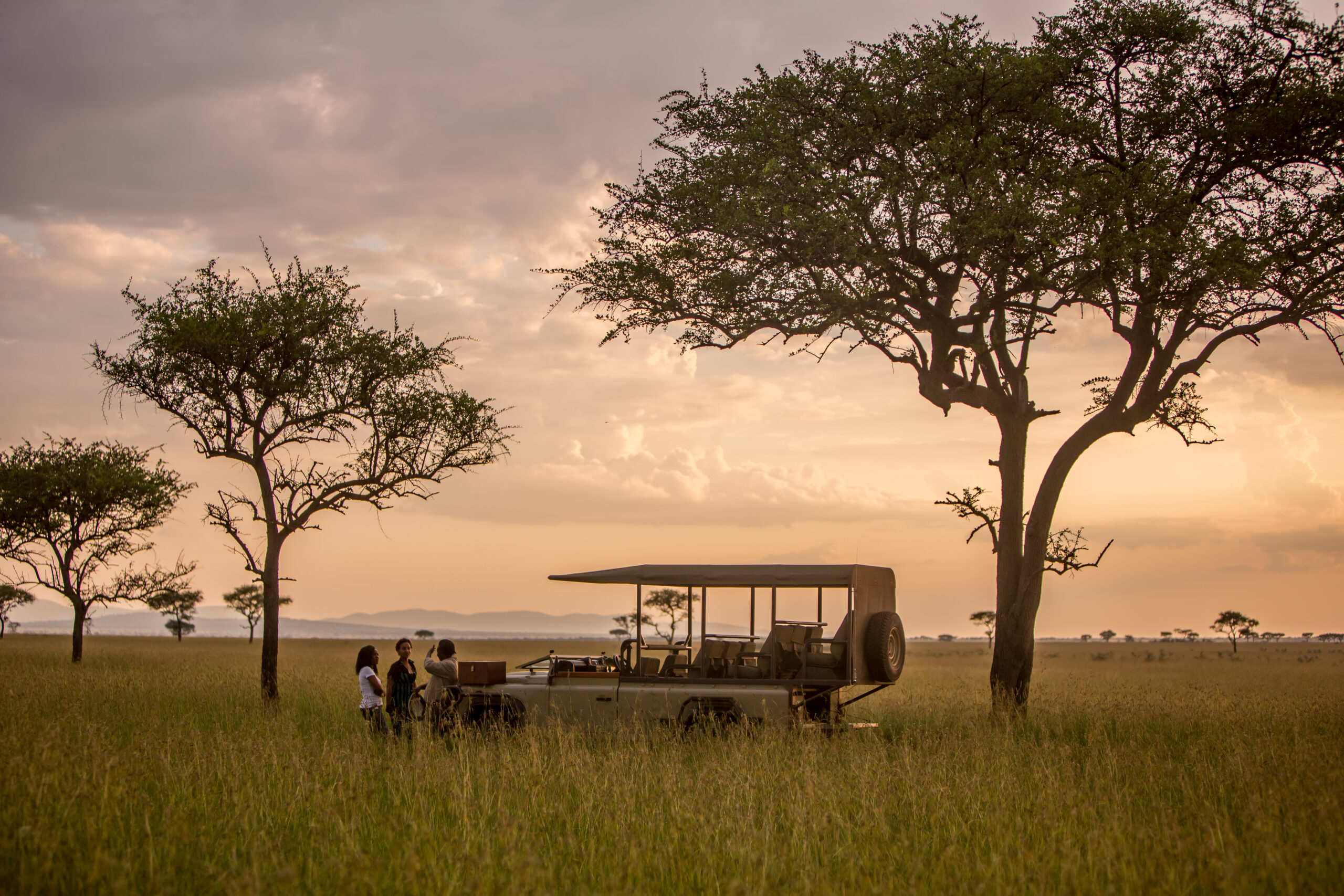
Balloon safaris at dawn, river crossings, and open plains built for exactly the kind of light photographers plan entire trips around.
What past travellers have consistently seen on a Masai Mara safari, in and out of migration season.
Intimate Wildlife Encounters inside Kenya's Wildlife Crown Jewel
A few of our Masai Mara safari packages, adjusted to your dates, pace and camp choice before anything is confirmed
Most Masai Mara safari itineraries fly in rather than drive, though the road route is well used too.
Best months

The reserve itself is government-managed, but much of what protects wildlife here happens just outside its formal boundary, in the community conservancies that ring it on the north and east.
Community conservancies bordering the reserve lease land from individual Maasai landowners, funded by tourism bed-night fees, giving families a direct financial stake in keeping that land as wildlife habitat rather than converting it to farming or fenced grazing.
The reserve's western sector is managed by a not-for-profit conservancy trust that reinvests park entry fees directly into ranger patrols, road maintenance and anti-poaching operations within that sector.
A per-night conservation fee on conservancy stays funds wildlife rangers working the community land outside the reserve's own boundary, land that has no government ranger presence of its own.
Many conservancies operate rotational grazing agreements with Maasai cattle owners, a working model that keeps traditional livestock keeping and wildlife habitat coexisting on the same land rather than competing for it.
July through October is peak season, when the wildebeest migration crosses the Mara River, the single biggest draw for most first-time visitors. Outside that window, resident lion, leopard, elephant and buffalo populations remain strong year round, so a Masai Mara safari is genuinely worthwhile in any month, the difference is scale, not whether there’s something to see.
It depends on the season, how many nights, and whether you stay inside the reserve or on a private conservancy, so there isn’t one number that fits every trip. Conservancy stays typically run higher per night but include night drives and walking safaris the reserve itself doesn’t permit. Tell us your dates and priorities and we’ll put together a tailored quote rather than a generic estimate.
Inside the reserve gives you the highest concentration of wildlife and, during migration season, the closest access to river crossing points. A conservancy trades a small amount of that density for a lower vehicle-to-sighting ratio, plus activities like night drives and guided walks that aren’t allowed inside the reserve itself. Many of our Masai Mara safari packages combine a few nights in each.
Three nights is enough to see the reserve properly and account for one quiet game-drive session without feeling rushed. Most of our Masai Mara safari packages run three to four nights here, often paired with another region or a beach extension either side.
Yes, it’s one of the most flexible reserves on the continent to build around. Common pairings include Amboseli or Samburu beforehand, Lake Nakuru or Ol Pejeta on the way in, or a flight straight to the Kenyan or Zanzibar coast afterward.
We build every itinerary around a private vehicle and guide by default, no shared seats or fixed group schedule. It costs more than a shared group safari but means your pace, stops and sightings are entirely your own rather than a compromise across a full vehicle of strangers.
A few questions, then a specialist follows up with real options, no fixed packages, no pressure.
Start planning