Gorilla Trekking
For the Bold

Gorilla Trekking

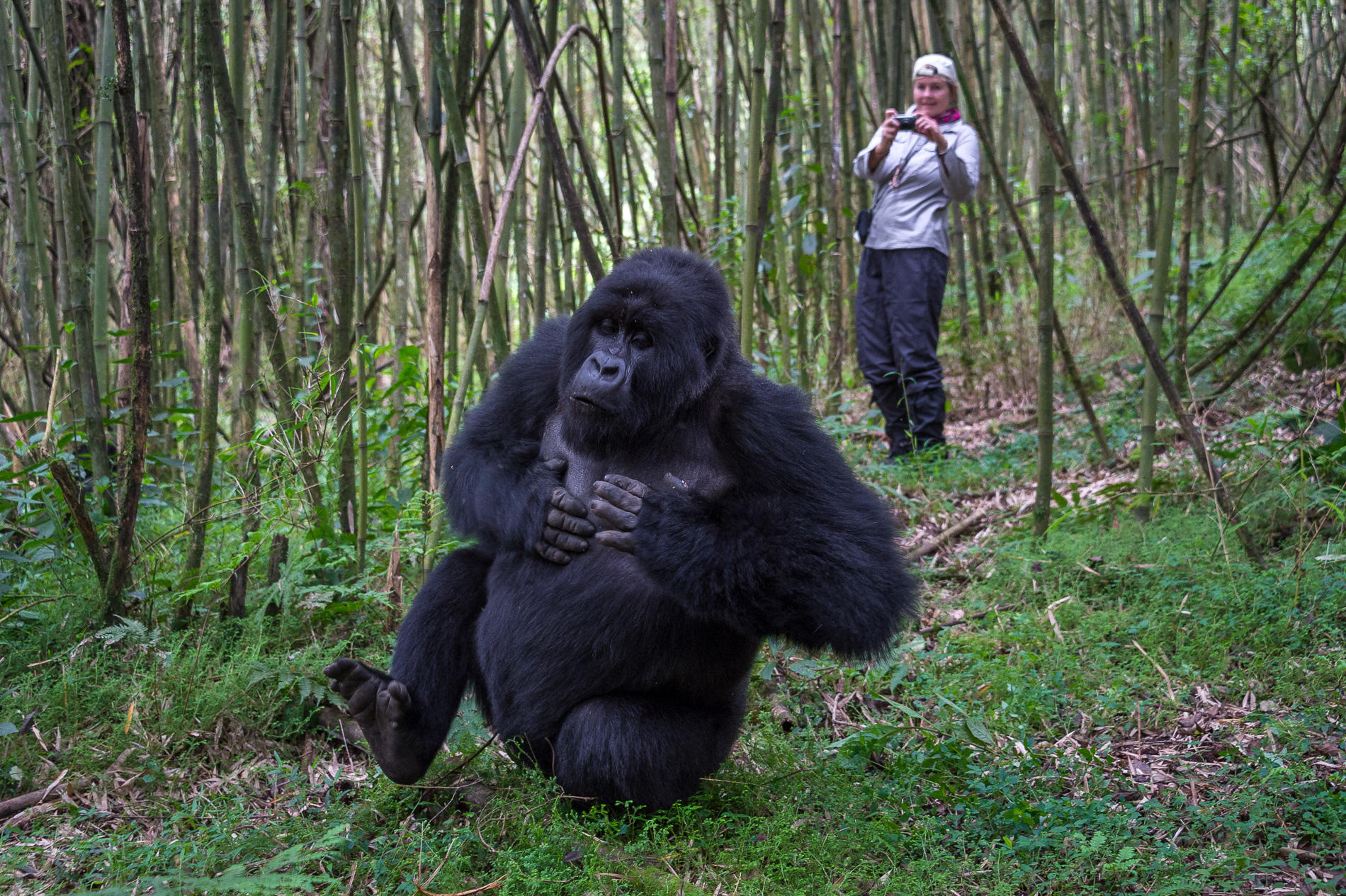
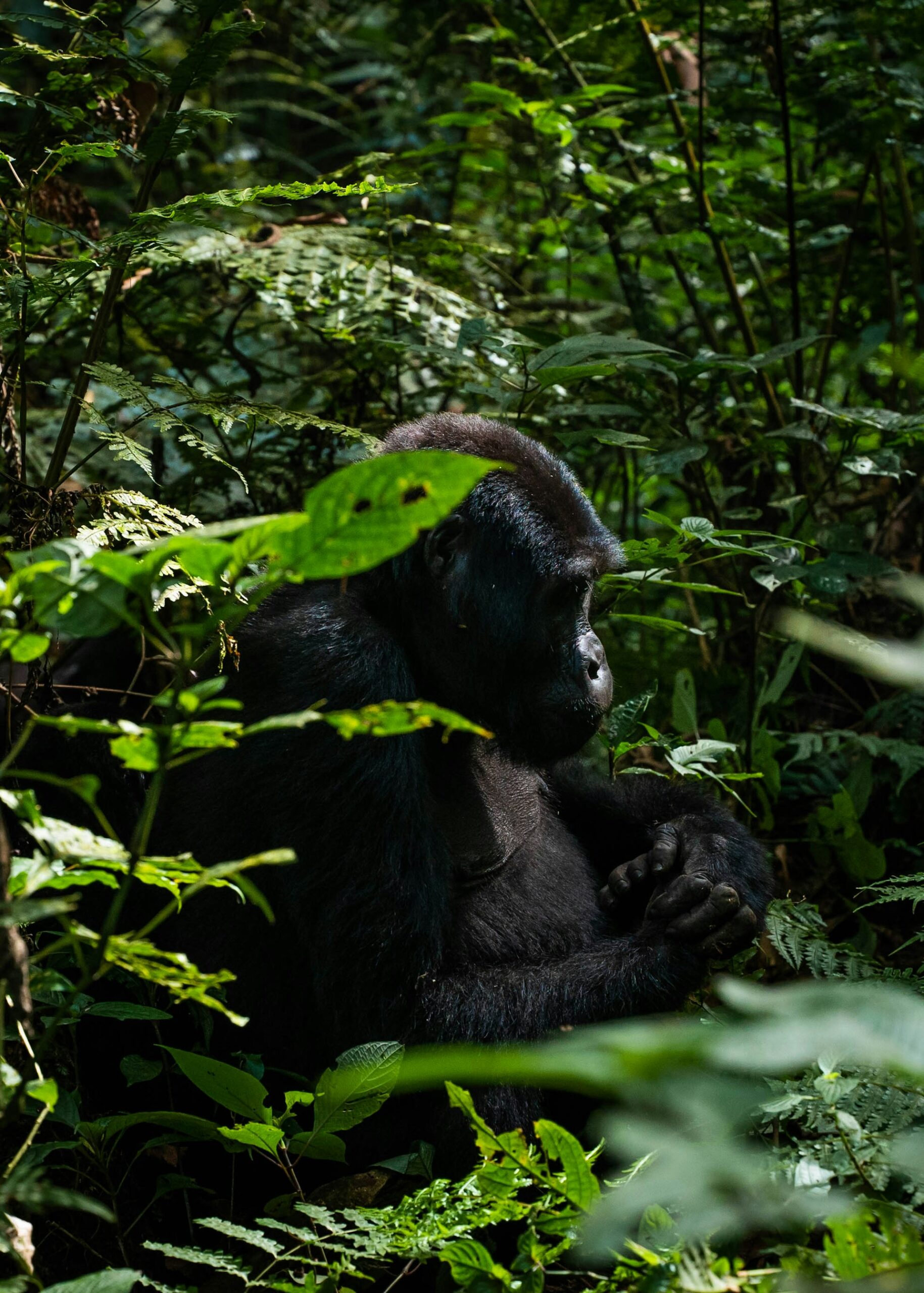
Climb through cloud forest until your legs burn and the trail runs out, then stand three meters from a 200-kilogram silverback who couldn't care less that you're there.

The Wild Doesn't Get More Real Than This

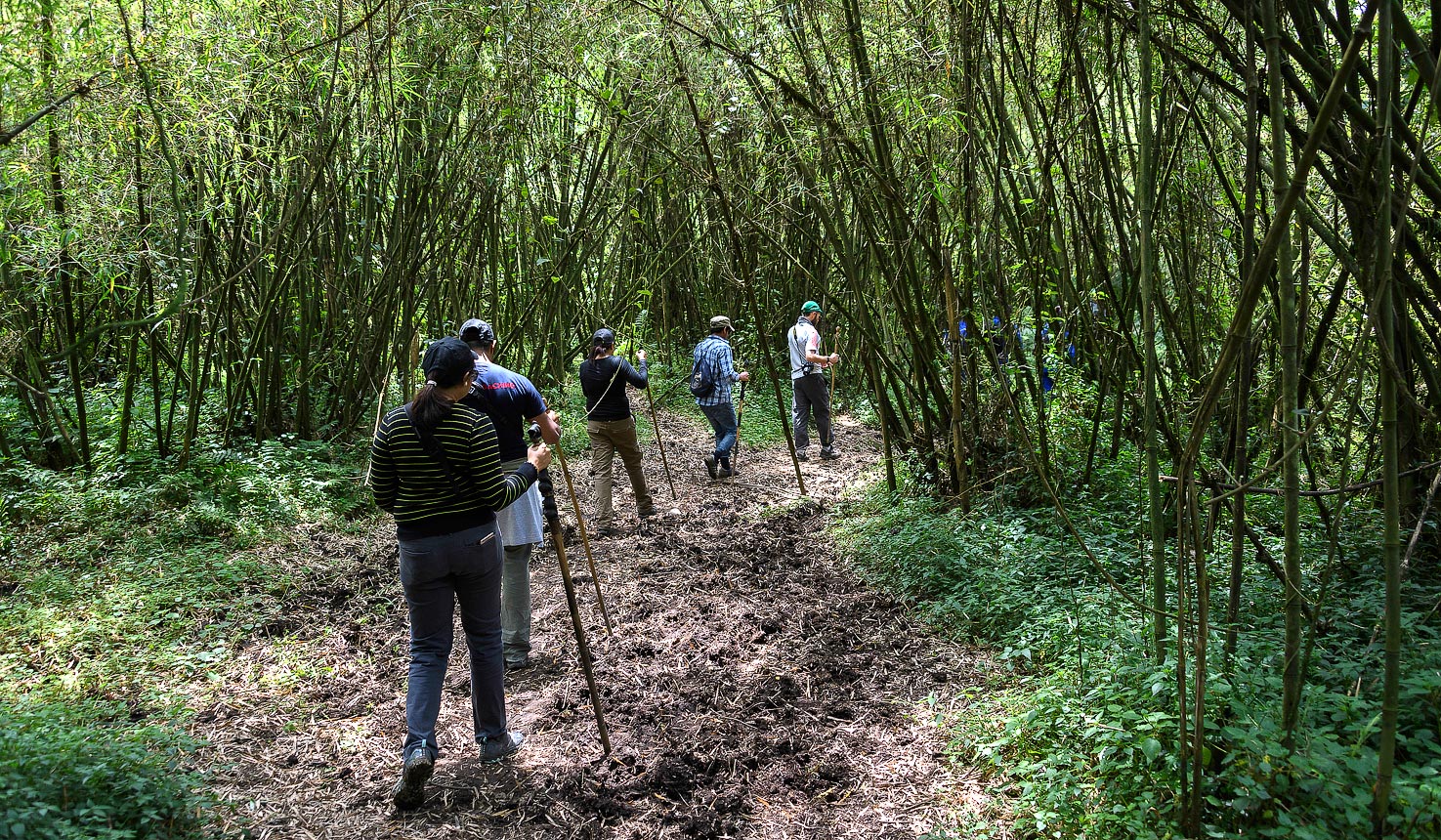
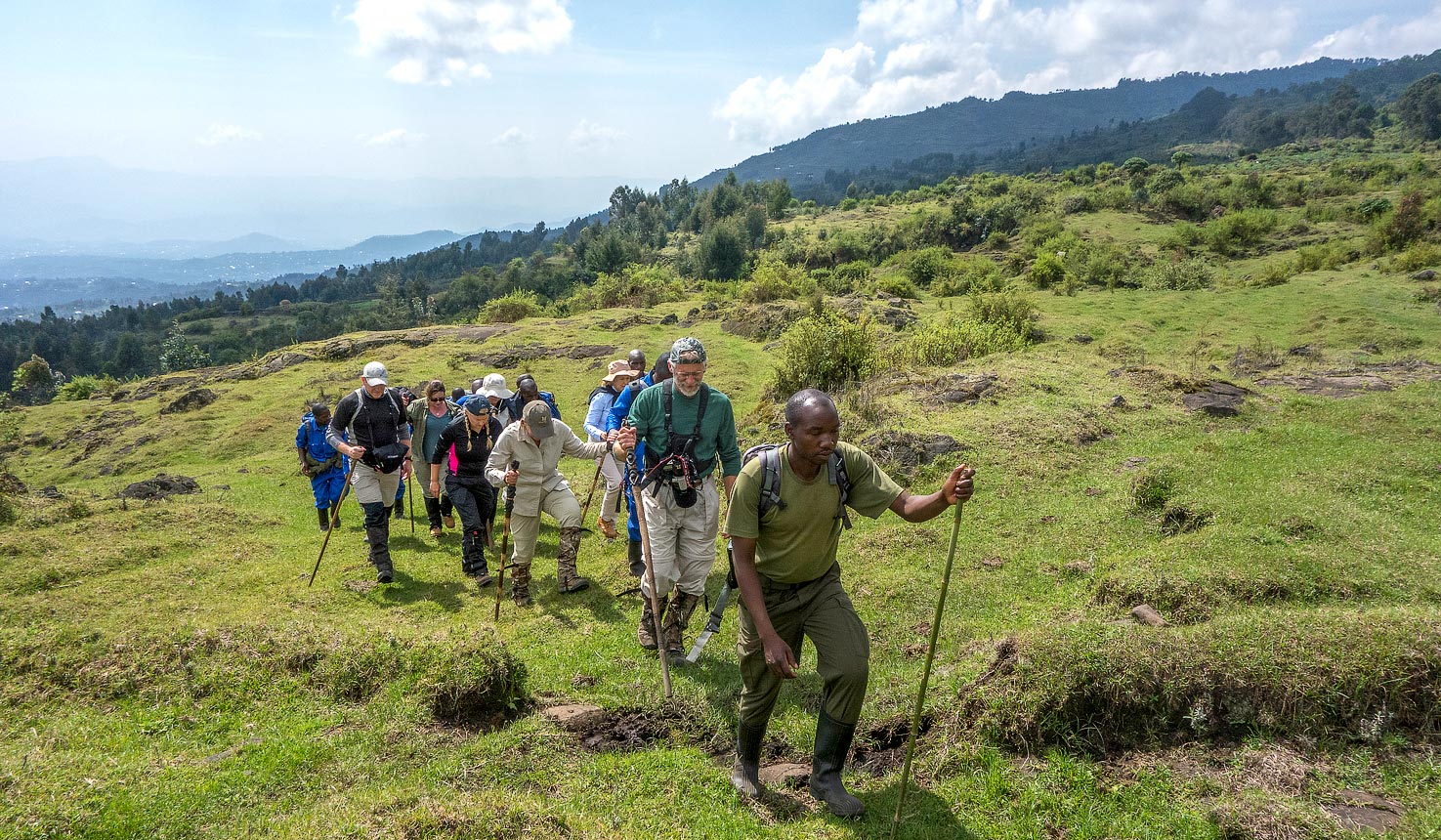
Forget about the vehicle entirely; gorilla trekking is an immersive experience that invites you to explore the rugged beauty of East Africa on foot. You’ll find yourself navigating steep, often slippery trails through the lush and tangled terrain of Uganda’s Bwindi Impenetrable Forest or Rwanda’s Volcanoes National Park. Accompanying you are experienced trackers who expertly decipher the forest’s clues—broken stems, fresh dung, and the subtle signs of wildlife—as if reading a complex map. The journey to find these magnificent creatures is unpredictable; it could take as little as two hours or stretch to seven, and the uncertainty of this pursuit is a significant part of the adventure.

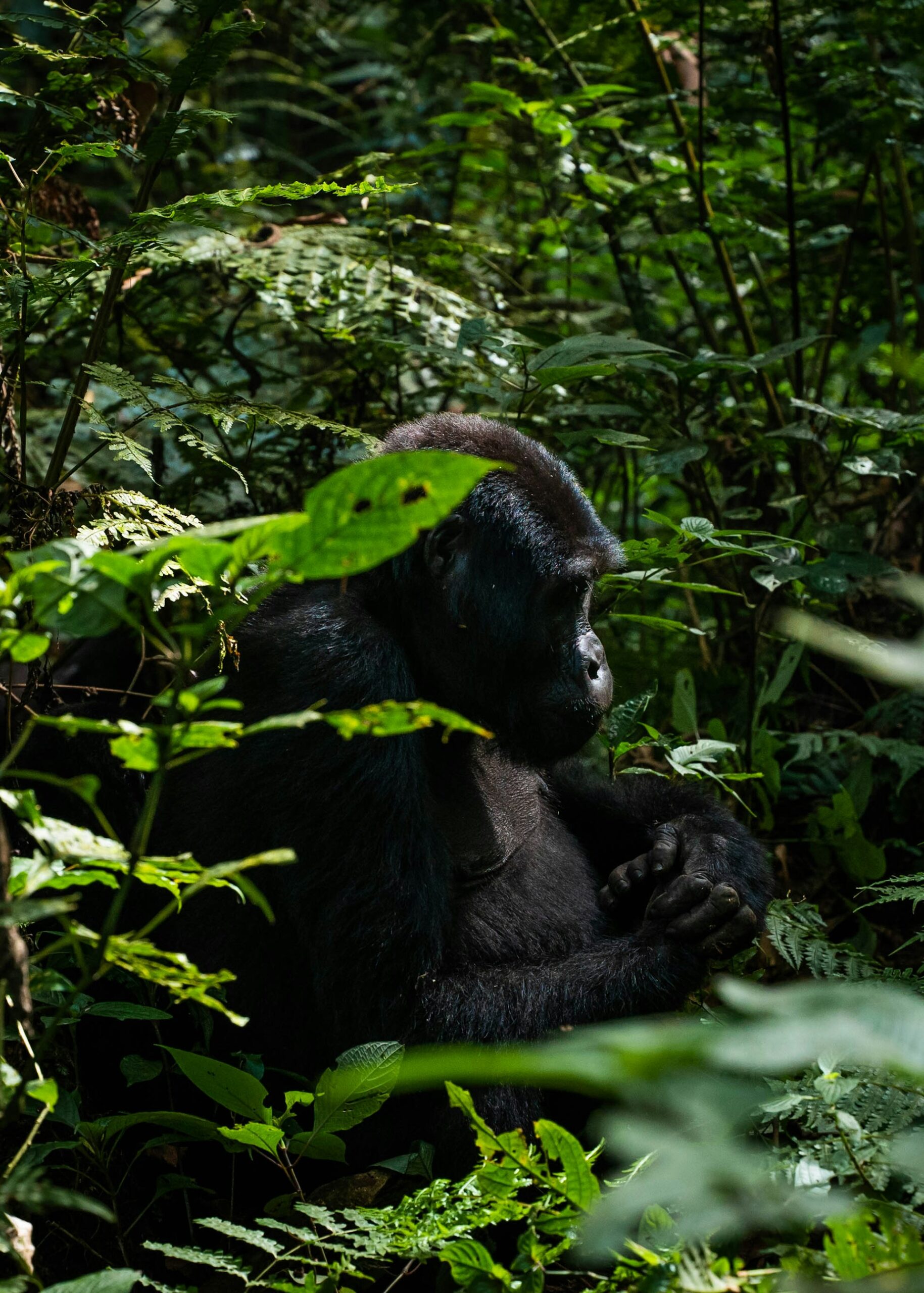
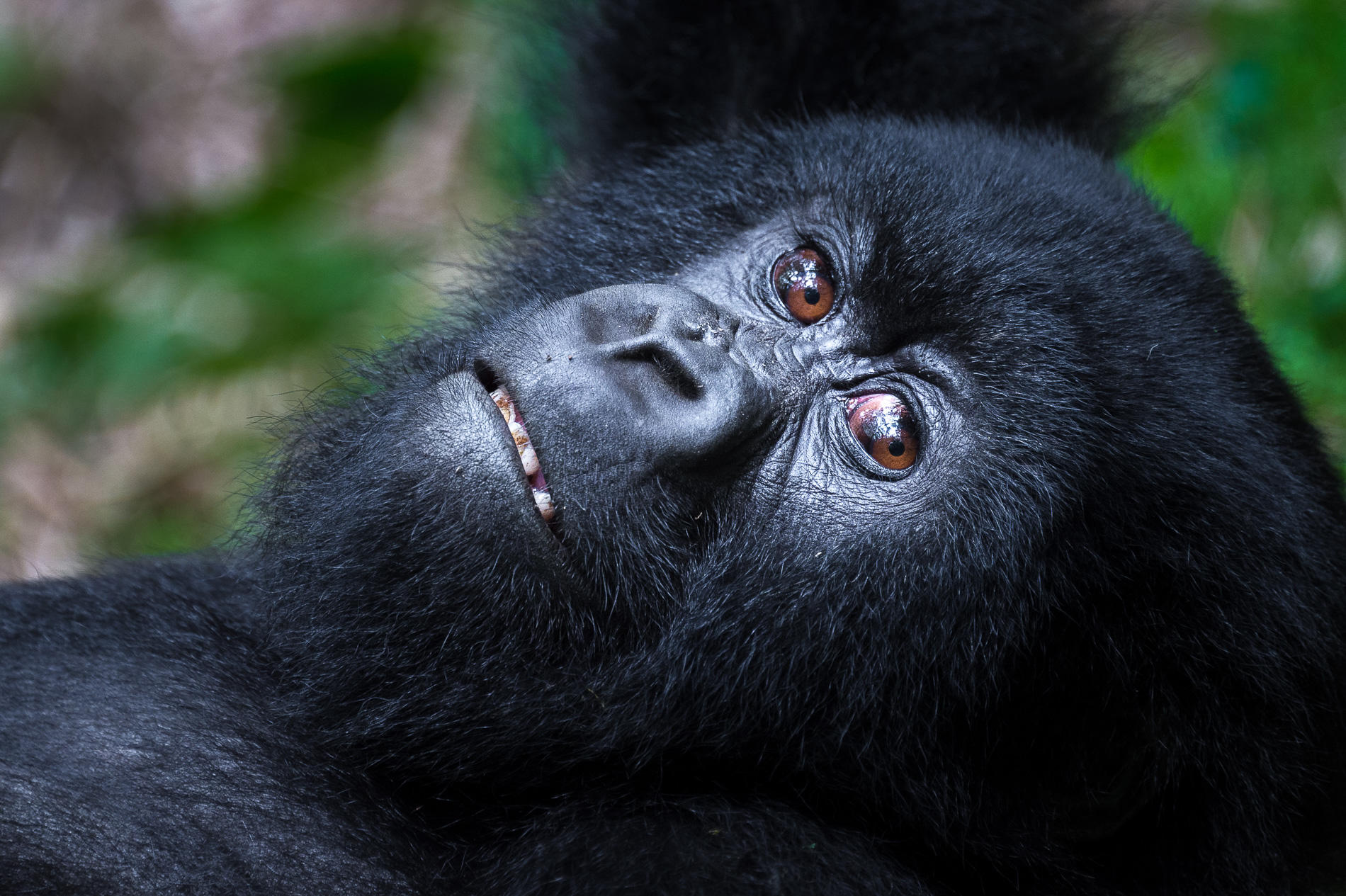
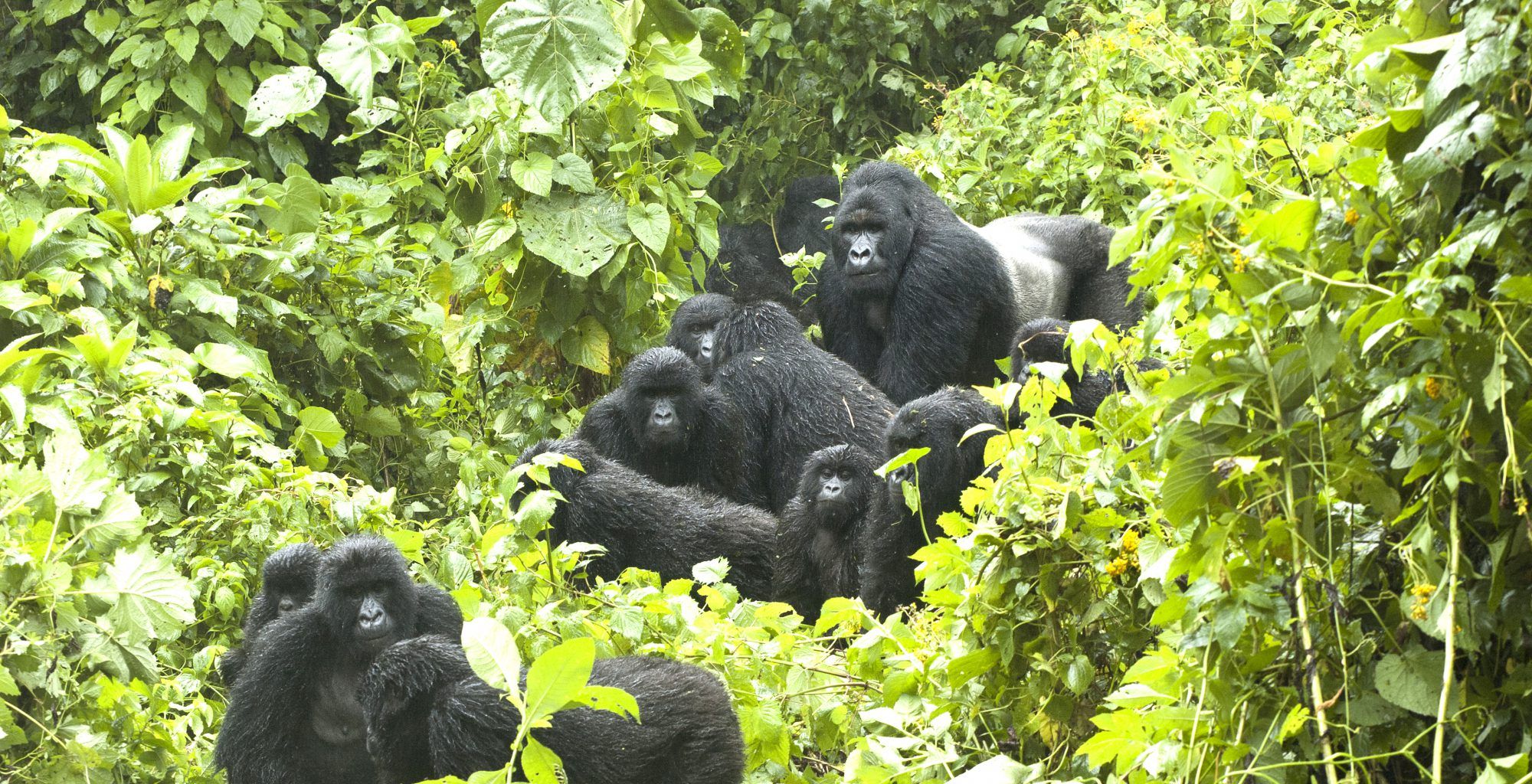
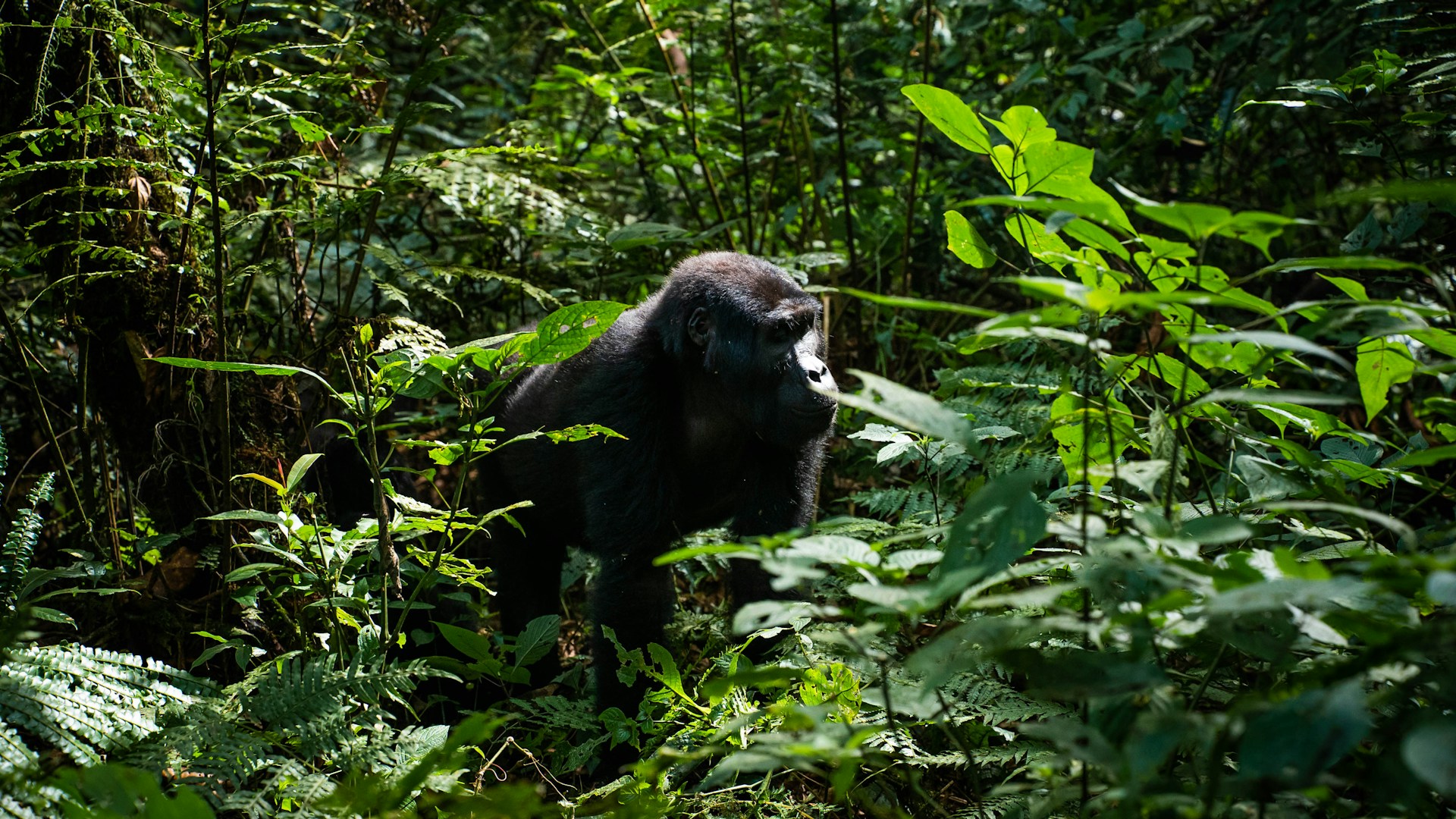
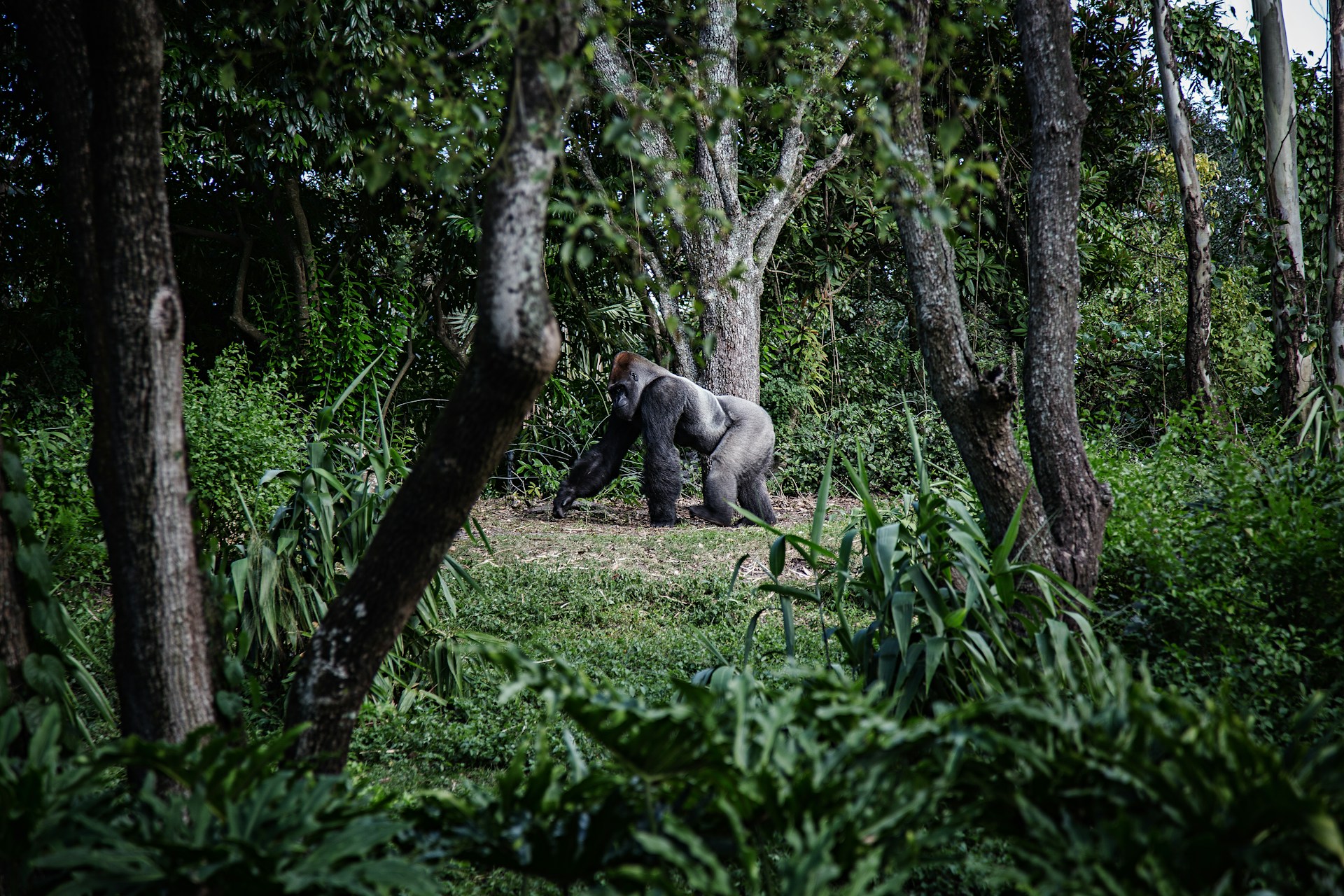
When the moment arrives, it happens swiftly. You may witness a rustle in the underbrush, then hear the sharp intake of breath from the tracker next to you, their hand signalling you to pause. And then, there they are: a family of mountain gorillas, with the imposing silverback often emerging first. His gaze meets yours, a mix of curiosity and indifference that feels more profound than any display of aggression. The experience is raw and real, filling you with a mixture of awe and respect. You are afforded only one hour with them, but it’s an hour that can feel timeless. There will be moments when you instinctively set your camera aside, allowing yourself the rare privilege of simply observing these magnificent creatures in their natural habitat, a memory etched into your mind for a lifetime.

We design this experience as an enriching extension to your Kenyan or Tanzanian safari, not as a replacement for those iconic landscapes. Since gorillas are not found grazing the open savannah, your journey will require crossing into Uganda or Rwanda for a few days of profound exploration, either before or after your main safari adventure. When executed thoughtfully, this trek can turn a great safari into an unforgettable journey, one that you will recount to friends and family for years to come. On one side, you’ll have the vast open plains filled with majestic big cats, and on the other, thick rainforest teeming with life, offering one of the most humbling and heart-stirring wildlife encounters in all of Africa.

The Wild Doesn't Get More Real Than This
Why this style

This One Asks Something of You

Four reasons the effort is the point, not a problem to solve around.

I

Earned, Not Handed to You

There's no game-drive version of this. You climb, you sweat, sometimes you slip, and the payoff means more because you worked for every meter of it.

II

Eye to Eye With a Wild Giant

No glass, no vehicle door between you. Just forest air and a silverback close enough that you notice him breathing.

III

Permits Are Capped on Purpose

maximum of eight trekkers per gorilla family, per day, full stop. That's not a luxury upsell, it's how the species survives contact with people at all, and it's why your hour with them is never shared with a crowd.

IV

Savanna by Day, Rainforest by Dawn

Add this to a Kenya or Tanzania safari and you get two completely different Africas in one trip: open horizon and big cats, then cold mountain air and dense, ancient forest.

Starting points

Gorilla Trekking

Built around your fitness and how much forest you want, then paired with the Kenya or Tanzania leg of your choice.

What You're In For

The Moments That Actually Stick

The Final Ten Meters

The Final Ten Meters

The point on the trail where your tracker stops talking, points into the leaves, and every conversation in the group dies at once.

An Hour That Never Feels Long Enough

An Hour That Never Feels Long Enough

Sixty regulated minutes with a habituated family, rangers close by, no rush, no script, just watching them ignore you completely.

Porter-Supported Climbs

Porter-Supported Climbs

Hire a local porter for the trek. Part of what you pay goes straight into the community around the park, and it makes the steep sections a lot more manageable.

A Camp at the Forest's Edge

A Camp at the Forest's Edge

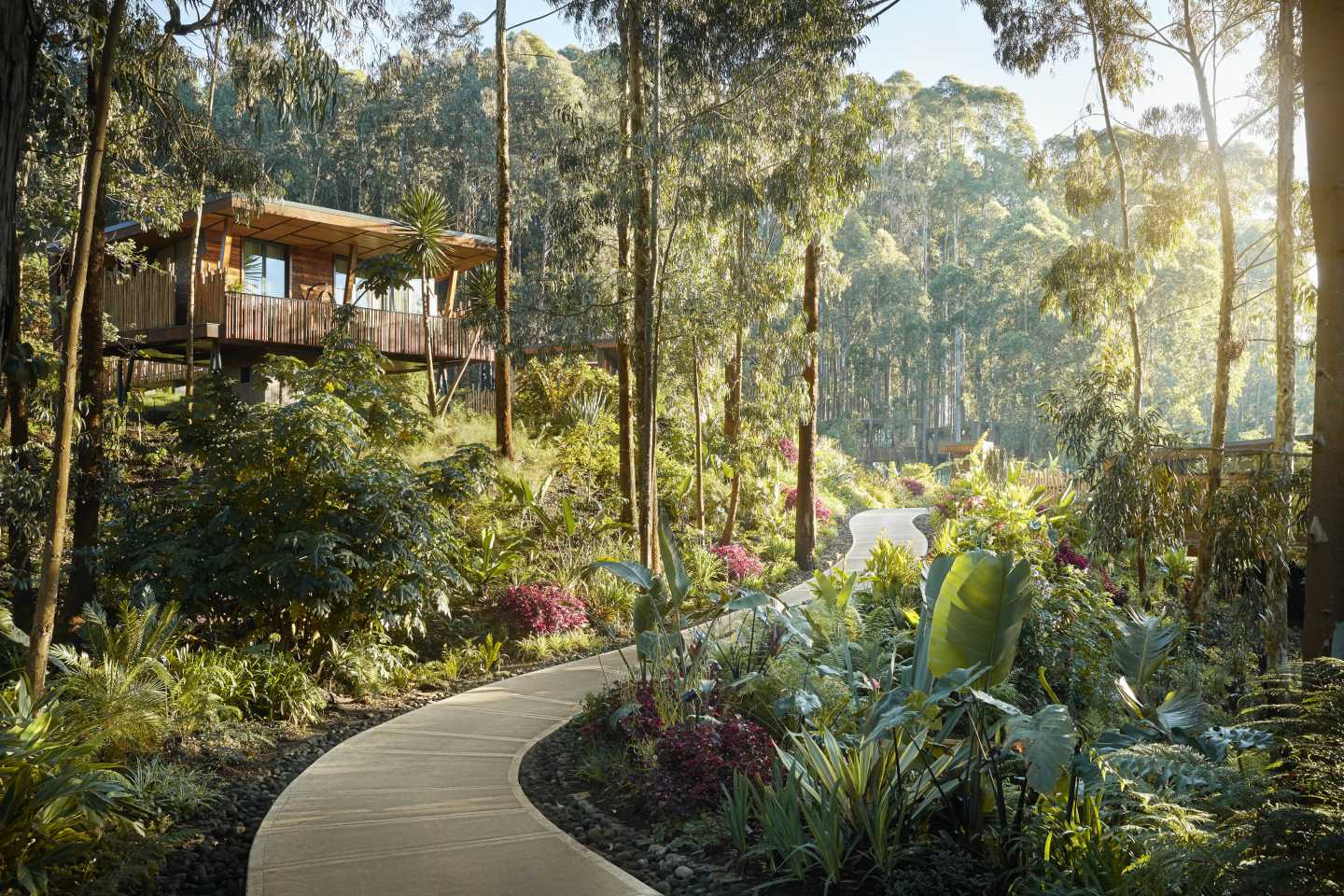
Cold mountain air, a fire pit, and dense forest starting right where the camp ends. A different kind of quiet than anything on the savanna.

Trackers Who Read the Forest Floor

Trackers Who Read the Forest Floor

Guides who find a gorilla family every single morning by following broken branches, feeding trails and fresh dung, long before you'd ever spot anything yourself.

JAN FEB MAR APR MAY JUN JUL AUG SEP OCT NOV DEC
Also worth considering   October and November bring short rains and a genuine chance of drier spells between showers, with far fewer trekkers on the trail than either dry-season peak.
Seasonal guide

The Best Time for Gorilla Trekking

Gorilla trekking runs year-round, permits allowing. What actually changes season to season is how hard the trail fights back.

  • Peak Dry Trekking JUN–SEP

    Firmer trails and the easiest hiking conditions of the year. It's also the most popular window, so permits and camps book out early, sometimes months ahead.

  • Short Dry Window DEC–FEB

    A second, shorter stretch of drier weather. Trekking conditions stay favorable while the trail sees noticeably fewer people than the mid-year peak.

  • Green Season Challenge MAR–MAY

    The forest turns properly lush, and the trail turns properly muddy. Steeper, slower, tougher going, but permits are easier to secure and rates drop, which suits trekkers who want it wilder anyway.

Make It Yours

Tell us your fitness level and how much forest you actually want, and we'll build the trek around it: which park, how many trekking days, how it slots against your Kenya or Tanzania safari dates.

Some trekkers want one permit and one unforgettable hour. Others want back-to-back days with different gorilla families. Both are valid, we just need to know which one you are.

Start Planning My Trek
Two Decades in East Africa

Guided by People Who've Done the Climb Themselves

20 years of tailor-made safaris across East Africa
Tripadvisor Travelers' Choice, 2023 · 2024 · 2025 · 2026
20++ Years on the ground
Gorilla Trekking Questions Answered
Common questions

Gorilla Trekking Questions Answered

No. Mountain gorillas live in Bwindi Impenetrable National Park and Mgahinga Gorilla National Park in Uganda, and in Volcanoes National Park in Rwanda, not in Kenya or Tanzania. We build gorilla trekking as an extension to your Kenya or Tanzania safari, meaning a few extra days crossing into Uganda or Rwanda before or after the main trip.

It varies trek to trek. Trails are steep, often muddy, and altitude adds to the effort. Some groups reach a gorilla family in under two hours, others trek for six or seven. Porters are available and genuinely help on the steeper sections, and trackers set the pace to the group’s ability.

You don’t need to be an athlete, but you do need a reasonable baseline of fitness and the mindset to keep going on an unpredictable, sometimes steep trail. If you can comfortably hike for a few hours on uneven ground, you can do this.

As of 2026, a gorilla trekking permit costs around 800 US dollars per person in Uganda and around 1,500 US dollars per person in Rwanda, set by the Uganda Wildlife Authority and Rwanda Development Board, respectively. The fee funds park conservation and anti-poaching efforts and caps each gorilla family at eight visitors a day, which is why the encounter stays intimate instead of crowded. Permit prices are set by each country’s wildlife authority and do change, so we always confirm current rates when we build your itinerary.

Yes, and most of our trekkers do exactly that. We typically build it as a few added days either at the start or end of a Kenya or Tanzania safari, so you get open savanna and predator sightings on one side of the trip and dense montane forest on the other.

Once trackers locate a habituated family, a maximum of eight visitors get sixty minutes with them, accompanied by an armed ranger and guide for safety and to help interpret behavior. You keep a respectful distance, follow the guide’s instructions, and mostly just watch. Photography is allowed, flash generally isn’t.

Ready when you are

Let's plan your gorilla trekking

A few questions, then a specialist follows up with real options, no fixed packages, no pressure.

Start planning