
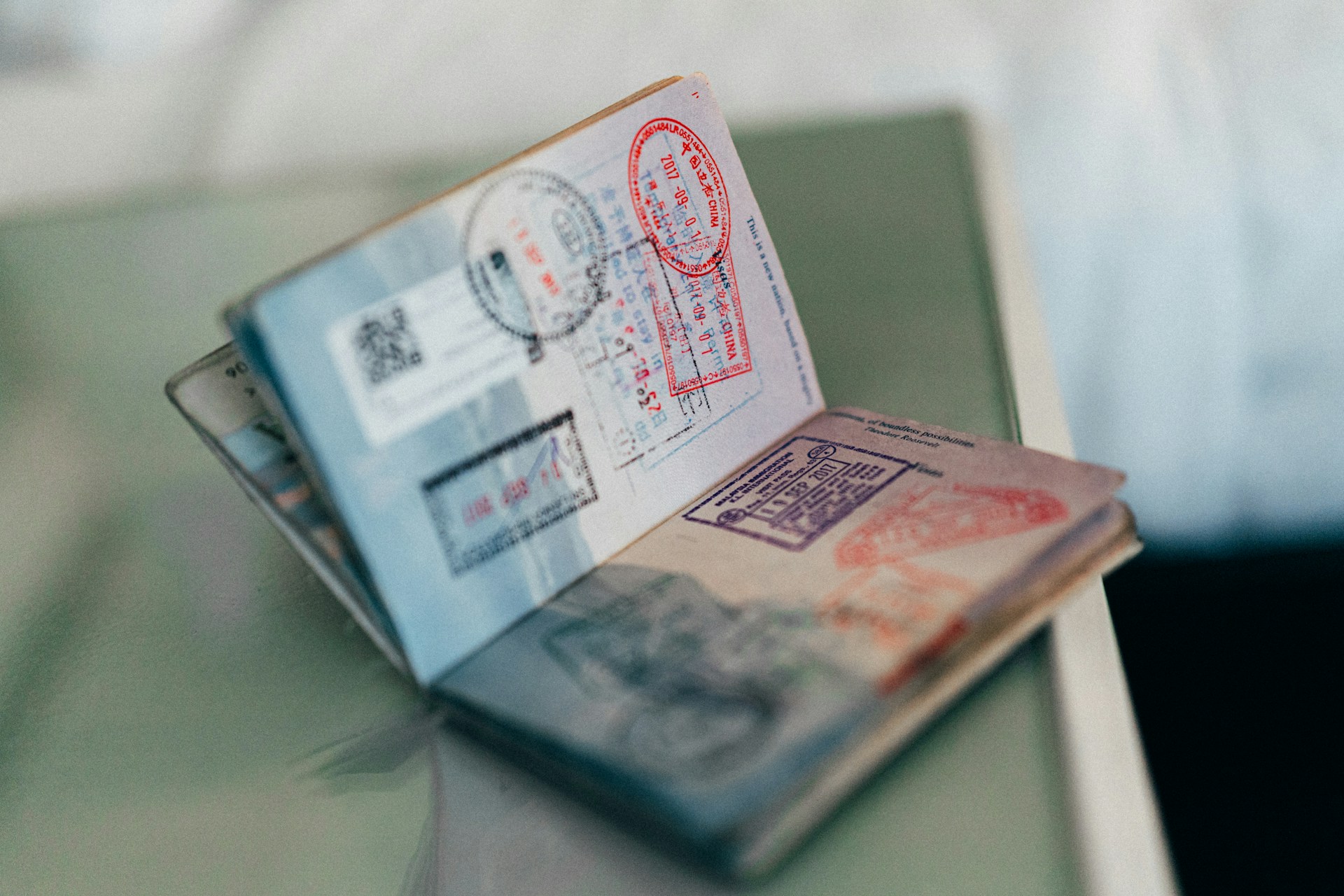
Most visitors need separate entry documents for Kenya and Tanzania, since the two countries run different systems. Kenya has replaced its old visa system with an online Electronic Travel Authorization, the eTA, applied for at the official portal etakenya.go.ke, currently costing in the region of $30 to $51 depending on entry type, valid for stays of up to 90 days. Tanzania still runs a conventional eVisa, applied for at visa.immigration.go.tz, costing $50 for most nationalities and $100 for US citizens, also valid for 90 days. Because the fees and portals both change from time to time, always confirm current pricing on the official site before applying.
Before applying for either, make sure your passport and documents are in order. The exact process depends on your nationality, though most visitors from the USA, UK, EU, Australia and New Zealand follow the same route for both countries. This guide breaks down what each country requires and how to apply for both when you are combining a Kenya and Tanzania trip.
Passport Requirements
Both Kenya and Tanzania require that your passport be valid for at least six months beyond your arrival date and have at least one blank page for the entry stamp. If you plan to visit both countries on one trip, it is advisable to carry four to six blank pages in total. This is because each country provides separate stamps, and the amendment pages at the back of a US passport do not count toward the required total.
Do I Need a Visa or eTA to Enter Kenya?
Since January 2024, Kenya no longer issues a traditional visa or a visa on arrival. Every visitor, including infants and children, must hold an approved eTA before boarding their flight. Citizens of most African countries are exempt and can enter visa-free for up to 60 days, though this exemption does not extend to visitors from the USA, UK, EU, Australia or New Zealand.
- Apply online at the official portal, etakenya.go.ke
- Cost runs approximately $30 for a basic single entry authorization, rising to around $51 for single entry and $101 for multiple entry under updated 2026 pricing, so confirm the exact current fee on the official site
- Processing typically takes 24 to 72 hours; apply at least a few days ahead, and up to three months in advance at the earliest
- Valid for stays of up to 90 days per entry
- There is no visa on arrival fallback; an unapproved eTA can mean being denied boarding at your home airport
Do I Need a Visa to Enter Tanzania?
Most visitors, including citizens of the USA, UK, EU, Australia and New Zealand, need a visa to enter Tanzania. The easiest route is the online eVisa, applied for at the official government site, visa.immigration.go.tz.
- Ordinary single-entry tourist visa, $50 for most nationalities, valid up to 90 days
- Multiple entry visa, $100, mandatory for US citizens and available to others who qualify, valid up to 90 days per entry
- Processing usually takes about 10 days, so apply a few weeks ahead of travel, since the 90 day validity runs from the issue date rather than your arrival date
- A visa on arrival is also available at Kilimanjaro, Julius Nyerere and Zanzibar airports, though applying in advance saves queuing, especially in the busy June to October season
What Documents Do You Need?
For Kenya’s eTA:
- A passport valid for at least six months, with a blank page
- A digital passport size photograph
- A scanned copy of your passport’s biodata page
- Confirmed, not tentative, accommodation or tour operator booking details
- Proof of a return or onward flight
For Tanzania’s eVisa:
- A passport valid for at least six months, with a blank page, each supporting image usually under 300 KB
- A digital passport-size photograph on a plain white background
- A scanned copy of your passport’s biodata page
- A copy of your return or onward flight ticket
- Your accommodation details, a hotel booking or your tour operator’s details if travelling on a safari package
Step by Step on How to Apply for Both
The two applications are separate and use different portals, but the process for each follows a similar pattern.
- Go to the official site for each country, etakenya.go.ke for Kenya and visa.immigration.go.tz for Tanzania, and avoid third party sites that charge extra service fees
- Complete your personal, passport and travel details carefully on each portal
- Upload your photograph and supporting documents
- Pay the fee online with a Visa or Mastercard
- Track your status online and receive your approval by email, then print both and pack them in your carry-on
Since Kenya’s eTA processes faster than Tanzania’s eVisa, apply for Tanzania first if your travel dates are tight, then submit the Kenya application closer to departure.
Extending Your Stay
Both eTA and eVisa allow up to 90 days per entry. If you need longer in Kenya, you can apply for an extension at the Department of Immigration Services at Nyayo House in Nairobi before your authorised stay expires. In Tanzania, extensions are handled at immigration offices in Arusha or Dar es Salaam, usually granted for a further 90 days with a cover letter explaining your reason for staying. Overstaying in either country is treated seriously and can lead to fines or a re-entry ban, so apply for any extension before your current authorisation runs out.