What to Pack

Packing

What to Pack

3 min read Updated August 27, 2026

Packing for a safari is less about how much you bring and more about the right things in the right bag. A few real constraints- luggage weight on light aircraft, sudden temperature swings on a game drive, dust- decide most of what actually belongs in your bag, more than any generic packing list does.

What to Wear

Stick to neutral earth tones, khaki, tan, olive and light brown work in every setting and hide dust across a multi-day circuit. A few colours are worth actively avoiding, not for style reasons but practical ones. Tsetse flies, present in parts of the Maasai Mara ecosystem, Tsavo and Samburu, are drawn to dark blue and black, so save the navy for the flight home. White shows dust almost immediately, and its glare can startle wildlife during a sighting; the same goes for bright colours like red or orange, which stand out sharply against dry grass. None of this needs to be complicated; a handful of khaki and olive pieces covers nearly every day of a trip.

Layering for Game Drive Temperature Swings

An early morning game drive can start below 10°C and climb past 30°C by midday, often within the same three hours. A simple three-layer system handles it: a lightweight base layer, a long-sleeved shirt over that, and a fleece or softshell you can peel off as the day warms up. Synthetic or merino fabrics are worth the extra cost over cotton; they dry faster and pack lighter, which matters more than usual given the luggage limit covered below.

The Kit Actually Worth Packing

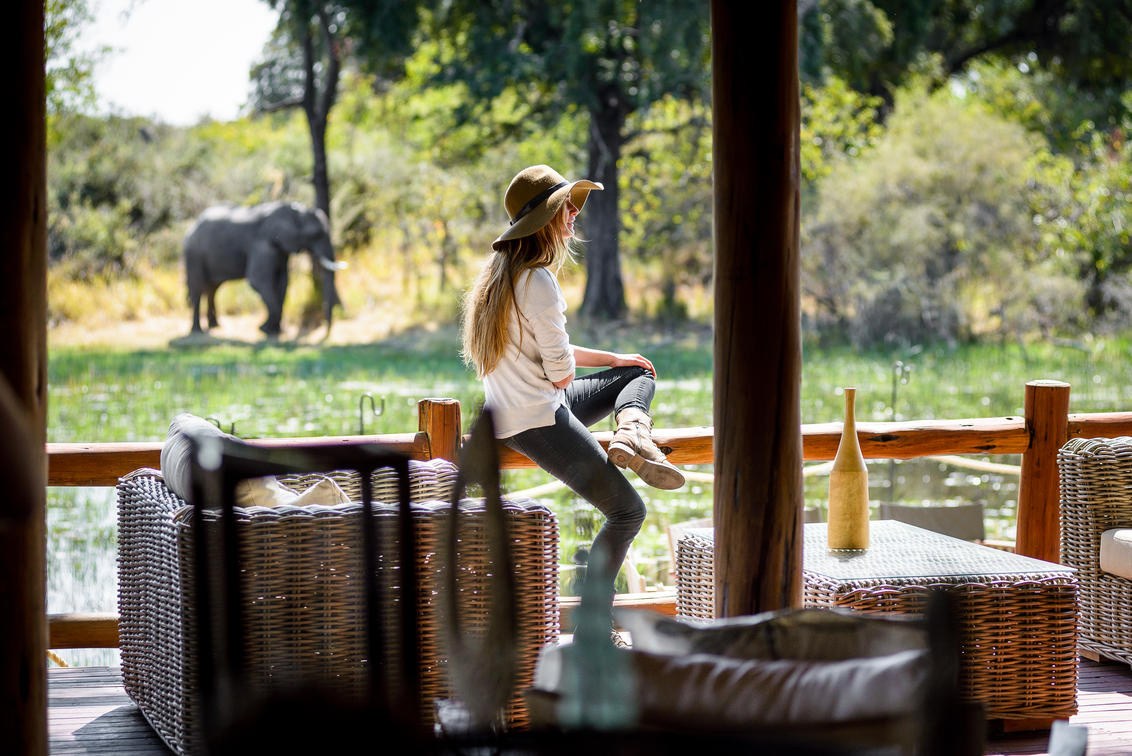
A few items earn their place in every safari bag: binoculars in 8×42 or 10×42, they make the difference between seeing a shape in the grass and actually watching it; a wide-brimmed hat with a real brim, at least 7cm, and a chin strap for open vehicles; polarised sunglasses, which cut glare and make spotting easier in bright midday light; a headlamp with a red-light setting for moving around camp after dark without disturbing wildlife or other guests; and a buff or light scarf for dusty unpaved stretches between camps. If photography matters to you, a zoom lens starting around 200mm is the minimum for wildlife at a realistic distance; a phone camera alone won’t get you there.

Power, Adapters and Keeping Devices Charged

Kenya runs on Type G plugs at 240V, Tanzania uses a mix of Type D and Type G at 230V, so one universal adapter covers both countries. The detail worth knowing ahead of time: many remote camps run on generator or solar power on a set schedule rather than round the clock, so charging windows aren’t always whenever you want them. A small power bank is genuinely useful insurance for keeping a camera or phone topped up between those windows.

What Camps Handle For You

Most safari camps and lodges offer same-day or next-day laundry, often included in the rate, which is worth building into how much you pack rather than ignoring. It’s genuinely normal to travel with fewer clothes than instinct suggests for a week or ten days; most camps just won’t launder underwear, so pack enough of that specifically and let laundry service handle the rest.

If You’re Adding a City Stop or a Beach Extension

A day or two in Nairobi or Arusha before or after the safari calls for smart-casual rather than full safari kit; jeans and a collared shirt are fine for most restaurants and hotels. If your trip includes Zanzibar or Stone Town specifically, pack something a little more modest for walking through the old town or visiting a mosque, with shoulders and knees covered, even though the beach itself is far more relaxed.
At a glance

ItemApplies toCostValidity
Excess baggage, booked 48+ hours ahead 1 to 10kg over your limit $50 flat Safarilink's published rate, per flight
Excess baggage, booked 48+ hours ahead 11 to 20kg over your limit $80 flat Safarilink's published rate, per flight
Excess baggage, paid at check-in 1 to 10kg over your limit $50 flat Safarilink's published rate, per flight
Excess baggage, paid at check-in 11 to 20kg over your limit $100 flat Safarilink's published rate, per flight

It is important to consider specific packing guidelines when preparing for your journey. For light aircraft transfers between camps in Kenya and Tanzania, such as those connecting popular destinations like the Mara, Serengeti, and Ngorongoro, there is typically a combined weight limit of approximately 15kg per person. This limit encompasses both your main bag and any additional items you may be bringing. However, for certain routes, including Zanzibar, Mombasa, and Lamu, a weight allowance of 20kg may be permitted. Thank you for your understanding as you plan your travel.

The bigger catch is the bag itself. It has to be a soft-sided duffel with no rigid internal frame; hard-shell suitcases simply don’t fit the cargo hold on these aircraft and will be turned away at check-in. Bags are weighed before boarding, and going over costs real money; see the Quick Facts table above for one operator’s actual rates.

If your trip includes a few days in a city or on a beach alongside the flying safari, it’s practical to pack two bags: a soft duffel with only the essentials for the safari camps, and a larger bag that you can leave in storage at your first hotel or with your ground operator for the non-safari part of your trip.

What to Pack
Common questions

What to Pack, answered

Around 15kg per person on most light aircraft routes between camps, covering your main bag and anything else you’re carrying. A few routes, like those to Zanzibar or Mombasa, allow 20kg. If you’re travelling by road for the whole trip rather than flying between camps, this limit doesn’t apply; it’s specifically a small-aircraft rule.

A soft-sided duffel bag with no rigid frame, not a hard suitcase. Small aircraft cargo holds are built for flexible bags and hard-shell luggage often simply won’t fit, airlines will turn it away at check-in rather than force it in.

Neutral earth tones, khaki, tan, olive and light brown, work everywhere and hide dust well. Avoid dark blue and black, which attract tsetse flies in parts of the Mara, Tsavo and Samburu, and avoid white and bright colours, which show dust and can startle wildlife during a sighting.

Best avoided entirely. Camouflage-patterned clothing is restricted to military and police use in Kenya, and tourists have reported having it confiscated at airports or park gates. It’s simple to sidestep; just pack the neutral earth tones covered above instead.

Usually yes, but not always around the clock. Kenya uses Type G plugs at 240V and Tanzania uses a mix of Type D and G at 230V, so one universal adapter covers both. Many remote camps run on generator or solar power on a set schedule rather than continuously, so a small power bank is worth packing as backup.

No, most camps offer same-day or next-day laundry, often included in the rate, so you can pack noticeably lighter than instinct suggests. The one exception is underwear; camps generally don’t launder that, so pack enough of that specifically and let laundry cover the rest.

Found this useful?

Let’s put it to work on your itinerary

Tell us your dates and interests, and a specialist will build on what you’ve just read.

Start planning