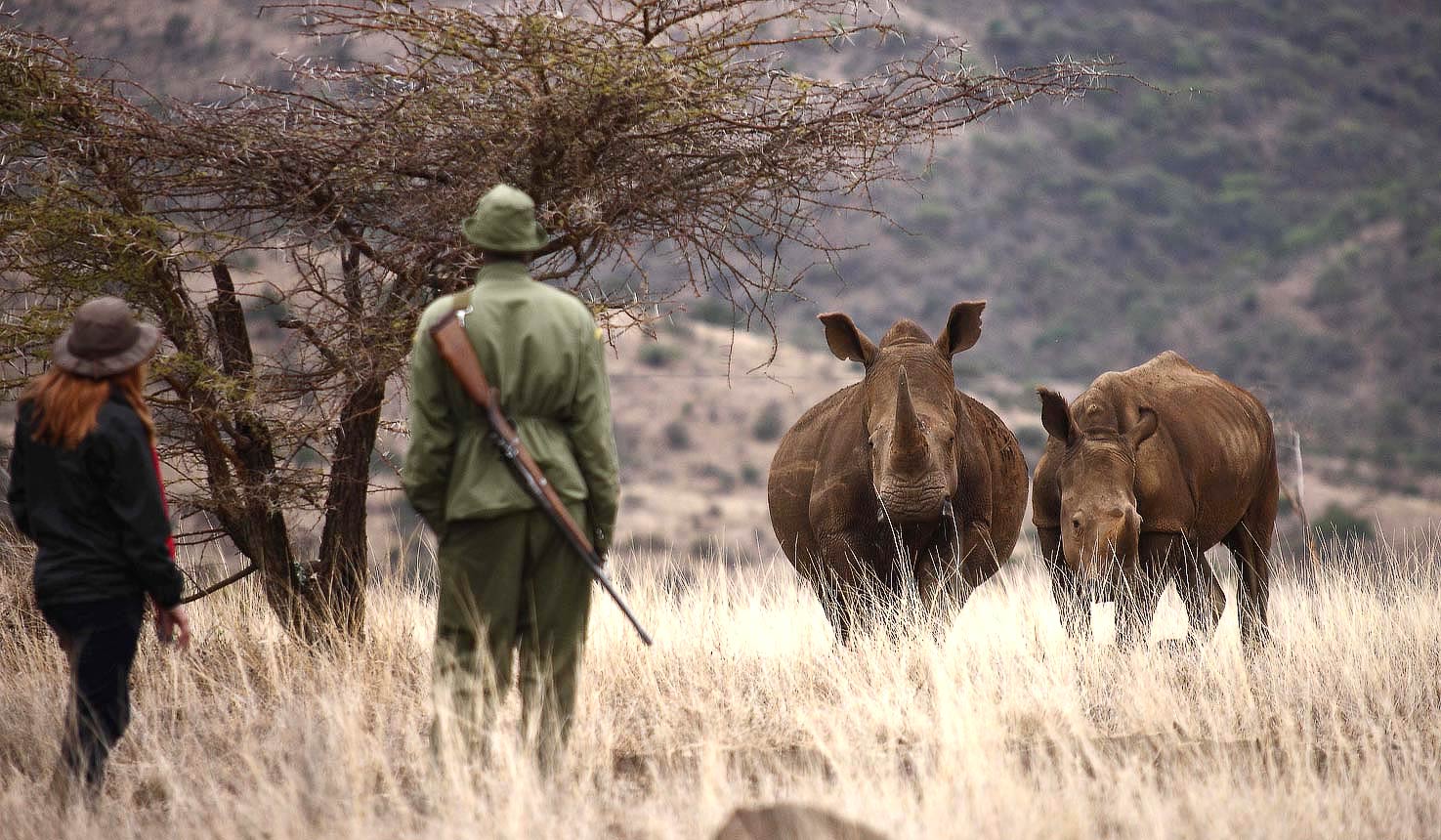
A former cattle ranch turned rhino sanctuary, now home to over a tenth of Kenya's black rhino and the world's largest population of Grevy's zebra, with the freedom to explore on foot, on horseback or after dark. Here's what to know before you plan your trip.
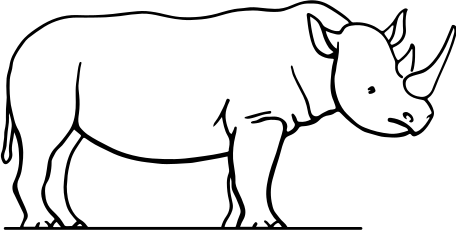
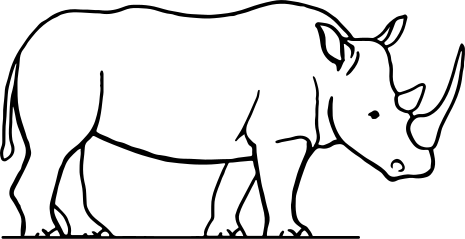
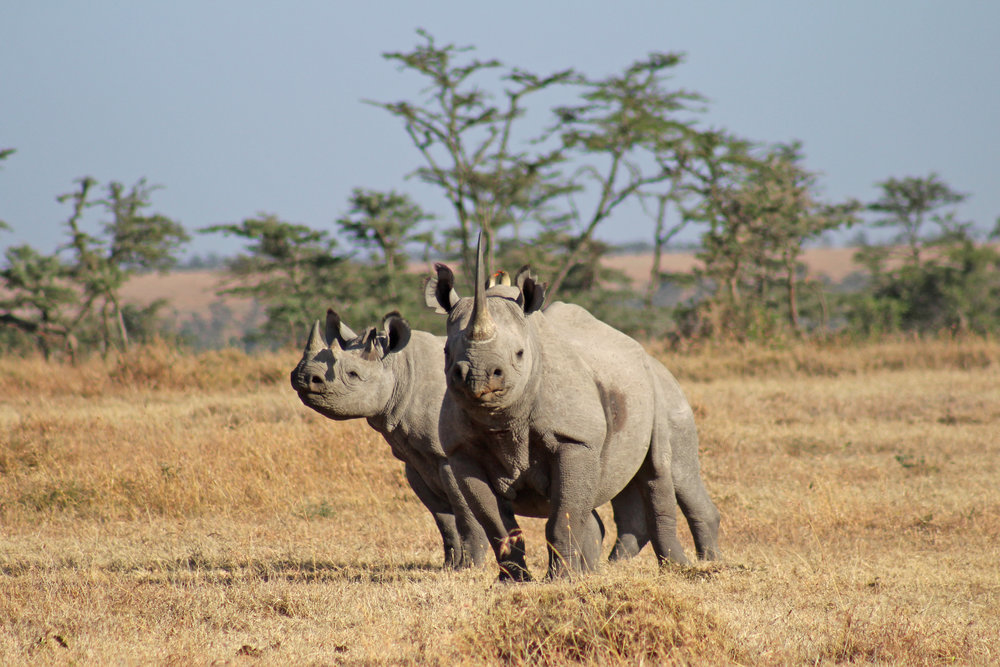
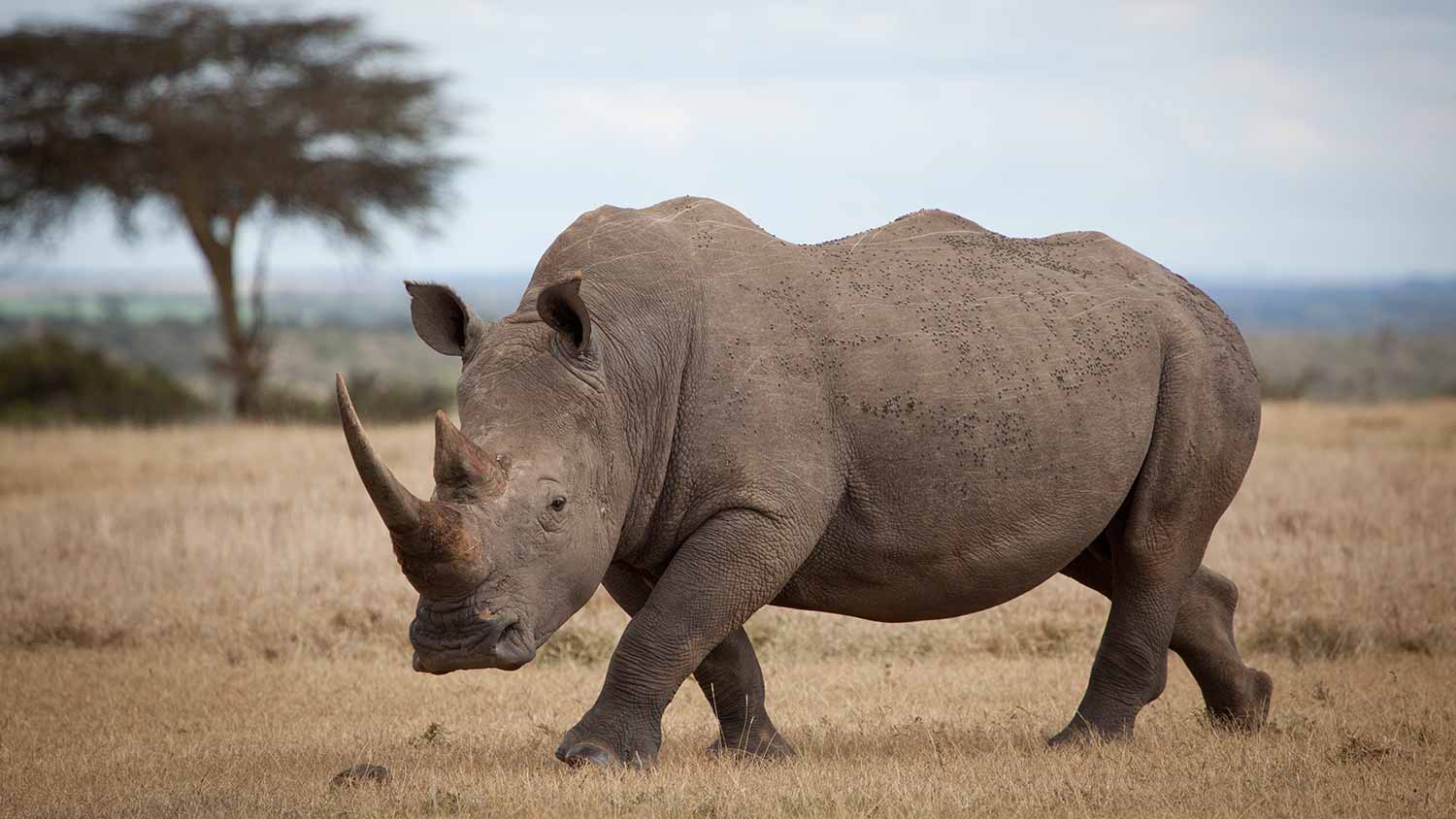
Lewa was cattle country for over fifty years before it was anything else. The Craig family ran it as a ranch from 1922, and it might have stayed one, if not for a stark, practical problem in the early 1980s: Kenya’s black rhino population had collapsed under poaching, and there was almost nowhere left safe to put the survivors. In 1983 a section of the ranch was fenced, guarded and turned into the Ngare Sergoi Rhino Sanctuary. It worked. By 1995 the whole property had become Lewa Wildlife Conservancy, and the sanctuary that began as an emergency measure is now one of the most important rhino strongholds left in Africa, home to more than a tenth of Kenya’s entire eastern black rhino population alongside a thriving white rhino population of its own.
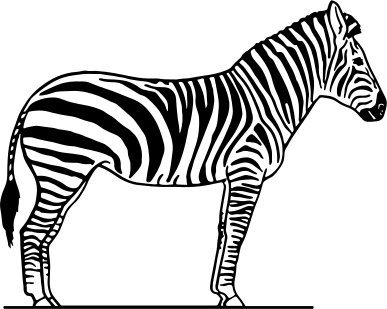
What makes Lewa different from every other park on this site is what that private status actually means for a visit. As a conservancy rather than a national park or reserve, Lewa sets its own rules, which means walking safaris, horseback safaris and night game drives are all genuinely possible here, ways of experiencing the bush that Kenya’s national parks simply don’t permit. It is also, quietly, the single most important place on Earth for the Grevy’s zebra, the world’s largest, most striking zebra species and one of its most endangered, with roughly a third of the entire wild population living on this one property.
Lewa’s conservation reach now extends well past its own fence line. In 2013 it was added to the Mount Kenya UNESCO World Heritage Site as an extension, connected by the Ngare Ndare Forest corridor, complete with an elephant underpass beneath the main road, that lets elephants move freely between Lewa and the Mount Kenya forests above it. And every June since 2000, the Lewa Safari Marathon has sent runners across open, unfenced wildlife territory, protected only by armed rangers and spotter aircraft, raising over ten million dollars for rhino and Grevy’s zebra conservation and for the communities that share this landscape.
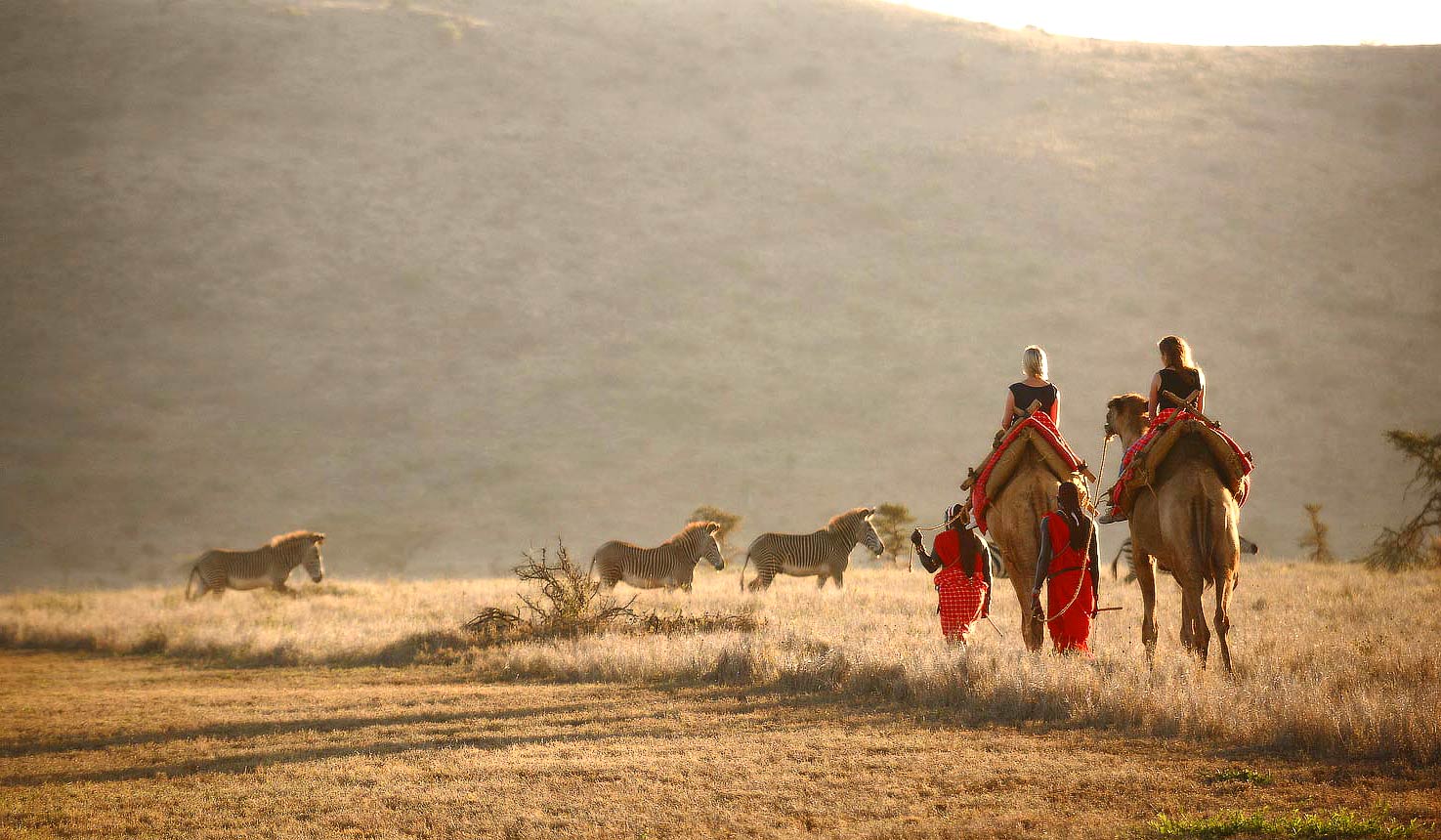
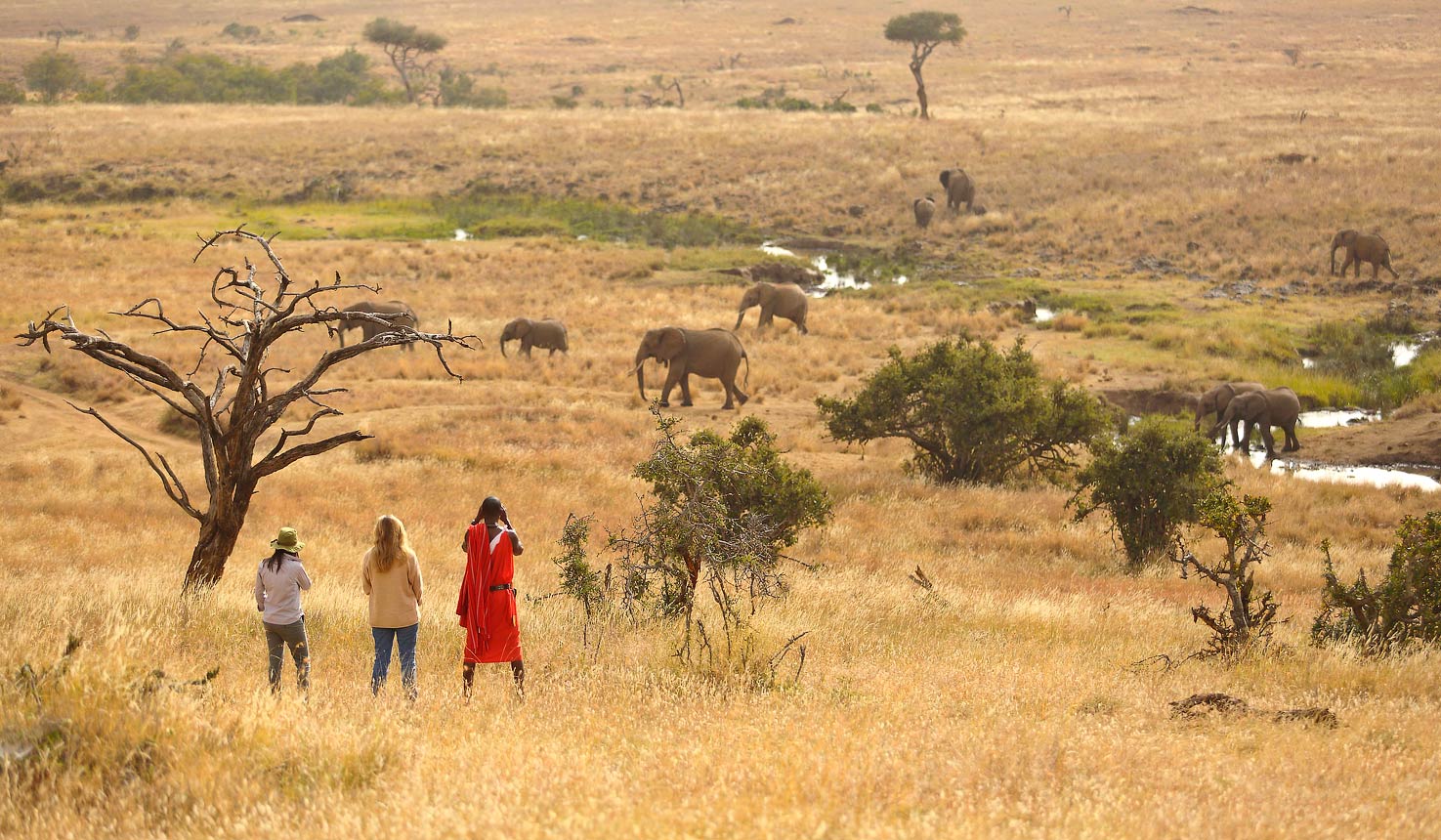
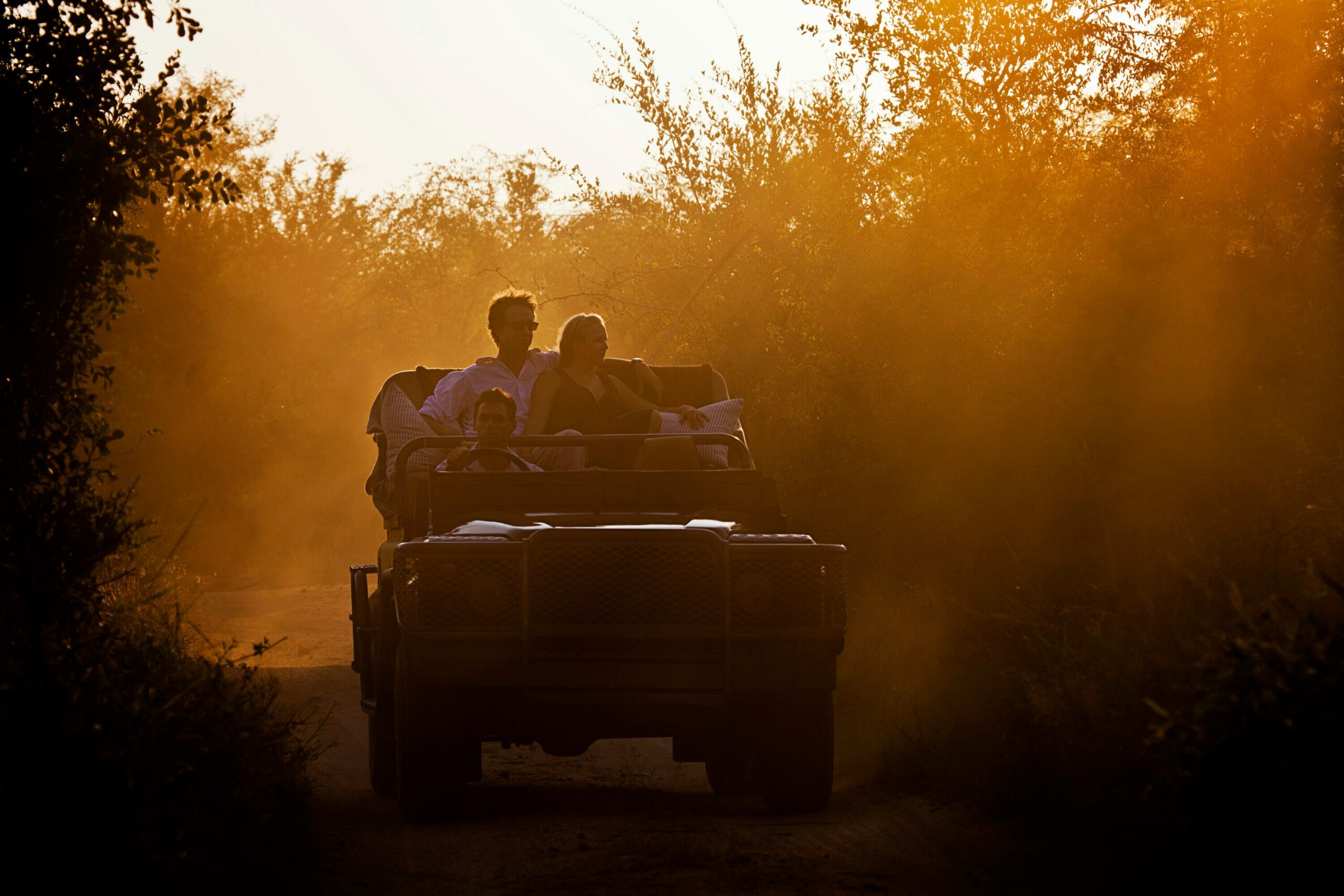
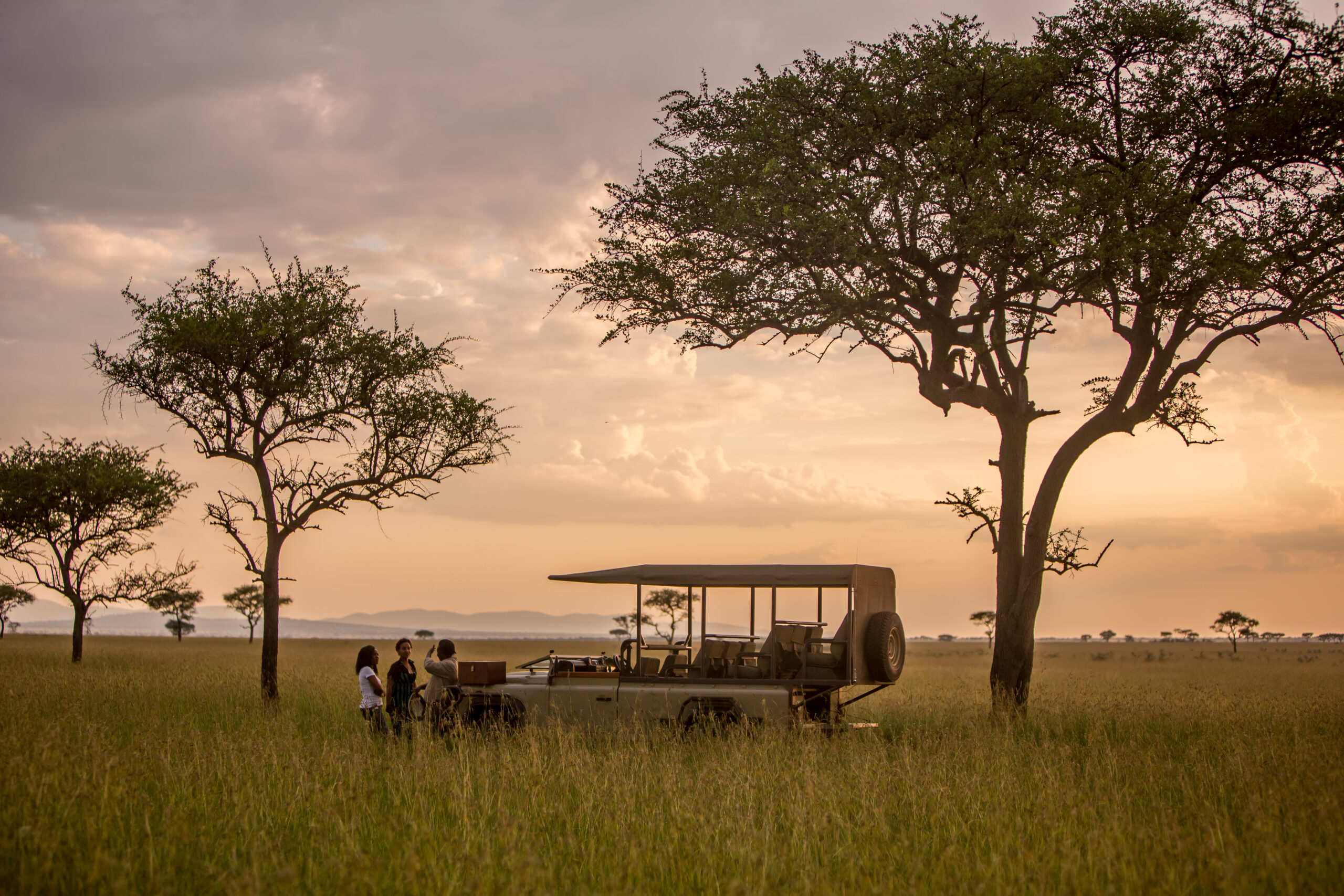
A private conservancy gives Lewa room to do things a national park cannot. Guests here can leave the vehicle behind entirely, walking or riding out among rhino, zebra and elephant with an experienced guide, or head out again after dark when the bush changes completely. It is a slower, closer, more personal way to experience northern Kenya than a game drive alone allows.
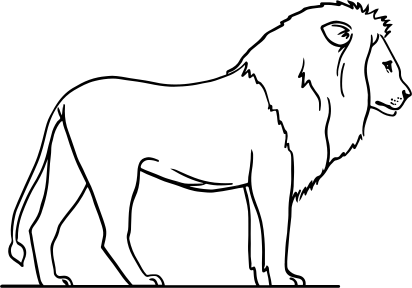
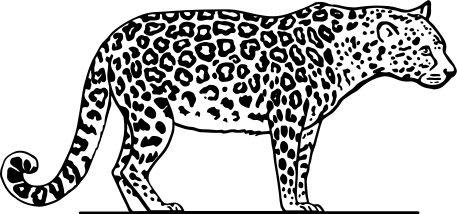
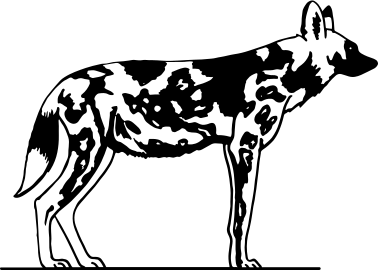
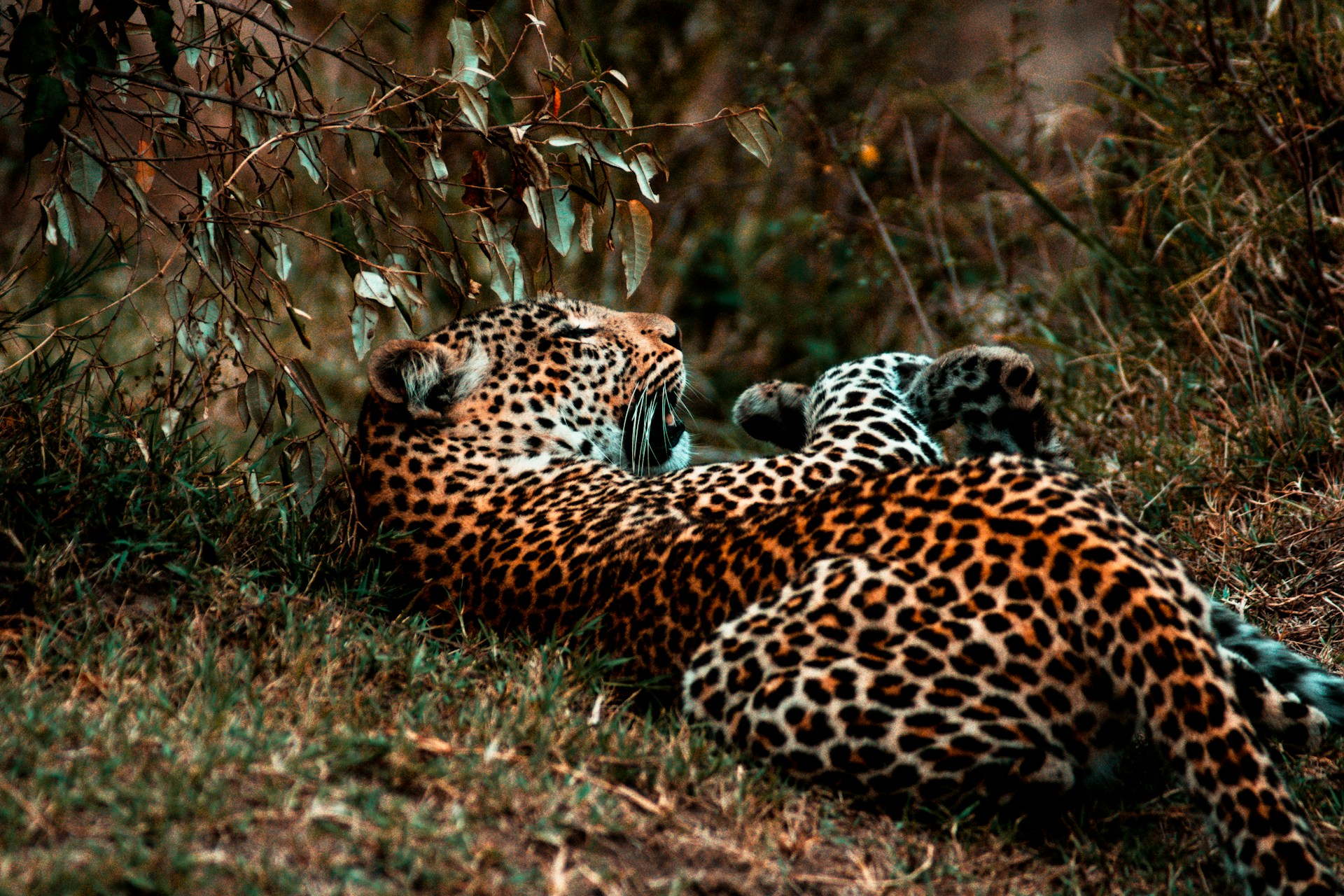
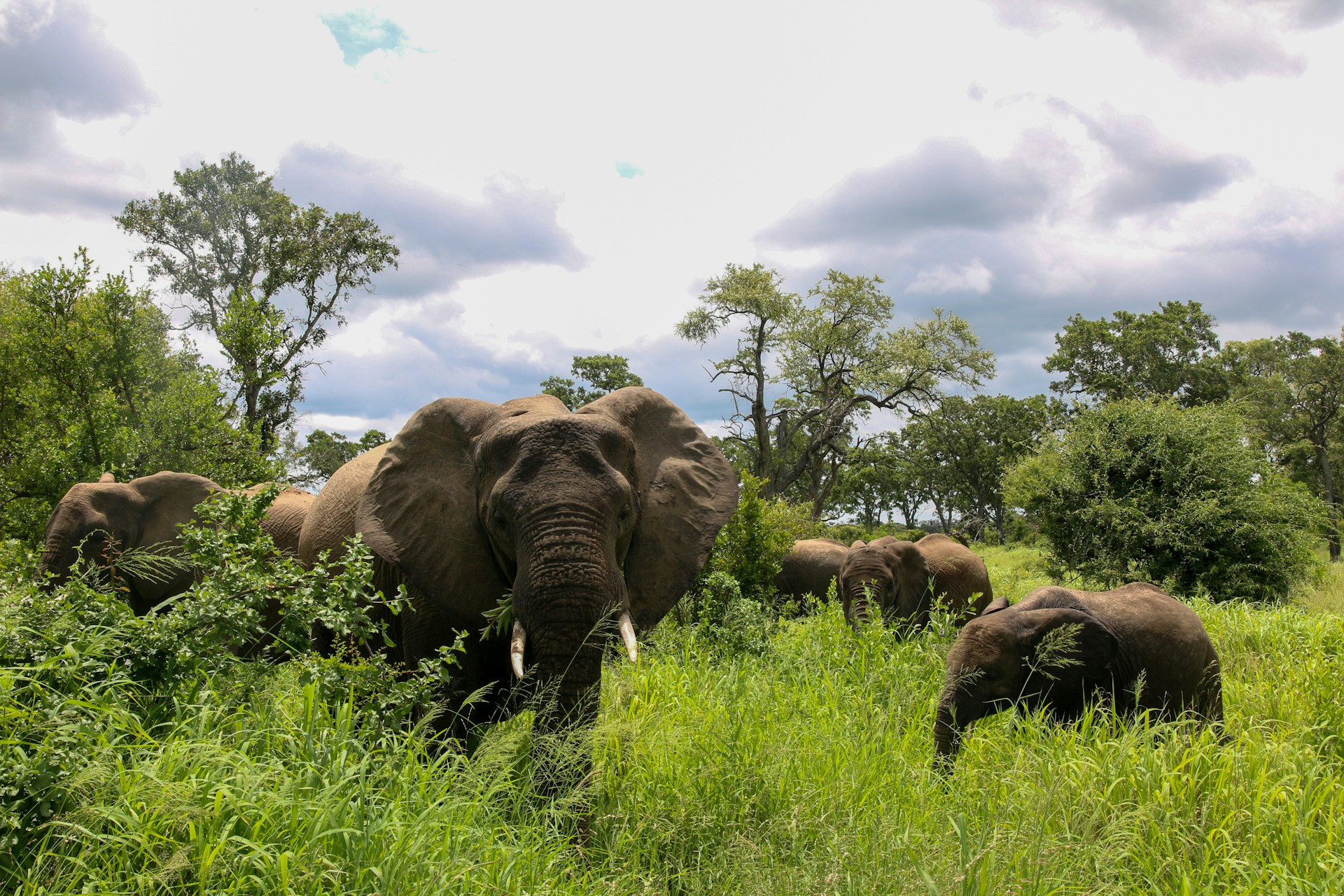
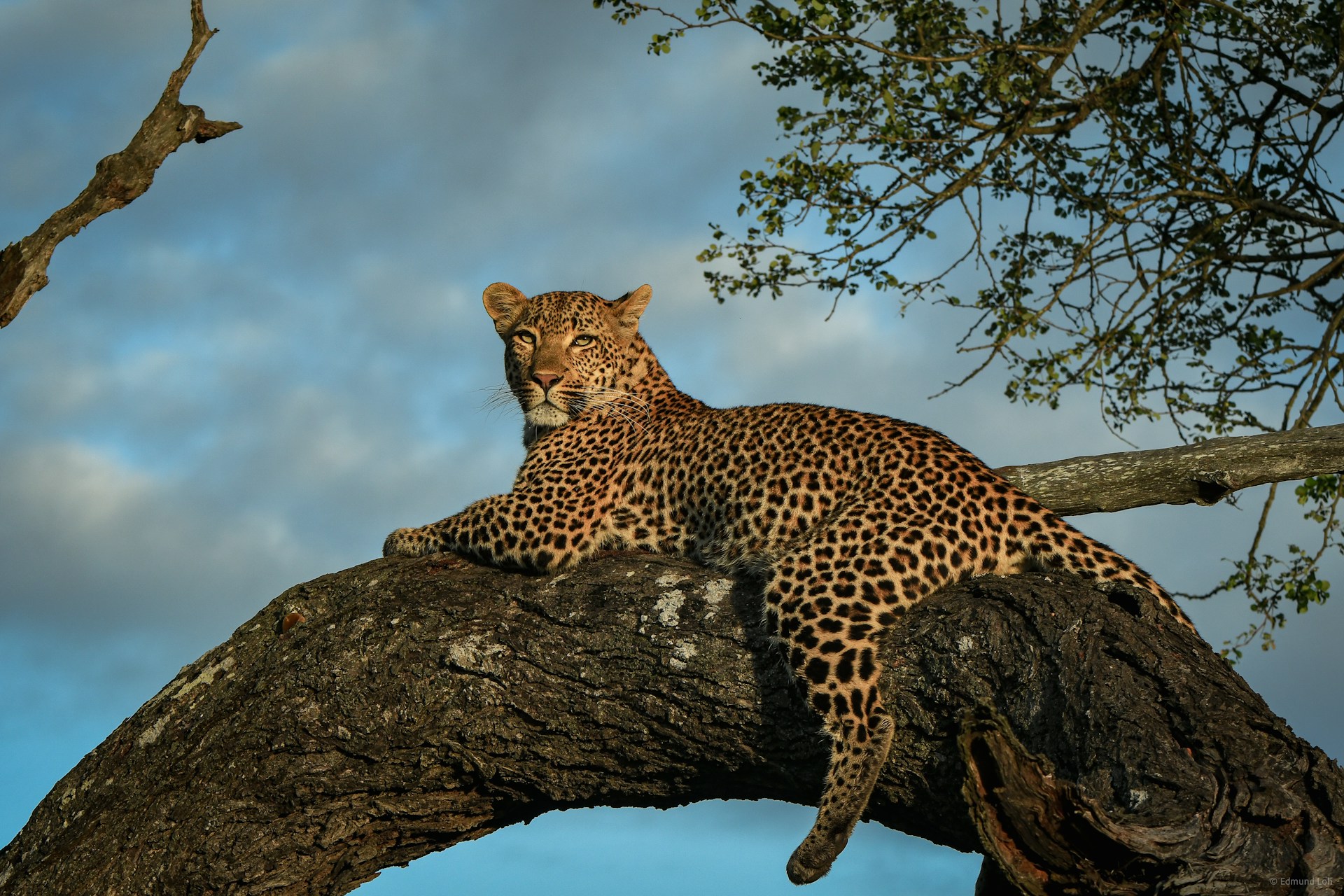
What past travellers have consistently seen, Lewa is built around its rhino and Grevy's zebra populations first, with a full supporting cast of the rest of the Big Five.
Rhino, Grevy's Zebra and Freedom to Explore on Foot
A few of our Lewa safari packages, adjusted to your dates, pace and camp choice before anything is confirmed
Lewa sits close enough to Nairobi for a half-day drive, and directly on the route north toward Samburu, making it a natural stop on a longer northern Kenya itinerary.

Lewa's conservation story began as an emergency response to poaching and has grown into one of the most complete conservation models in Africa, protecting rhino, funding neighbouring communities, and physically reconnecting this landscape to Mount Kenya.
Founded in 1983 as the Ngare Sergoi Rhino Sanctuary on land that had been a cattle ranch since 1922, Lewa now protects over a tenth of Kenya's eastern black rhino population alongside a thriving white rhino population.
Roughly a third of the entire wild population of Grevy's zebra, one of the world's most endangered zebra species, lives on this one property.
Since 2013, Lewa has been part of the Mount Kenya UNESCO World Heritage Site, linked to the mountain's forests by the Ngare Ndare Forest corridor and an elephant underpass beneath the main road.
Every June since 2000, runners cross open, unfenced wildlife territory under ranger and aerial protection, raising funds that have supported rhino and Grevy's zebra recovery and community healthcare, water and education across the region.
July to September is the peak dry season and generally the best wildlife viewing, with December to February offering a quieter, similarly good alternative.
Lewa’s private conservancy status allows for unique activities, including walking safaris, horseback safaris, and night game drives, which are not permitted in Kenya’s national parks and reserves.
Very likely. Lewa is one of Africa’s leading rhino sanctuaries, protecting over a tenth of Kenya’s eastern black rhino population alongside a strong white rhino population, both considered common sightings on the conservancy.
It depends on the season, camp choice and length of stay, so there isn’t one number that fits every trip. Tell us your dates and priorities and we’ll put together a tailored quote rather than a generic estimate.
A few questions, then a specialist follows up with real options, no fixed packages, no pressure.
Start planning