Serengeti National Park

Tanzania · National Park

Serengeti National Park

Endless plains, the highest lion density left on the continent, and the Great Migration moving across them for most of the year. Here's what to know before you plan your trip.

14,750 km²Size 1951Established Mara and Simiyu Regions, TanzaniaRegion
Overview

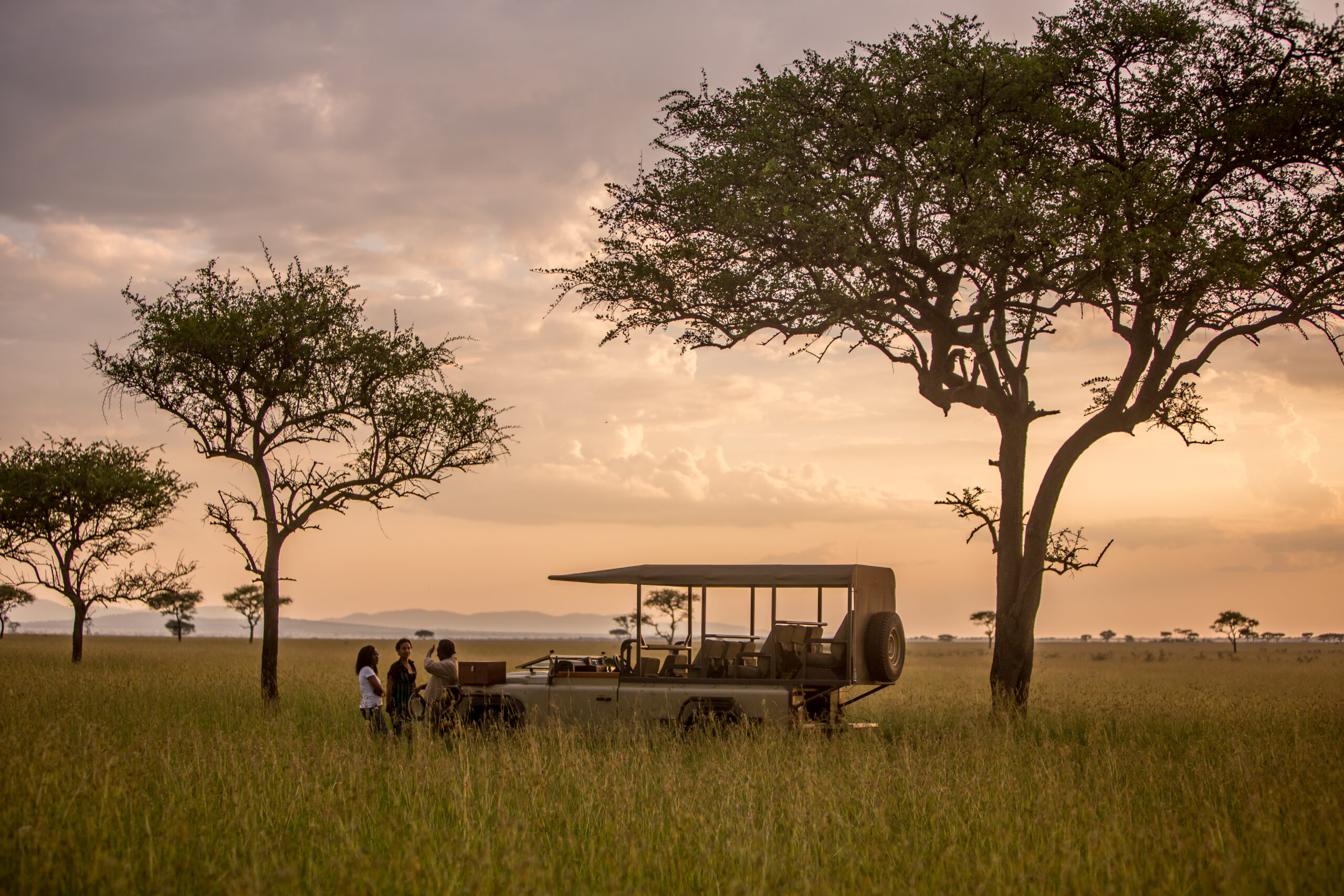
Say the word “safari” to almost anyone and, whether they know it or not, they’re picturing the Serengeti. The name itself comes from the Maasai word siringet, the place where the land runs on forever, and standing on its plains for the first time is the closest most people ever come to feeling the size of that word. There is no fence, no ridge, no edge in sight, just grassland rolling out to a horizon that keeps its distance no matter how far you drive toward it.

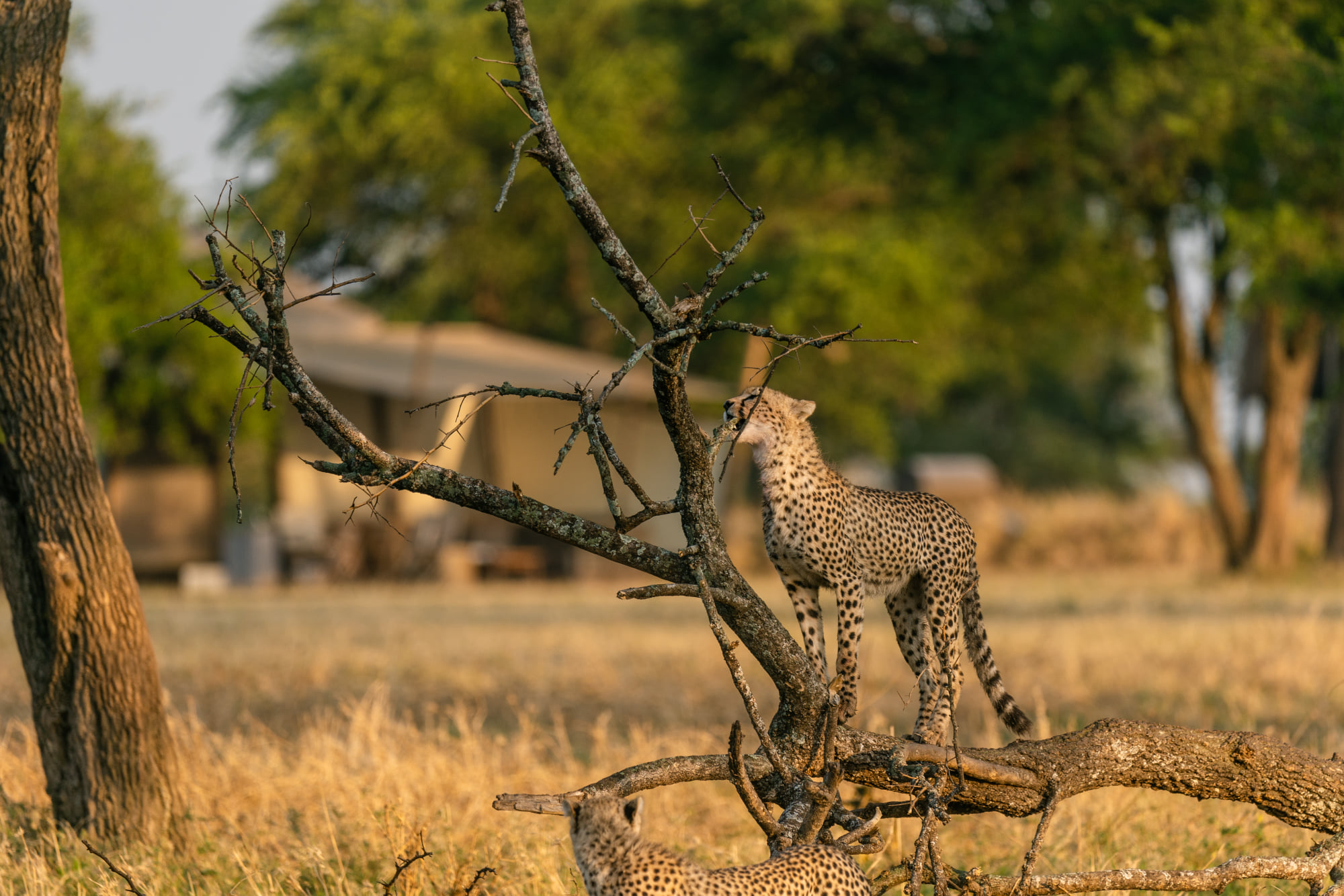
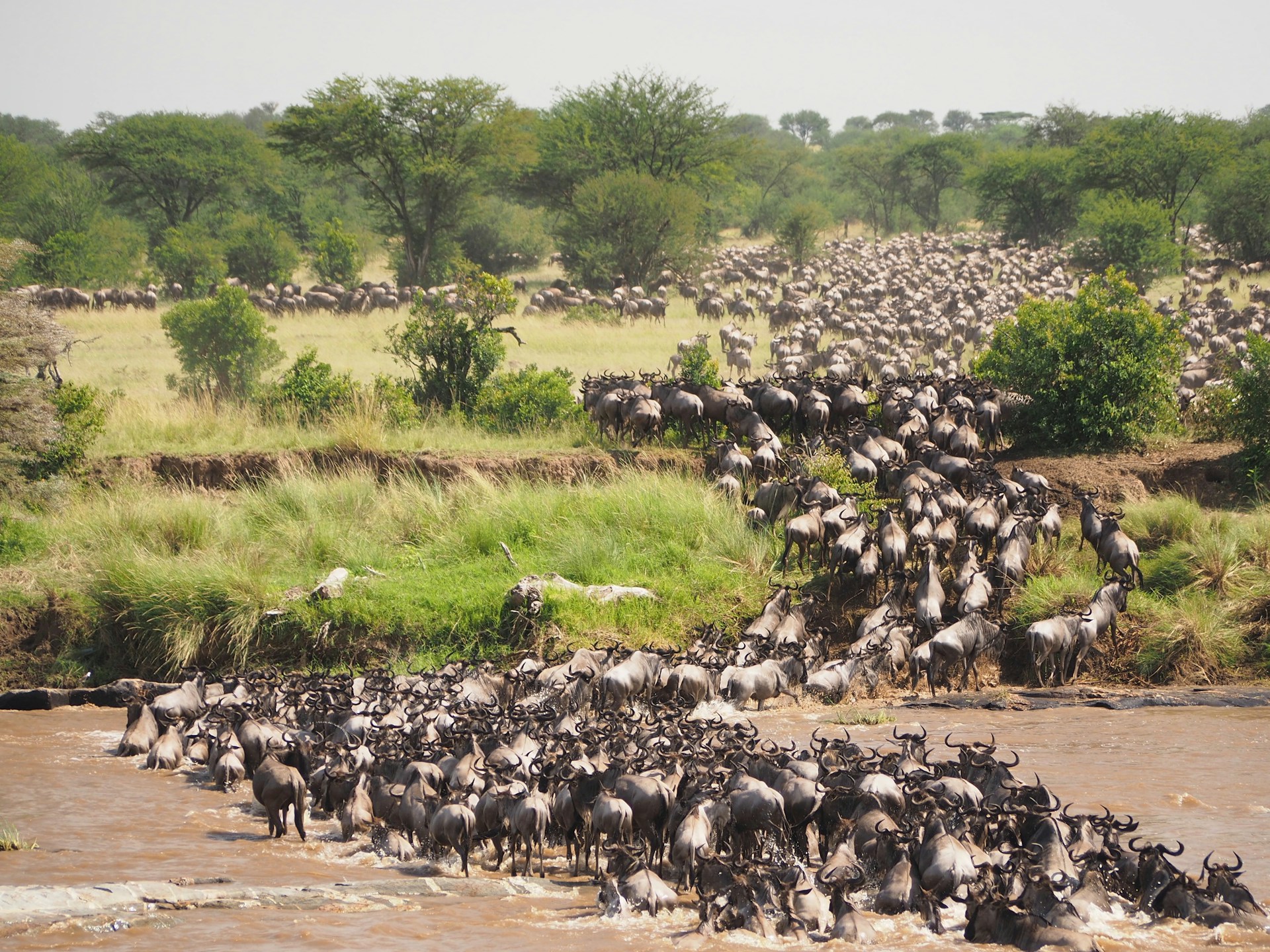
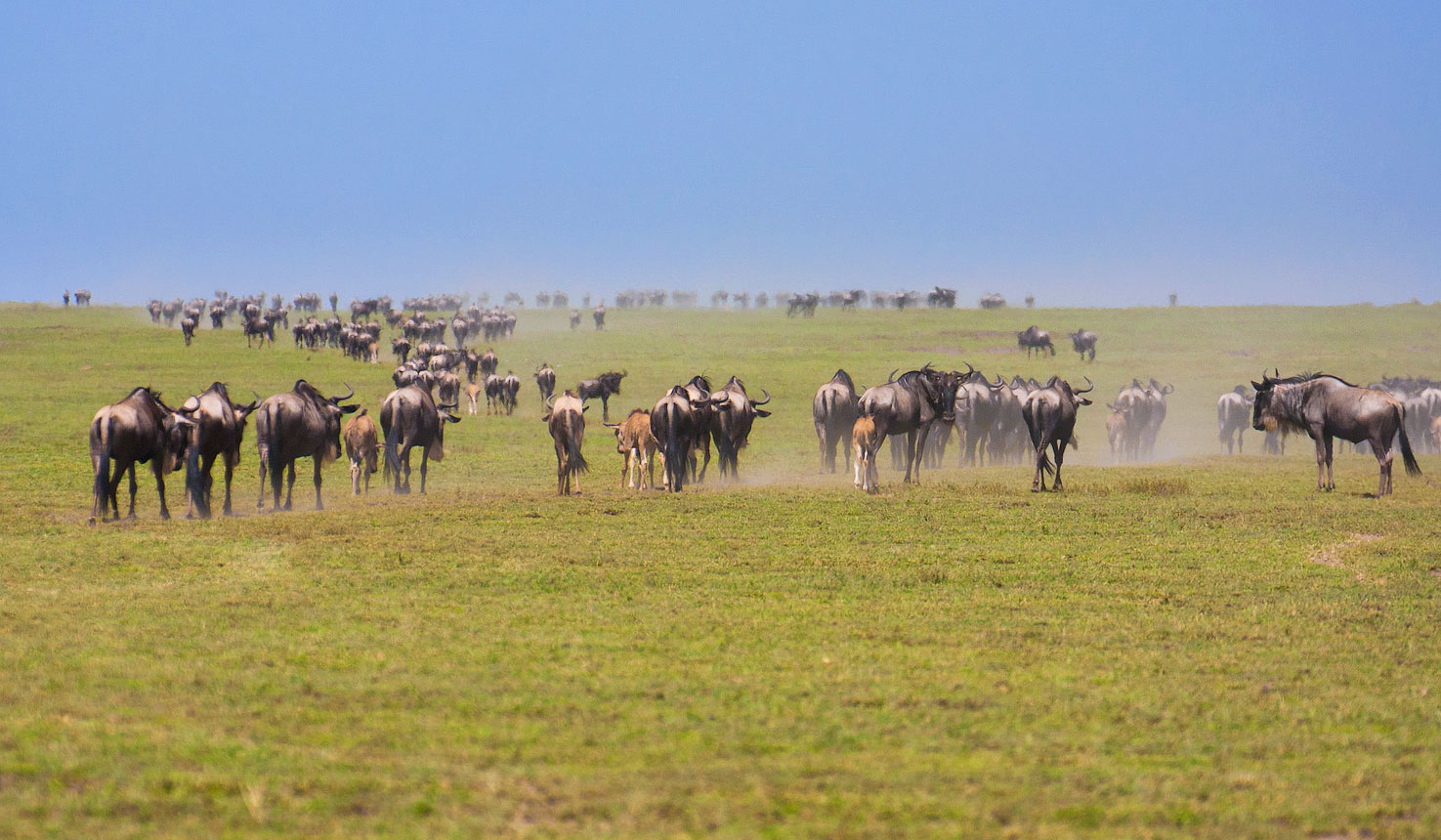
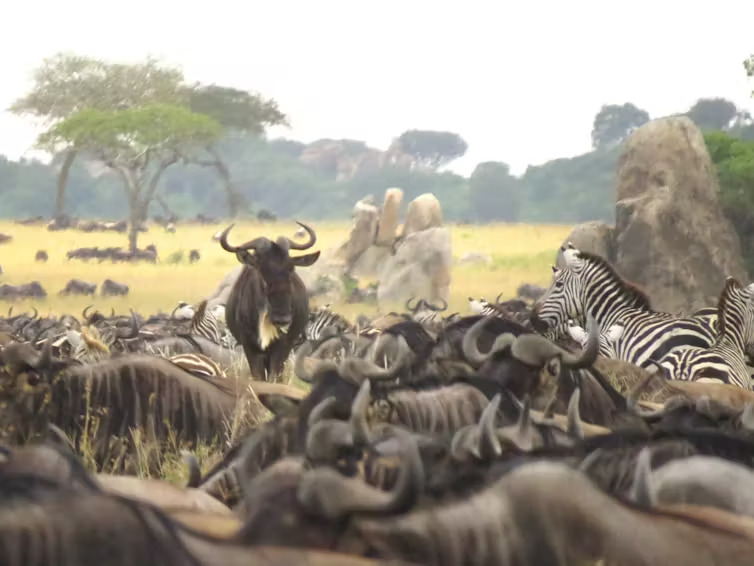
A Serengeti safari rewards patience as much as timing. This is the stage for the Great Migration, over a million wildebeest and hundreds of thousands of zebra moving in a single, restless circuit that never actually stops, only shifts from one corner of the ecosystem to another through the year. But the migration is the headline, not the whole story. Resident lions, leopards and cheetahs hold territory here in numbers few other reserves can match, which means a Serengeti safari delivers in any month you choose to come.

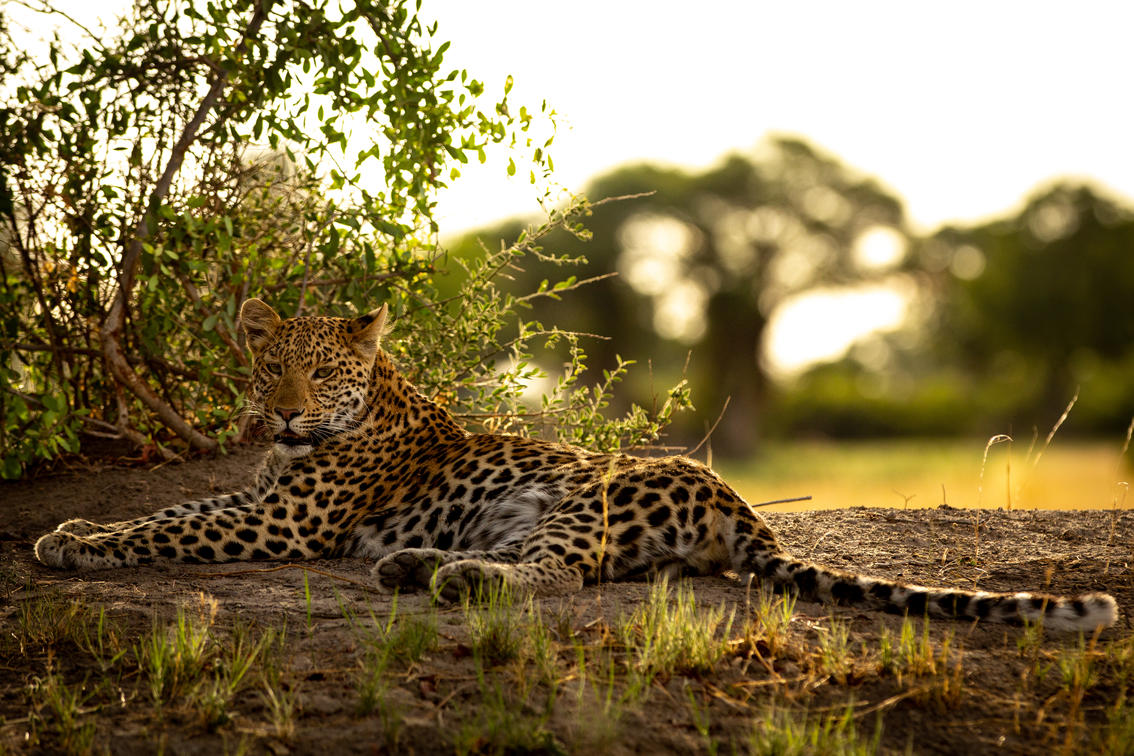
The park itself is vast enough to hold several distinct experiences inside one boundary. Seronera in the centre stays reliable year-round and is famous for its leopards. The Western Corridor comes alive as the herds push through toward the Grumeti River in the dry season. The south, bordering the Ngorongoro Conservation Area, turns into a nursery each year as calving season fills the short grass plains with new life and the predators that follow it. Which sector anchors your trip depends entirely on when you travel and what you most want to see- exactly what we work through with you before anything is booked.

Why visit Serengeti National Park
Why Serengeti National Park

The Serengeti earns its reputation honestly. It isn’t just the biggest name in East African safari; it’s the reason the region became one at all. At close to 15,000 square kilometres, it’s roughly ten times the size of the Masai Mara across the border, and that scale is exactly what lets over a million wildebeest move through it without the ecosystem ever feeling crowded.

  • The Largest Lion Population Left on Earth

    Prides studied continuously since the 1960s, the longest-running lion research project in the world.

  • Big Enough to Hold the Whole Migration

    Ten times the size of the Masai Mara, room enough for the herds to move without the ecosystem feeling crowded.

  • A Migration You Can Follow Nearly Year Round

    Calving in the south, river crossings in the west, then the north as the dry season deepens.

  • The Landscape That Defined the Word "Safari"

    Open plains and granite kopjes, the scenery every other safari destination gets compared to.

What you’ll likely see

Key species at Serengeti National Park

What past travellers have consistently seen on a Serengeti safari, in and out of migration season.

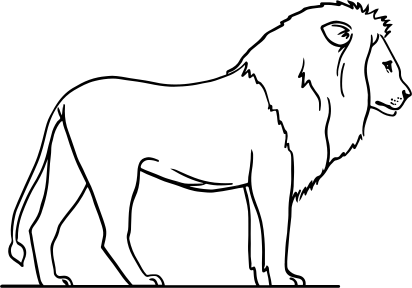
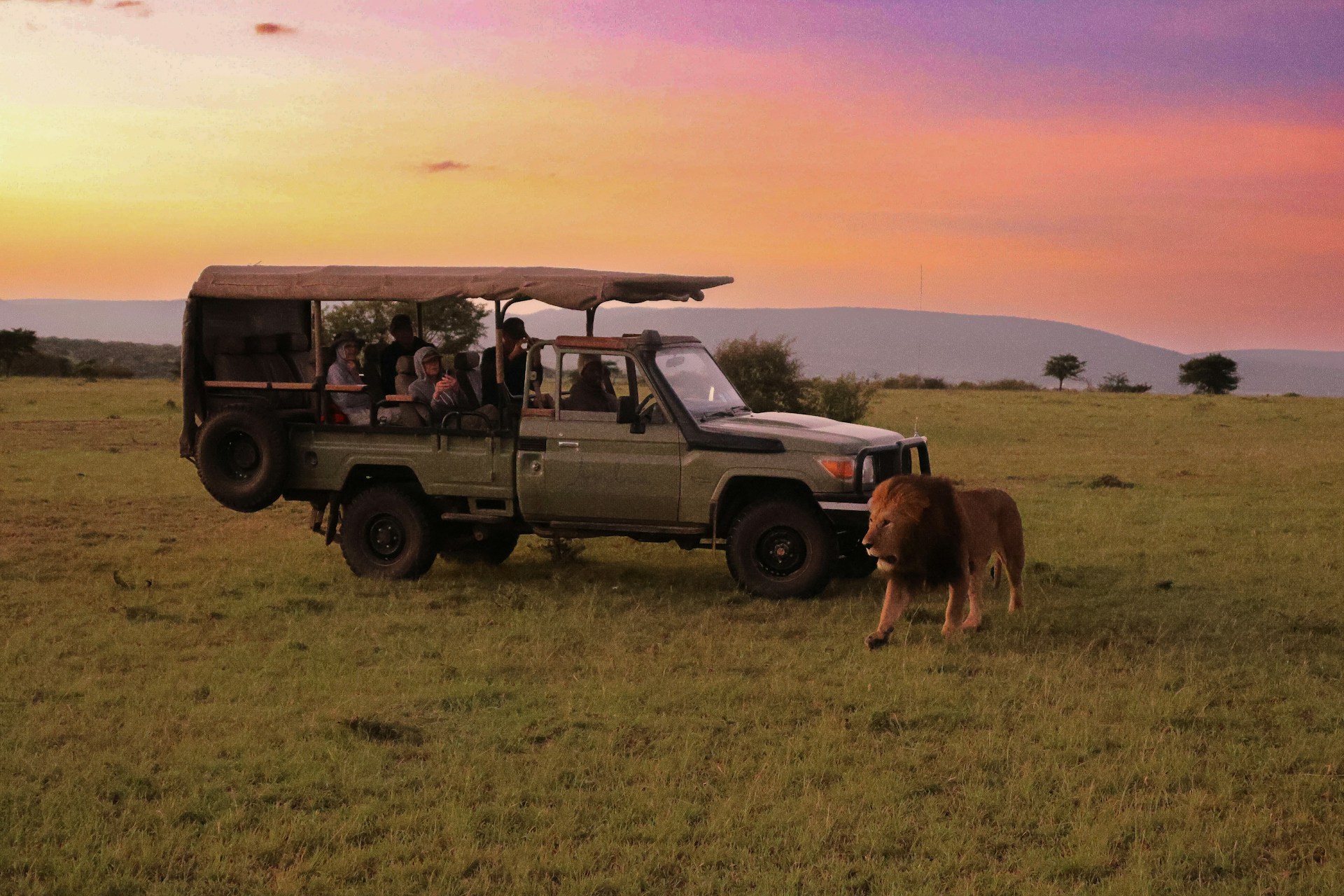
Lion
Lion
90% chance
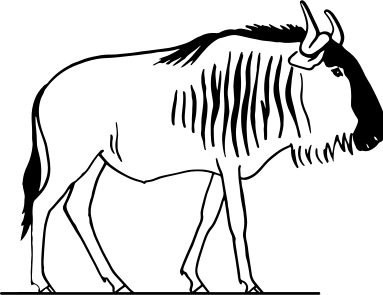
Wildebeest
Wildebeest
90% chance
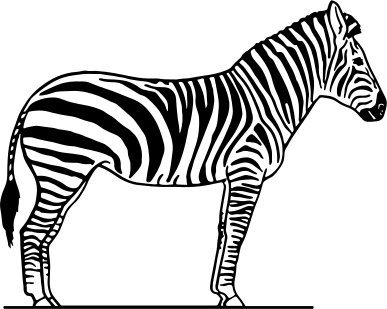
Zebra
Zebra
90% chance
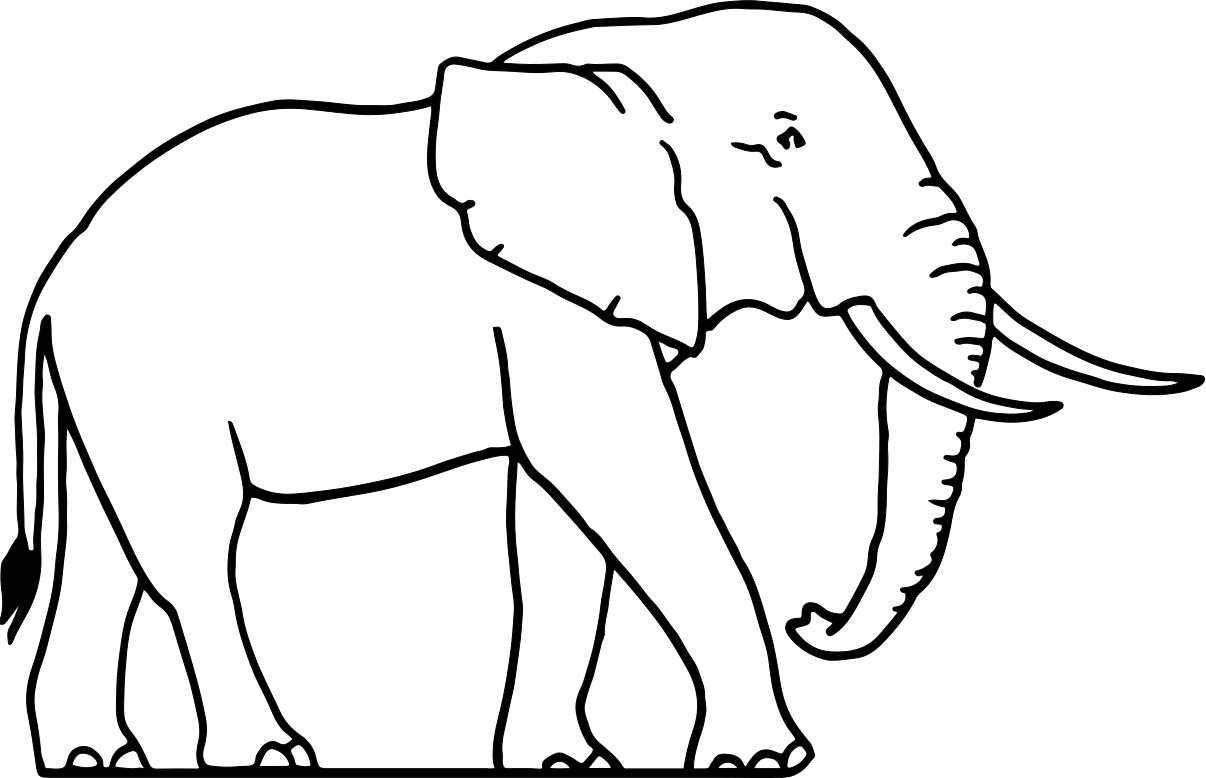
Elephant
Elephant
85% chance
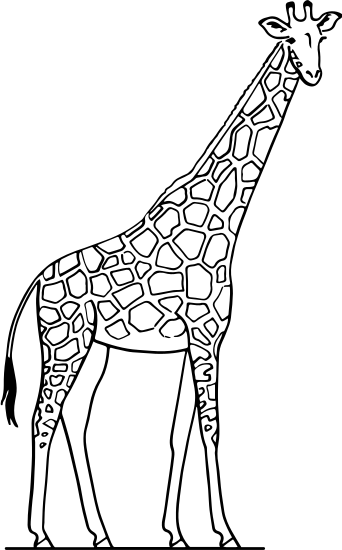
Giraffe
Giraffe
80% chance
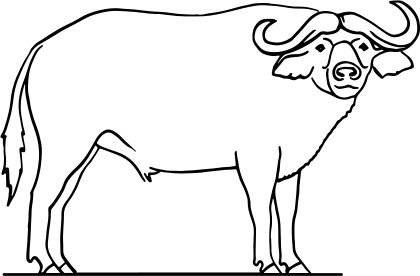
Buffalo
Buffalo
80% chance
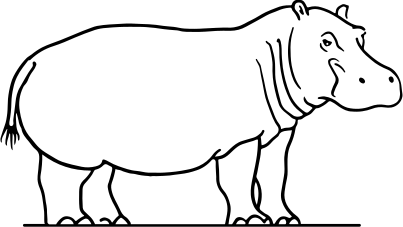
Hippo
Hippo
75% chance
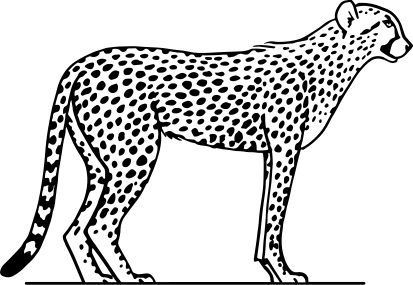
Cheetah
Cheetah
70% chance
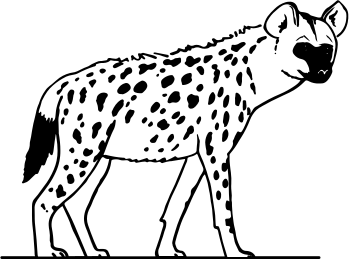
Spotted Hyena
Spotted Hyena
65% chance
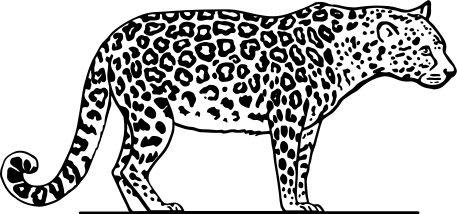
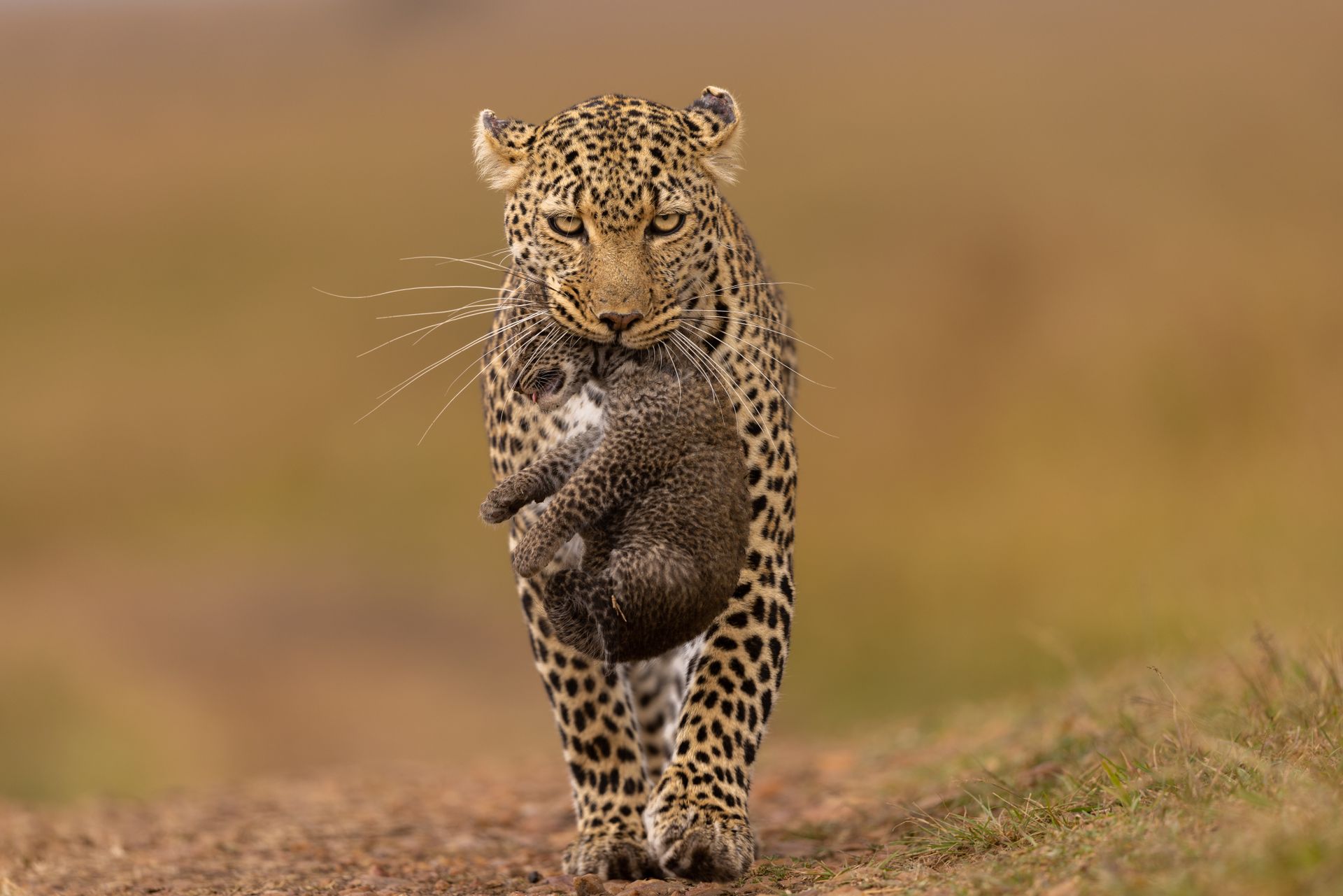
Leopard
Leopard
56% chance
Starting points

Safaris to Serengeti National Park

A few of our Serengeti safari packages, adjusted to your dates, pace and camp choice before anything is confirmed

Getting there

Reaching Serengeti National Park

Most Serengeti safari itineraries fly in for at least one leg, though the overland route through Ngorongoro is part of the experience for many travellers.

When to go

Best time to visit Serengeti National Park

Jan (best) Feb (best) Mar Apr May Jun (best) Jul (best) Aug (best) Sep (best) Oct (best) Nov Dec

Best months

  • December – March Calving season on the southern plains, half a million wildebeest calves born within a few weeks and the predator action that follows is some of the most concentrated anywhere in Africa.
  • April – June The long rains settle in, thinning crowds and dropping rates while the herds begin their push north through the Western Corridor toward the Grumeti River.
  • July – October The migration reaches the north and the Mara River crossings that made the Serengeti famous worldwide, shared with the Masai Mara just across the border. The busiest window of the year.
Best time to visit Serengeti National Park
Responsible travel

Responsible Travel in Serengeti

The Serengeti's boundary is a line on a map more than a wall against pressure, and much of what keeps this ecosystem intact happens in the reserves and communities that surround it, not just inside the park itself.

Common questions

Serengeti National Park, answered

It depends on what you want to see. December to March brings calving season and its predator action in the south, June and July follow the herds through the Western Corridor, and July through October delivers the famous Mara River crossings in the north. A Serengeti safari genuinely has a reason to visit in almost any month.

It depends on the season, which sector of the park you base yourself in, and how many nights you spend there, so there isn’t one number that fits every trip. Tell us your dates and priorities and we’ll put together a tailored quote rather than a generic estimate.

Three to four nights lets you settle into one sector properly rather than rushing between them. Given the park’s size, many of our Serengeti safari packages spend time in two different areas, pairing the reliable game viewing around Seronera with whichever sector matches the migration’s position that month.

Yes, and most itineraries do. Ngorongoro Crater is the classic pairing given how close it sits to the park’s southern boundary, and a Serengeti safari combines naturally with the Masai Mara across the border in Kenya, or with a flight onward to Zanzibar for a beach finish.

Ready when you are

Let’s plan your Serengeti National Park safari

A few questions, then a specialist follows up with real options, no fixed packages, no pressure.

Start planning