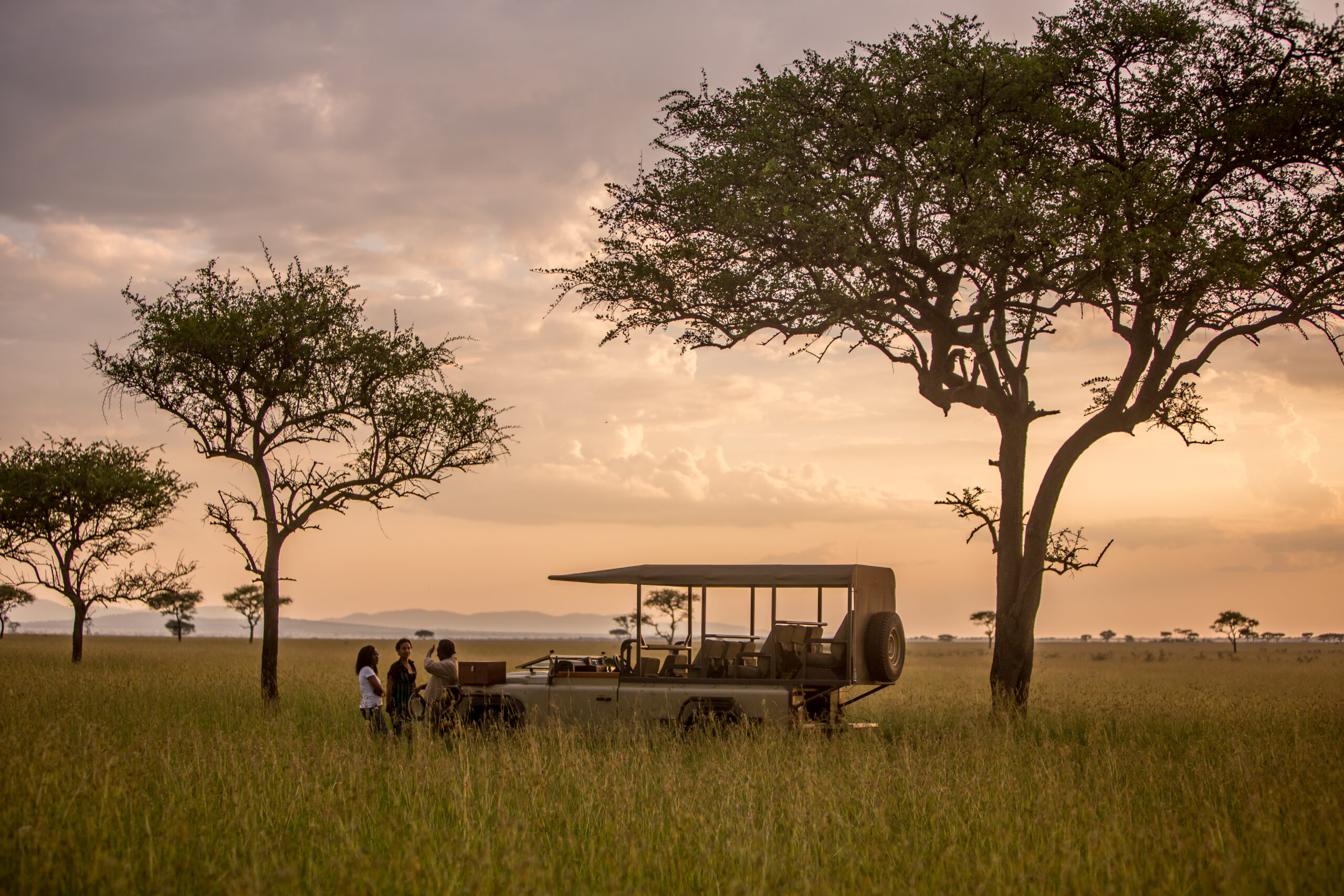
Tanzania's largest national park, a wilderness of woodland and river channels explored as much by boat as by vehicle, and home to one of Africa's last great populations of wild dog. Here's what to know before you plan your trip.
Nyerere is Tanzania’s newest national park and also, by land, its largest, a single protected area bigger than Belgium, carved in 2019 from the northern half of what had been the Selous Game Reserve for nearly a century before it. The new name honours Julius Nyerere, Tanzania’s first president. The wilderness itself is far older, and it shows, this is a park with almost none of the crowding of the northern safari circuit, where a full day can pass without seeing another vehicle.
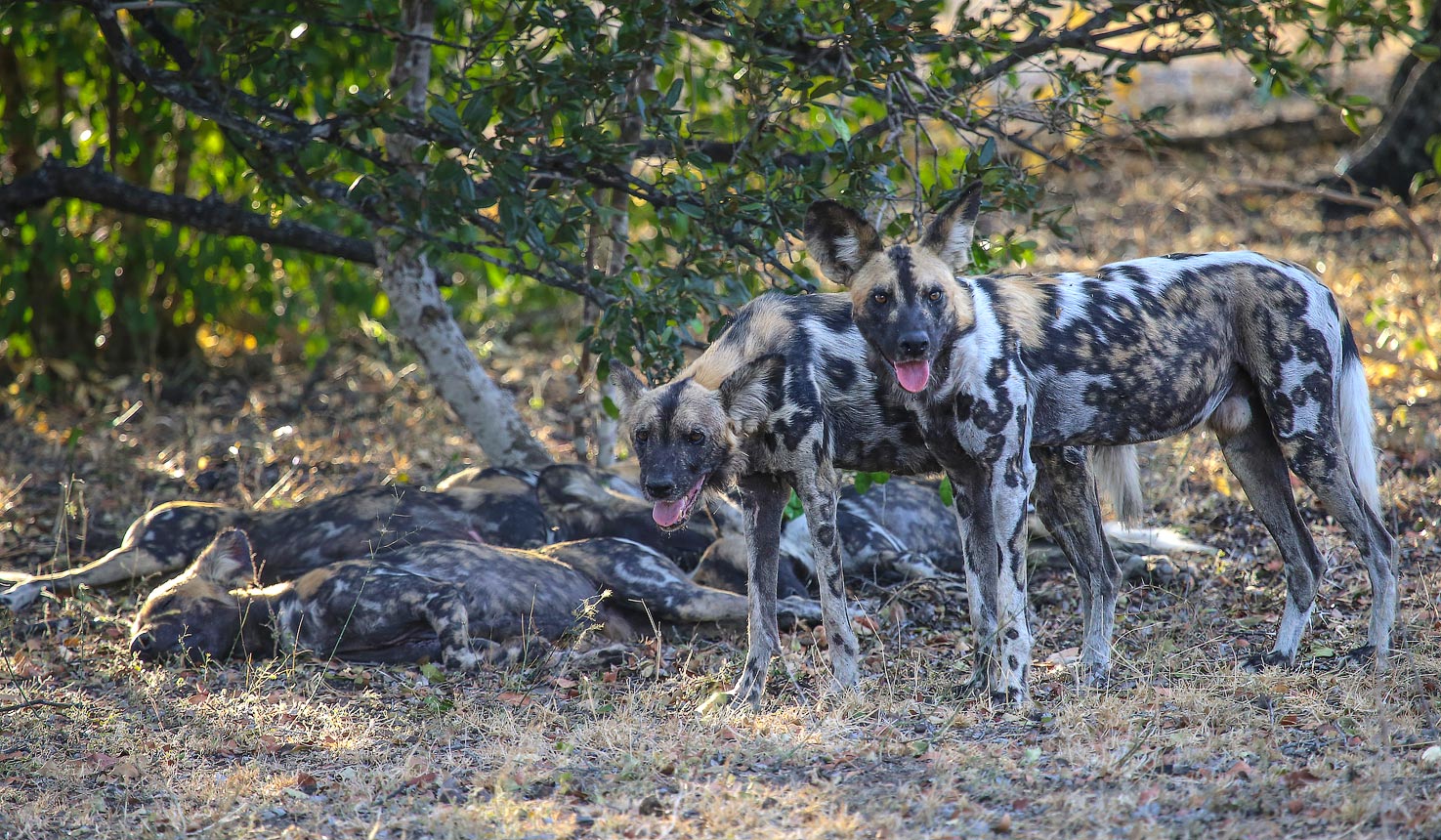
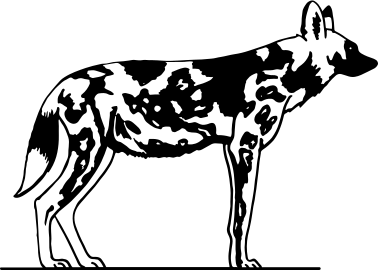
Its defining feature is water. The Rufiji, Tanzania’s largest river, spreads out here into a maze of channels, oxbow lakes and lagoons, and a boat safari, gliding quietly past hippo pods and baking crocodiles, is as central to a visit here as a game drive, something almost no other park on this site can offer. Away from the river, dense miombo woodland and open floodplain support one of Africa’s most important remaining populations of African wild dog, a species that has vanished from most of the rest of the continent but still hunts here in large, visible packs.
It is also a landscape with real history. The Rufiji Delta was the site of a First World War naval battle, where the German cruiser SMS Königsberg was cornered and destroyed by British ships in 1915, and the reserve’s original name honoured Frederick Selous, the British explorer and hunter killed here in the same war. Nyerere carries that long history forward under a name that looks to Tanzania’s own story instead.

Nyerere rewards travellers who have already done the classic Tanzania safari and want to see it differently. Swap the vehicle for a boat for an afternoon and the whole rhythm of a safari changes: quieter, slower, closer to the water where the wildlife actually is. Add one of Africa’s last strongholds of wild dog and a wilderness large enough that another vehicle at a sighting is the exception rather than the rule, and this becomes less an alternative to the Serengeti than a genuinely different kind of safari altogether.
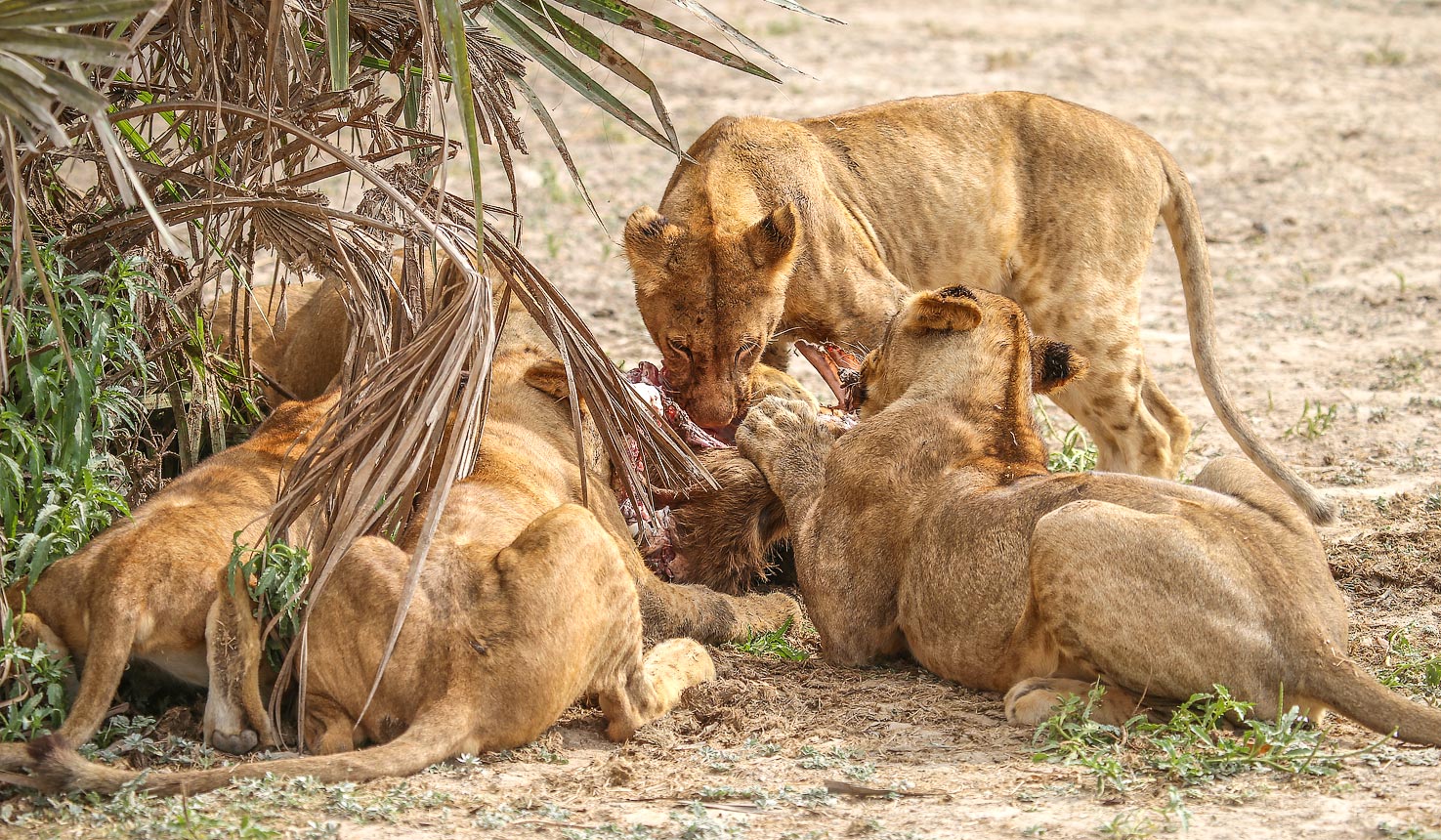
What past travellers have consistently seen, Nyerere's wildlife concentrates along the Rufiji River and its lakes, with one of Africa's most significant wild dog populations in the surrounding woodland.
Boat Safaris and Africa's Last Great Wild Dog Packs
Nyerere is reached from Dar es Salaam rather than the northern safari towns, either a half-day drive or a short scheduled flight, and the park is large enough that most camps need a further transfer after landing.
Nyerere's conservation story is really the story of an entire ecosystem recovering from one of Africa's worst poaching crises, told through an elephant population still rebuilding and one of the continent's last strongholds for a species that has disappeared almost everywhere else.
Poaching cut the wider ecosystem's elephant numbers from around 109,000 in the 1970s to roughly 13,000 by 2013, one of the steepest declines recorded anywhere in Africa, and recovery is ongoing.
As the species has vanished from most of the continent, the wider Selous-Nyerere landscape has become one of its most important remaining populations, studied and monitored closely by conservation researchers.
This land has been under some form of protected status since the early twentieth century, first as the Selous Game Reserve and, since 2019, as Nyerere National Park, one continuous conservation story across more than a hundred years.
At close to 31,000 square kilometres, Nyerere's sheer size gives wildlife room that far smaller, more fragmented protected areas simply cannot offer.
June to October is the best window for both game viewing and boat safaris, as the dry season concentrates wildlife along the Rufiji River. December to February offers a quieter, similarly dry alternative. April and May see the heaviest rains, and many camps close entirely during those two months.
Yes and no. In 2019, the northern part of what had been the Selous Game Reserve for nearly a century was renamed Nyerere National Park, after Tanzania’s first president. A smaller Selous Game Reserve still exists to the south. Most of the well-known camps and the classic boat safari experience are inside what is now Nyerere.
Its landscape and its pace. Nyerere is explored as much by boat as by vehicle, sits far from the northern safari circuit’s crowds, and is one of Africa’s most important remaining strongholds for the African wild dog, a species rarely seen in numbers elsewhere.
It depends on the season, camp choice and length of stay, so there isn’t one number that fits every trip. Tell us your dates and priorities and we’ll put together a tailored quote rather than a generic estimate.
Three nights allows time for both game drives and at least one proper boat safari on the Rufiji. Given the distance from the northern circuit, most itineraries treat Nyerere as its own dedicated leg of a Tanzania trip rather than a quick add-on.
A few questions, then a specialist follows up with real options, no fixed packages, no pressure.
Start planning