Tsavo East Safari

Tsavo East Safari

One of the largest national parks on Earth, home to Africa's biggest elephant herds, the world's longest lava flow, and a safeguard population of its rarest antelope. Here's what to know before you plan your trip.

Tsavo East doesn’t try to impress you with variety, it impresses you with scale. At close to 13,750 square kilometres, it’s one of the largest national parks on the planet, open, semi-arid plains running out toward a horizon interrupted only by the Yatta Plateau, a single lava flow that stretches nearly 300 kilometres along the park’s western edge, the longest of its kind anywhere in the world.

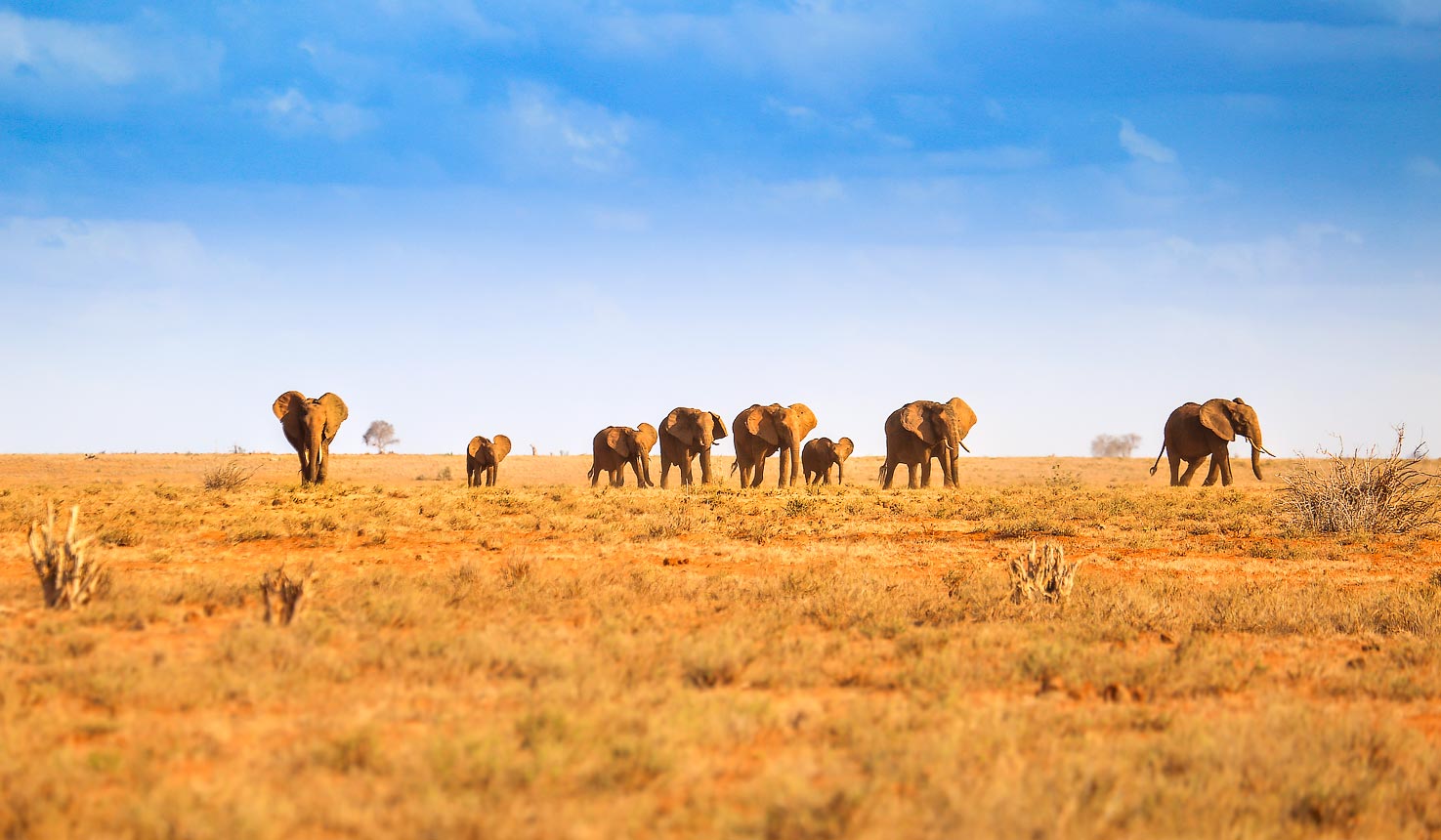
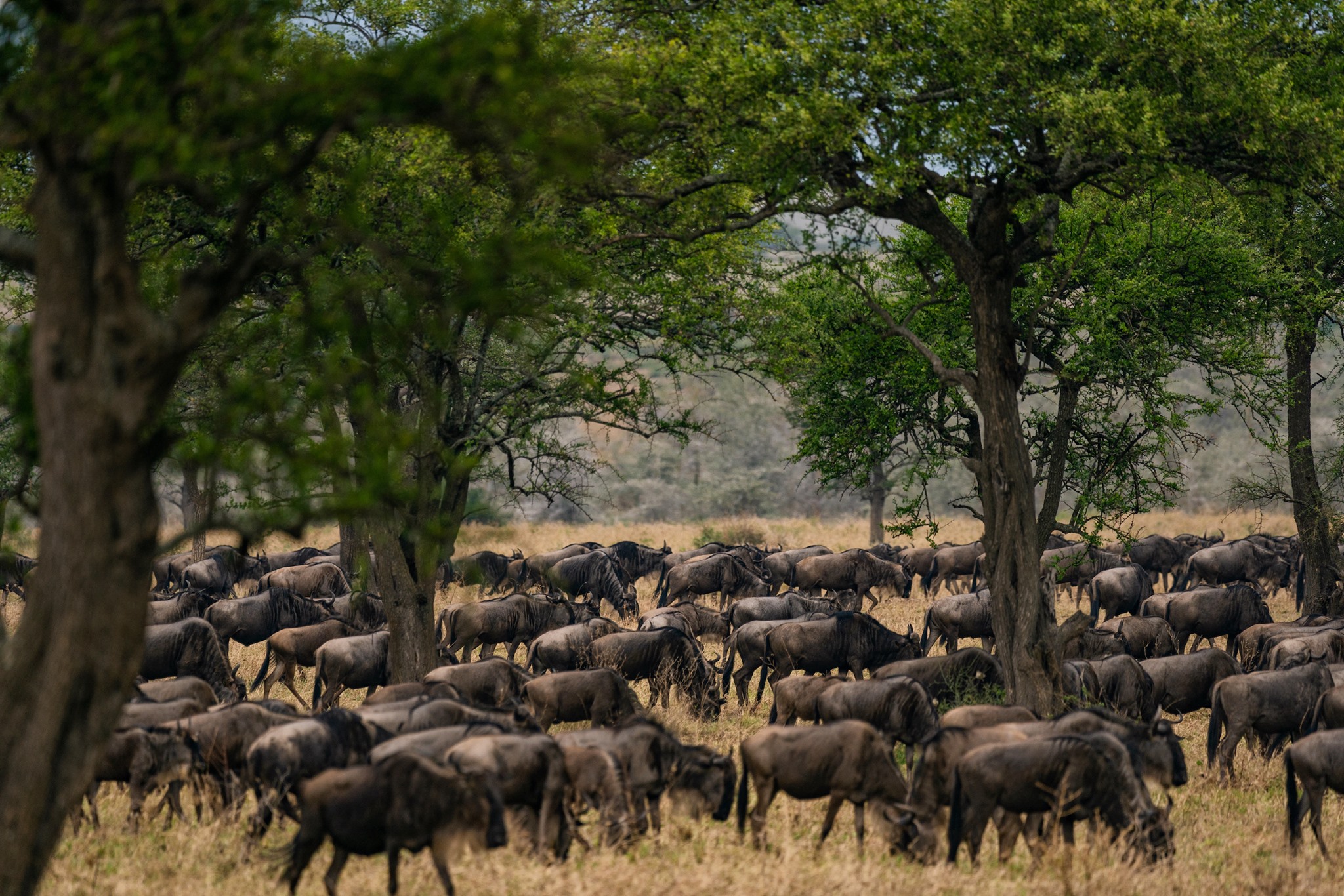
That scale suits the wildlife that lives here. Tsavo East holds some of Africa’s largest elephant herds, the same red-dust colouring found on Tsavo West’s elephants shows up here too, sometimes across herds numbering in the hundreds rather than the dozens. The Galana River cuts through the park’s flatter ground, tumbling briefly over rock at Lugard Falls, and Aruba Dam gathers wildlife to its waters through the dry months the way permanent water always does in Tsavo.

This is also, quietly, one of the more important conservation addresses in Kenya. A safeguard population of hirola, the world’s rarest antelope, lives protected inside the park, and orphaned elephants raised at the Sheldrick Wildlife Trust’s Nairobi nursery are released back into the wild here once they’re ready, at the Ithumba Reintegration Unit in the park’s north.

At a glance

13,747 km²
Size
1948
Established
Taita-Taveta County, Kenya
Region
Red elephants, the Yatta Plateau, vast open plains
Known for
Why visit Tsavo East Safari
Why Tsavo East Safari

Tsavo East plays a different game to every other park on this site. It isn’t competing on migration drama or density of sightings, it’s offering scale, uncrowded plains that run for as far as you can see, herds of elephant that gather in the hundreds rather than dozens, and a lava ridge long enough to mark the whole western horizon.

  • The World's Longest Lava Flow The Yatta Plateau runs nearly 300 kilometres along the park's western edge, a single ancient lava flow unlike anything else in Kenya.
  • One of the Largest National Parks on Earth Close to 13,750 square kilometres of open plains, room enough that crowded sightings are rarely the problem here.
  • Elephant Herds on a Different Scale The same red-dust elephants found across Tsavo, but here often gathering in herds of a hundred or more.
  • A Safeguard Home for the World's Rarest Antelope A protected population of hirola lives inside the park, a species found almost nowhere else on Earth.
What you'll likely see

Key species at Tsavo East Safari

What past travellers have consistently seen on a Tsavo East safari, across some of the widest game-viewing country in Kenya.

· · · · · · ·
Elephant
Elephant
90% chance
Buffalo
Buffalo
75% chance
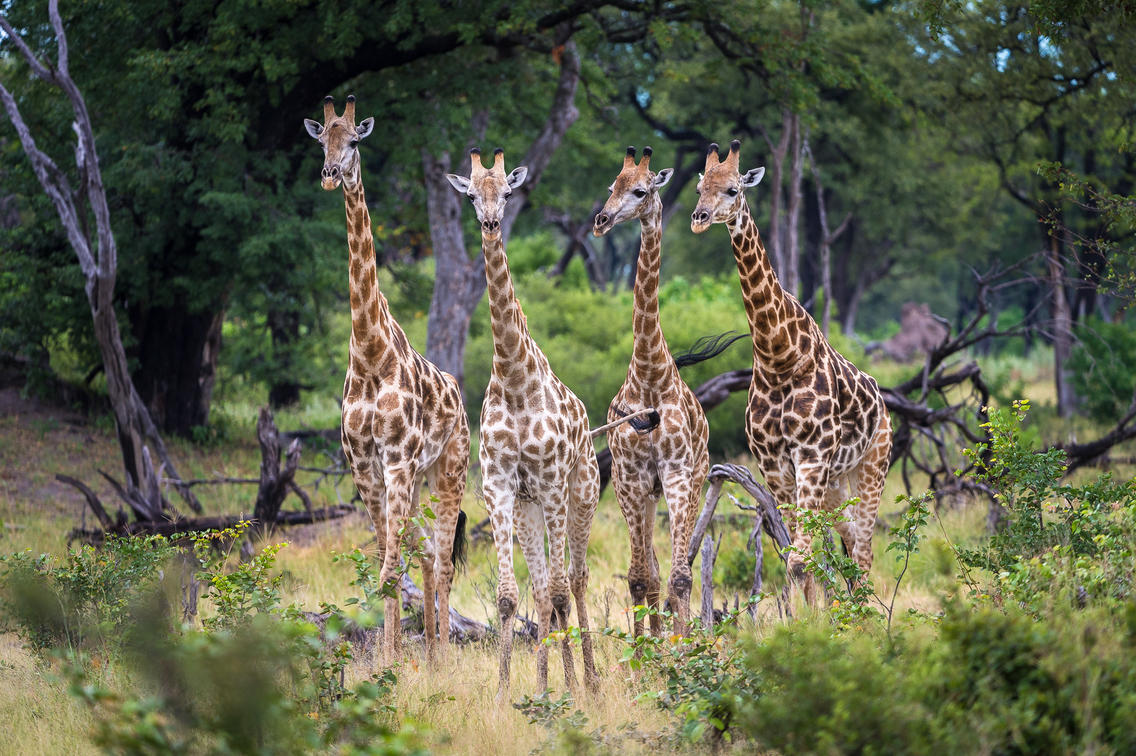
Giraffe
Giraffe
70% chance
Hippo
Hippo
70% chance
Zebra
Zebra
60% chance
Lion
Lion
60% chance
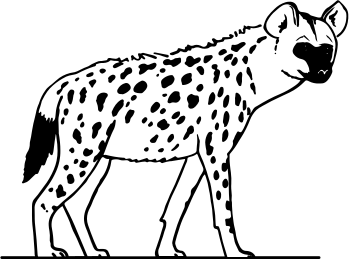
Spotted Hyena
Spotted Hyena
55% chance
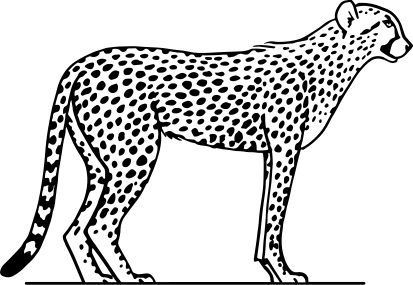
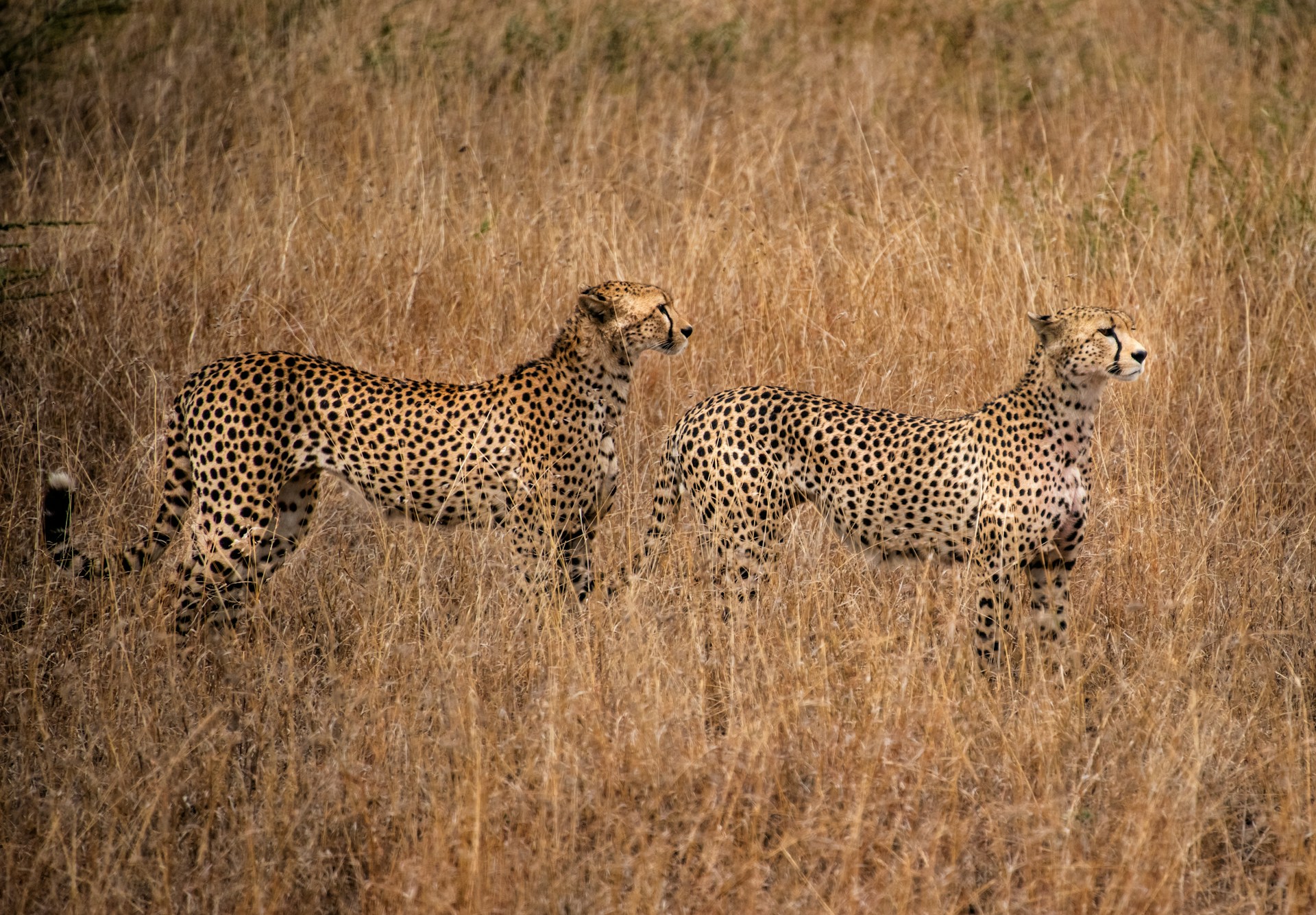
Cheetah
Cheetah
45% chance
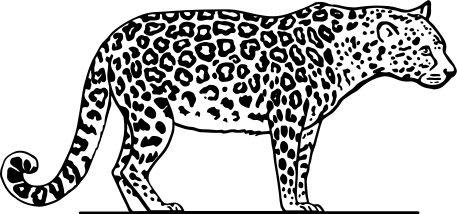
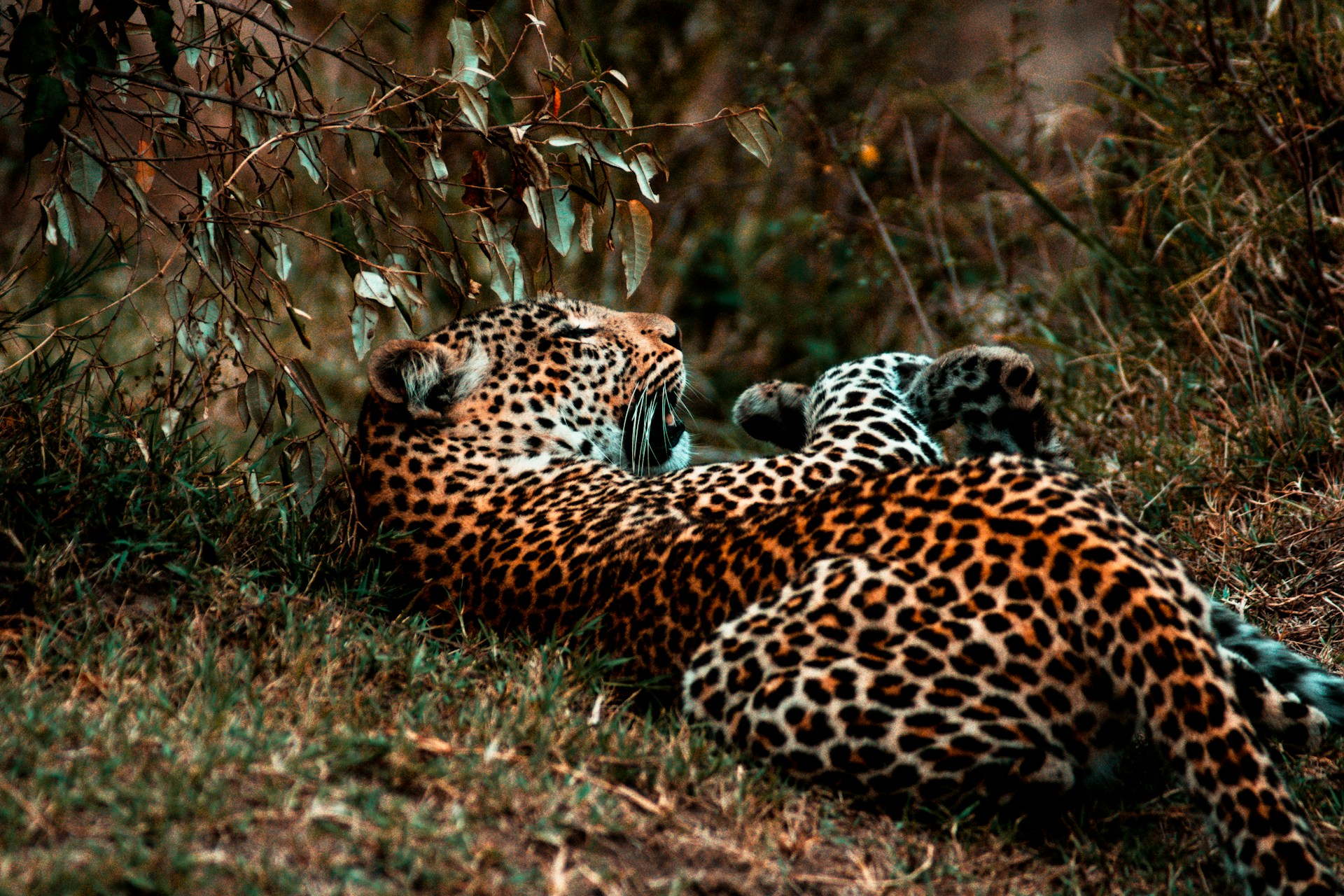
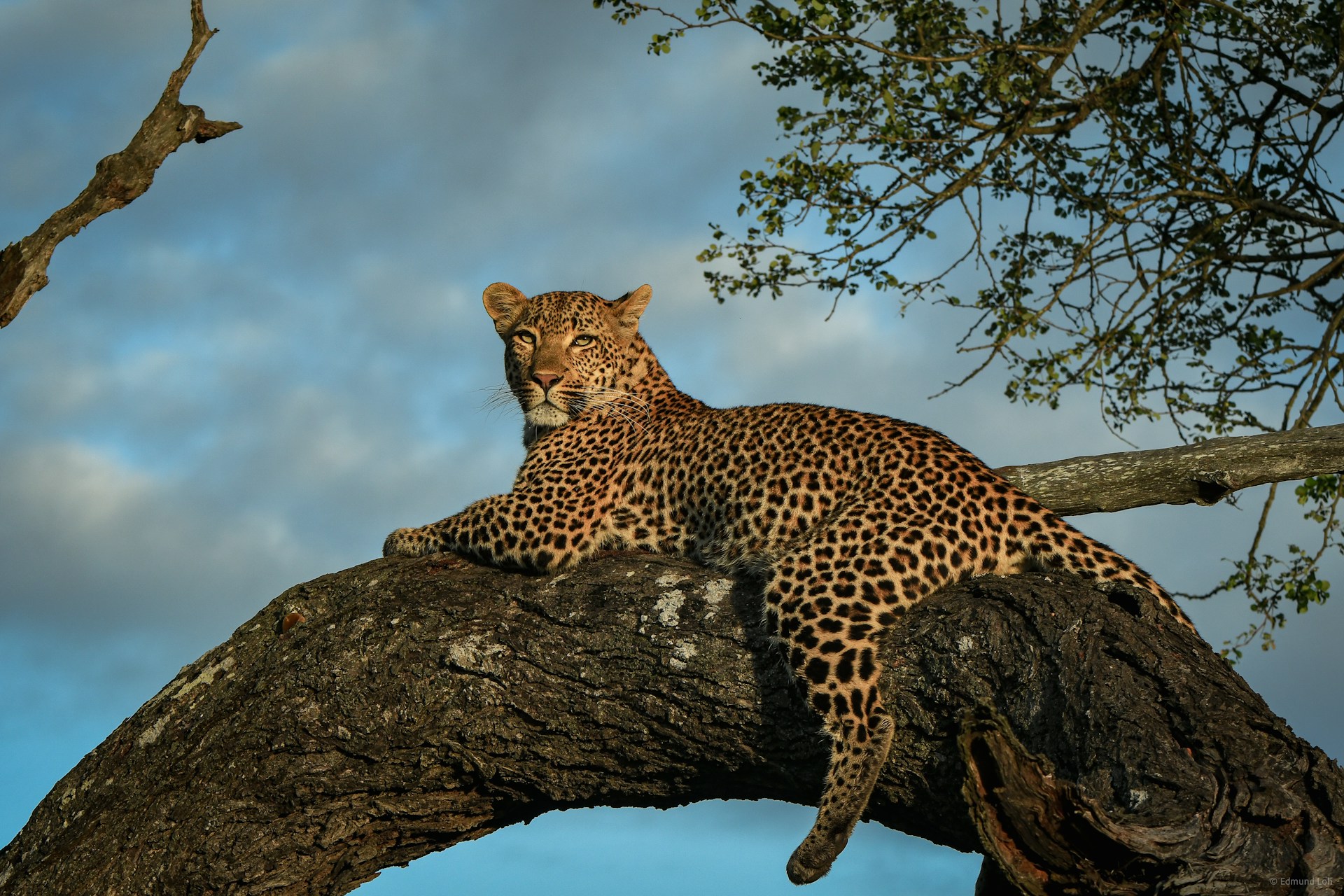
Leopard
Leopard
40% chance
Starting points

Safaris to Tsavo East Safari

A few of our Tsavo East safari packages, adjusted to your dates, pace and camp choice before anything is confirmed

Getting there

Reaching Tsavo East Safari

Tsavo East is usually reached from either direction of the Nairobi–Mombasa road, and unlike Tsavo West, it isn't served by scheduled flights, most air access here is by charter.

When to go

Best time to visit Tsavo East Safari

Jan Feb Mar Apr May Jun Jul Aug Sep Oct Nov Dec
June – October
The long dry season, when wildlife concentrates around the Galana River and Aruba Dam. The most reliable game viewing of the year, and the clearest views across the plains toward the Yatta Plateau.
November – February
Short rains give way to a short dry spell, the bush greens up and birdlife improves noticeably, with game viewing still solid and considerably fewer vehicles around.
March – May
The long rains, Tsavo East's quietest and wettest stretch. Some tracks become difficult to pass, but rates drop and the plains are at their greenest.
Responsible travel

Responsible Travel in Tsavo East

Tsavo East is home to two of Kenya's most significant conservation efforts outside a dedicated sanctuary, a wild home for orphaned elephants and a safeguard population of the world's rarest antelope, both genuinely rooted in this specific park rather than the wider region.

I

A Wild Home for Rescued Elephants

The Sheldrick Wildlife Trust's Ithumba Reintegration Unit, in the park's north, is where orphaned elephants raised at the Nairobi nursery are released back into the wild once they're ready.

II

A Safeguard Population of the World's Rarest Antelope

Hirola, a critically endangered antelope found almost nowhere else, live in a protected population inside the park, part of a wider effort to keep the species from disappearing entirely.

III

The Big Tusker Project

Tsavo Trust monitors the wider Tsavo ecosystem's rare "super tusker" elephants using aerial surveys and ground patrols, tracking this park's own large-tusked bulls alongside those in Tsavo West.

IV

Park Fees Fund Kenya Wildlife Service Operations

Entry fees collected here go to the Kenya Wildlife Service, which funds ranger salaries, anti-poaching patrols and infrastructure across Tsavo East and Kenya's other protected areas.

Ready when you are

Let's plan your Tsavo East Safari safari

A few questions, then a specialist follows up with real options, no fixed packages, no pressure.

Start planning