Ngorongoro Crater

Tanzania · Conservation Area

Ngorongoro Crater

A collapsed volcano holding one of Africa's densest concentrations of wildlife, visible on the crater floor every single day of the year, no migration timing required. Here's what to know before you plan your trip.

8,292 km²Size 1959Established Ngorongoro District, Arusha Region, TanzaniaRegion
Overview

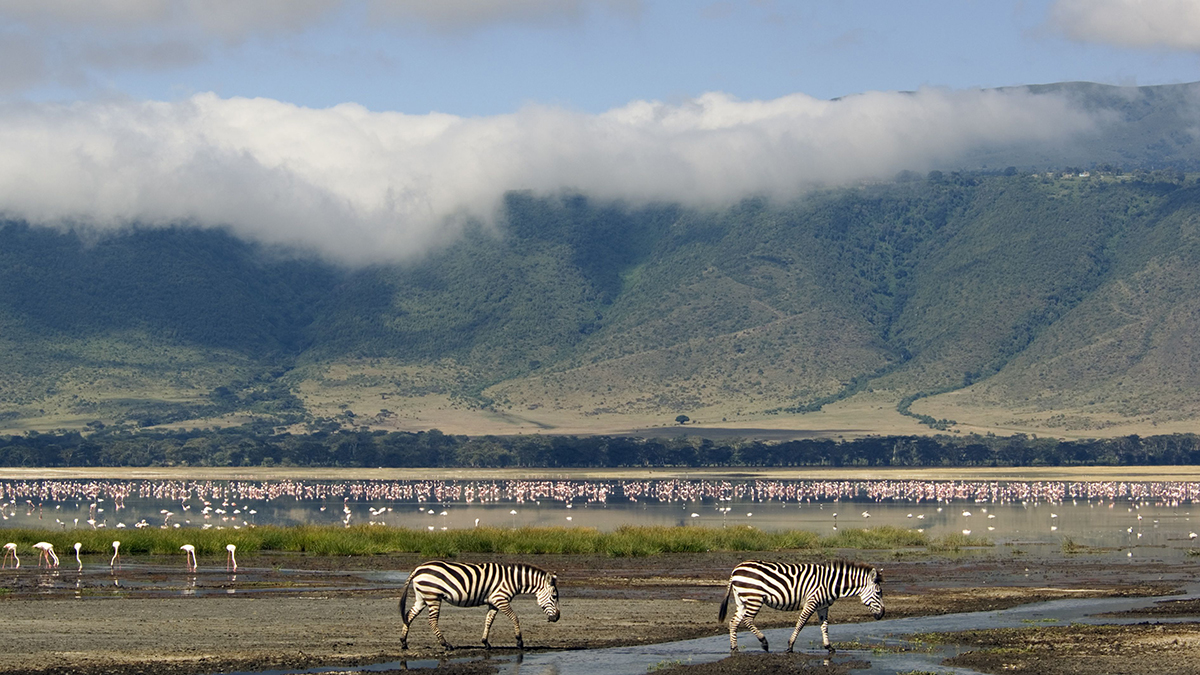
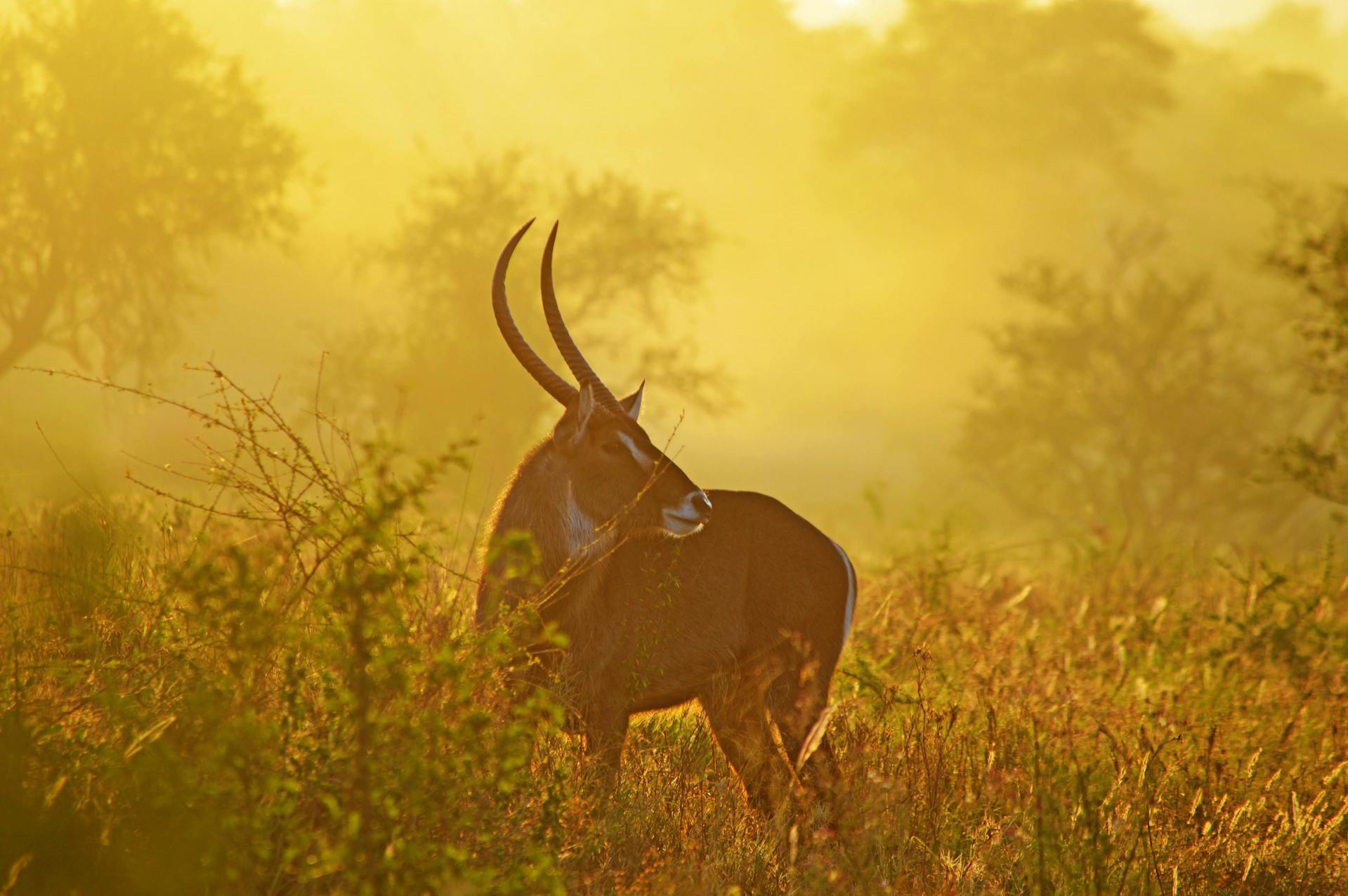
Most of Tanzania’s wildlife moves. The Ngorongoro Crater’s mostly doesn’t. Roughly 25,000 large animals live inside a collapsed volcanic caldera 20 kilometres across and 600 metres deep, a natural enclosure so complete that lions, wildebeest, zebra, buffalo and rhino stay resident on its floor year-round, visible on a single morning drive rather than something you have to time your trip around.

The crater is the headline, but the Conservation Area around it holds two more things worth knowing about. Its southern plains, around Ndutu, are where the Serengeti migration’s wildebeest calve each year between January and March, meaning this property quietly hosts one of the greatest wildlife spectacles on the continent on its own land, not just next door to it. And Olduvai Gorge, inside the same boundary, is one of the most important sites in human history, where fossil discoveries reshaped what we know about our own origins.

Ngorongoro is also, structurally, unlike the Mara, Serengeti or either Tsavo park on this site. It isn’t a national park; Maasai communities live inside the Conservation Area alongside the wildlife, herding cattle across the same land, a multiple-use model that’s existed since the boundary was first drawn in 1959.

Why visit Ngorongoro Crater
Why Ngorongoro Crater

Ngorongoro solves a problem every other safari destination has to work around. Everywhere else, seeing the Big Five well means timing a trip around a migration or hoping for luck across a vast reserve. Here, a genuinely dense, resident wildlife population sits inside a single, enclosed crater floor small enough to cross in a morning, which is why this is often the single most reliable game drive in Africa, any day of the year.

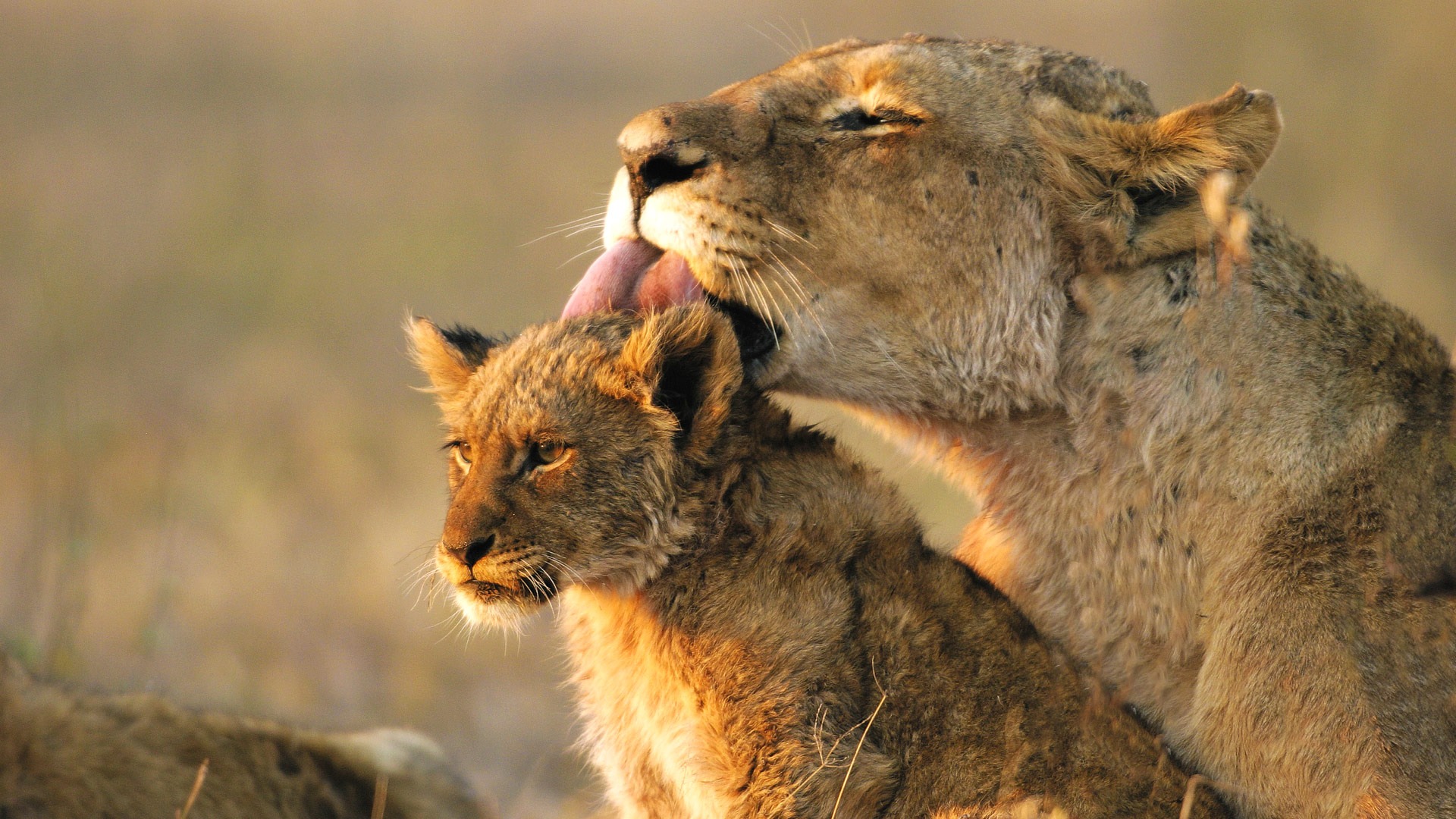
  • Widely Cited as Africa's Densest Lion Population

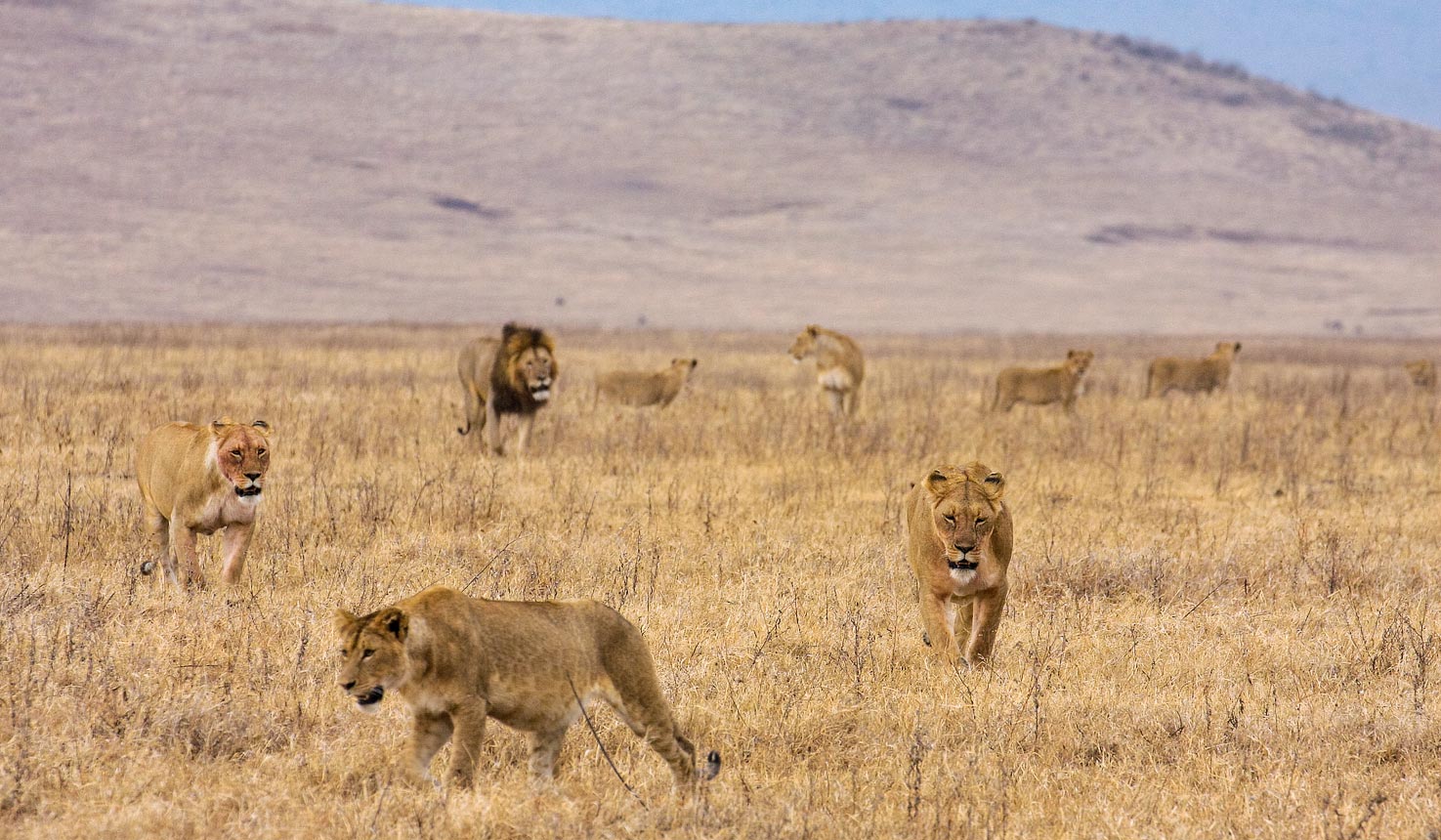
    Up to 100 lion live on the crater floor, reputedly the highest density concentration anywhere on the continent.

  • Resident Wildlife, Visible Any Day of the Year

    The crater's Big Five don't migrate, unlike the Mara or Serengeti, there's no season where the sightings simply aren't here.

  • The Site Where Human Origins Were Rewritten

    Olduvai Gorge, inside the same Conservation Area, is one of the most important paleoanthropology sites on Earth.

  • A Collapsed Volcano You Can See in a Single Frame

    The world's largest intact, unfilled volcanic caldera, 20 kilometres across, a landscape unlike anywhere else on this site.

What you’ll likely see

Key species at Ngorongoro Crater

What past travellers have consistently seen on the crater floor, Ngorongoro's resident wildlife doesn't migrate, so these odds hold steady all year.

Wildebeest
Wildebeest
90% chance
Lion
Lion
90% chance
Zebra
Zebra
85% chance
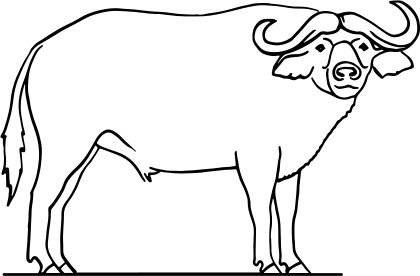
Buffalo
Buffalo
80% chance
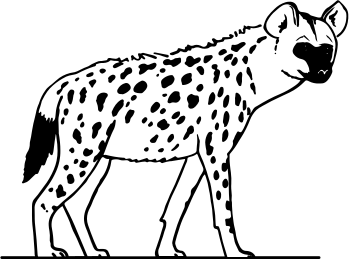
Spotted Hyena
Spotted Hyena
80% chance
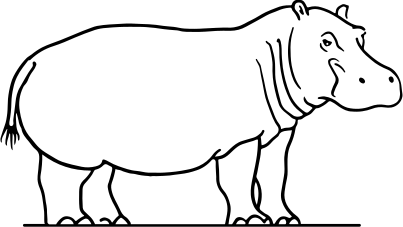
Hippo
Hippo
65% chance
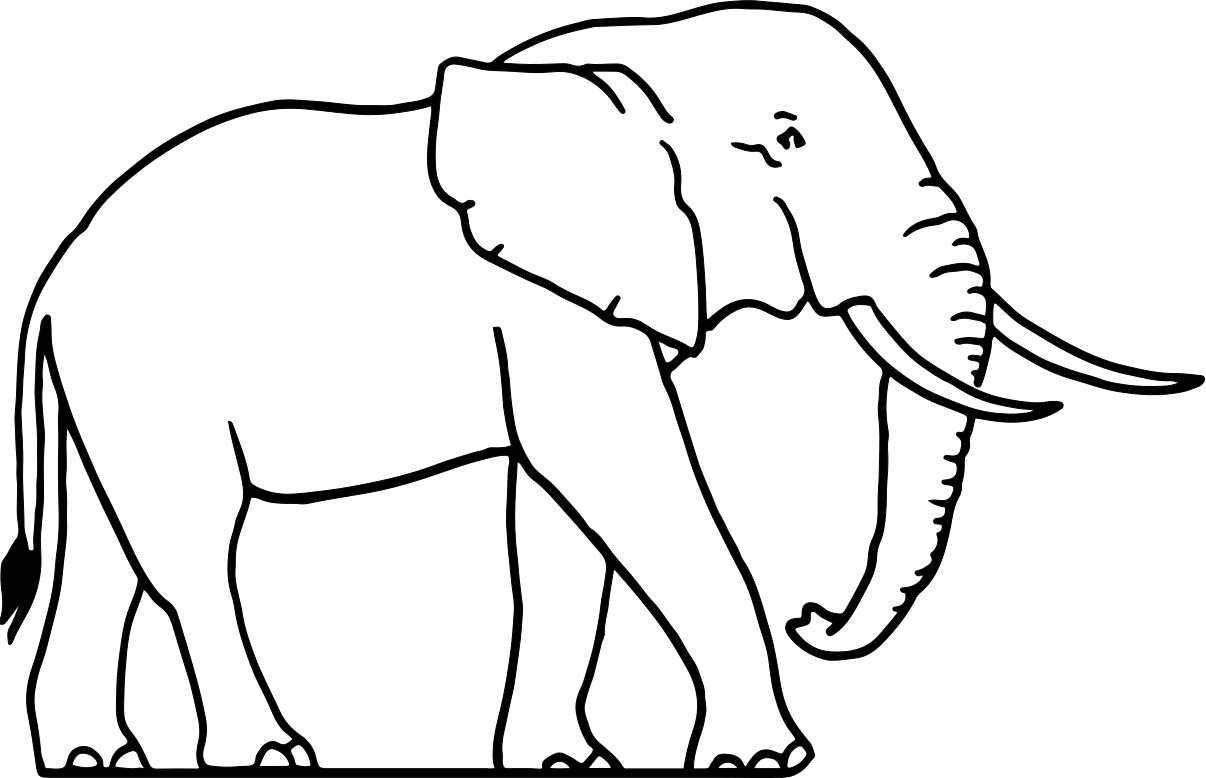
Elephant
Elephant
45% chance
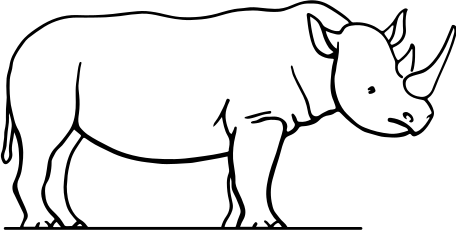
Black Rhino
Black Rhino
40% chance
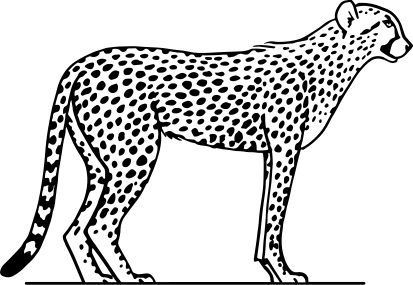
Cheetah
Cheetah
30% chance
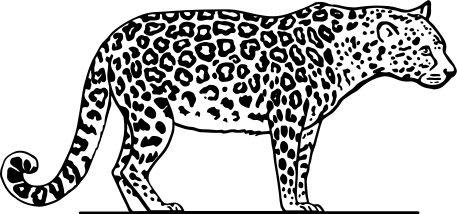
Leopard
Leopard
25% chance
Starting points

Safaris to Ngorongoro Crater

A few of our Ngorongoro safari packages, adjusted to your dates, pace and camp choice before anything is confirmed

Getting there

Reaching Ngorongoro Crater

Ngorongoro is reached almost entirely by road, most fly-in itineraries land elsewhere and drive the final stretch, and it's worth knowing the entrance gate isn't the same as the crater floor, there's real driving time between the two.

When to go

Best time to visit Ngorongoro Crater

Jan (best) Feb (best) Mar (best) Apr May Jun (best) Jul (best) Aug (best) Sep (best) Oct (best) Nov Dec

Best months

  • June – October The dry season, clear crater rim views and the easiest roads down onto the floor. The most comfortable time to visit, though the crater's resident wildlife is reliable regardless of season.
  • December – March Calving season on the Conservation Area's southern plains around Ndutu, when the Serengeti migration's wildebeest give birth on Ngorongoro's own land, alongside the crater's own year-round residents.
  • April – May The long rains, misty mornings on the crater rim and muddier roads down to the floor, but also the quietest and greenest stretch of the year, and the resident wildlife doesn't go anywhere.
Responsible travel

Responsible Travel in Ngorongoro Crater

Ngorongoro's conservation story is different from every other park on this site, it isn't just about protecting wildlife from people, it's a working example of wildlife and people sharing the same land, alongside a genuine rhino recovery story and one of the most important archaeological sites on Earth.

Common questions

Ngorongoro Crater, answered

Genuinely, almost any time. The crater’s wildlife is resident, not migratory, so sightings hold up year-round. June to October gives the clearest rim views and easiest roads, while December to March adds calving season on the Conservation Area’s southern plains as a bonus reason to visit.

It depends on the season, which part of the Conservation Area you base yourself in, and how many nights you spend there, so there isn’t one number that fits every trip. Tell us your dates and priorities and we’ll put together a tailored quote rather than a generic estimate.

One full day on the crater floor covers the highlights properly, most itineraries pair it with one or two nights, a night on the rim before the descent and, often, a further night nearby before continuing to the Serengeti.

No, it’s a Conservation Area, a distinction that matters. Maasai communities live and graze cattle inside the boundary alongside the wildlife, a multiple land use model that’s existed since 1959, unlike the fenced or exclusively wildlife-designated parks elsewhere in Tanzania and Kenya.

Yes, and most itineraries do, they share a boundary and the drive between them, 4 to 6 hours, is considered part of the safari itself rather than a wasted transfer day, with wildlife sightings and viewpoints along the way.

Ready when you are

Let’s plan your Ngorongoro Crater safari

A few questions, then a specialist follows up with real options, no fixed packages, no pressure.

Start planning