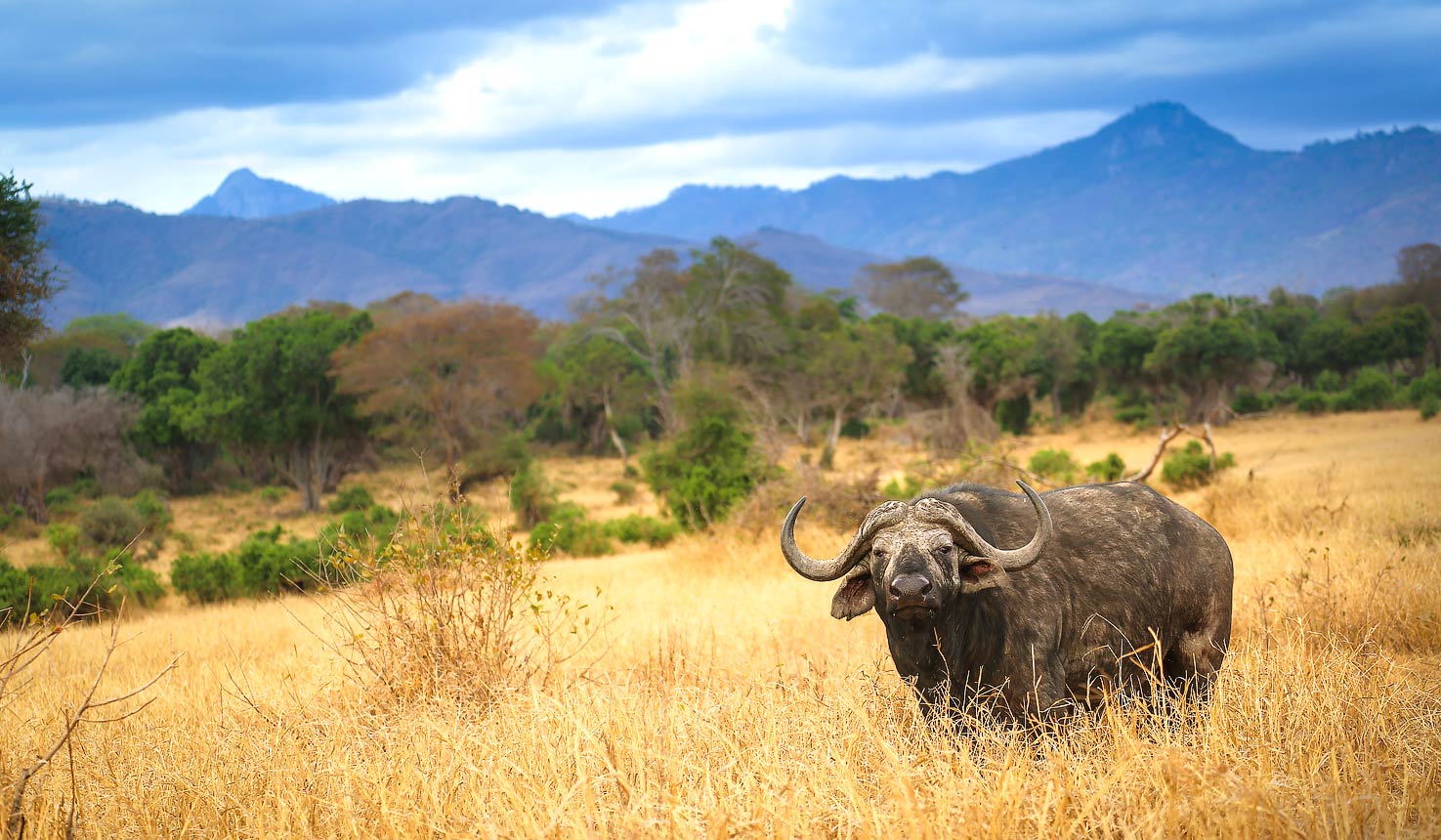
Tsavo West National Park

Tsavo West National Park

Underground springs thick with hippo and crocodile, elephants dusted red from volcanic soil, and a landscape shaped by lava rather than just grass. Here's what to know before you plan your trip.

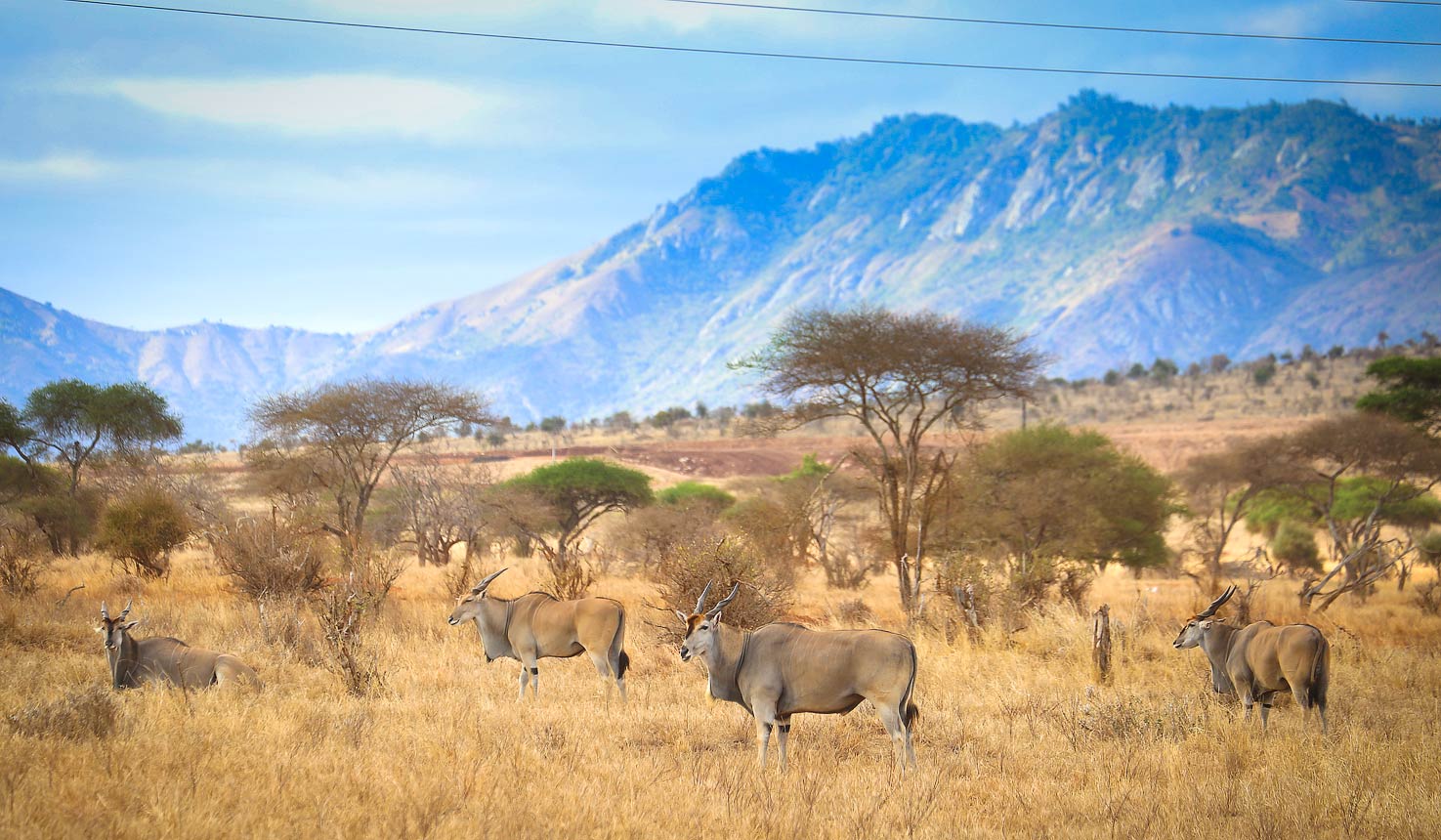
Most safari parks give you grass to the horizon. Tsavo West gives you that too, but it also gives you a landscape that looks like it’s still being made, a black lava field frozen mid-flow, a volcanic hill you can climb for a view over the whole park, and a natural spring so clear you can watch hippos move underwater through a glass wall built into its bank. Nowhere else in Kenya feels quite like this.

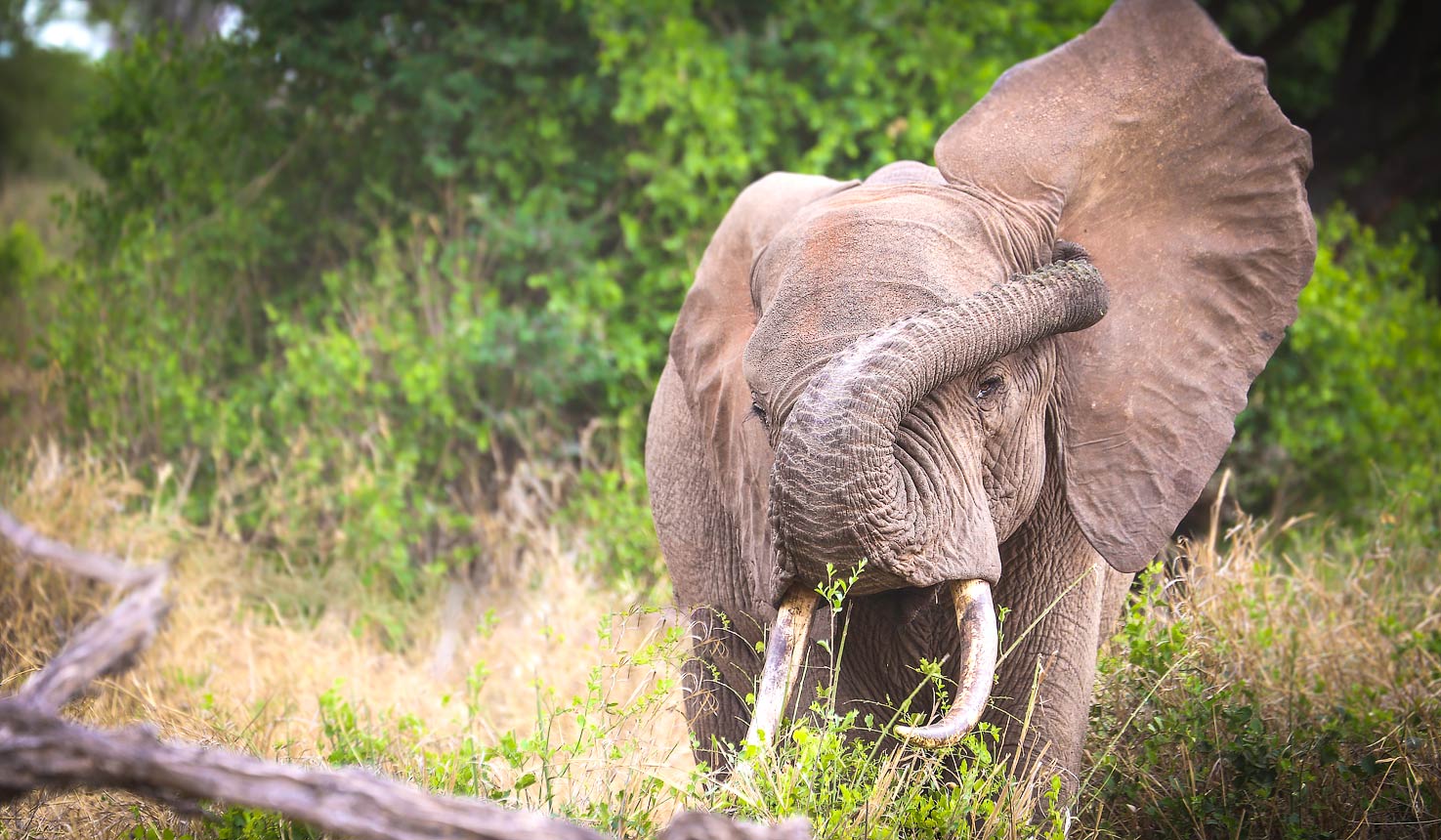
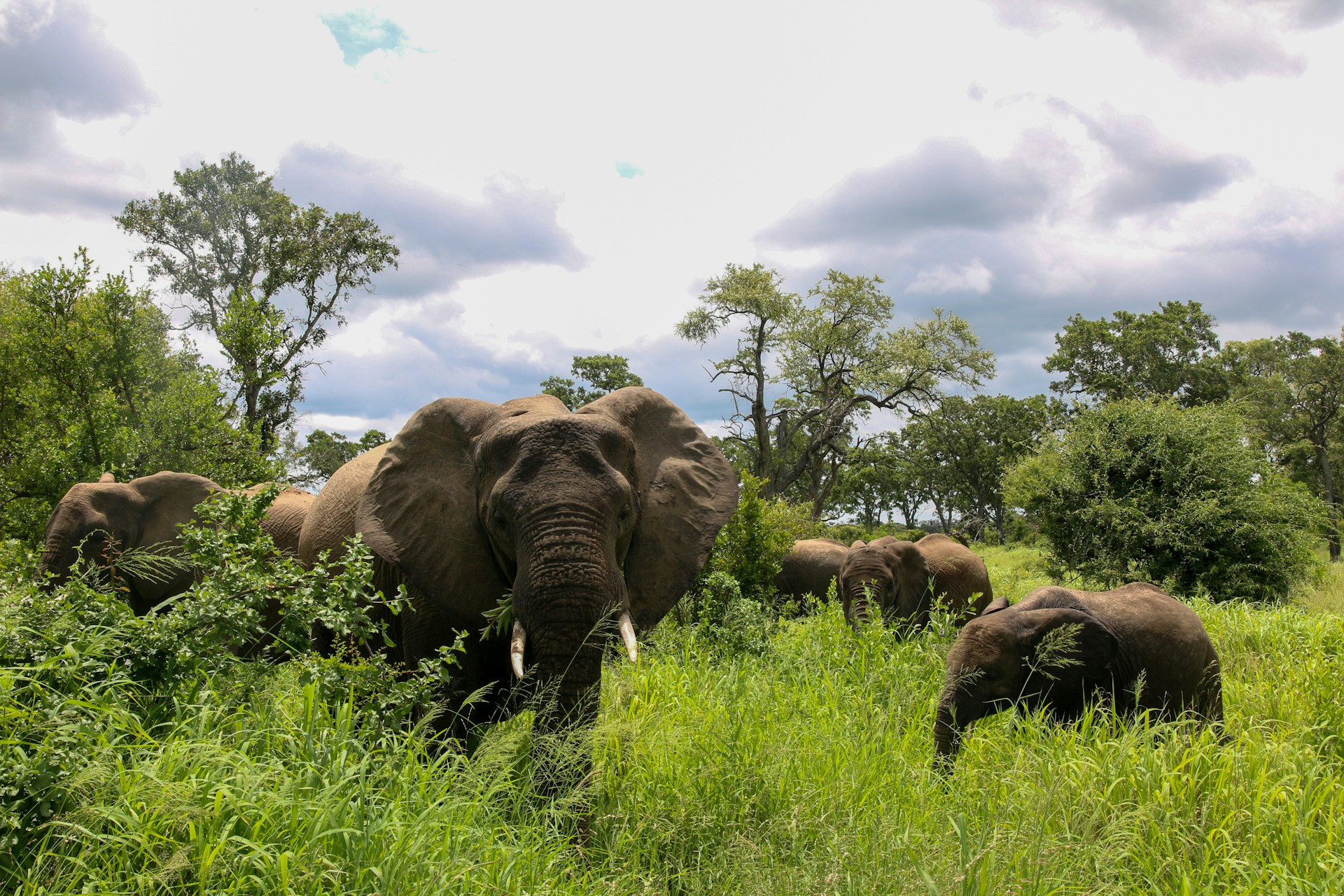
The wildlife here wears the landscape on its skin. Tsavo’s elephants are famous for turning a deep red from dust-bathing in the park’s volcanic soil, a detail that shows up in nearly every photograph taken here and in almost none taken anywhere else. Lions, leopards, buffalo and a genuinely protected population of black rhino share the same ground, drawn to the same permanent water that makes Tsavo West reliable even in the driest months.

A Tsavo West safari also solves a logistics problem the Mara and Serengeti don’t: it sits directly on the road between Nairobi and Mombasa, which makes it the natural place to break a journey between the two, or to pair with a Kenyan beach finish without adding a special flight just to get there.

At a glance

9,065 km²
Size
1948
Established
Taita-Taveta County, Kenya
Region
Mzima Springs, red elephants, volcanic scenery
Known for
Why visit Tsavo West National Park
Why Tsavo West National Park

Tsavo West earns its place on an itinerary by being genuinely different from the parks around it. It isn’t chasing the same migration story as the Mara or Serengeti; it’s built around permanent water, volcanic geology and a rhino population that’s actually protected well enough to be reliably seen- three things that don’t overlap anywhere else in Kenya.

  • An Underwater Window Into Mzima Springs A glass-walled viewing chamber lets you watch hippo and crocodile move beneath the surface of the springs, not just from the bank.
  • The Famous Red Elephants of Tsavo Dust-bathing in the park's red volcanic soil turns Tsavo's elephants a colour you won't see anywhere else in Kenya.
  • A Landscape Shaped by Lava, Not Just Grass The Shetani lava flow and Chaimu volcanic hill give Tsavo West a scenery few other Kenyan parks can match.
  • A Real Chance to See Black Rhino Ngulia Rhino Sanctuary protects a genuine breeding population inside the park, rather than leaving sightings to chance.
What you'll likely see

Key species at Tsavo West National Park

What past travellers have consistently seen on a Tsavo West safari, concentrated around the park's permanent water.

· · · · · · ·
Elephant
Elephant
95% chance
Hippo
Hippo
85% chance
Buffalo
Buffalo
80% chance
Giraffe
Giraffe
75% chance
Lion
Lion
70% chance
Zebra
Zebra
70% chance
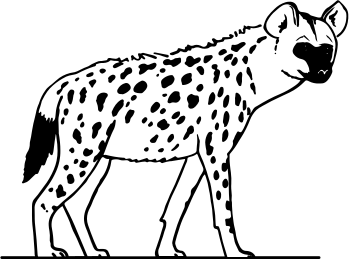
Spotted Hyena
Spotted Hyena
55% chance
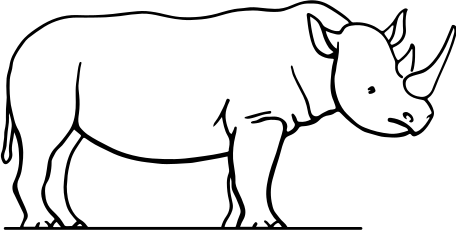
Black Rhino
Black Rhino
45% chance
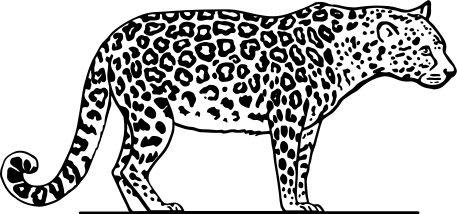
Leopard
Leopard
40% chance
Getting there

Reaching Tsavo West National Park

Tsavo West sits directly on the road between Nairobi and Mombasa, so most travellers reach it by road rather than flying in specially, though both options work well.

When to go

Best time to visit Tsavo West National Park

Jan Feb Mar Apr May Jun Jul Aug Sep Oct Nov Dec
June – October
The long dry season, when wildlife concentrates around Mzima Springs and the park's other permanent water. The most reliable game viewing of the year, and the clearest views toward Kilimanjaro
November – February
Short rains give way to a short dry spell, the bush greens up, birdlife picks up noticeably, and game viewing stays solid without peak-season crowds.
March – May
The long rains, Tsavo West's quietest and wettest stretch, some roads become difficult after heavy storms, but rates drop and the volcanic landscape is at its greenest.
Best time to visit
Responsible travel

Responsible Travel in Tsavo West

Tsavo West's conservation story is built around two things worth protecting deliberately rather than hoping for the best, its elephants and its black rhino, both targeted by poaching in the past and both now the focus of real, ongoing protection work.

I

The Big Tusker Project

Tsavo Trust monitors the wider Tsavo ecosystem's rare "super tusker" elephants, elephants with tusks so large they were once thought extinct, using aerial surveys and ground patrols to protect them from poaching.

II

A Fenced, Actively Protected Rhino Population

Ngulia Rhino Sanctuary keeps its black rhino population inside a protected perimeter with dedicated ranger patrols, the reason sightings here are meaningfully more reliable than in most open-range parks.

III

Aerial Patrols Across the Wider Ecosystem

Tsavo Trust's aerial unit covers the greater Tsavo Conservation Area, not just the park boundary, tracking elephant movement and poaching activity across land wildlife doesn't recognise as a border.

IV

Park Fees Fund Kenya Wildlife Service Operations

Entry fees collected here go to the Kenya Wildlife Service, which funds ranger salaries, anti-poaching patrols and infrastructure across Tsavo West and Kenya's other protected areas.

Common questions

Tsavo West National Park, answered

June through October is the most reliable stretch; the dry season concentrates wildlife around Mzima Springs and the park’s other permanent water. January and February offer a shorter dry window with fewer visitors, while March to May brings the long rains and the quietest, greenest stretch of the year.

It depends on the season, which part of the park you base yourself in, and how many nights you spend there, so there isn’t one number that fits every trip. Tell us your dates and priorities, and we’ll put together a tailored quote rather than a generic estimate.

Two to three nights is enough to see Mzima Springs, the Shetani lava flow and a proper game drive or two without feeling rushed. Many travellers pair it with one or two nights here as a stop between Nairobi and the coast, rather than a standalone multi-day safari.

Yes, more naturally than almost anywhere else in Kenya. It sits directly on the road between Nairobi and Mombasa, so it pairs easily with a beach extension, and Chyulu Gate connects to Amboseli in around 3 hours if you’d rather continue overland to another park than to the coast.

Very likely. Tsavo’s elephants dust-bathe in the park’s red volcanic soil as a matter of routine, not a rare event, so the reddish colouring shows up on most game drives rather than needing a specific season or a stroke of luck.

Yes, genuinely different parks, split by the Nairobi–Mombasa road and railway. Tsavo West is smaller, hillier and more varied in scenery, with Mzima Springs, volcanic landscapes and denser vegetation. Tsavo East is flatter, more open and considerably larger, better known for its own herds of red elephants across wide plains. Some itineraries visit both.

Ready when you are

Let's plan your Tsavo West National Park safari

A few questions, then a specialist follows up with real options, no fixed packages, no pressure.

Start planning