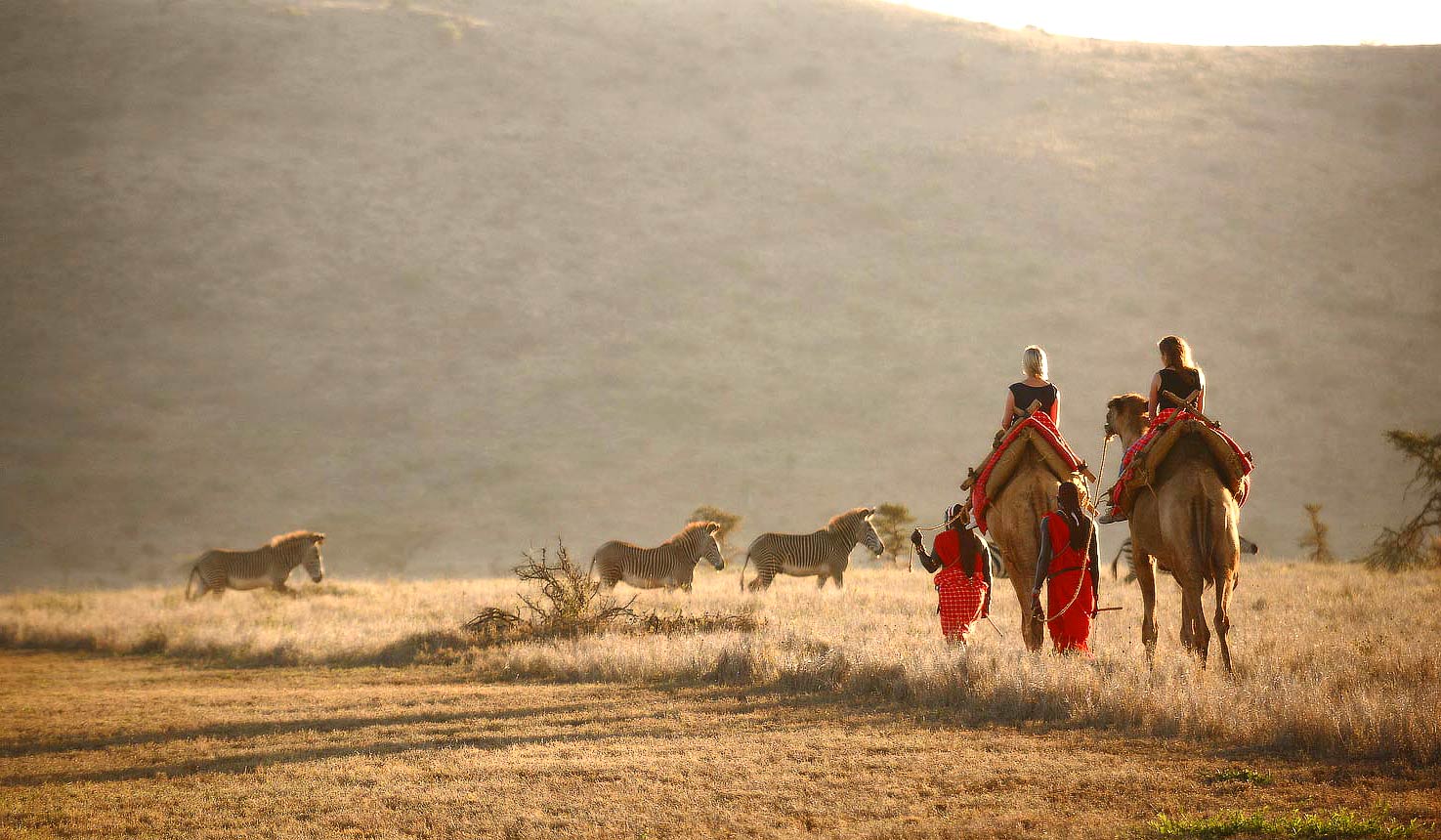
Kenya and Tanzania Safaris, where the great herds know no border

Kenya & Tanzania

Kenya and Tanzania Safaris, where the great herds know no border

Two nations, one ancient plain: the Masai Mara and the Serengeti, Ngorongoro and Kilimanjaro, woven into a single private journey and arranged entirely around you.

Overview

A Kenya and Tanzania safari unites the Masai Mara and the Serengeti, two halves of one ancient ecosystem divided only by a line on the map.

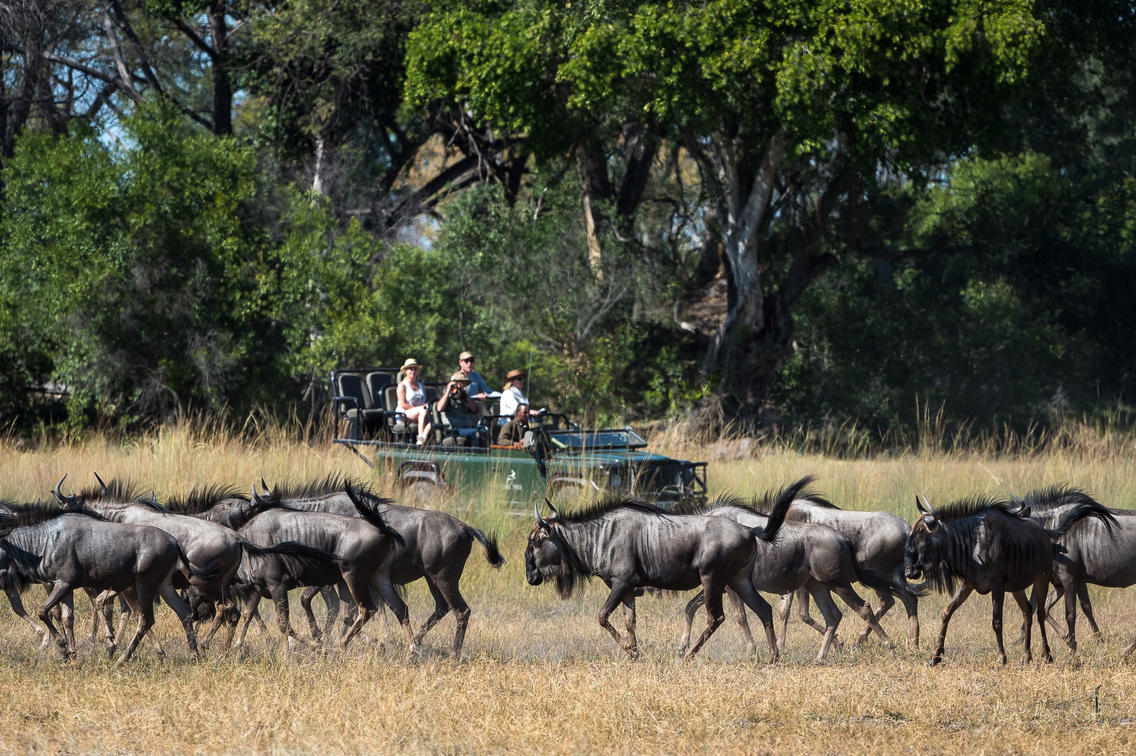
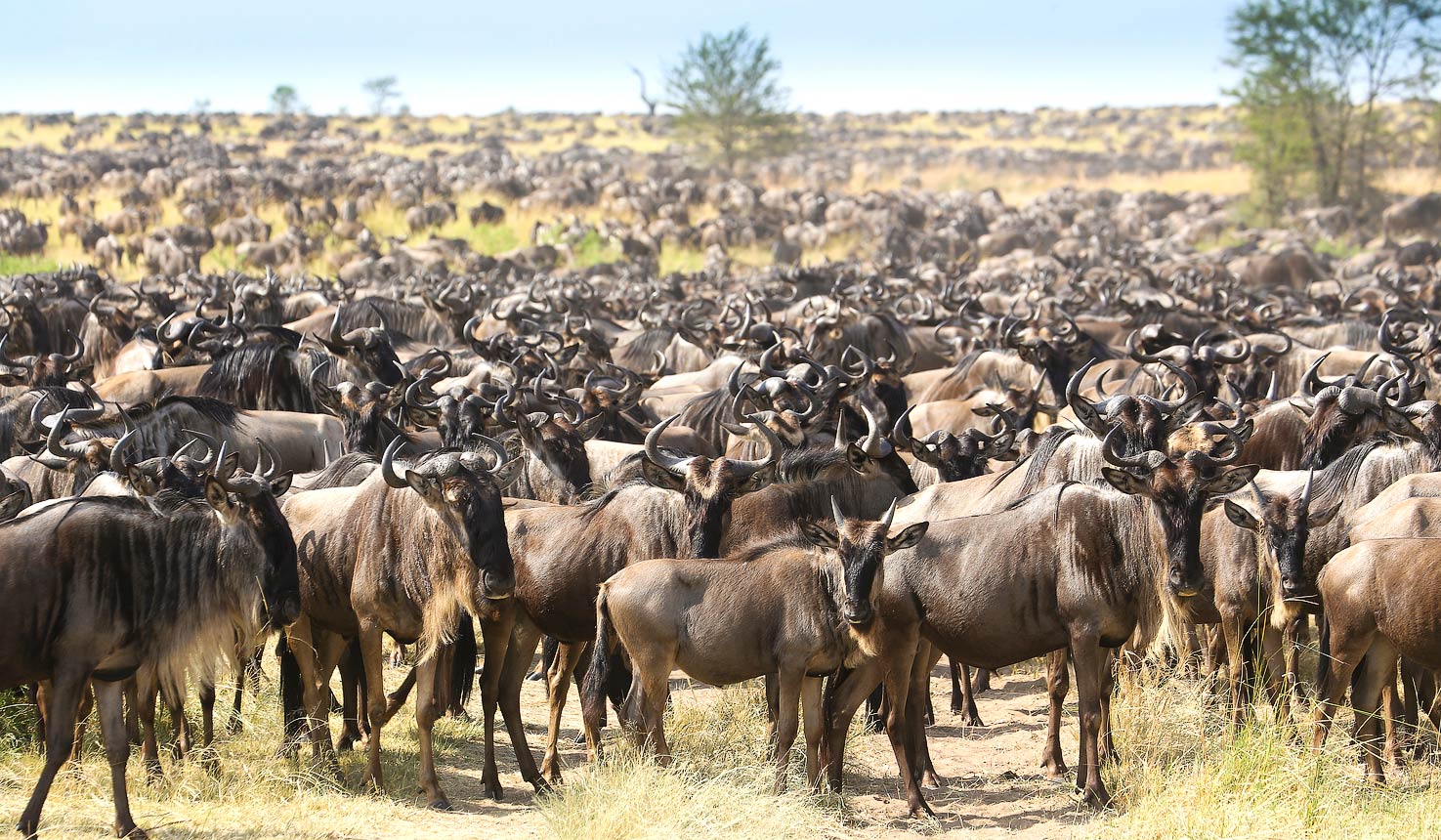
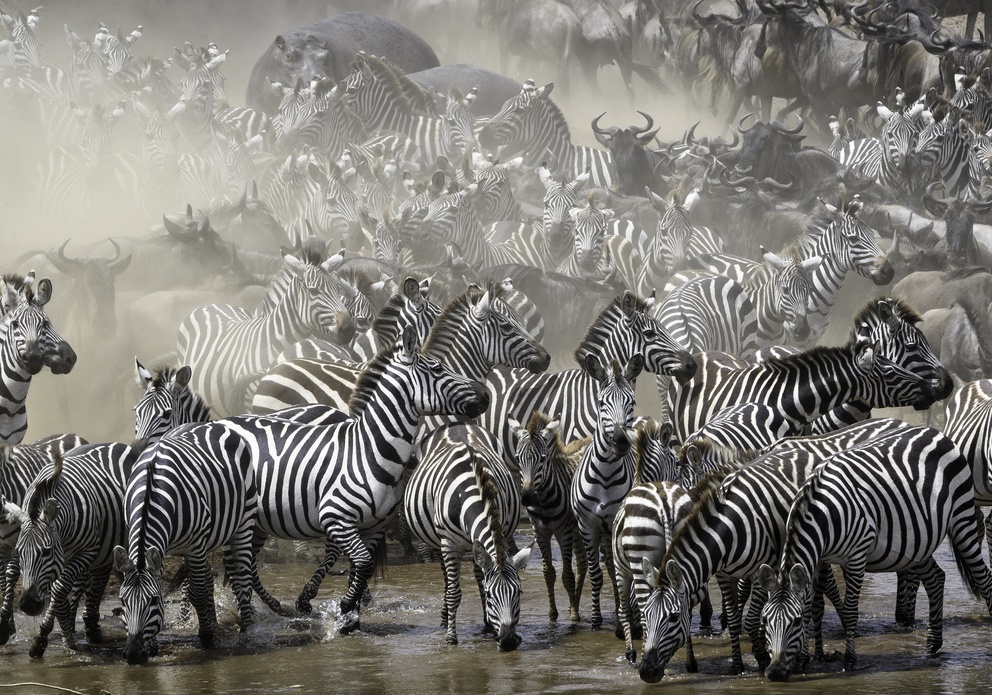
Across both, some 1.5 million wildebeest follow the rains in a slow, unending circle, and a single journey lets you follow them.

To travel both countries is to see the whole of the story rather than a chapter of it. In Kenya, the Mara offers the famed river crossings from July to October, private conservancies where vehicles are few, and Amboseli’s elephants beneath the snows of Kilimanjaro. In Tanzania, the Serengeti stretches across nearly 15,000 square kilometres, the Ngorongoro Crater holds a world entire within its walls, and the spice-scented shores of Zanzibar wait at the journey’s end.

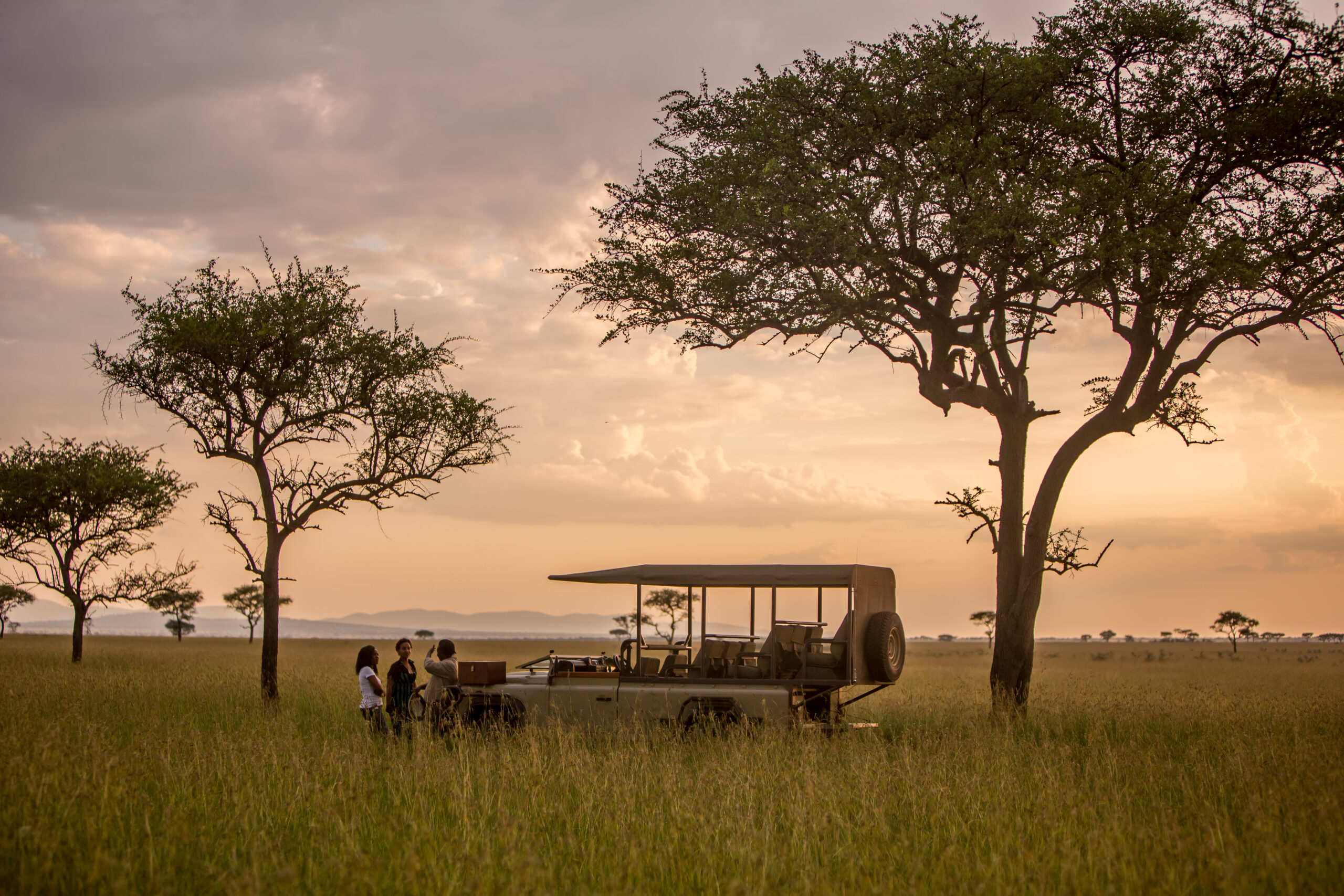
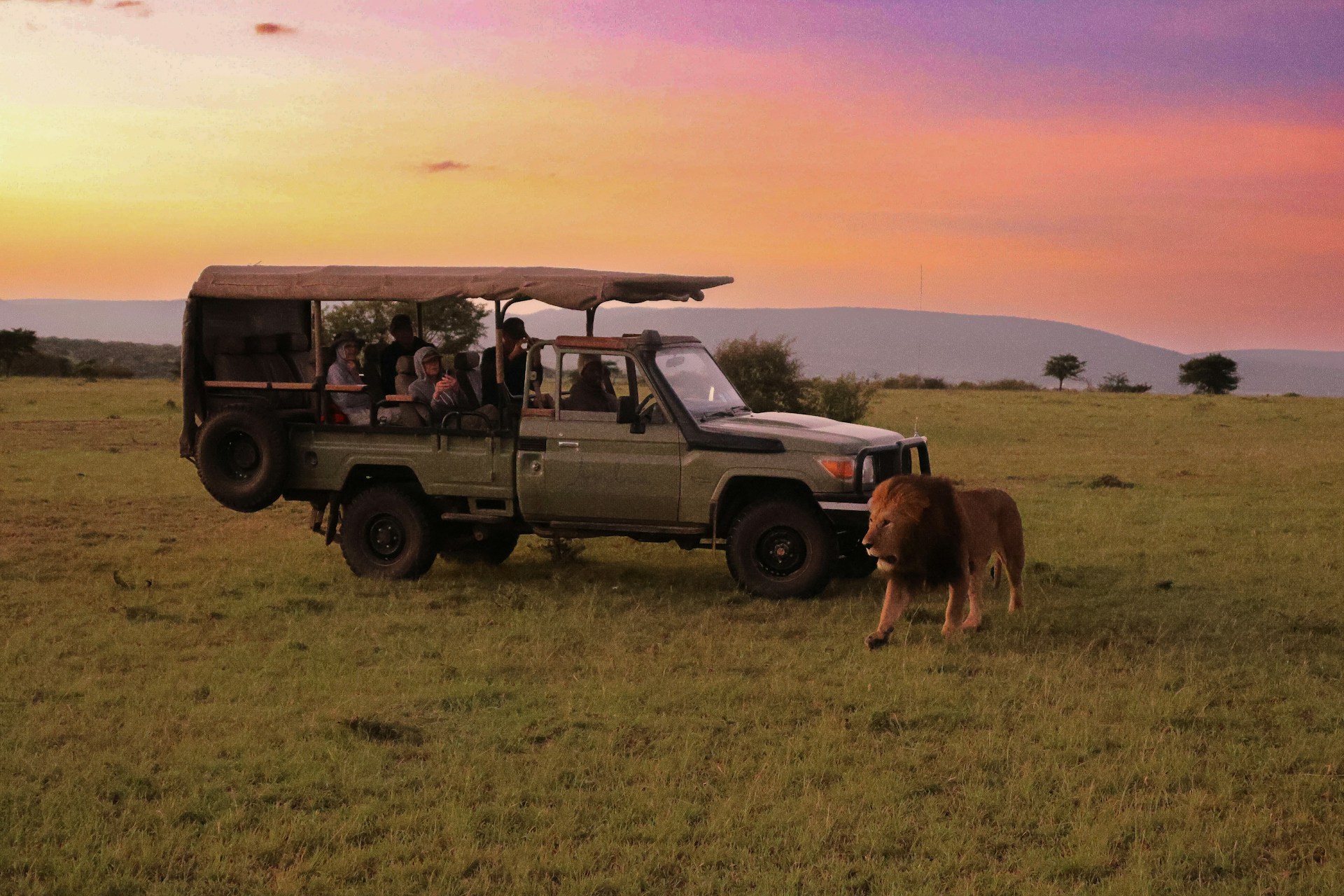
Each safari we arrange is drawn up from a blank page. There are no fixed departures and no shared vehicles: only your dates, your pace and a private guide who knows the land as intimately as home. The border crossing, the light-aircraft connections and the change of camps are attended to quietly, so that the journey feels like one unbroken passage.

Most travellers find that ten to fourteen nights allow both countries to be enjoyed without haste. A typical route begins in the Mara, crosses into the northern Serengeti, descends into Ngorongoro, and closes either on the Indian Ocean or with a final evening in Nairobi or Arusha before the flight home.

Why visit Kenya and Tanzania
Why Kenya and Tanzania

Together, the two countries hold one of the greatest concentrations of wildlife left on earth, and each completes the other. Kenya brings intimate private conservancies, superb guiding and the drama of the Mara River; Tanzania brings vast, unfenced wilderness, the Ngorongoro Crater and the calving plains of the south. One journey, thoughtfully arranged, gives you both.

  • The Great Migration

    Calving in the Serengeti, crossings in the Mara: one circle, two countries.

  • Two Styles of Safaris

    Kenya's private conservancies, Tanzania's boundless national parks.

  • Ngorongoro & Kilimanjaro

    A volcanic Eden and Africa's highest peak, on the same journey.

  • A Single, Seamless Route

    One planner, one itinerary, every border crossing and flight arranged.

Starting points

Sample Kenya and Tanzania itineraries

Every journey is drawn up afresh. These routes simply show the pace and shape that suit both countries.

What you'll do

Signature Kenya and Tanzania experiences

The moments only a journey across both countries can offer.

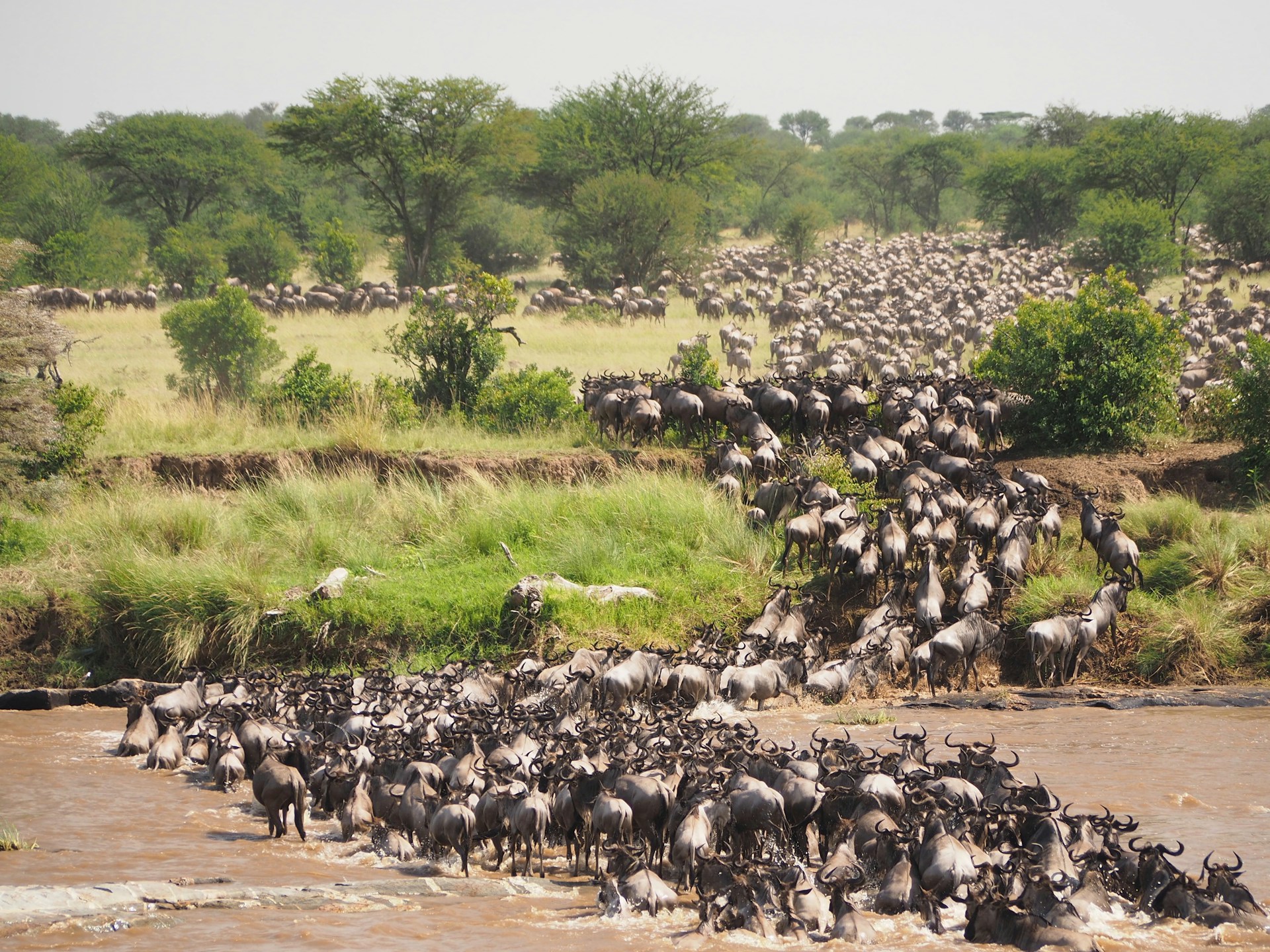
Following the Great Migration

Following the Great Migration

Follow the herds between the Serengeti and the Mara, with camps chosen for the season so the great columns are never far away.

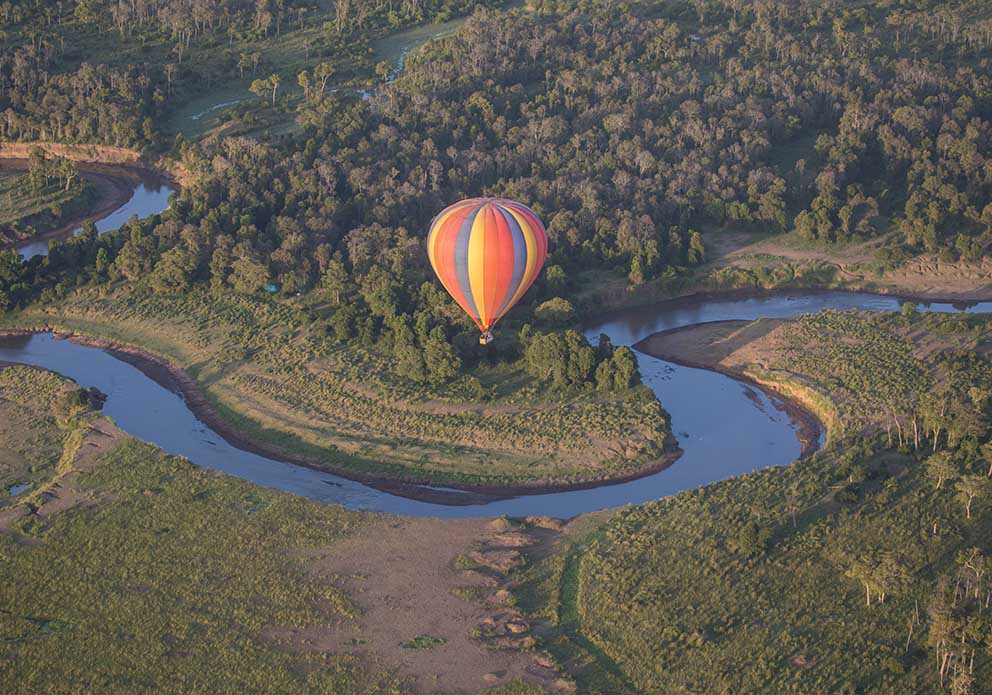
A Balloon Flight at Dawn

A Balloon Flight at Dawn

Rise over the Mara or the Serengeti at first light, drift in silence above the plains, then land to a champagne breakfast in the bush.

The Ngorongoro Crater

The Ngorongoro Crater

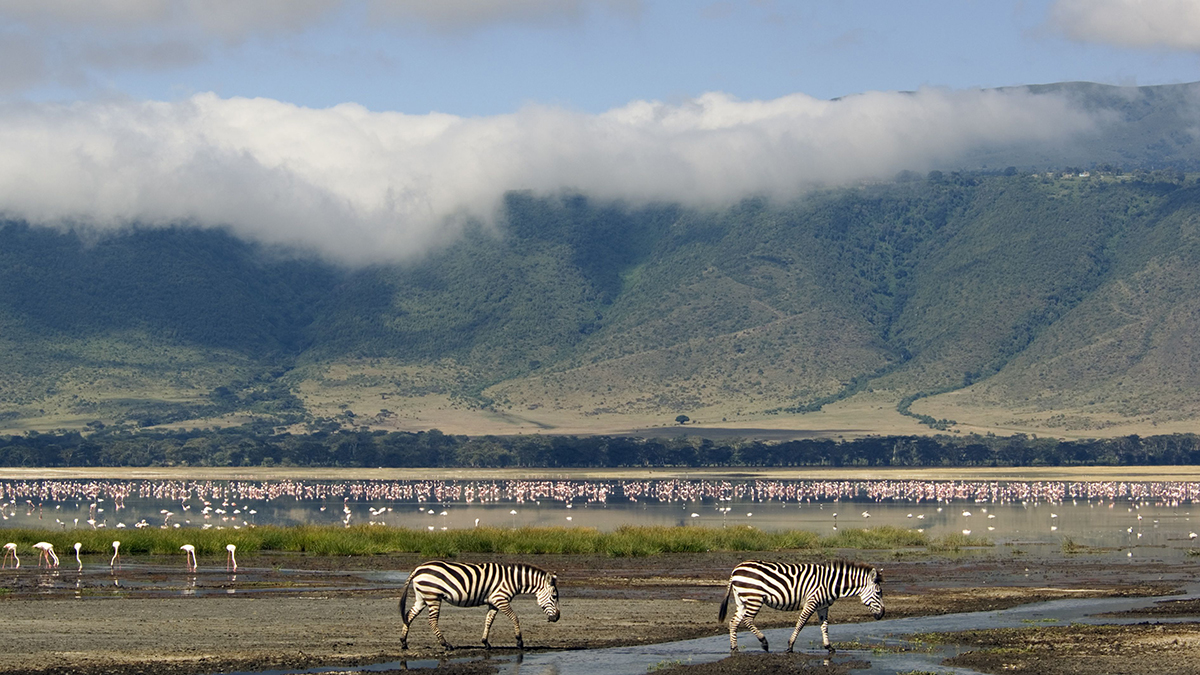
Descend at dawn into a caldera some 600 metres deep, where black rhino, lion and elephant share a world enclosed by its walls.

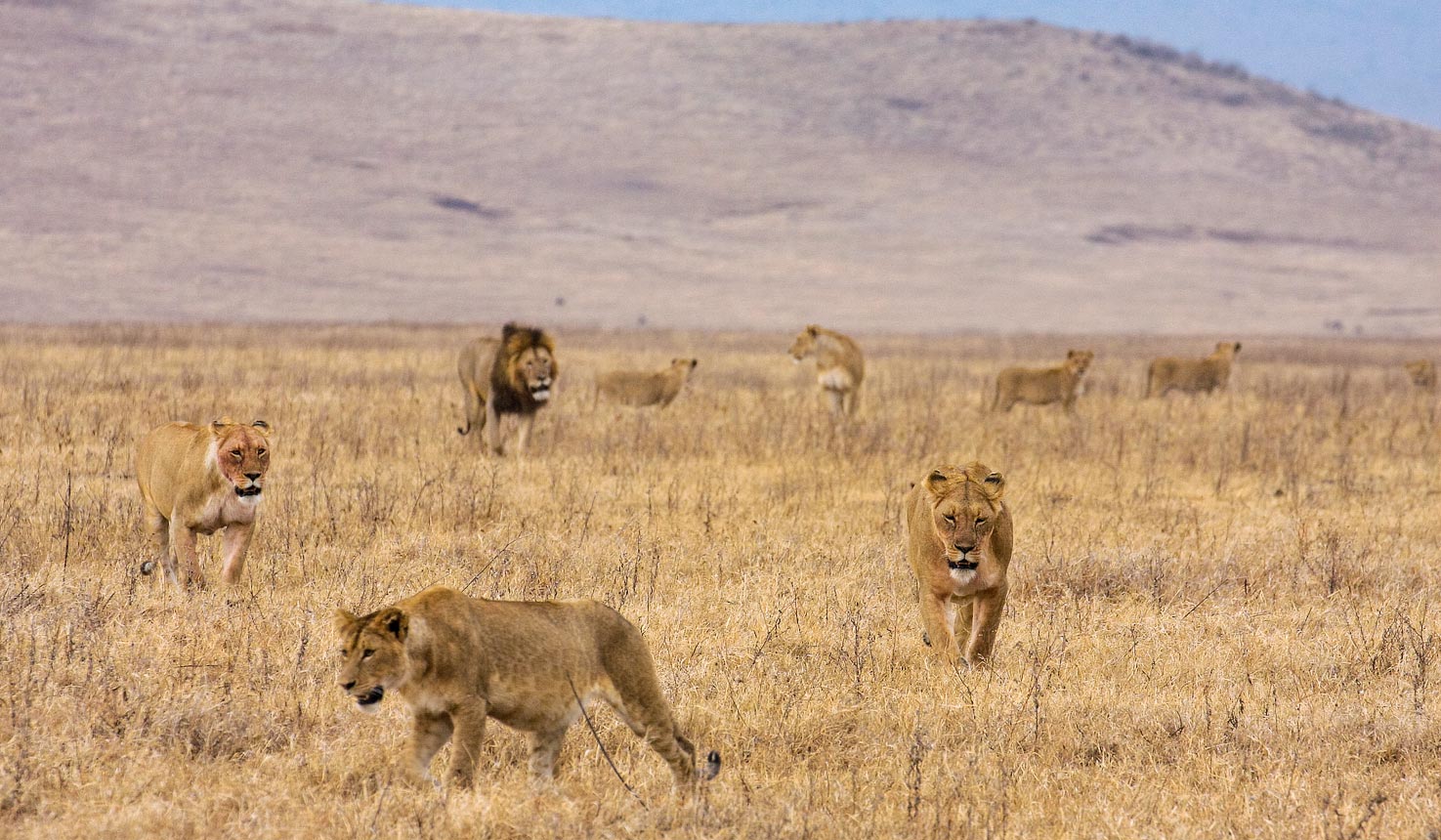
Private Mara Conservancies

Private Mara Conservancies

Walk, drive off-road and linger after dark on private land, where only a handful of vehicles share each sighting.

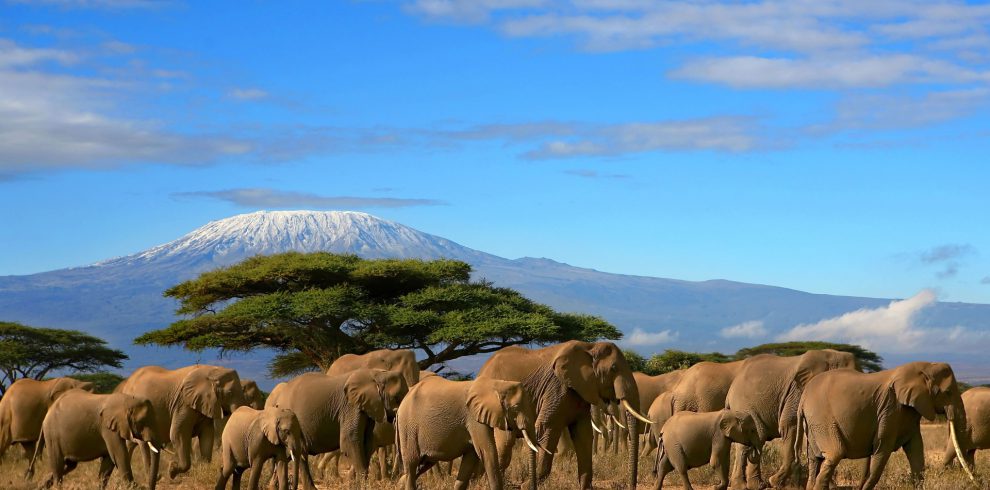
Elephants Beneath Kilimanjaro

Elephants Beneath Kilimanjaro

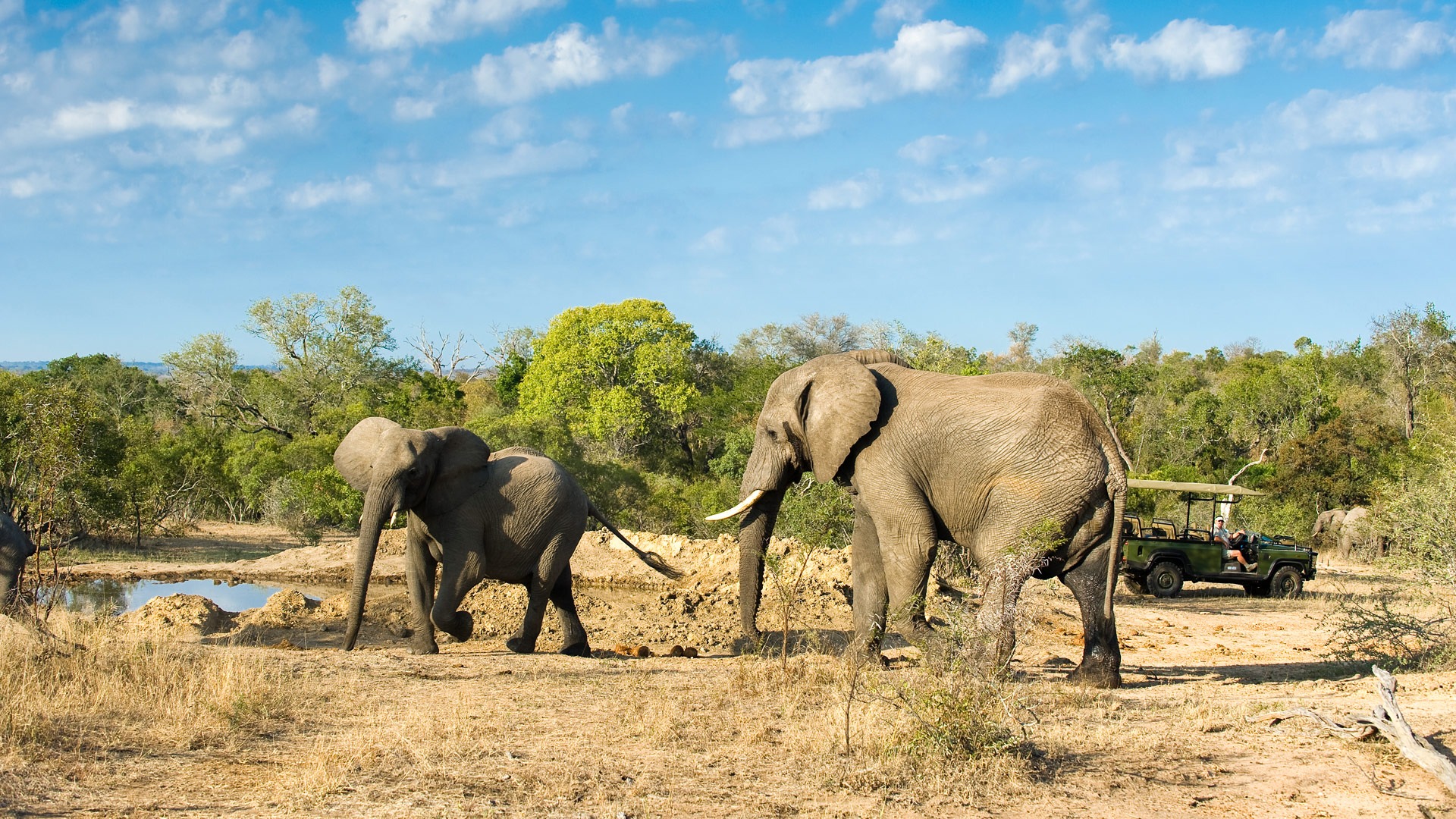
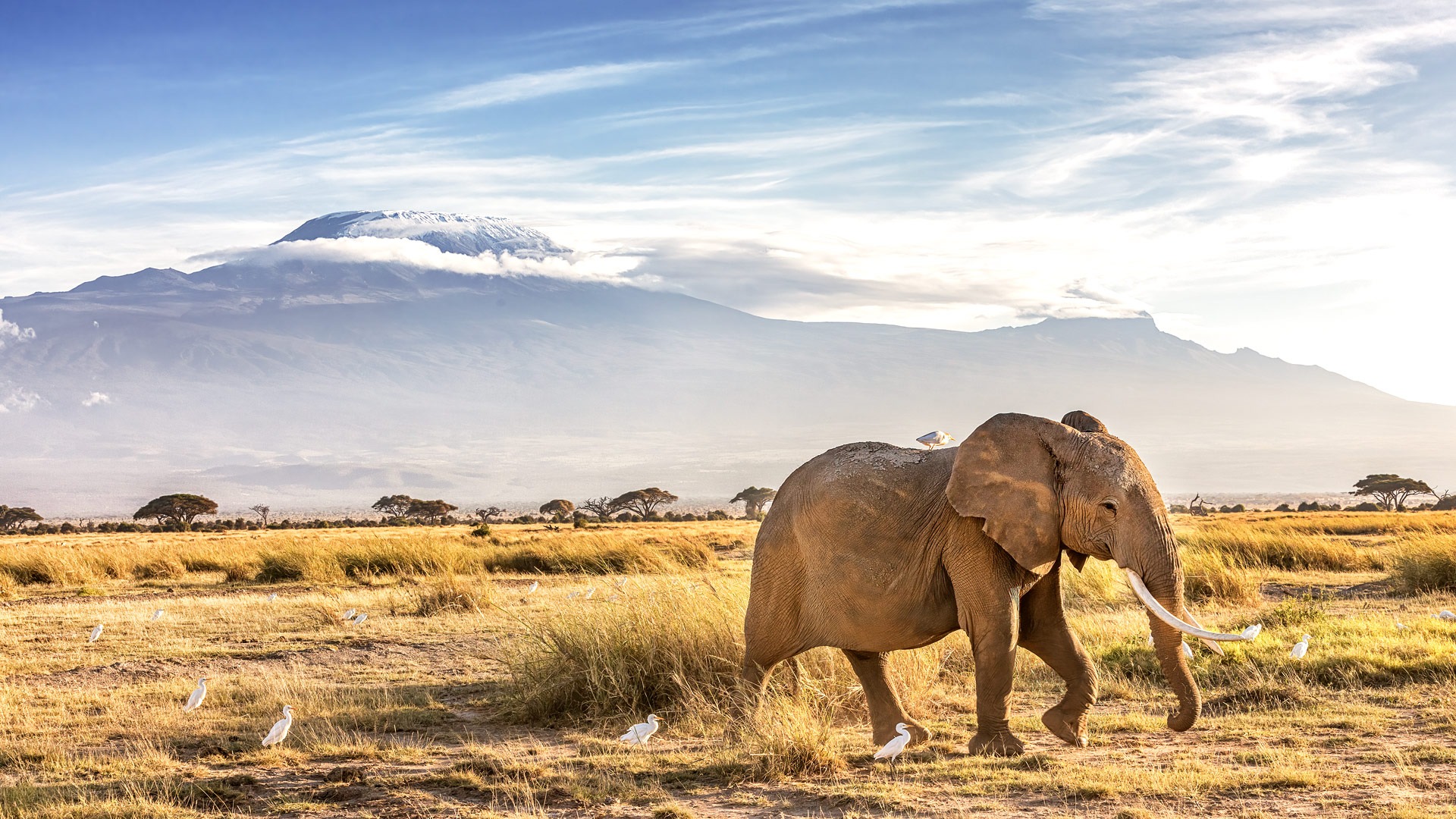
In Amboseli, great tuskers cross the swamps with Africa's highest mountain rising, snow-capped, behind them.

Among the Maasai

Among the Maasai

Spend an unhurried morning with a Maasai family, whose cattle and customs have shaped these plains for centuries.

Where to go

Kenya and Tanzania’s parks, at a glance

When to go

Best time for a Kenya and Tanzania safari

Jan (best) Feb (best) Mar Apr May Jun (best) Jul (best) Aug (best) Sep (best) Oct (best) Nov Dec

Best months

  • July - October The dry season and the river crossings, in the Mara and the northern Serengeti.
  • January - February Calving on the southern Serengeti plains, with Kenya warm and largely dry.
  • June The herds gather in the Serengeti's western corridor, before the long march north.
  • November - December The short rains: green, quiet country and the herds returning south.
  • March - May The long rains: lush and peaceful, and some camps close for a few weeks.
Best time to visit Kenya and Tanzania
Common questions

Kenya and Tanzania safari, answered

Ten to fourteen nights is the ideal length for a Kenya and Tanzania safari. Eight nights comfortably covers the Masai Mara and the Serengeti; allow two or three more for the Ngorongoro Crater, and a further three or four should you wish to close on Zanzibar.

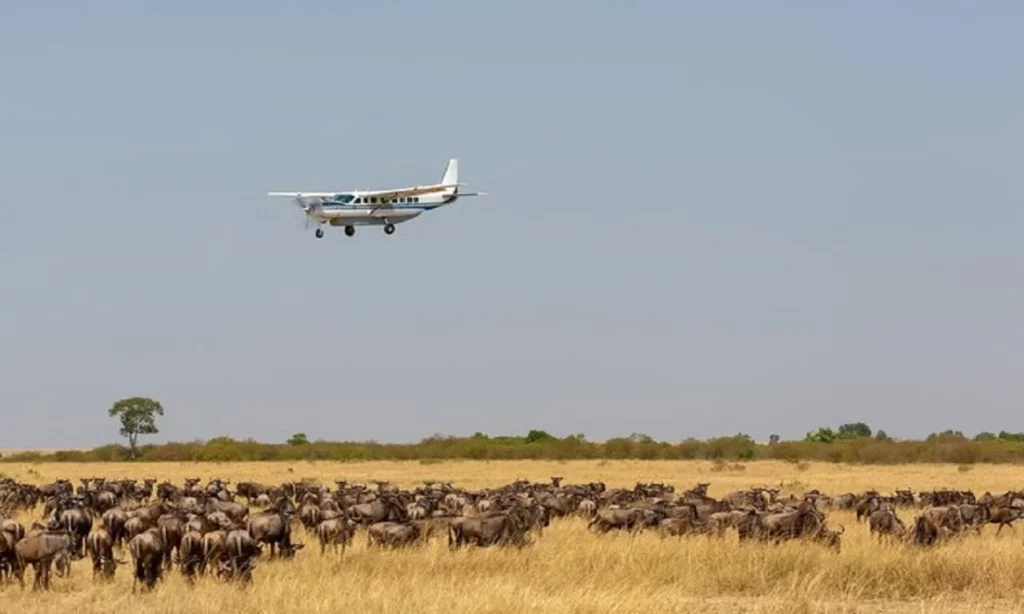
Not within the parks themselves, as there is no open crossing between the two reserves. Most travellers take a light aircraft from the Mara to Migori, cross the border by road at Isebania, then fly from Tarime into the Serengeti. The alternative runs by air through Nairobi and Kilimanjaro. Either way, you are usually settled in your Serengeti camp by the afternoon.

July to October is the most celebrated season, when the migration crosses the Mara River in both countries. January and February bring the calving season to the southern Serengeti, a quieter and equally remarkable time. Both seasons combine beautifully with Kenya.

Yes, each country has its own entry requirement. Kenya asks visitors to apply online for an Electronic Travel Authorisation at least three days before arrival, and Tanzania issues its own visa, which can be applied for online. The East Africa Tourist Visa does not include Tanzania. We confirm the current rules for your passport when we plan your journey.

For many first-time travellers, the finest answer is both. Kenya offers private conservancies, exceptional guiding and short distances between camps; Tanzania offers sheer scale, the Serengeti’s open plains and the Ngorongoro Crater. Together they show the whole of the East African safari.

Kenya Airways flies nonstop from New York JFK to Nairobi in around fourteen hours, and there are nonstop flights from London Heathrow to Nairobi. Kilimanjaro is usually reached with one stop, through Amsterdam or Doha. Many travellers fly into Nairobi and home from Kilimanjaro or Zanzibar, so that no day is spent retracing their steps.

Yes. Zanzibar, a short flight from the Serengeti or Arusha, pairs Stone Town’s history with white sand and the Indian Ocean. On the Kenyan side, Diani Beach south of Mombasa is an equally graceful close.

Yes. Every journey we arrange is private, so the pace, the camps and the vehicle are yours alone. Honeymooners may favour secluded tented suites and a balloon flight at dawn; families are given family tents and a guide who delights in younger travellers. Some activities, such as walking safaris, carry minimum ages that vary by camp.

Ready when you are

Let’s plan your Kenya and Tanzania safari

A few questions, then a specialist follows up with real options, no fixed packages, no pressure.

Start planning