Free-ranging elephant herds crossing open plains beneath Africa's tallest mountain, and the site of the longest running study of wild elephant behaviour on Earth. Here's what to know before you plan your trip.
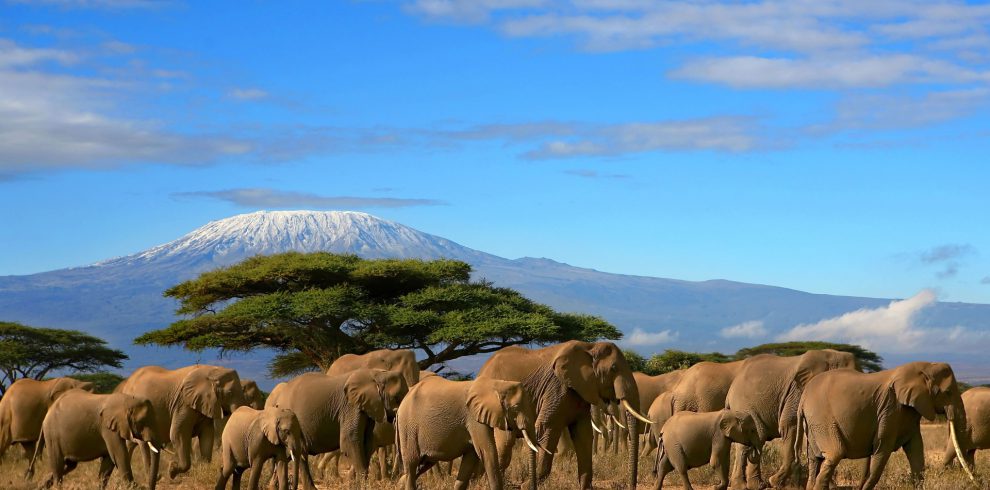
Every safari destination has a signature image. Amboseli’s is elephants walking across open, dust-pale plains with Mount Kilimanjaro’s snow-capped summit rising behind them, Africa’s tallest mountain framing Africa’s most photographed elephant herds. It is one of the most reproduced wildlife photographs on the continent, and unlike most postcard shots, it is not staged or seasonal. Kilimanjaro sits just across the border in Tanzania, and on a clear morning, before the afternoon cloud builds around its summit, that view is simply what Amboseli looks like.
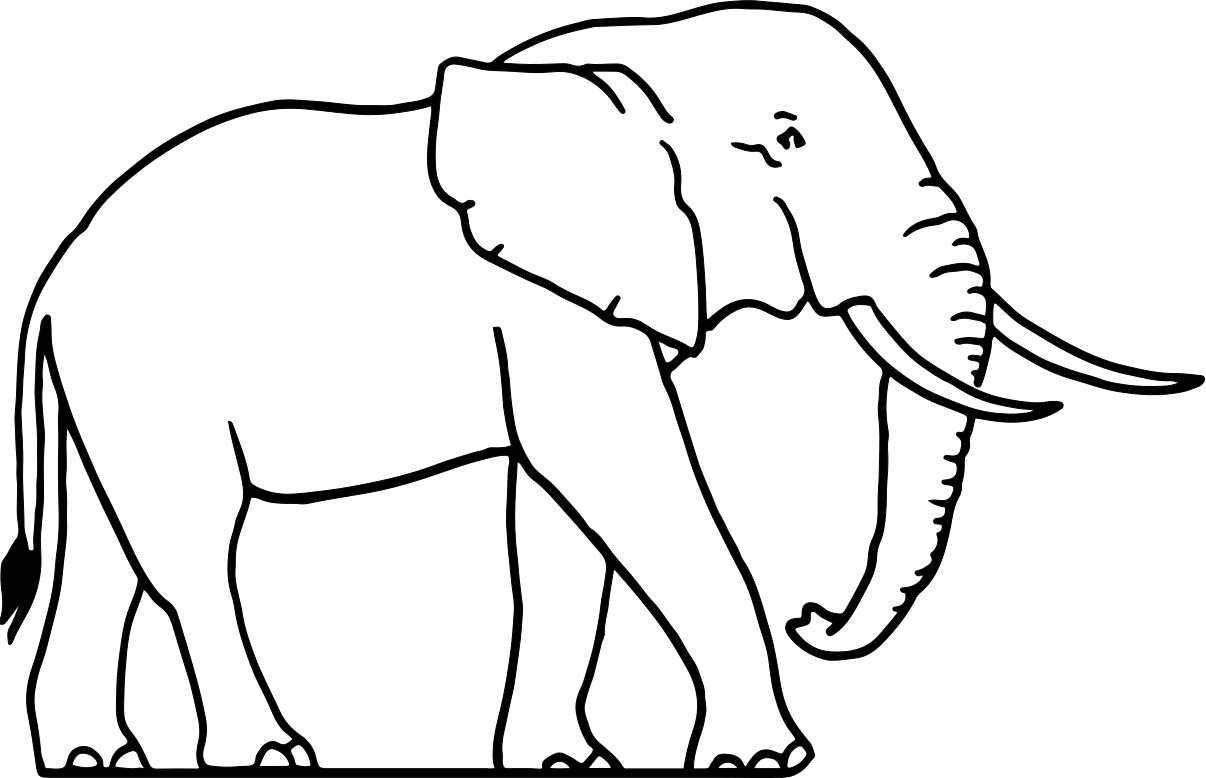
The park itself is small, only 392 square kilometres, smaller than the Mara or either half of Tsavo. What makes Amboseli extraordinary is not its size but what has happened inside it since 1972, when researcher Cynthia Moss began what would become the longest continuous study of elephant behaviour anywhere in the world. Individual elephants here have been known, named and tracked for generations, more than 2,000 of them across the decades, giving Amboseli’s herds an unusually undisturbed, natural age structure and some of the most relaxed, approachable elephant behaviour left on the continent.
Two permanent swamps, fed year-round by underground water flowing from Kilimanjaro’s own glaciers, keep the park green and full of life even in the dry months when the surrounding plains turn to dust and the seasonal lakebed at its centre becomes a cracked white salt pan. It is a landscape of genuine contrasts: dust and swamp, drought and permanent water, a small formal park and a much larger unfenced ecosystem beyond it, all within sight of one mountain.

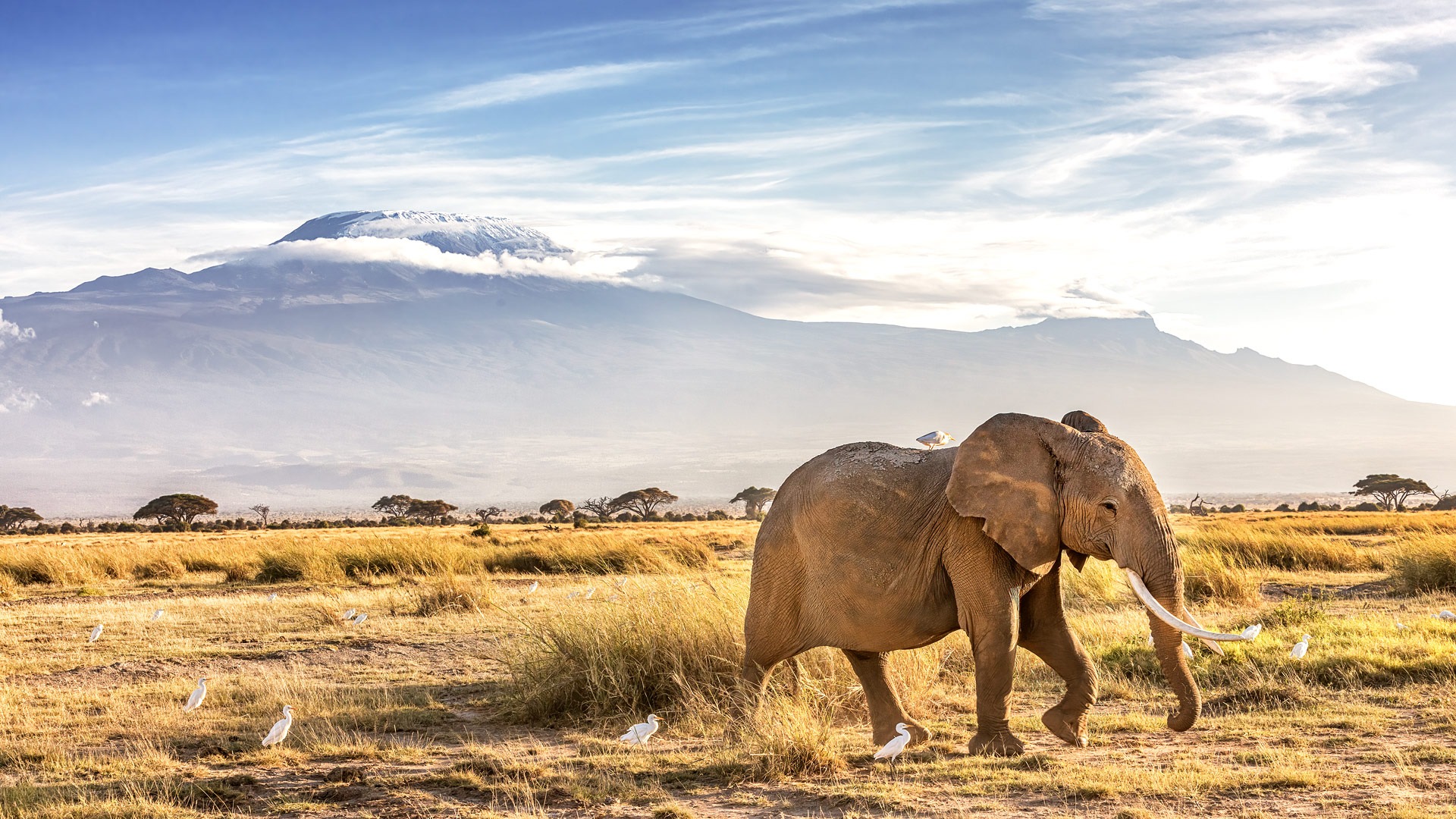
Amboseli rewards patience in a way few parks do. Its elephants are used to vehicles and to each other; decades of careful research and minimal disturbance have left them calm enough to approach slowly and watch for as long as the light holds, set against a mountain backdrop that no filter needs to improve. It is less about the density of sightings than the closeness and clarity of them.
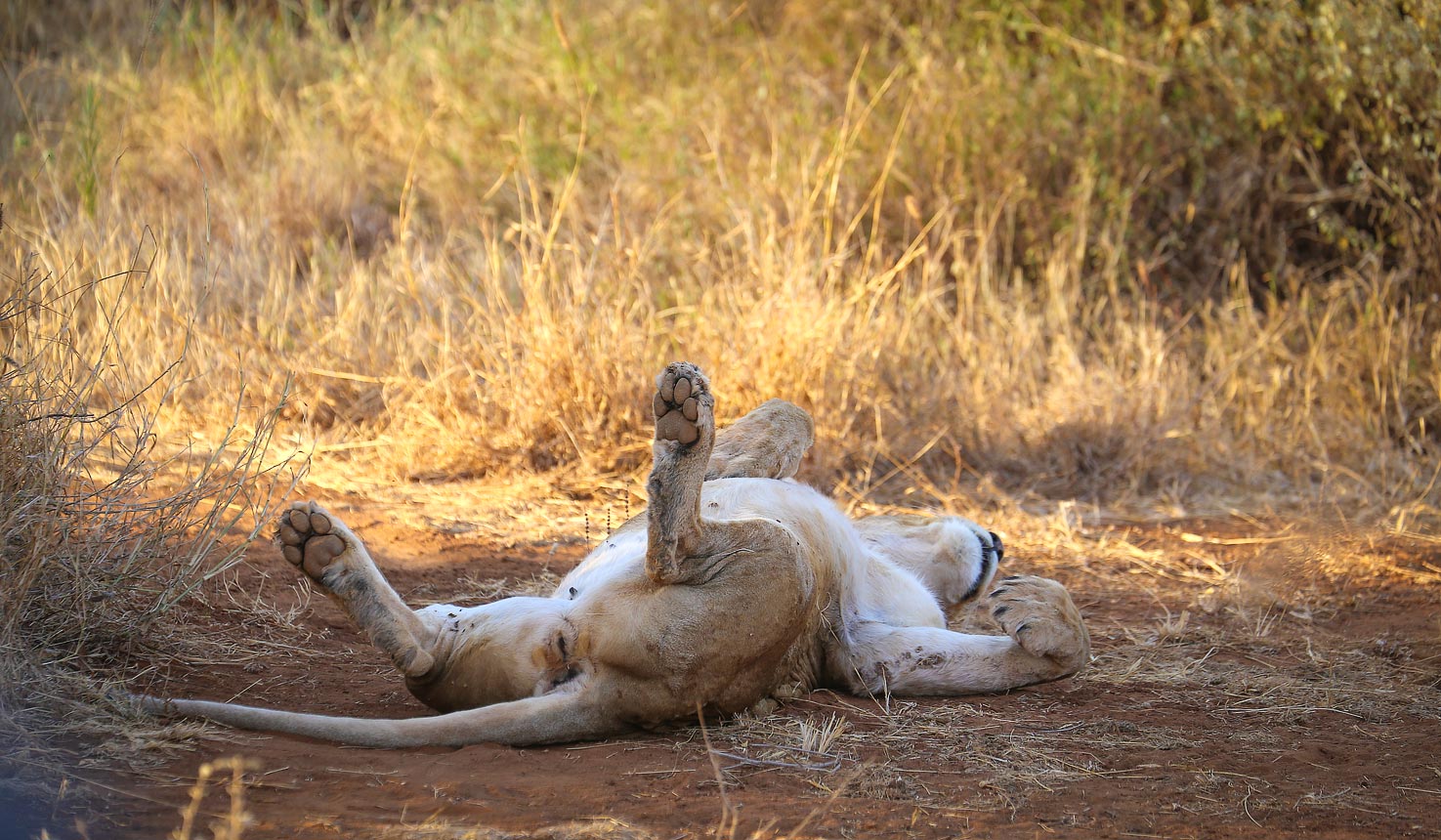
What past travellers have consistently seen, Amboseli is built around elephants first, with the rest of its resident wildlife concentrated close to the park's two permanent swamps.
Elephants, Open Plains and Africa's Tallest Mountain
A few of our Amboseli safari packages, adjusted to your dates, pace and camp choice before anything is confirmed
Amboseli sits close enough to Nairobi for a comfortable half-day drive, or a short scheduled flight if the itinerary is tight.

Amboseli's conservation story starts with its elephants and extends well past the park's own small boundary, into research that has run for over fifty years and a much larger community-owned landscape that the wildlife depends on to survive.
Ongoing since 1972, the Amboseli Elephant Research Project has documented the life histories of more than 2,000 individual elephants, work that has shaped how the world understands elephant behaviour and family structure.
The formal park covers only 392 square kilometres, a fraction of the roughly 8,000 square kilometre ecosystem the wildlife actually ranges across, most of it unfenced Maasai group ranch land beyond the boundary.
Community conservancies bordering the park, including the Kimana Sanctuary, protect the migration routes elephants and other wildlife use to move between Amboseli, the Chyulu Hills and Tsavo.
Ranger patrols and a livestock loss compensation programme run by conservation partners across the Amboseli ecosystem help reduce both poaching and retaliatory killing of predators by neighbouring communities.
June to October gives the clearest skies and the best odds of an unobstructed Kilimanjaro view, with wildlife concentrated around the park’s two permanent swamps. January and February offer a quieter, similarly dry alternative.
Most mornings, yes, especially early, before afternoon cloud builds around the summit. It is a genuinely reliable feature of an Amboseli safari, though like any mountain view, it is weather dependent rather than guaranteed on any single visit
It depends on the season, camp choice and length of stay, so there isn’t one number that fits every trip. Tell us your dates and priorities and we’ll put together a tailored quote rather than a generic estimate.
Two to three nights is usually enough to see the park properly, including at least one early morning game drive for the clearest mountain views. Many travellers pair it with Tsavo West, a comfortable few hours away, for a longer combined safari.
A few questions, then a specialist follows up with real options, no fixed packages, no pressure.
Start planning