Three days beneath Africa's tallest mountain, tracking free-ranging elephant herds across a landscape that has taught the world nearly everything it knows about how elephants live. A short escape that asks for very little time and gives back a great deal.
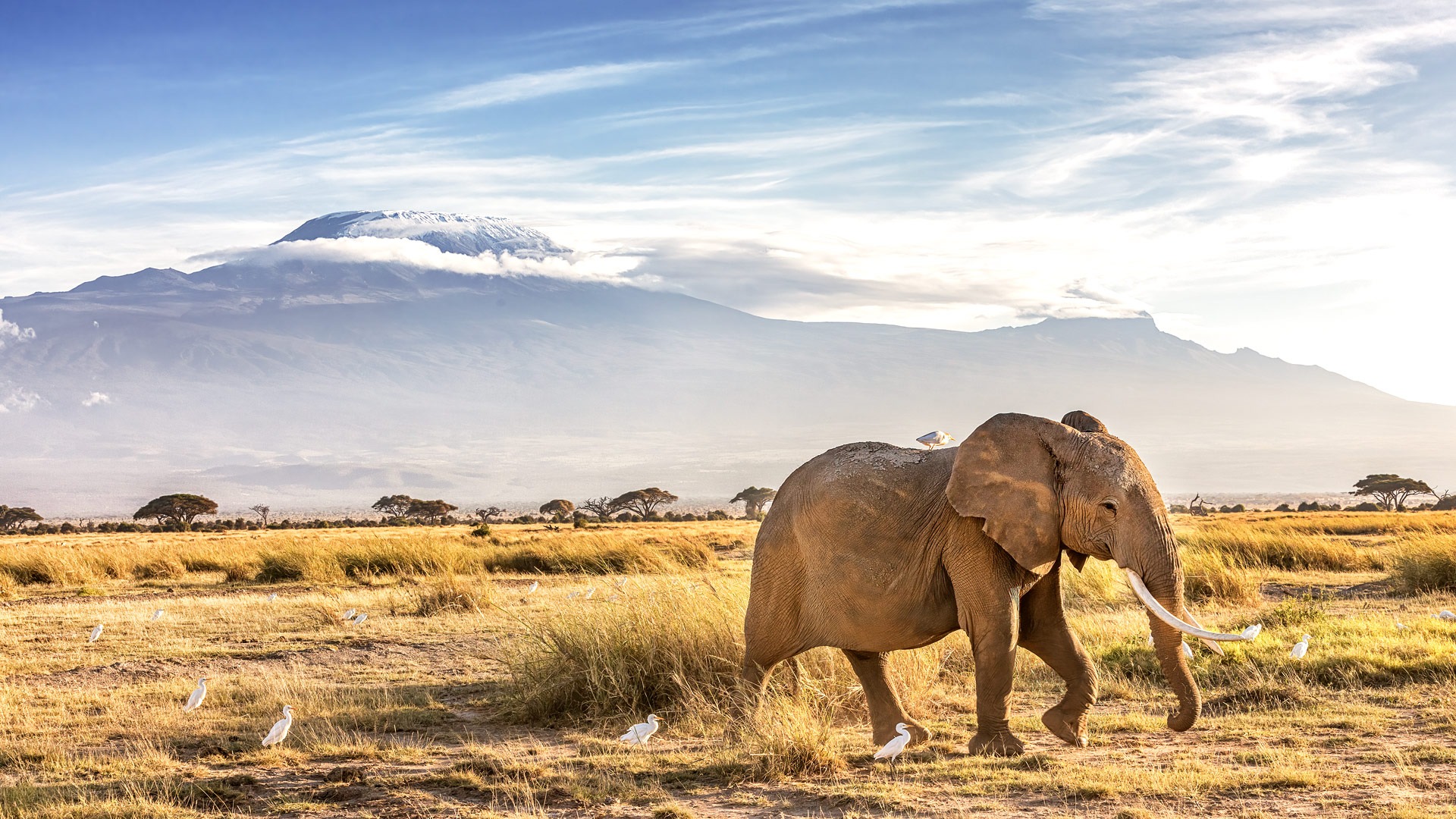
A particular kind of quiet settles over Amboseli in the last hour before dusk, when the day’s heat lifts off the plains and Mount Kilimanjaro, which spent the afternoon wrapped in its own private weather, finally reveals itself in full. Elephants move toward the swamps in loose, unhurried lines, the light turns the colour of weak tea, and for a moment the whole park looks exactly like the photographs that made it famous, except it is in front of you, and it is real.
This three-day route is built for travellers who want that feeling without surrendering a week to reach it. Amboseli sits close enough to Nairobi for a comfortable half-day’s drive, yet it holds one of the most complete safari experiences in East Africa within its modest 392 square kilometres: elephant herds that have been individually known and studied since 1972, two permanent swamps that keep the park green through the driest months, and a mountain backdrop that no other park on the continent can borrow. Three days is enough to see it properly, not enough to feel rushed.
The parts of this particular route past travellers mention most, unprompted.
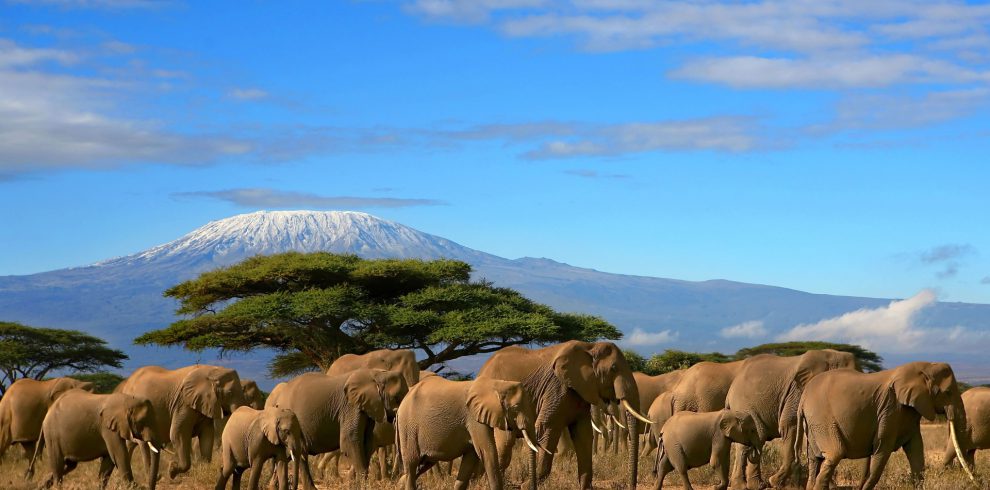
Africa's tallest mountain rises directly across the border, clearest in the soft light of early morning before afternoon cloud gathers around its summit.
Decades of careful research have left Amboseli's elephants calm enough to approach slowly and watch at length, a rare kind of closeness on a modern safari
Fed year round by underground water from Kilimanjaro's own glaciers, Enkongo Narok and Longinye swamps hold wildlife close even in the driest months.
The one place in the park where you may step out of the vehicle, a short climb rewarded with the whole park, swamps, herds and mountain, laid out in a single frame.
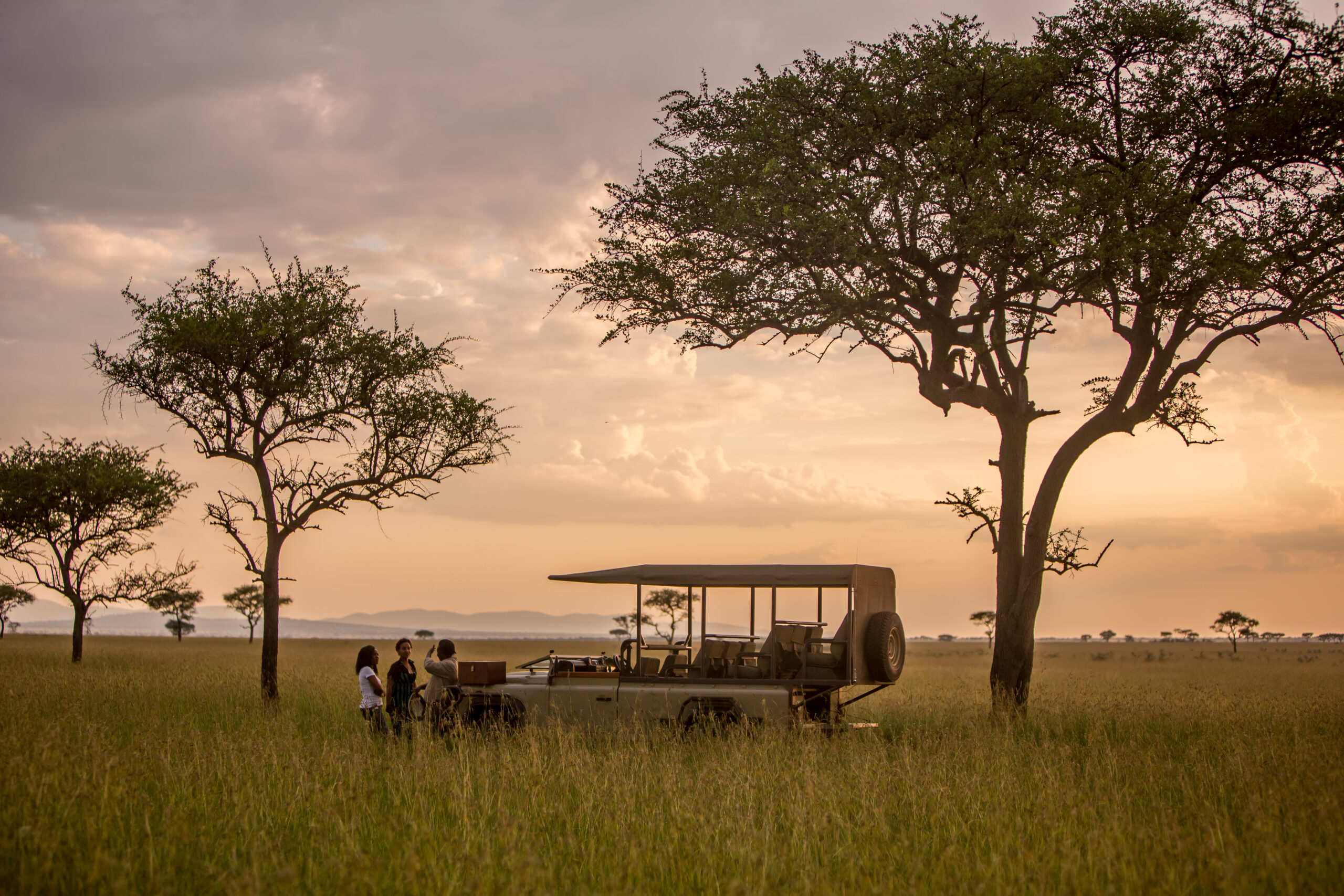
An evening stop with a drink in hand as the light turns and Kilimanjaro, cloud-free at last, catches the last of the sun.
Close enough to Nairobi to reach without a long internal flight, yet complete enough in itself to need no second park to feel worthwhile.
A starting shape: pace, order and length of each stage are all adjustable.
Nairobi's rooftops thin out quickly once the road turns south past Athi River, and by the time it straightens through Emali the view has already changed entirely, flat-topped acacia, dust-pale plains, and on a clear day, the first pale suggestion of Kilimanjaro on the horizon long before the park gates come into view. It is a comfortable, well-paved drive, roughly four hours with a stop along the way, more a gentle unwinding than a journey to be endured.
Arrival is timed for lunch, giving the midday heat a chance to pass before the first game drive sets out in the softer light of late afternoon. This is often when Amboseli shows its hand fastest, elephant herds moving toward the swamps, the mountain beginning to clear of cloud, and the particular quality of dust and gold light that has made this park one of the most photographed places in Africa. Dinner and the first night are spent within sight of the mountain itself.
A tented camp within view of Mount Kilimanjaro · Two nights here, close enough to the swamps for wildlife to pass through camp itself.
The day begins before the sun properly clears the horizon, when Kilimanjaro's summit is at its most reliably visible and the plains are still cool enough for the resident wildlife to be at its most active. The morning drive moves toward Amboseli's two permanent swamps, Enkongo Narok and Longinye, fed year round by underground water flowing from the mountain's own glaciers, where elephant, hippo and buffalo gather regardless of season. This is Amboseli at its most concentrated, decades of elephant research have left these herds unusually calm around vehicles, and long, unhurried sightings are the rule here rather than the exception.
After a midday rest back at camp, the afternoon is given to Observation Hill, the only point in the park where visitors may step out on foot, a short climb to a view that takes in the swamps, the herds moving between them, and Kilimanjaro itself in a single sweep. The day closes with a second game drive timed for the golden hour, when the light softens and the mountain, having spent the afternoon behind cloud, often clears one last time before dark.
A tented camp within view of Mount Kilimanjaro · Second night at the same camp, so nothing about this short stay feels rushed.
There is time for one last drive before breakfast, taken slowly, without an itinerary to keep to, simply following whatever the plains offer on a final morning. Kilimanjaro tends to be at its clearest at this hour, and it is often the last proper look at the mountain before the road turns north again.
Breakfast back at camp is followed by a mid-morning departure, the same comfortable drive in reverse, retracing the route through Emali and back toward Nairobi, with arrival timed for the early afternoon in time for an onward flight or a connecting night in the city.
Based on past travellers' sightings on this specific route, here's roughly what to expect.
Every park fee paid on this route goes directly toward funding Kenya Wildlife Service conservation work and the community wildlife programmes that keep the wider Amboseli ecosystem, most of it unfenced Maasai land beyond the park's own small boundary, open for the herds that move through it.
Entry fees paid on this route support Kenya Wildlife Service operations and ranger patrols across Amboseli.
Amboseli's elephants have been studied continuously since 1972, and tourism revenue helps sustain the protection that makes that research possible.
Accommodation on this route follows standard low-impact safari camp operating practices, minimal permanent footprint and careful water and waste management.
This three-day route is a starting point, not a fixed plan. Extend it by a night, swap the pace of the days around, or use it as the opening or closing chapter of a longer Kenya itinerary, your specialist will work from here.
With the route as a starting point, your specialist will adjust the pace, camps and add-ons until the itinerary feels like yours, not a template.
Start tailoring this safari
Elephant herds against Kilimanjaro at Amboseli, then two full days in the Masai Mara, connected by…
Three full days in the Masai Mara, then a scenic flight to two unhurried days on…
Rhino tracking at Ol Pejeta, a boat ride on Lake Naivasha, then two full days in…
Three days is enough to see Amboseli properly, including at least one early-morning game drive for the clearest Kilimanjaro views and time at both permanent swamps. It’s a genuinely complete safari on its own, not a rushed add-on.
Most mornings, yes, especially early, before afternoon cloud builds around the summit. It’s a reliable feature of this route, though, like any mountain view, it depends on the weather on the day.
It depends on the season, camp choice and any add-on activities, so there isn’t one number that fits every trip. Tell us your dates and we’ll put together a tailored quote.
Yes, Amboseli is close enough to Nairobi to open or close a longer Kenya itinerary comfortably, and pairs well with an extension to the coast or to Tsavo West, roughly three to four hours further on.
Very much so. Amboseli’s short travel time from Nairobi, reliable wildlife sightings and a single signature backdrop make it one of the more straightforward parks to build a first, short safari around.
Tell us your dates and we'll confirm whether the timing works, then adjust the route from there.
Start planning this trip