Wildebeest Migration Safari
Safari collection

Wildebeest Migration Safari

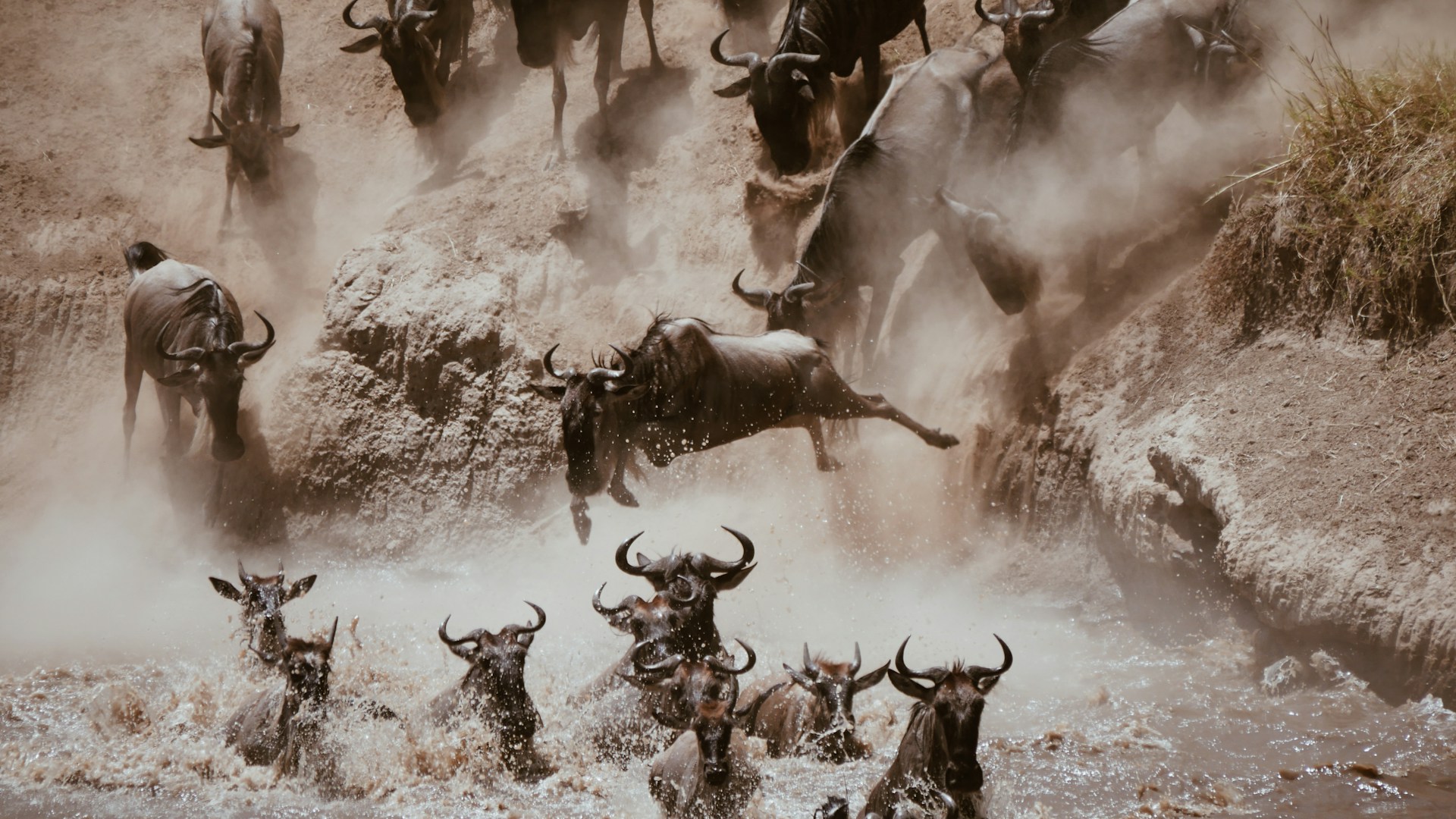
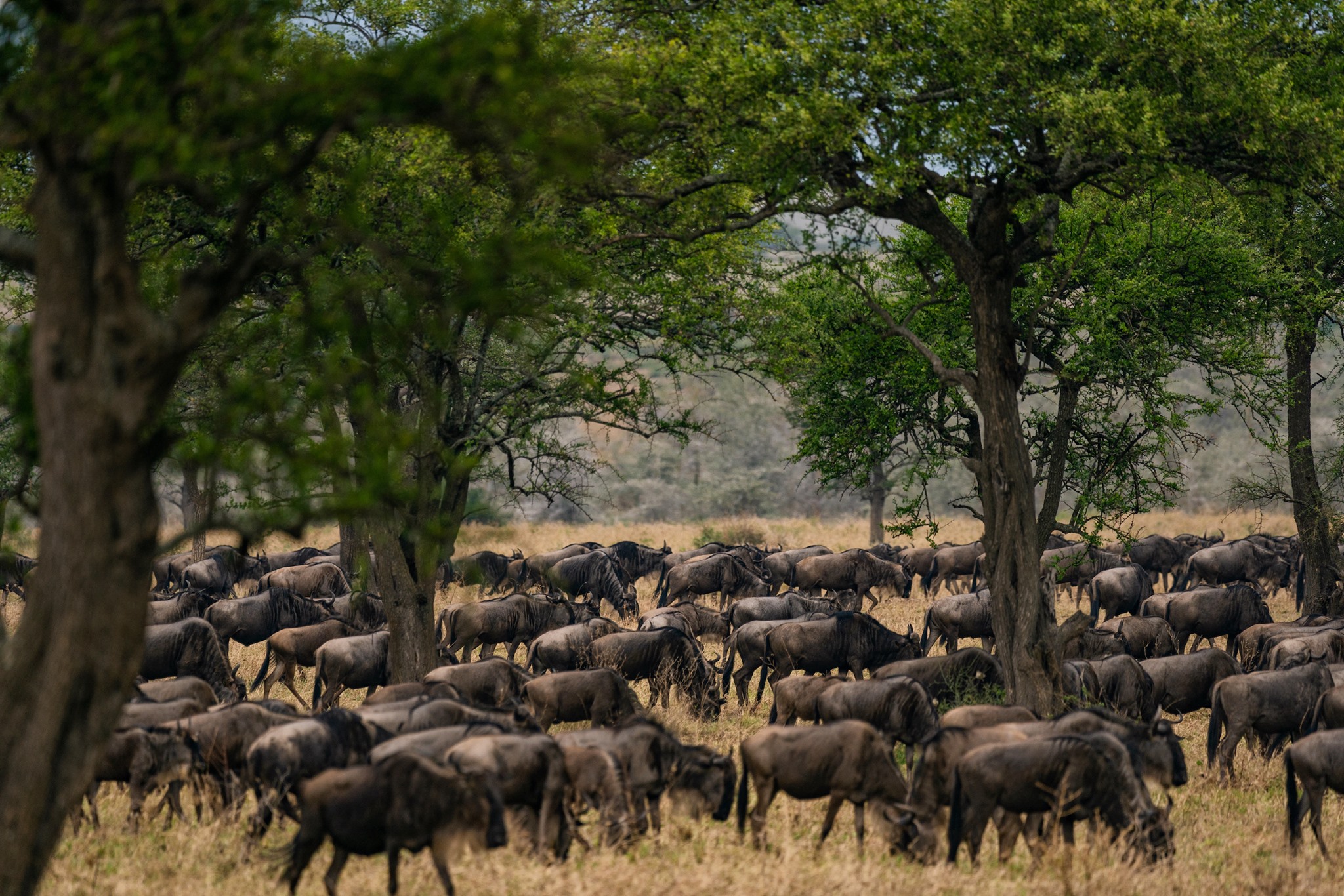
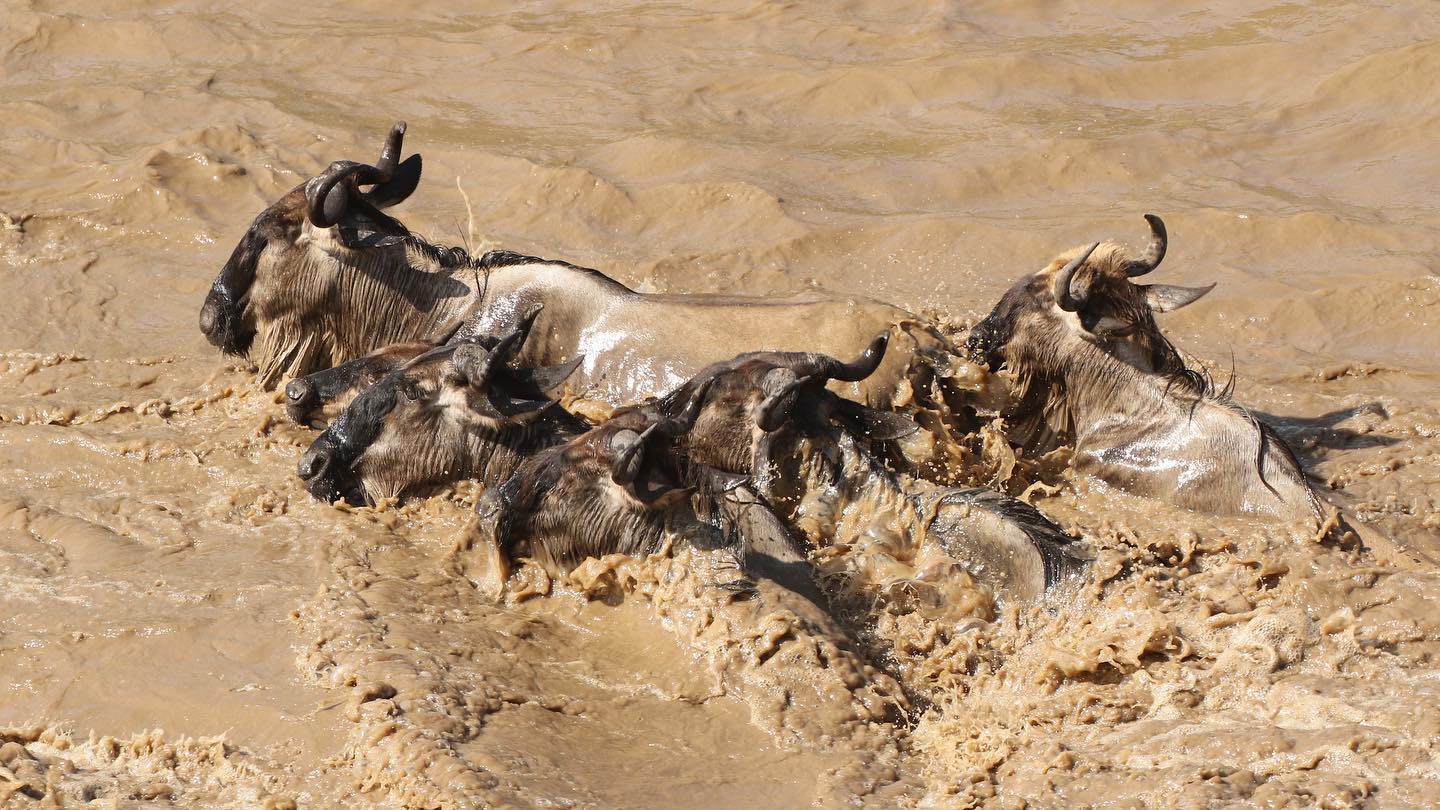
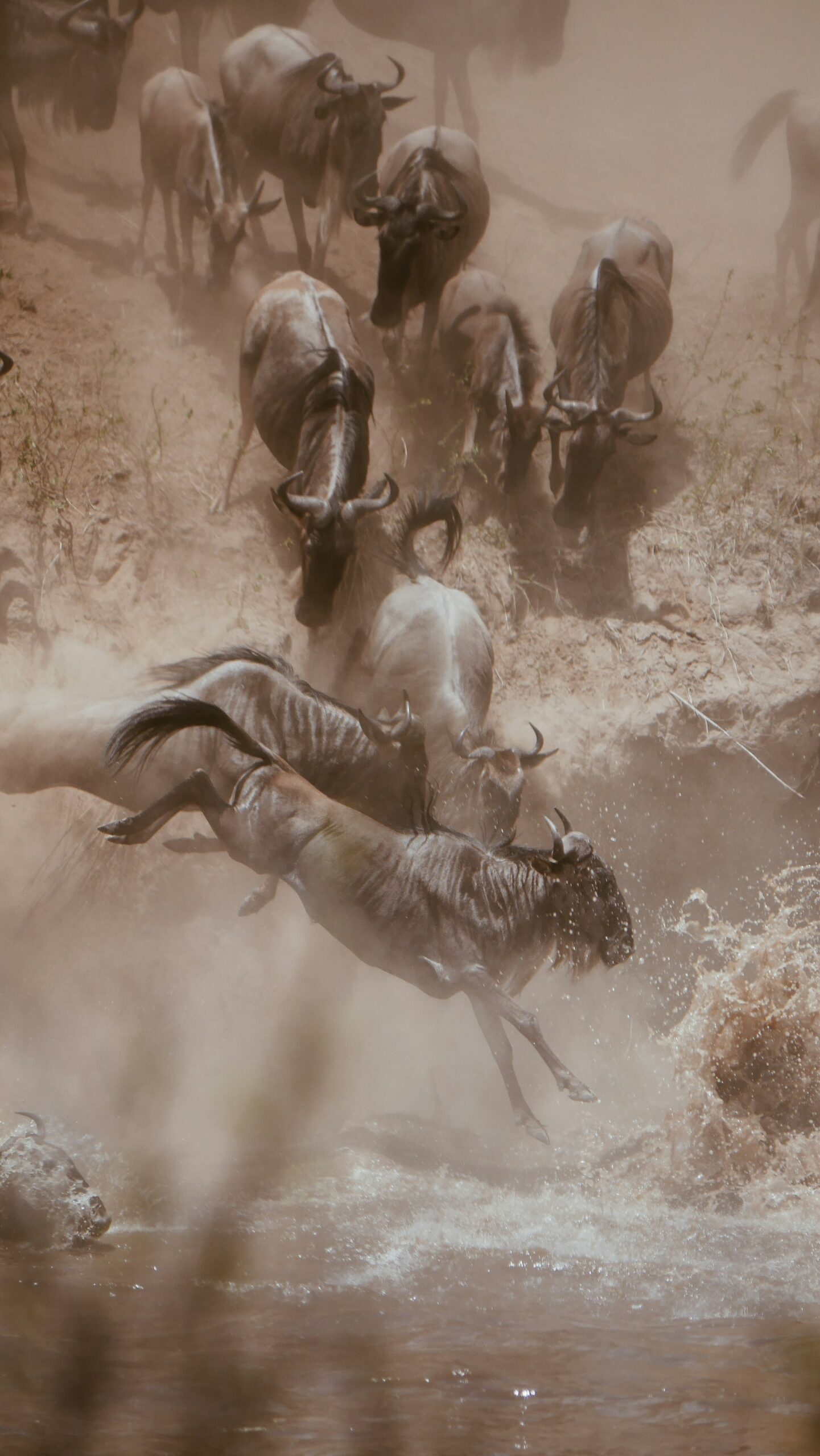
The Mara River crossings. The calving plains of the southern Serengeti. Two million wildebeest, zebra and gazelle on the move, and a route timed to wherever the herd actually is when you travel.

Wildebeest Migration Safari in Kenya and Tanzania

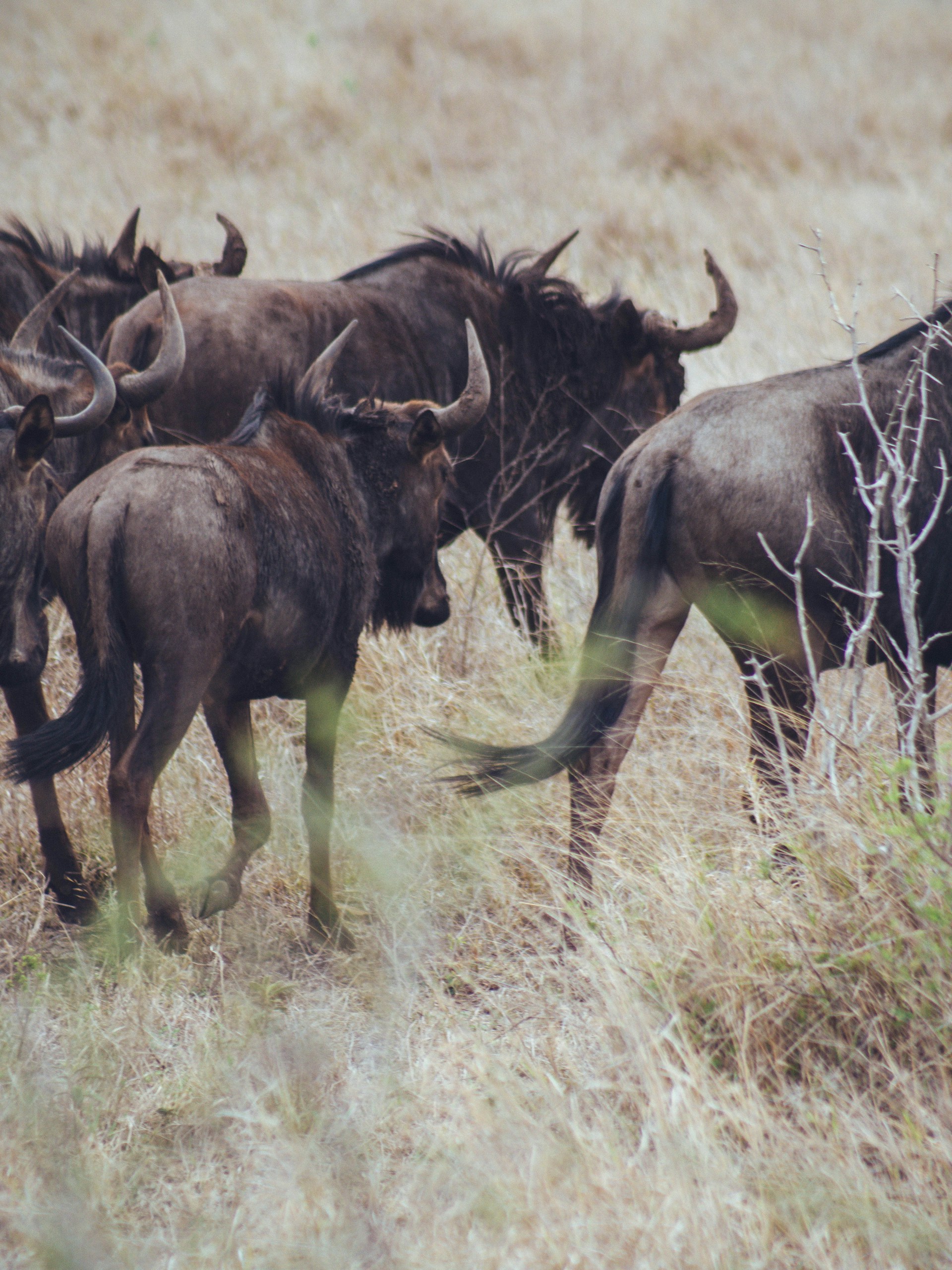
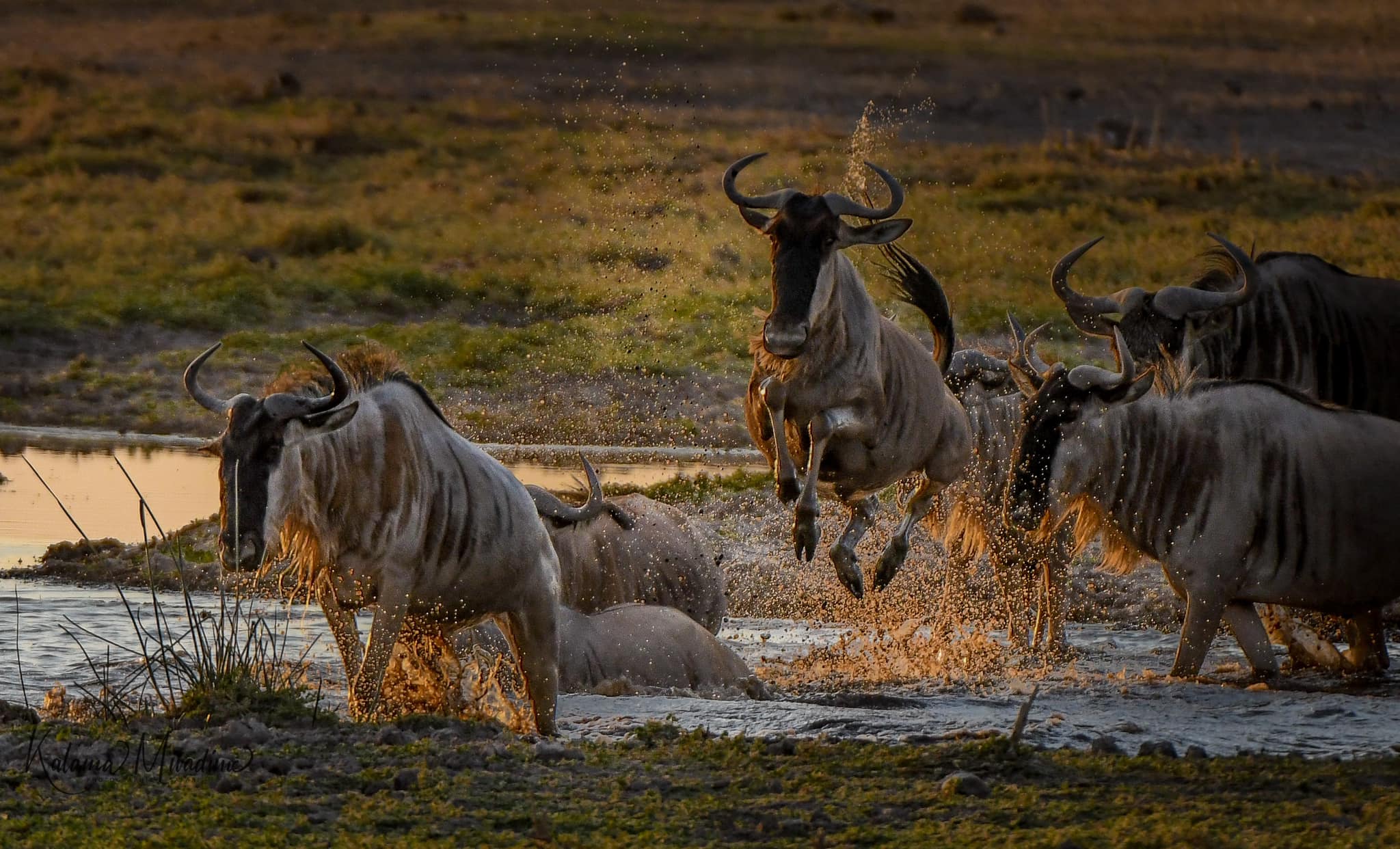
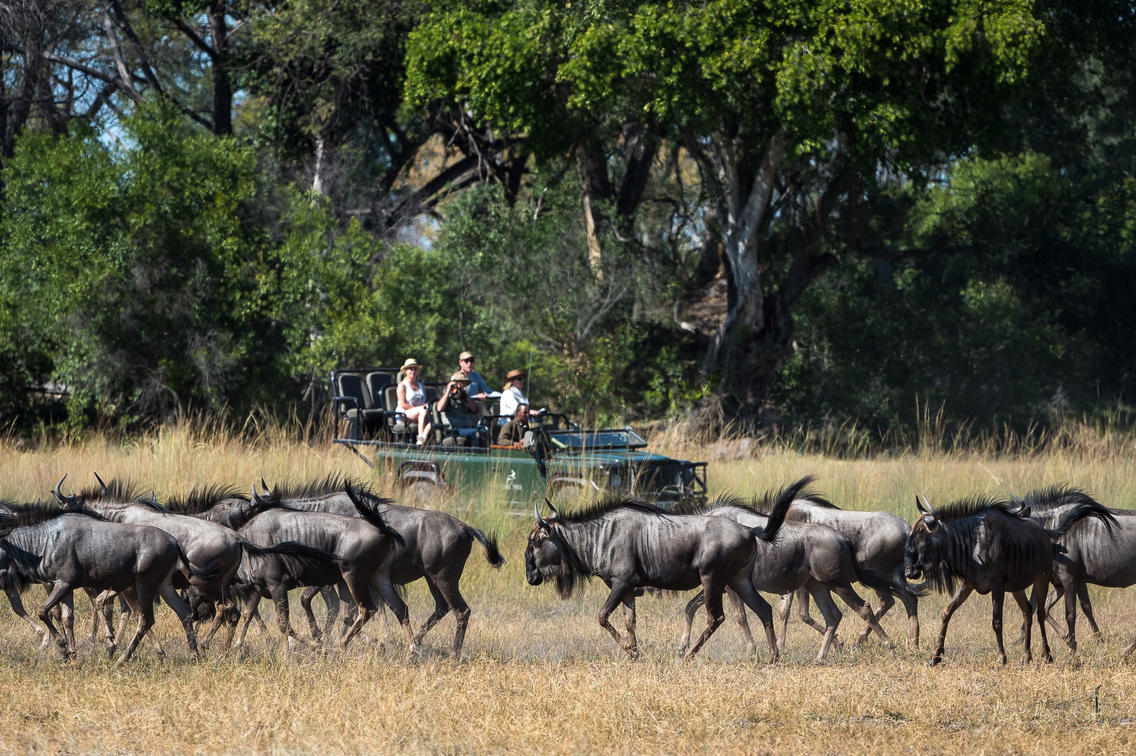
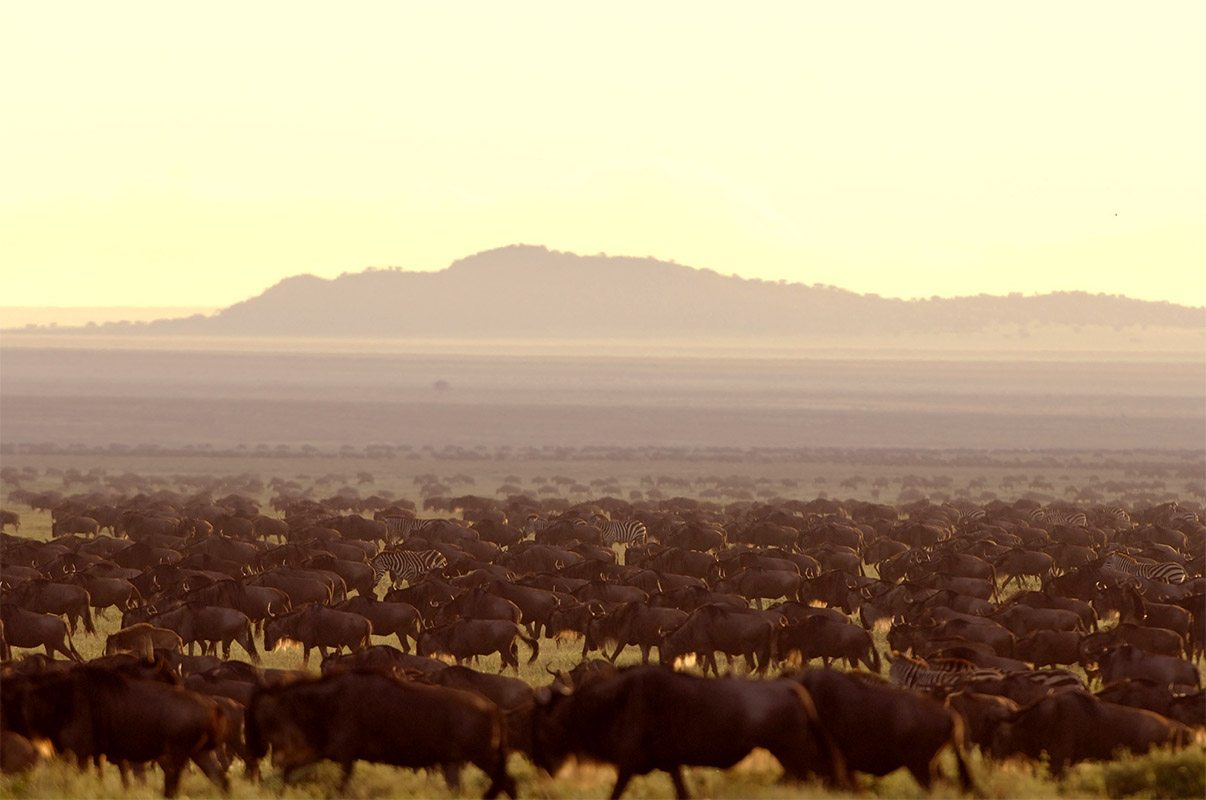
The wildebeest migration is not a singular event confined to one location. Instead, it represents a year-round circuit involving approximately two million wildebeest, along with zebra and gazelle, as they move between the southern Serengeti and the Masai Mara in search of rain and fresh grass. The best viewing locations depend on the time of year, which is why an effective migration safari is planned according to the calendar first, and the camp second.

In general, the herds typically calve on the short-grass plains of the southern Serengeti and Ndutu from January to March. From April to July, they migrate north through the central and western regions of the Serengeti. By August, the herds cross into the Masai Mara, with the dramatic river crossings—often visualised in relation to this migration—occurring from July to September. The herds then begin their journey back south in October and November.

As a company operating in both Kenya and Tanzania, we focus on providing itineraries based on the current location of the migration and its anticipated movements during your travel period, rather than being limited by which side of the border is more convenient for us to book.

Wildebeest Migration Safari in Kenya and Tanzania
Greatest Wildlife Encounter

Why Great Wildebeest Migration Safari

Four things that separate a migration-timed itinerary from a standard one

I

Route timed to the herd

Your specialist checks recent migration movement before finalising camps and drive routes, not just the season on a calendar.

II

Intimate Encounters on Both Countries

Kenya and Tanzania operations mean the itinerary isn't limited to whichever country you'd otherwise have to pick.

III

Camps positioned for the crossings

When crossings are the goal, we prioritise camps within realistic drive time of the river, not just anywhere in the Mara or northern Serengeti.

IV

Expert Safari Guides who understand the movements

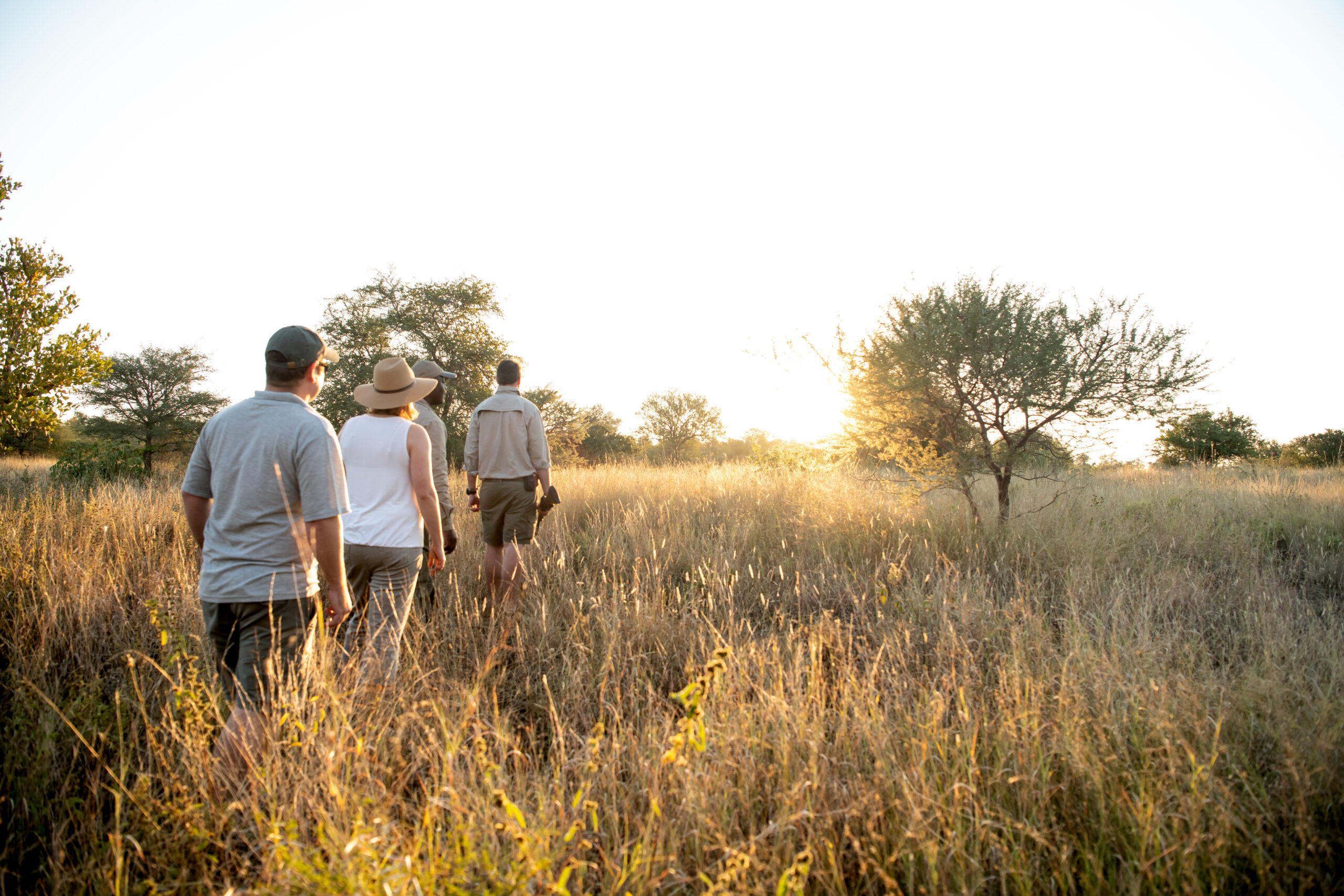
Migration guiding is its own skill, reading wildebeest behaviour at the river bank, judging when a crossing is close, and knowing when to wait it out.

Expert-built Safari Tours

Collection of our Best Migration Safari Packages

Every itinerary below is a starting shape, the route, camps and length all adjust to when you're travelling and where the herd is likely to be

What to Expect

Signature Migration Safari Moments

A few of the details that tend to define this kind of trip.

Positioned for the crossing

Positioned for the crossing

Days built around river-bank waiting time when the herd is close, not just a single drive-by.

Guide-led tracking

Guide-led tracking

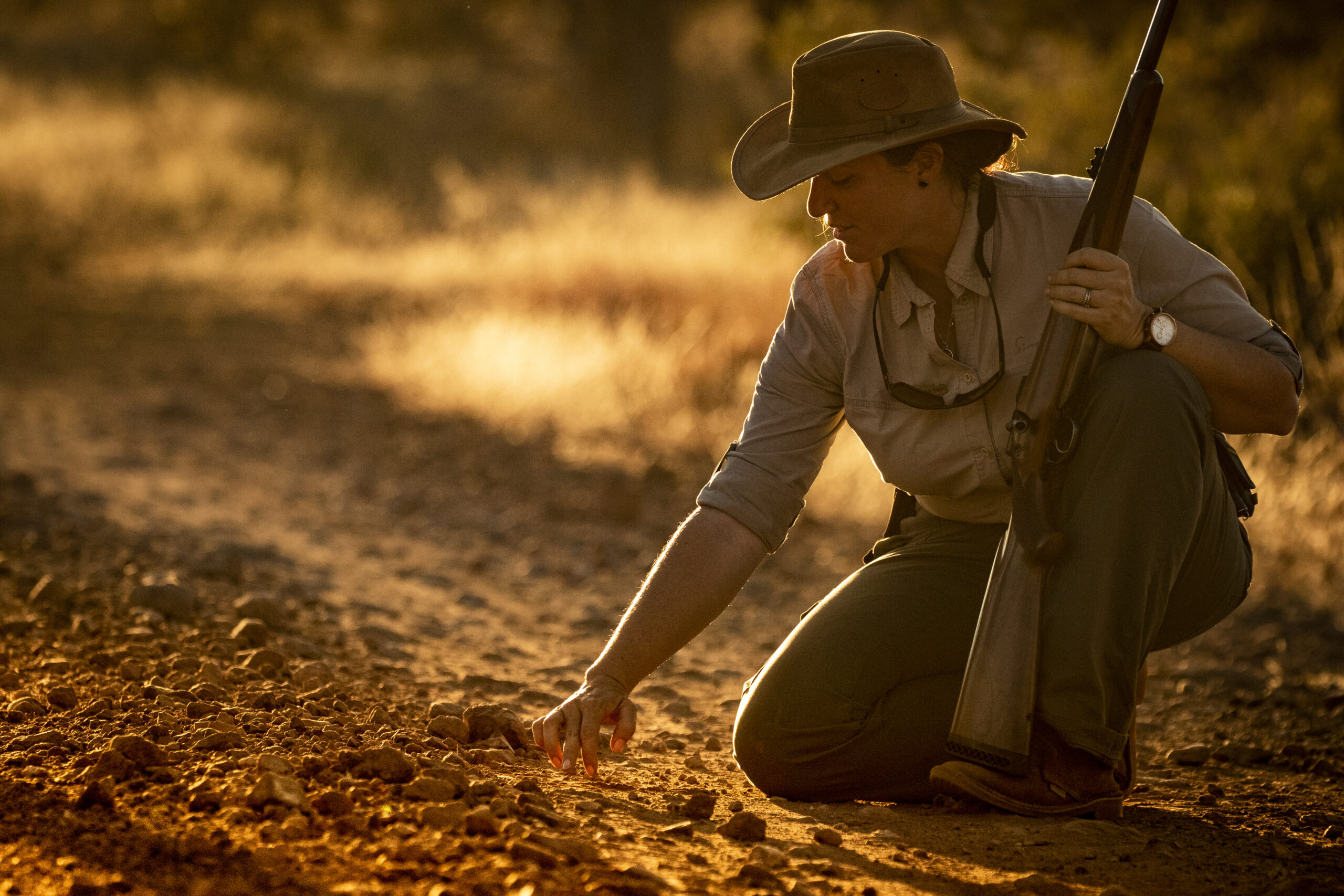
Guides in radio contact with the wider camp network, moving on real-time reports of where the herd is massing.

Calving season game drives

Calving season game drives

In the January to March window, drives through the Ndutu plains where predator action follows the newborn calves closely.

Cross-border routing

Cross-border routing

For itineraries that follow the herd across the Kenya-Tanzania border, a route planned around realistic crossing logistics, not just a straight line on a map.

JAN FEB MAR APR MAY JUN JUL AUG SEP OCT NOV DEC
Also worth considering   There's no bad month to see the herd, only a different chapter of the same story. If crossings specifically are the goal, July through September is non-negotiable, everything else is flexible.
Seasonal guide

When to See the Migration

The herd moves year-round, there's no single "migration season," only a better or worse window for what you specifically want to see.

  • Calving Season JAN–MAR

    Southern Serengeti and Ndutu, Tanzania. Roughly 8,000 calves born a day at the peak, and the predator action that follows them, this is calving season, not river-crossing season.

  • Northward Push APR–JUN

    Herds move through central Serengeti toward the Western Corridor. Quieter camps, lower rates, and the long rains, a genuine trade-off worth knowing about before you book.

  • Mara River Crossings JUL–SEP

    The migration reaches the Masai Mara and northern Serengeti. This is peak season for the crossings themselves, the single most in-demand window of the year, and camps book out well in advance.

  • Return South OCT–DEC

    Herds head back toward the southern Serengeti as short rains return, fewer crowds, still strong game viewing, ahead of the next calving cycle.

Make It Yours

Tell us your travel dates and we'll build the route around where the migration actually is, not a generic high-season itinerary.

With a starting shape as reference, your specialist checks recent herd movement and adjusts camps, route and pacing so you're not gambling on timing

Plan Your Migration Safari
Why travellers plan with us

Migration Speciliasts, With Knowledged forged by Experience

Years planning East Africa safaris
Tripadvisor Travelers' Choice, 2023 · 2024 · 2025 · 2026
20++ Years on the ground
Migration Safari Frequently Asked Questions
Common questions

Migration Safari Frequently Asked Questions

It depends what you want to see. For the Mara River crossings, July through September is the classic window. For calving season, with newborn calves and heavy predator activity, aim for January through March in the southern Serengeti instead. There’s no single “best” month, only a best month for the specific moment you want.

Both, at different times of year. The herd spends roughly the first half of the year in Tanzania’s Serengeti ecosystem, then crosses into Kenya’s Masai Mara around July or August before heading back south. A safari built around the migration should follow the herd, not stop at a border.

No responsible operator can, crossings depend on the herd’s own timing and can happen with little warning. What we can do is position you at camps within realistic reach of the river during peak crossing months and build in enough time on the ground to improve your odds meaningfully

For the July to September crossing season especially, book as early as you can, ideally 9 to 12 months out. Camps near the river corridor are limited and fill up well ahead of the season.

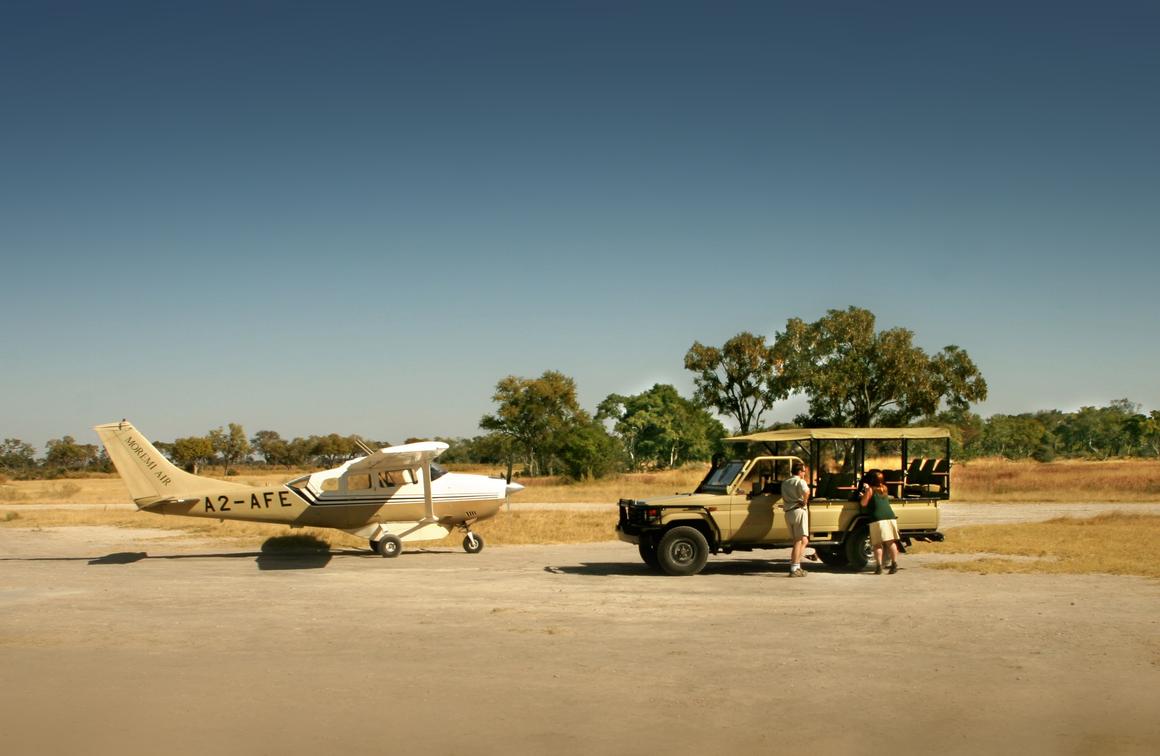
Not with us. Since we operate on both sides of the border, we can build a single itinerary that follows the migration across both countries, rather than limiting you to whichever side happens to be easier to book.

Ready when you are

Let's plan your wildebeest migration safari

A few questions, then a specialist follows up with real options, no fixed packages, no pressure.

Start planning