7 Days Across Kenya’s Wild North and South

7 Days Across Kenya’s Wild North and South

Rhino tracking at Ol Pejeta, five species found nowhere outside Kenya's arid north at Samburu, then a flight south into two full days in the Masai Mara.

7 DaysDuration KenyaCountries PrivateGroup type
Overview

Wildlife Safari encounters across Kenya's Wild

A standard Kenya safari often focuses on just one region, but this itinerary is designed for travellers seeking a more comprehensive experience. It begins in Ol Pejeta, a private conservancy renowned for its unique rhino tracking opportunities that many national parks cannot provide.

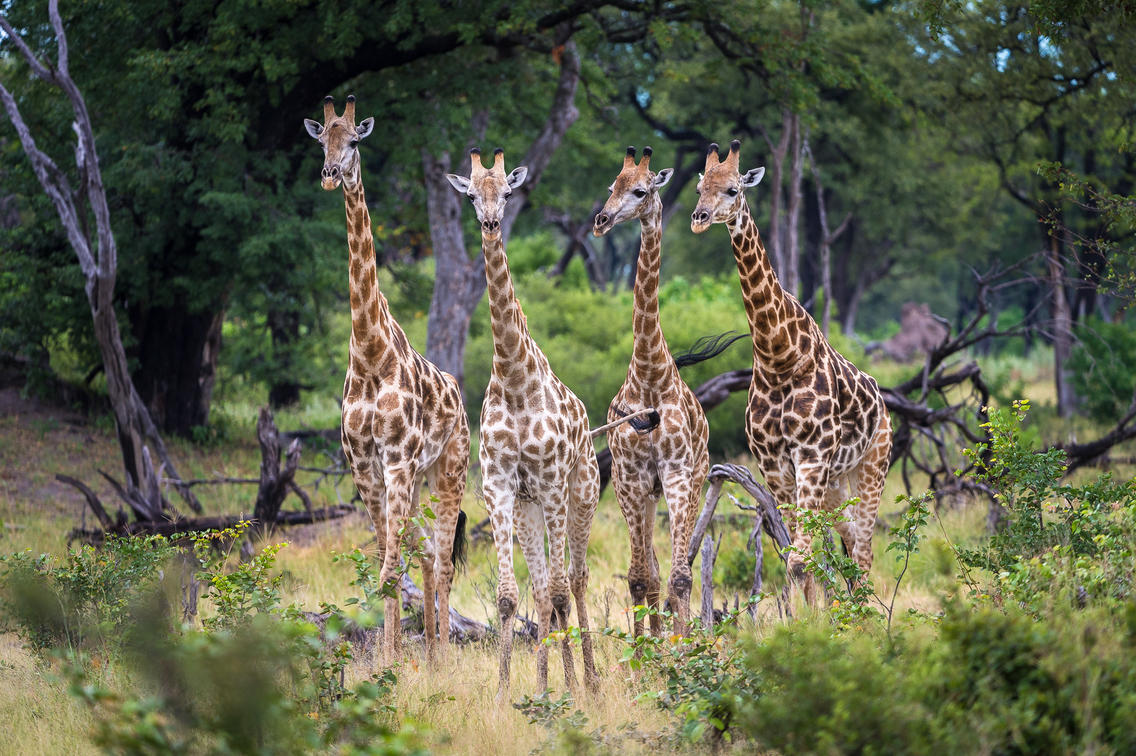
Travellers then head north to Samburu, where the landscape contrasts starkly with the highlands to the south, offering a distinct array of species found almost nowhere else in the country. This is especially important for those looking to expand their wildlife experiences; Samburu is home to the remarkable Samburu Special Five—reticulated giraffe, Grevy’s zebra, gerenuk, beisa oryx, and Somali ostrich—all specially adapted to the region’s arid environment. For anyone who has previously experienced a Mara-only trip, this diversity adds tremendous value.

The adventure continues with a scenic flight that transitions from Samburu’s dry riverine landscape to the expansive savannahs, concluding with two days in the famed Masai Mara, celebrated for its rich density and variety of wildlife.

This seven-day itinerary is intentionally designed to allow travellers to fully appreciate three distinct landscapes rather than rushing through a mere overview. It provides the time necessary for a deeper engagement with each area, ensuring a richer and more fulfilling safari experience.

At a glance

  • Duration7 Days
  • CountriesKenya
  • Group typePrivate

Activities

A few ways to shape your time amidst Africa Iconic Wildlifes

Private rhino tracking drive
River corridor game drives
Scenic flight, Samburu to the Mara
Photography-focused drives
Moments to note

Species You Can Only See in Kenya's Arid North

What separates this seven-day route from a standard Mara-focused trip.

I

Rhino Tracking Where It's Actually Possible

Ol Pejeta's private conservancy status permits close rhino tracking not allowed in Kenya's national parks, home to the last two northern white rhino on earth.

II

The Samburu Special Five

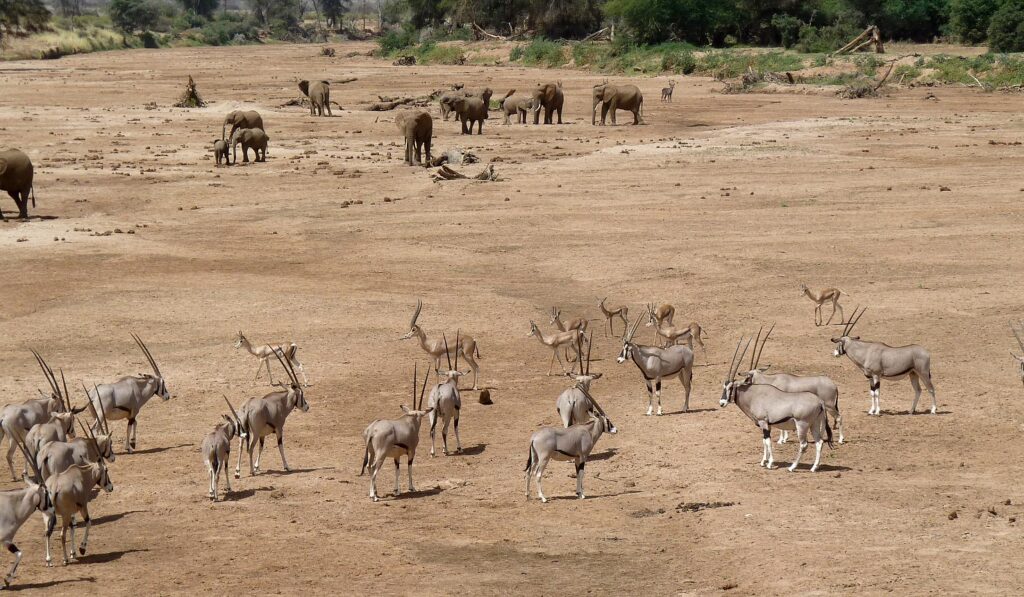
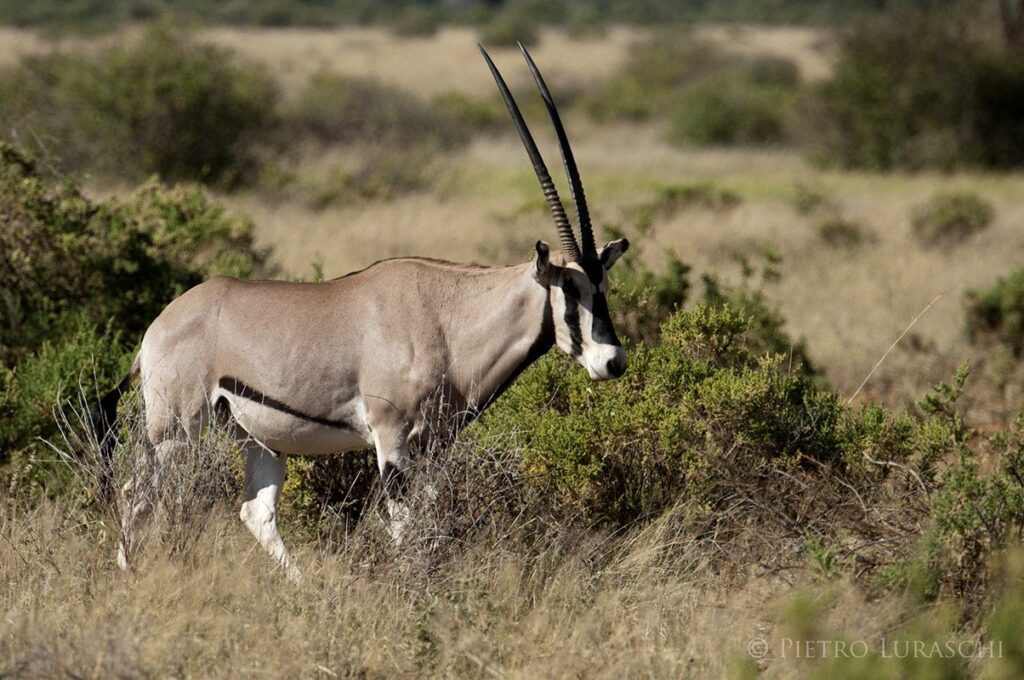
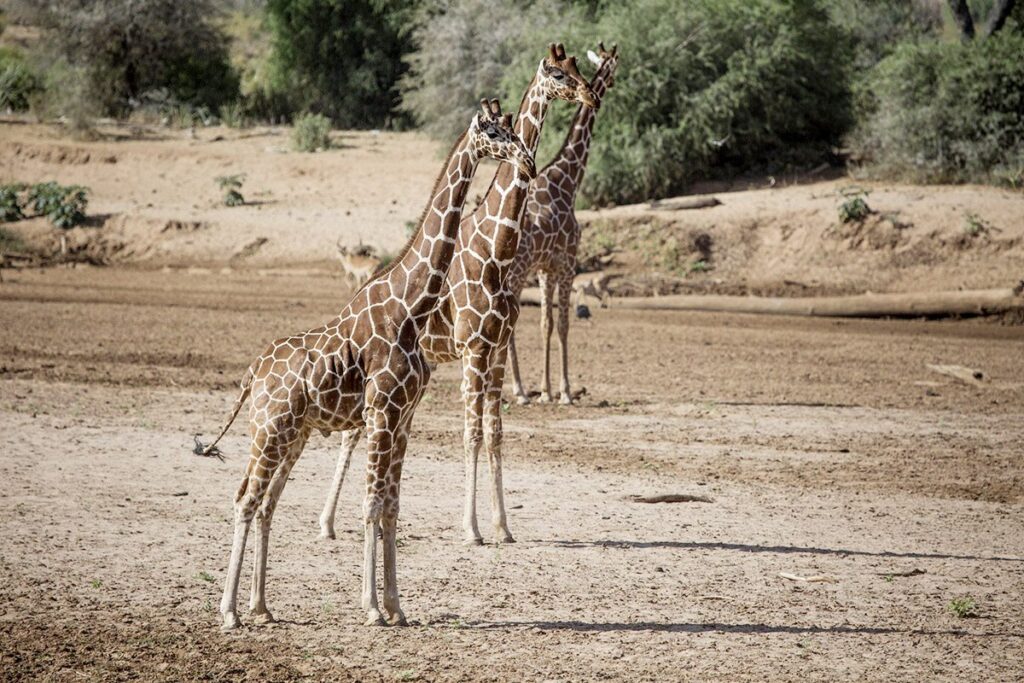
Grevy's zebra, reticulated giraffe, Somali ostrich, gerenuk and beisa oryx, five species adapted to arid country and found almost nowhere else in Kenya's safari circuit.

III

A River Corridor Where Predators Gather

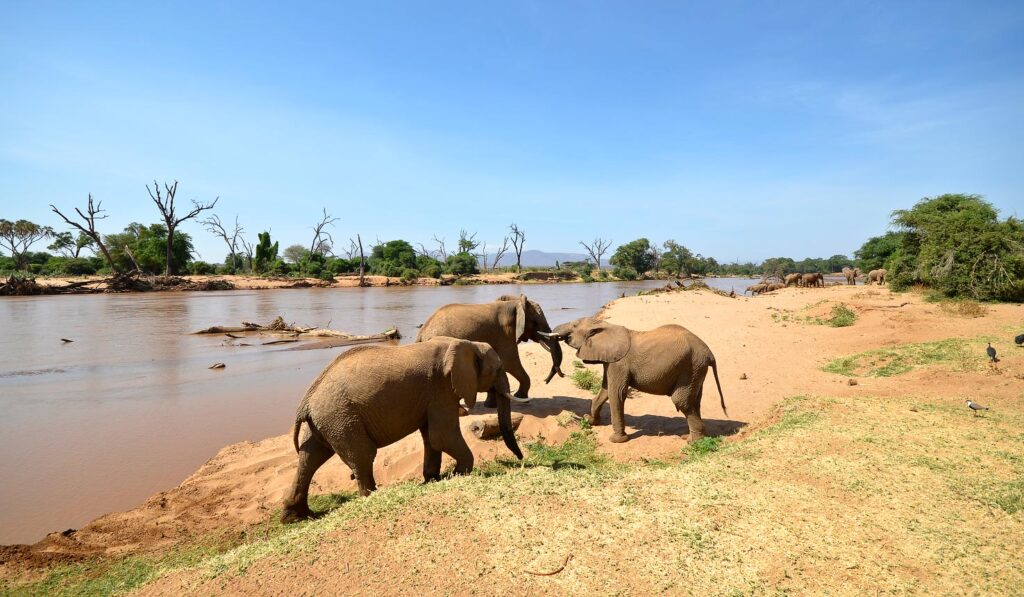
The Ewaso Nyiro River draws elephant, lion and leopard to its banks daily, a very different kind of density from the Mara's open plains.

IV

A Flight That Trades One World for Another

A scenic flight south from Samburu into the Masai Mara compresses what would otherwise be a near-full day of driving into under two hours in the air.

V

Two Full Days to Close the Trip

The Masai Mara's density and range close out the itinerary, a deliberate contrast after five days spent chasing rarer, more dispersed species further north.

Day by day

How the days break down

A starting shape: pace, order and length of each stage are all adjustable.

Day
01
Ol Pejeta
Nairobi → Ol Pejeta

The rarest rhino story in the world, day one.

Depart Nairobi by road for Ol Pejeta Conservancy, arriving by early afternoon with time for a first game drive centred on rhino tracking, the reason this particular conservancy opens the trip rather than a national park.

Where you rest

Sweetwaters Serena Camp · Set within Ol Pejeta Conservancy itself

Day
02
Ol Pejeta → Samburu
Ol Pejeta → Samburu

Transfer to the untouched wilderness of Northern Kenya

A final rhino-focused drive at Ol Pejeta before heading north into markedly different terrain. By the time you reach the Ewaso Nyiro River corridor at Samburu mid-afternoon, the landscape has shifted entirely, and so has the wildlife on offer.

Where you rest

Elephant Bedroom Camp · On the banks of the Ewaso Nyiro River

Day
03
Samburu
Full-day in Samburu

Encounter Unique and Rare Wildlife Species

A full day dedicated to Samburu National Reserve, tracking the Ewaso Nyiro River corridor where elephant, lion and leopard converge, while keeping an eye out for the reserve's arid-adapted specialities, the reticulated giraffe, Grevy's zebra, gerenuk and beisa oryx among them.

Where you rest

Elephant Bedroom Camp · On the banks of the Ewaso Nyiro River

Day
04
Samburu → Masai Mara

Into Kenya's Best Wildlife Destination

One last Samburu drive before a transfer to the airstrip for the scenic flight south. By the time you touch down in the Masai Mara for an afternoon game drive, the dry riverine terrain of the morning already feels like a different country.

Where you rest

Enkakenya Camp · Luxury tented camp inside the Mara, on the banks of Olare Orok River

Day
05
Masai Mara
First full day in the Mara

Encounter Iconic Africa Wildlife including the Big Five

After the rarity of Ol Pejeta and Samburu, this is where sheer density takes over. Morning and afternoon drives follow whatever the day's radio reports and fresh tracks point toward, resident prides most reliably, migration herds if the season lines up.

Where you rest

Enkakenya Camp · the same camp as the night before

Day
06
Masai Mara
Masai Mara

A last full day, timed for the river and the light

A different sector of the reserve this time, centred on the Mara River, where hippo and crocodile hold year-round territory. The day closes with a late drive built around the low, gold light the Mara's afternoons are known for.

Where you rest

Enkakenya Camp · the same camp as the night before

Day
07
Masai Mara → Nairobi

End of this Kenya Wild Safari

A last morning game drive before the road back to Nairobi, arriving mid to late afternoon with time to spare for onward connections.

What you'll likely see

Key species on this route

Rhino at Ol Pejeta, arid-adapted specialities at Samburu, big cats at the Mara, here's what past travellers have consistently seen across this three-region route.

· · · · · · ·
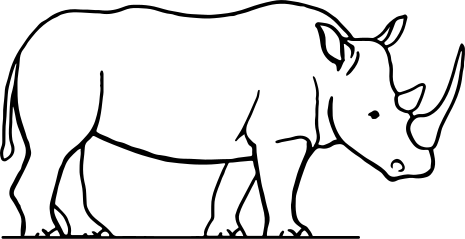
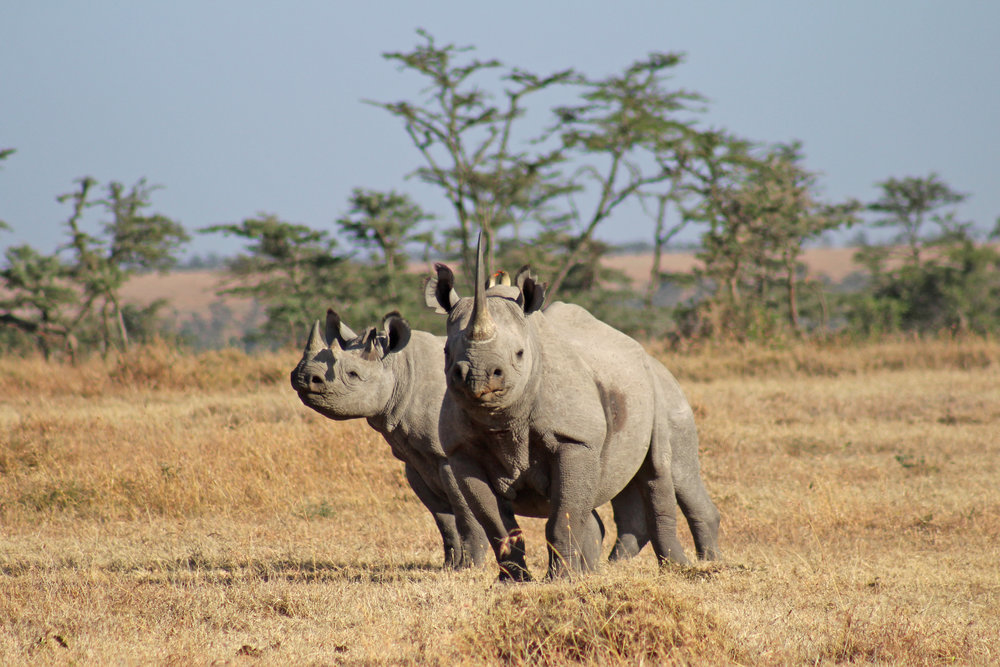
White Rhino
White Rhino
90% chance
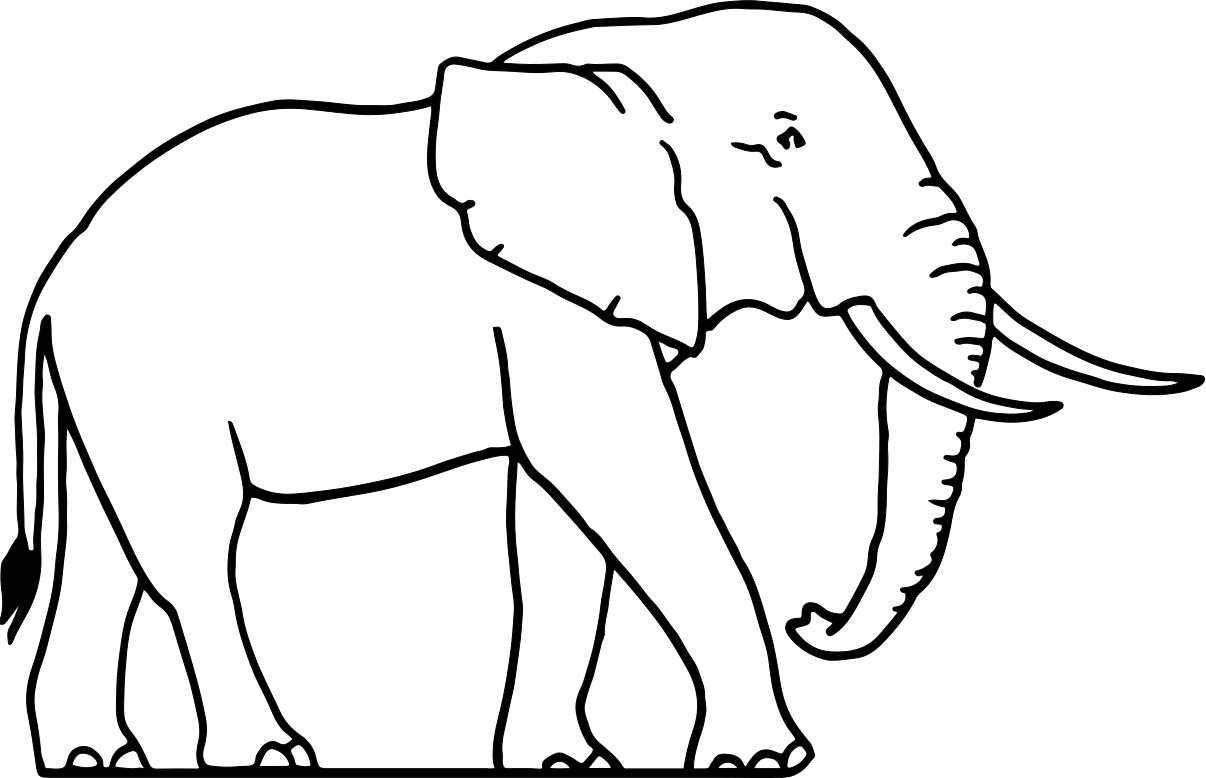
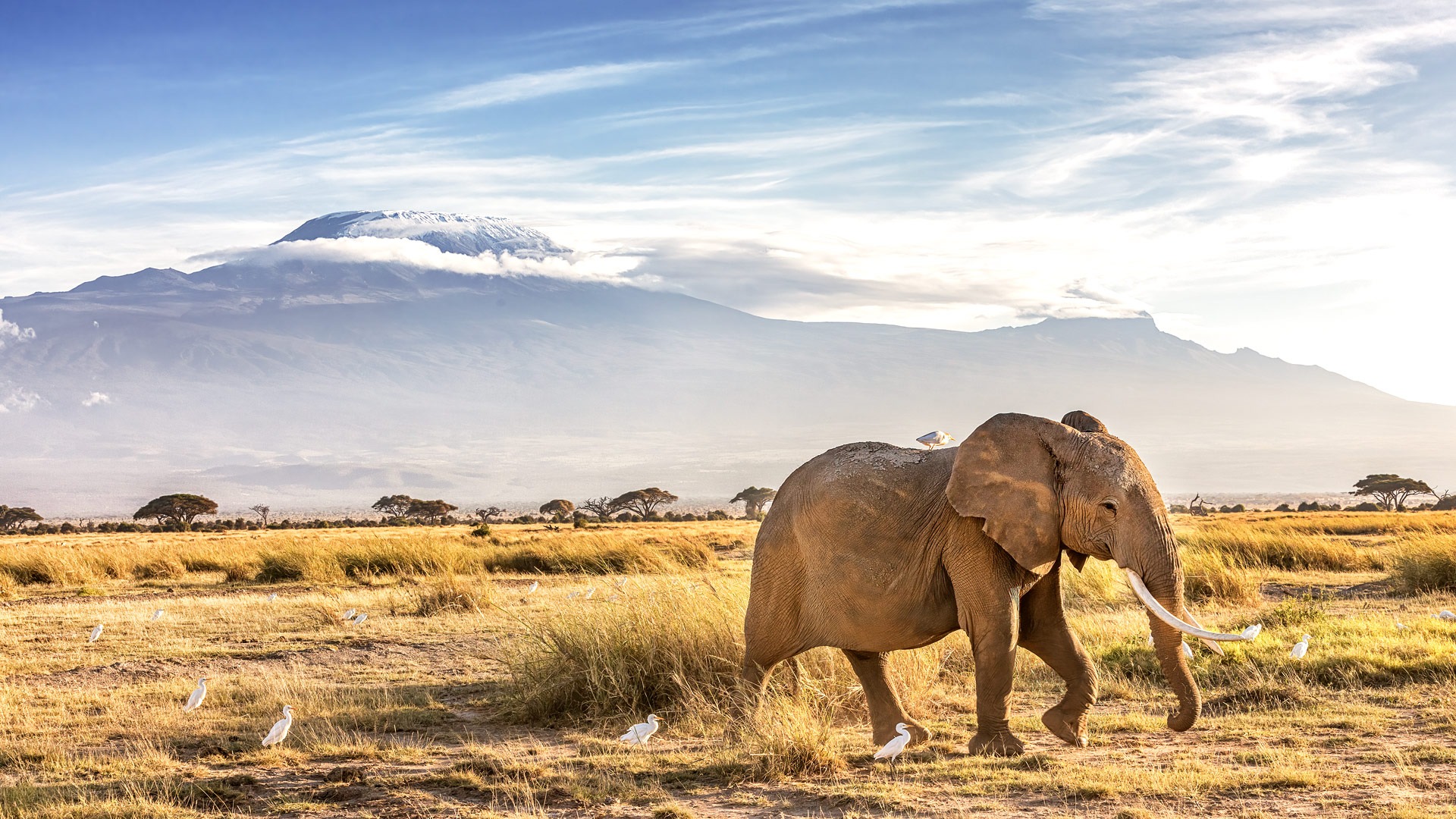
Elephant
Elephant
85% chance
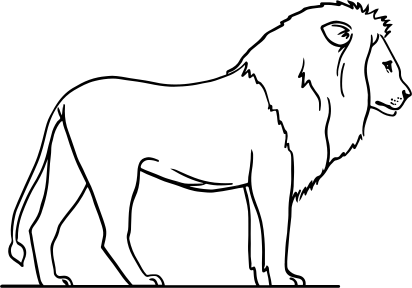
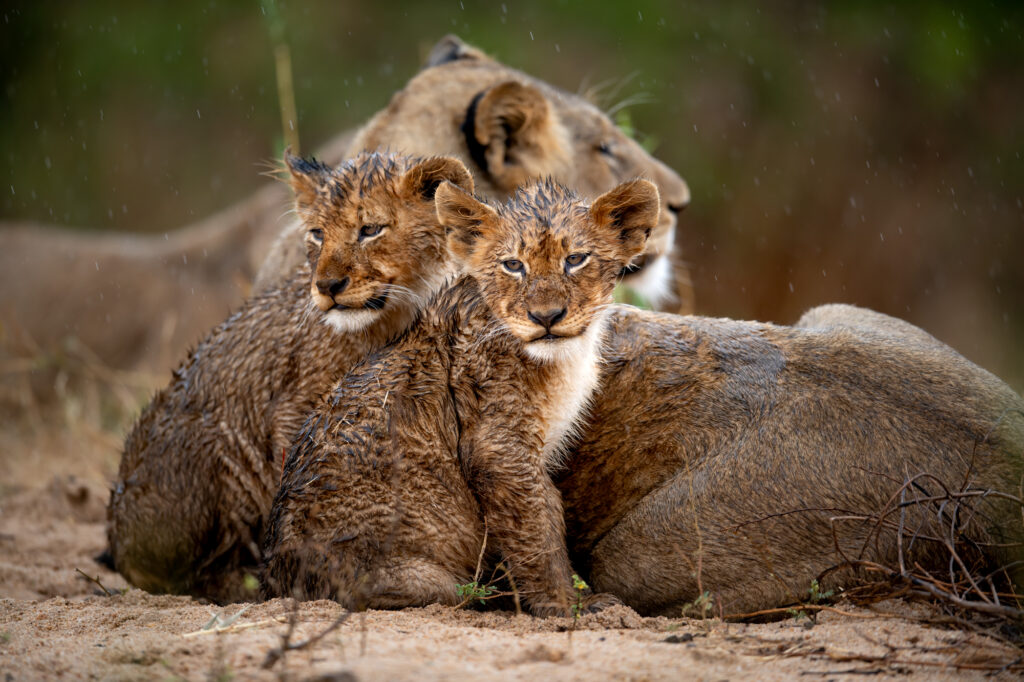
Lion
Lion
85% chance
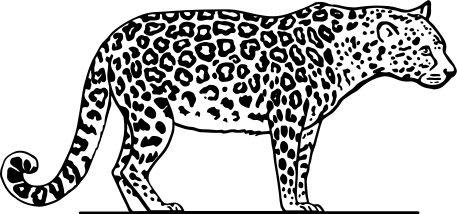
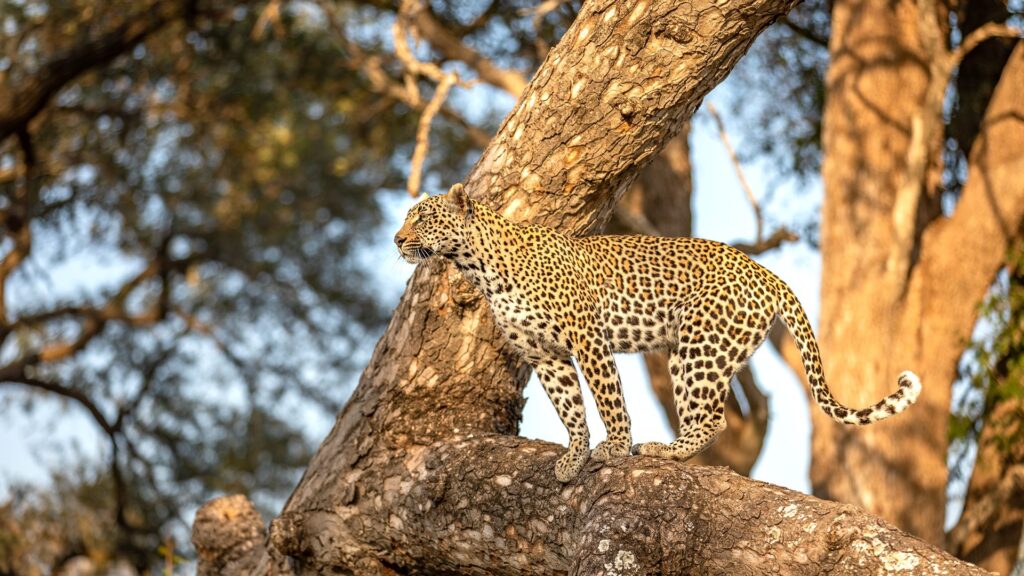
Leopard
Leopard
60% chance
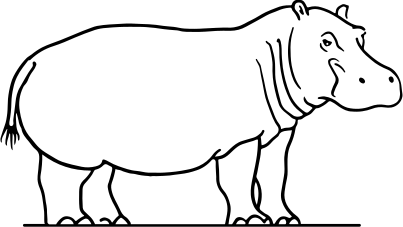
Hippo
Hippo
75% chance
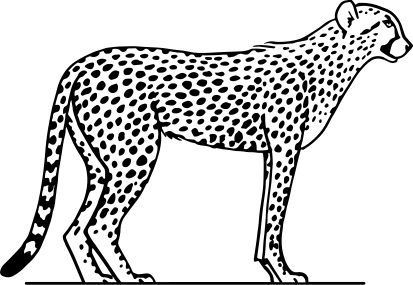
Cheetah
Cheetah
60% chance
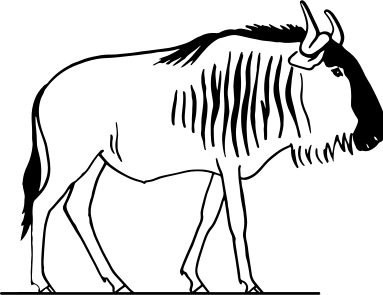
Wildebeest
Wildebeest
50% chance
The details

What's included

What's included

  • All accommodation as listed on a full board basis
  • Road transfers between Nairobi, Ol Pejeta and Samburu
  • Scenic flight between Samburu and the Masai Mara
  • All game drives in a private 4x4 vehicle with pop-up roof
  • A dedicated driver guide throughout
  • All park and conservancy fees

What's not included

  • International flights to and from Nairobi
  • Visa
  • Travel Insurance
  • Alcoholic and premium beverages
  • Gratuities for guides and camp staff

Notes about this trip

  • The Special Five take patience, not luck. Arid-adapted species live at much lower densities across a far larger landscape than the Mara's predators do, so sightings here reward a slower pace rather than a rushed drive-through. Worth resetting expectations if the Mara is the only benchmark you've had before.
  • This trip crosses real climate zones, not just park boundaries. Laikipia's highlands are noticeably cooler, especially at dawn, than Samburu's dry, exposed heat, and the Mara sits somewhere between the two. Packing one uniform kit for the whole week undersells how differently each leg actually feels.
Responsible travel

Responsible Travel

Conservancy fees paid at Ol Pejeta go directly toward one of Africa's most significant rhino protection programmes, including round-the-clock monitoring of the last northern white rhino on earth. Samburu's community-owned conservancies rely on tourism revenue to fund ranger salaries and reduce human-wildlife conflict along the river corridor, and the Masai Mara camps used on this itinerary work closely with surrounding communities on employment, keeping tourism revenue circulating locally.

I

Rhino protection funded directly by conservancy fees

Fees paid at Ol Pejeta fund one of Africa's most significant rhino protection efforts, including continuous monitoring of the last two northern white rhino on the planet.

II

Ranger salaries and reduced conflict at Samburu

Samburu's community-owned conservancies use tourism revenue to pay ranger salaries and fund work that reduces conflict between wildlife and the communities living along the river corridor.

III

Local employment at the Mara

Camps used on this itinerary work closely with surrounding communities on staffing, so tourism revenue has a better chance of staying local rather than leaving the region

IV

Low-impact operations throughout

Camps across all three regions on this route run with water and energy use in mind, three landscapes where both are limited in different ways.

Make it mine

This page shows the shape of a Laikipia, Samburu and Mara safari. The trip itself gets built around you: how many days in each region, which camps, and whether it's trimmed down or extended further once we know what matters most to you.

With the route as a starting point, your specialist will adjust the pace, camps and add-ons until the itinerary feels like yours, not a template.

Start tailoring this safari
If this isn't quite right

Similar safaris

Common questions

Before you enquire

There are five species adapted specifically to Kenya’s arid north: the Grevy’s zebra, reticulated giraffe, Somali ostrich, gerenuk and beisa oryx, none of which are commonly found in the Masai Mara or other southern parks.

Approximately three hours, with the landscape shifting from Laikipia’s highland conservancies to the drier, more rugged terrain of the north.

The road route would take close to a full day, so the scenic flight preserves time for game drives rather than transfers, connecting two of Kenya’s most different landscapes in under two hours.

Yes, this route is well suited to repeat visitors to Kenya, since Ol Pejeta and Samburu offer species and landscapes not found on a typical Mara-focused trip.

Ready when you are

Ask about 7 Days Across Kenya’s Wild North and South

Tell us your dates and we'll confirm whether the timing works, then adjust the route from there.

Start planning this trip