One night, a bed on an open platform above the forest canopy, and nothing between you and the sky but the sound of the Mara waking up around you.
There’s a particular kind of quiet that only exists under an African sky at night, no roof, no walls, nothing but a bed on an open platform and a stretch of stars over the plains. This three-day Masai Mara safari exists to give you that one night; everything else on the itinerary is built to lead into it and ease out of it.
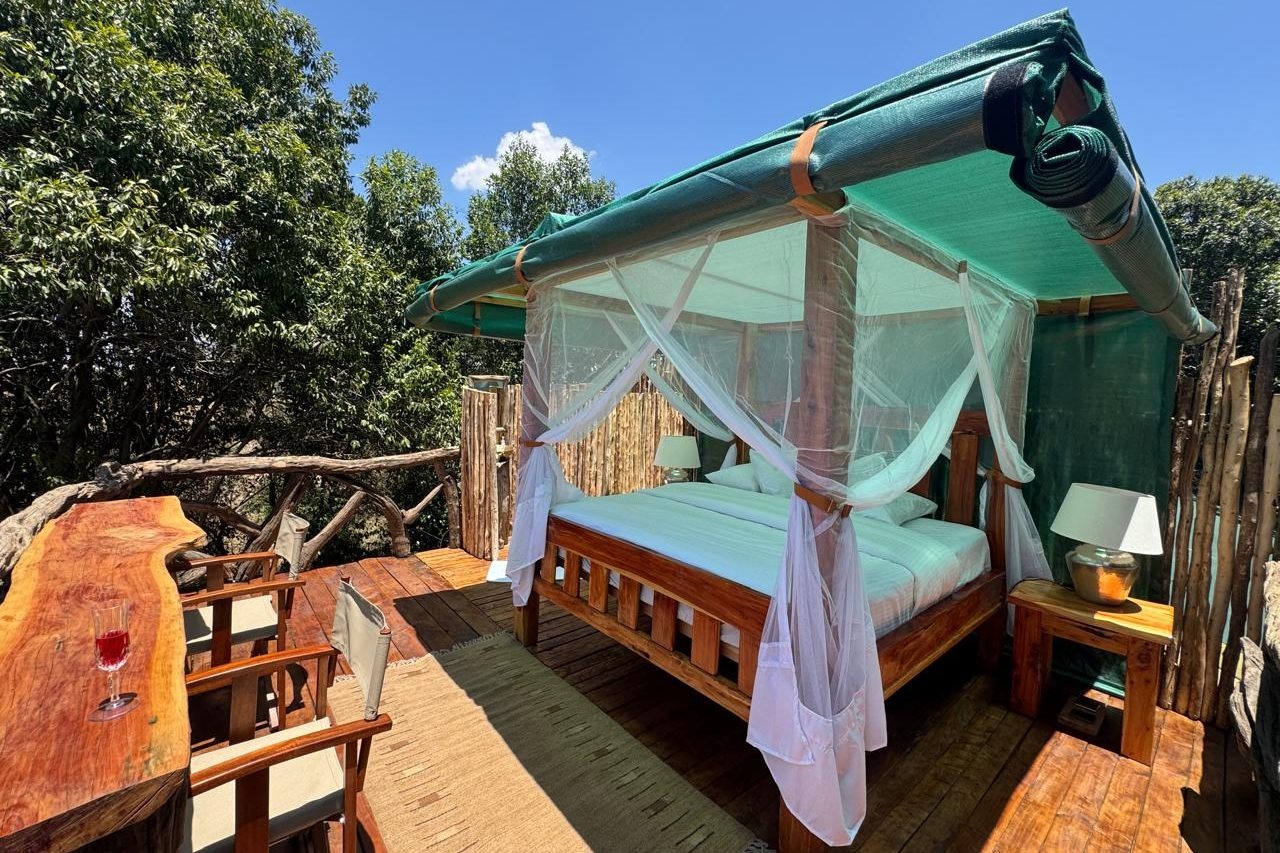
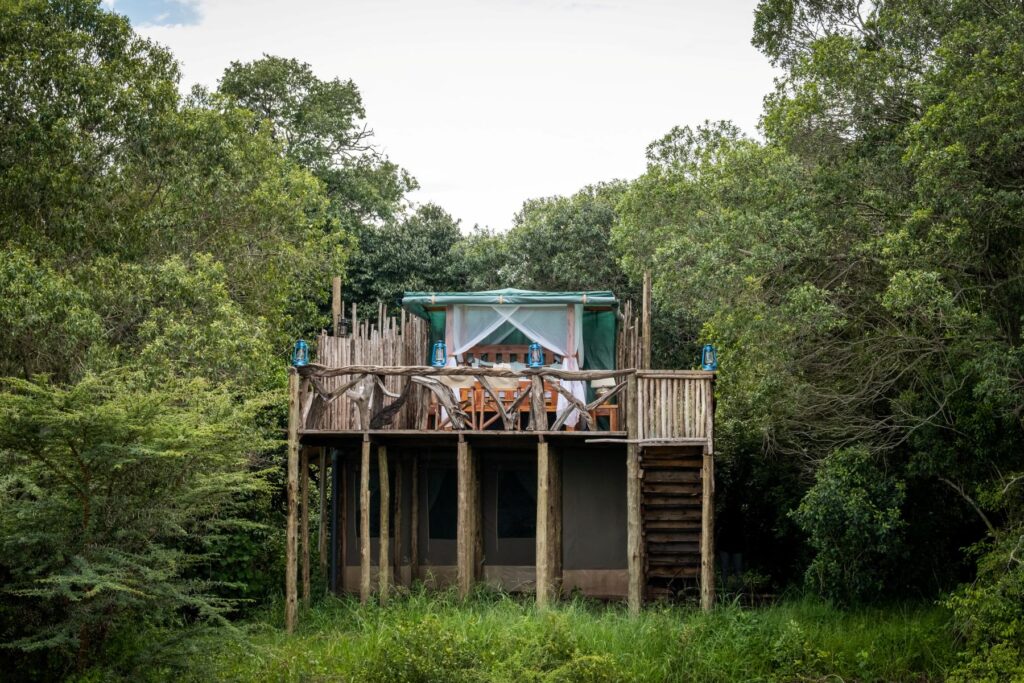
The days on either side are proper safari days in their own right: a private vehicle, a full day of game drives through resident lion and elephant territory, and drinks poured out on the plains as the light turns copper. But the centre of this trip is a short guided walk after dark to Enkakenya Camp’s Starbed, a four-poster bed on stilts above the riverine forest canopy, facing east so the first light of morning reaches you before anything else does.
This experience is designed specifically for couples, providing an intimate escape rather than a diluted group adventure. The Starbed accommodates just two, ensuring that every detail—from the leisurely pace to the serene atmosphere—is crafted for maximum privacy and tranquillity.
What makes this a safari worth planning around a single night, not just adding one on.
A short guided walk by lantern light to a private, elevated platform, a four-poster bed on timber stilts above the riverine forest canopy, positioned deliberately to face east so sunrise reaches you first.
One day set aside with nothing else on it, morning and afternoon game drives through some of the Mara's densest wildlife territory, timed around the one night that follows it.
Drinks poured out on the open plains as the afternoon drive winds down, timed for the hour the Mara's light is at its most dramatic.
Maasai guards patrol the camp through the night, and a private butler walks you to and from the Starbed platform by lantern, so the sense of being alone under the sky never means being unaccompanied.
The Starbed sleeps no more than two people by design, an anniversary, an engagement, or simply time set aside together, this is the one night on the itinerary with nothing else competing for attention.
A starting shape: pace, order and length of each stage are all adjustable.
Collected from your Nairobi hotel in the morning for the road transfer west into the Masai Mara, arriving in the early afternoon with time to settle in before the light starts to soften.
A first game drive fills the late afternoon, an introduction to the plains and the wildlife that will shape the full day ahead, before returning to camp for dinner and your first night in a river-facing tent.
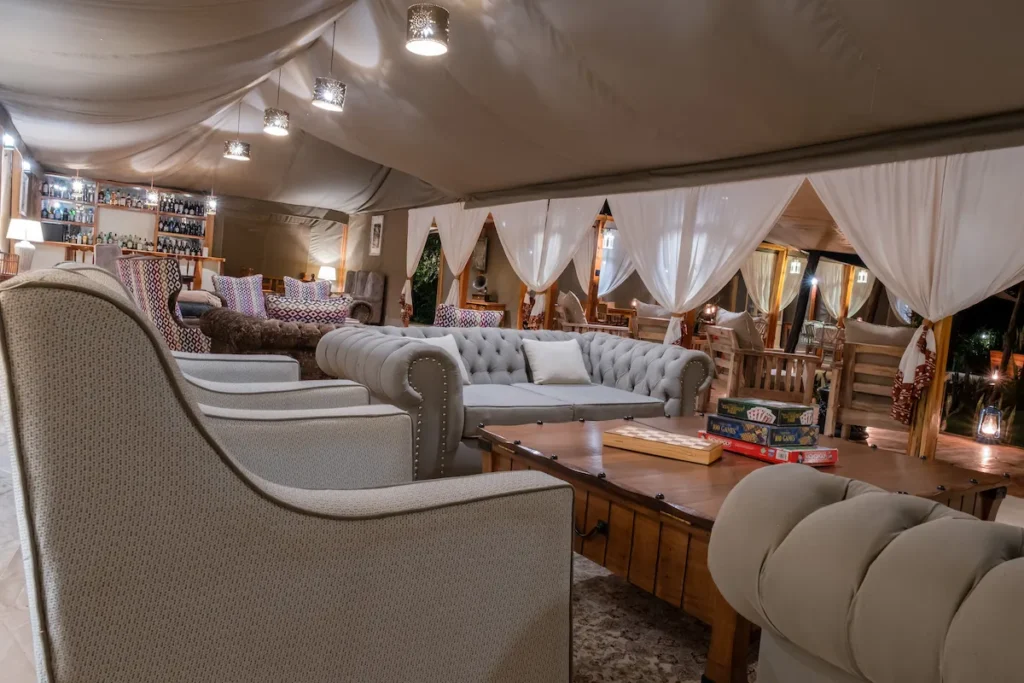
Enkakenya Camp · A river-facing tent on the banks of Olare Orok River, inside the reserve
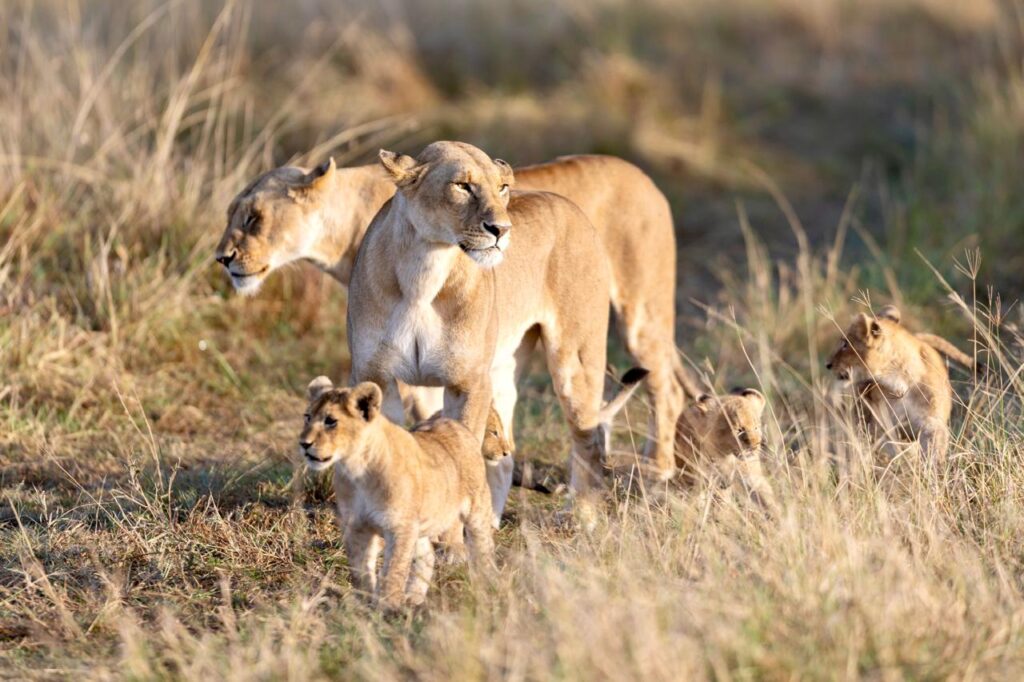
An early start for the morning game drive, tracing resident lion prides and open plains while the light is still soft, before returning to camp for a break through the warmest hours of the day.
The afternoon drive winds down with sundowner drinks poured out on the plains, then after dinner back at camp, a private butler leads you by lantern to the Starbed, a short walk to a platform raised above the forest, where you'll fall asleep under an open sky and wake to first light reaching the bed before anything else.
The Starbed, Enkakenya Camp · An open-air platform above the riverine forest canopy
A slow morning on the platform as the forest below catches the early light, before a short final game drive on the way back to camp for breakfast.
Departure for the road transfer back to Nairobi follows, arriving in the mid to late afternoon depending on traffic through the city.
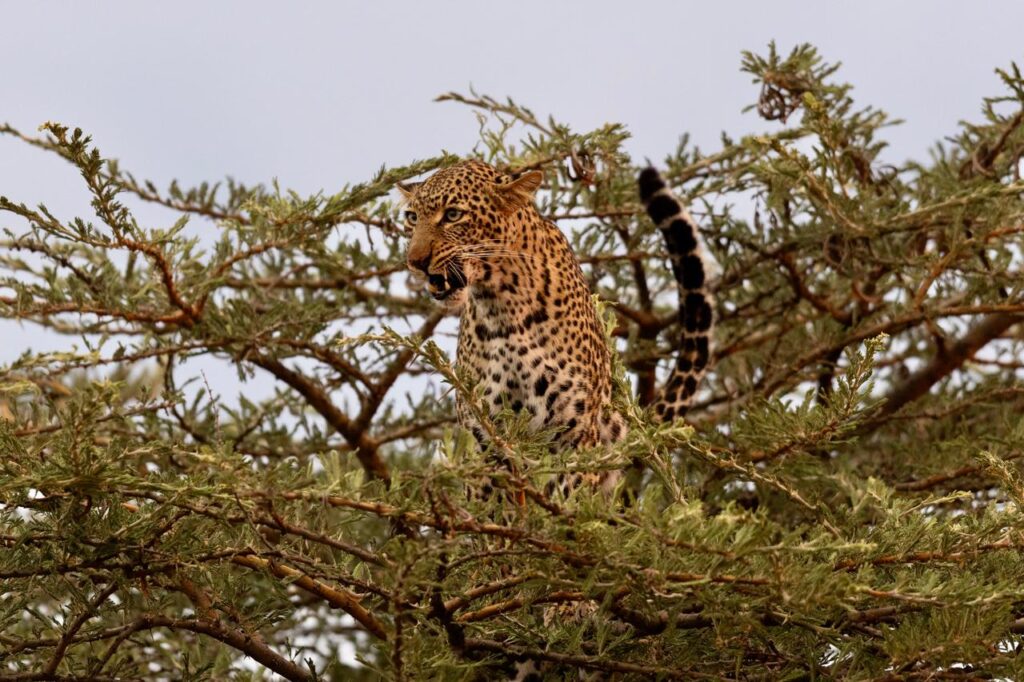
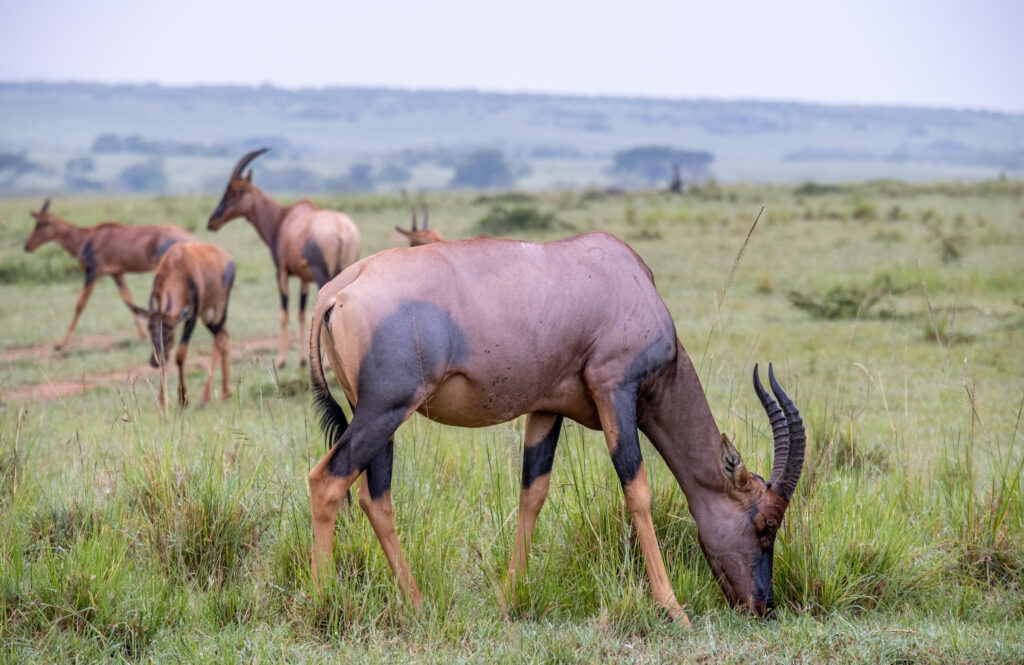
A full day on the reserve makes for consistent sightings, here's roughly what past travellers have seen on this specific route.
A river-facing tent for your first night, then a private, elevated platform above the forest canopy for the night that gives this trip its name.
Park fees paid on this trip go directly toward the reserve's conservation and anti-poaching work, and the camp used on this route employs from surrounding Maasai communities, including the guards and butlers who make the Starbed night possible, keeping a share of tourism revenue circulating locally.
Entry and conservancy fees collected during your stay go directly toward the reserve's own conservation and anti-poaching efforts.
The guards, guides and butlers who run this itinerary, including the night staff who make the Starbed experience possible, are drawn from surrounding Maasai communities.
Raising the Starbed on stilts above the forest floor rather than clearing ground for it keeps disturbance to the riverine habitat it sits within to a minimum.
A single private 4x4 assigned to your safari keeps off-track driving to a minimum, sticking to established routes across sensitive grassland.
This page shows the shape of a short safari built around one night on the Starbed. The trip itself gets built around you: how many nights either side, whether the starbed night is extended to two, and what, if anything, marks the occasion.
With the route as a starting point, your specialist will adjust the pace, camps and add-ons until the itinerary feels like yours.
Start tailoring this safari
Fly straight into the Mara for two full days among some of Africa's densest wildlife, and…
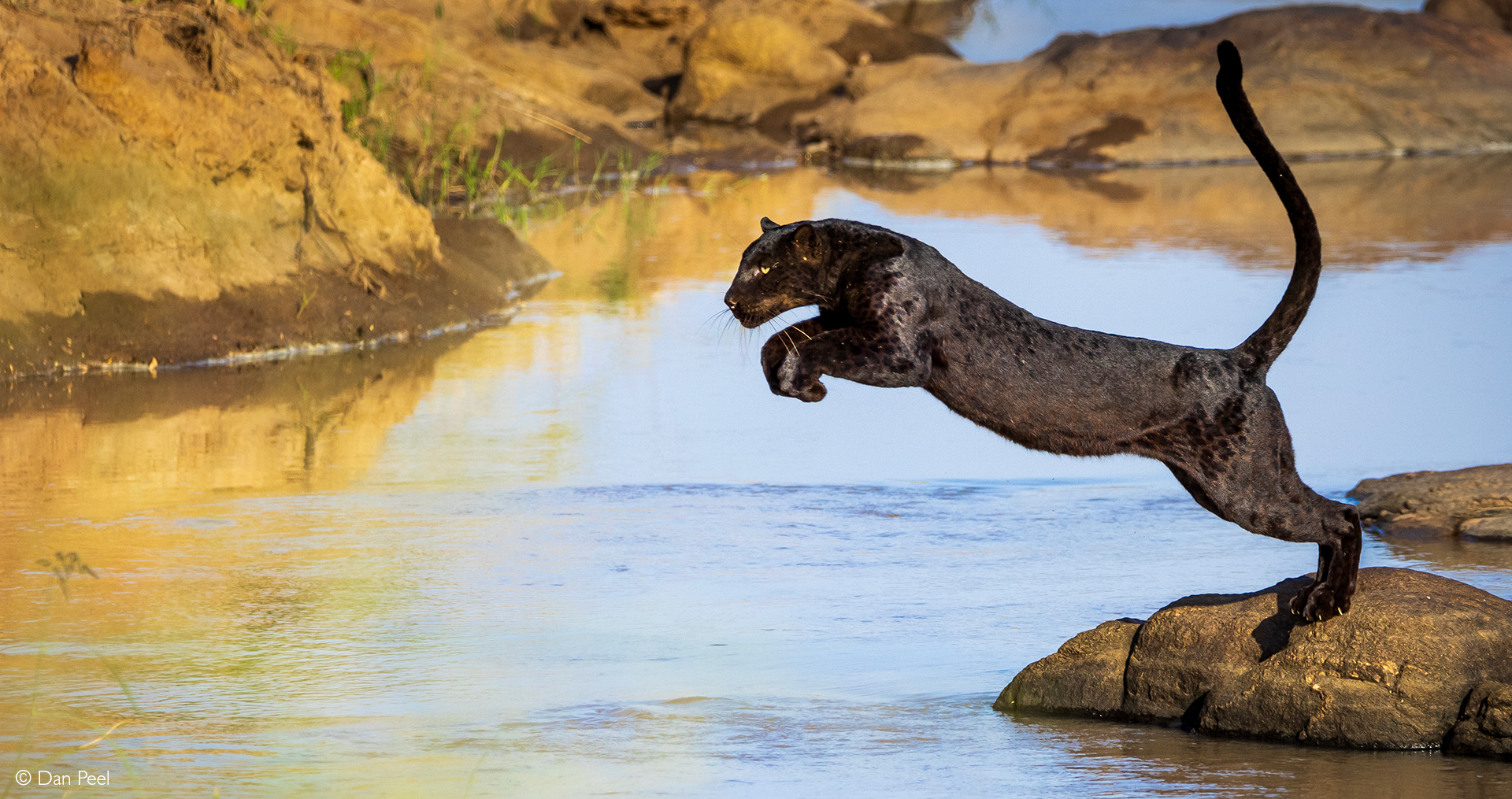
A 7-day Kenya safari tracking one of Africa's rarest sightings (the black leopard of Laikipia) before…
A private 3-day road safari to the Masai Mara and back, built for a short window…
Yes. Maasai guards patrol the camp throughout the night, and a private butler escorts you to and from the platform by lantern, so you’re never actually unaccompanied even with nothing but open air above the bed.
The platform itself has no covering over the bed, but there’s a shelter suite built directly underneath it, with a bathroom and sitting area, that you’d move down to if heavy rain sets in. Clear nights are when the stargazing is at its best, but the shelter is there regardless.
Very much so. The Starbed sleeps no more than two people by design, and camps like this can often arrange small touches, champagne or a particular setup, with enough advance notice, tell us if you’re marking an occasion and we’ll ask on your behalf.
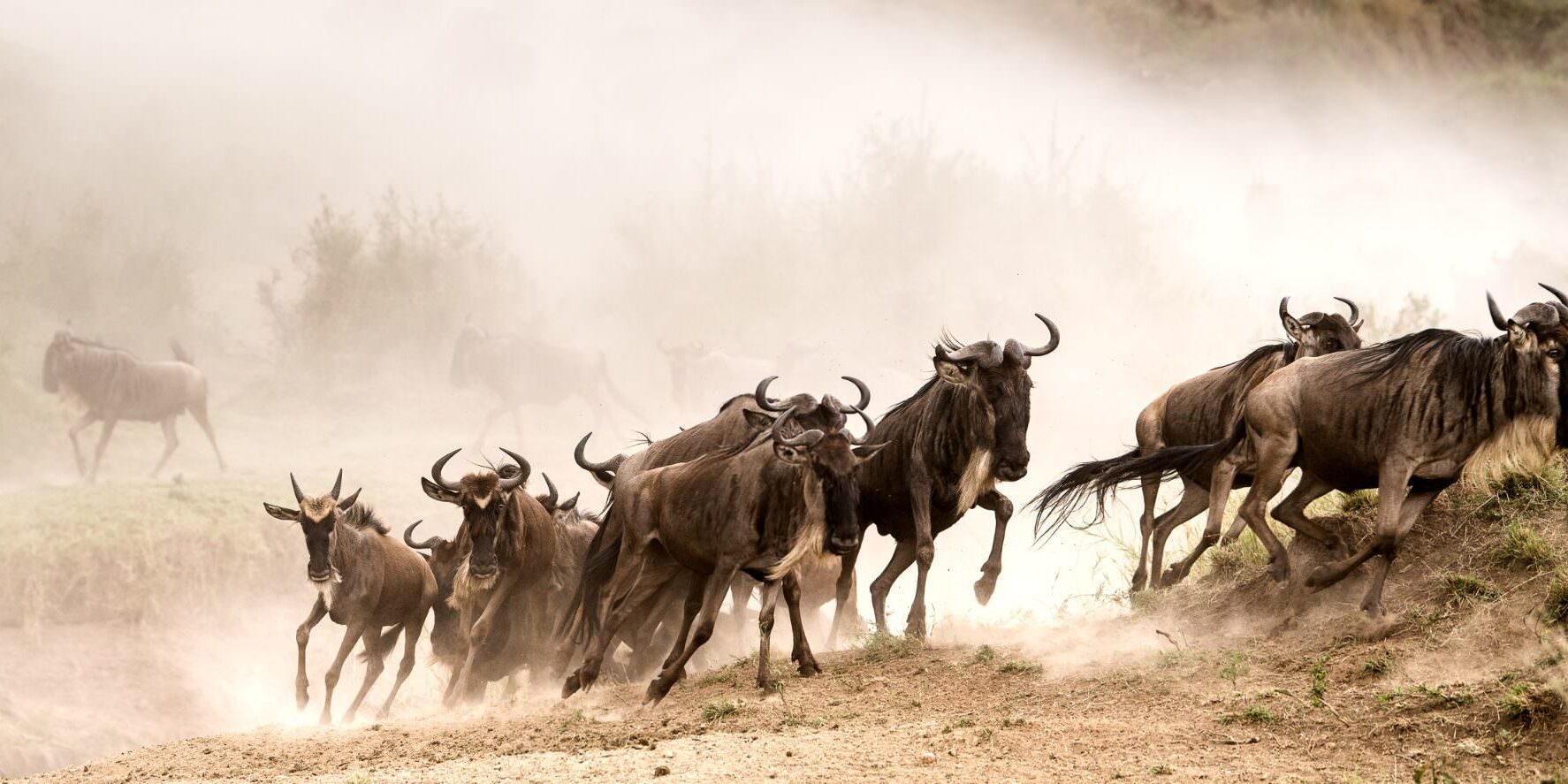
It depends on timing. The migration typically moves through the Mara between July and October, tapering off toward the end of that window, so travel within that period gives the best chance of seeing it, outside it you’ll see resident herds rather than the mass movement.
It depends on the season and how many nights are spent on the Starbed specifically, so there isn’t a single figure that fits every trip. Tell us your dates and we’ll put together a tailored quote rather than a generic estimate.
Tell us your dates and we'll confirm whether the timing works, then adjust the route from there.
Start planning this trip