3 days on the plains that defined the word safari, in the company of the highest lion density left on the continent, reached by a short flight rather than a long one. A complete introduction to the Serengeti, not a rushed glimpse of it.
There is a moment, usually not long after the plane lifts off from Arusha and the last cultivated fields give way to open grassland, when the Serengeti announces itself simply by refusing to end. No fence, no ridge, no far tree line, just grass and light running out to a horizon that keeps its distance no matter how long you watch it. The name comes from the Maasai word siringet, the place where the land runs on forever, and it is one of the rare instances where the old name undersells the thing it describes.
Three days is not long enough to see all of the Serengeti; nothing short of weeks is, but it is entirely enough to understand why every other safari on the continent is quietly measured against it. Seronera, at the park’s centre, holds resident lions and leopards in numbers that rival anywhere in Africa, in every month of the year, migration or no migration. This route is built around that reliability: a short, complete safari rather than a long journey chasing a single seasonal event, though if your dates happen to align with the migration’s presence in this part of the park, so much the better.
The parts of this particular route past travellers mention most.
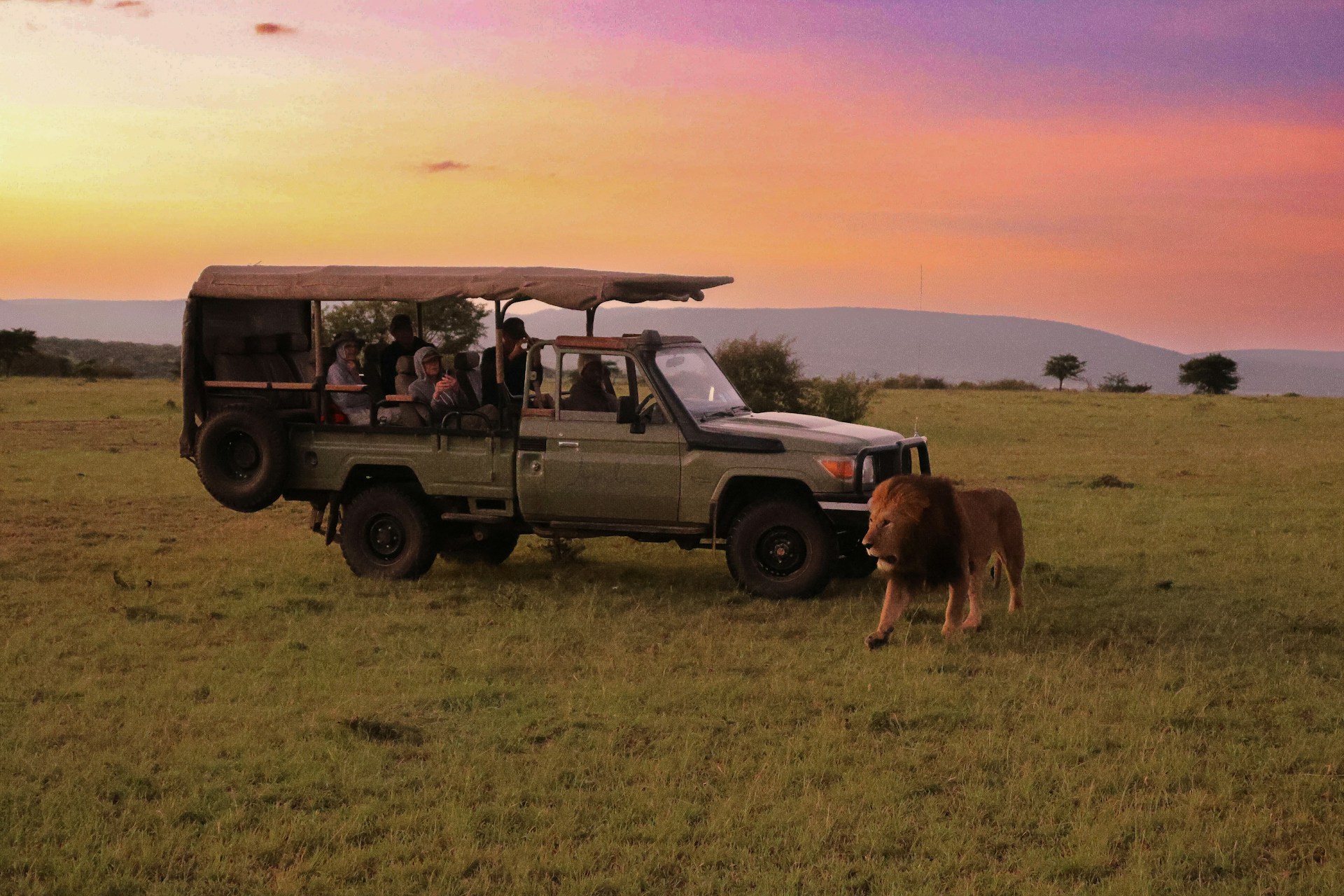
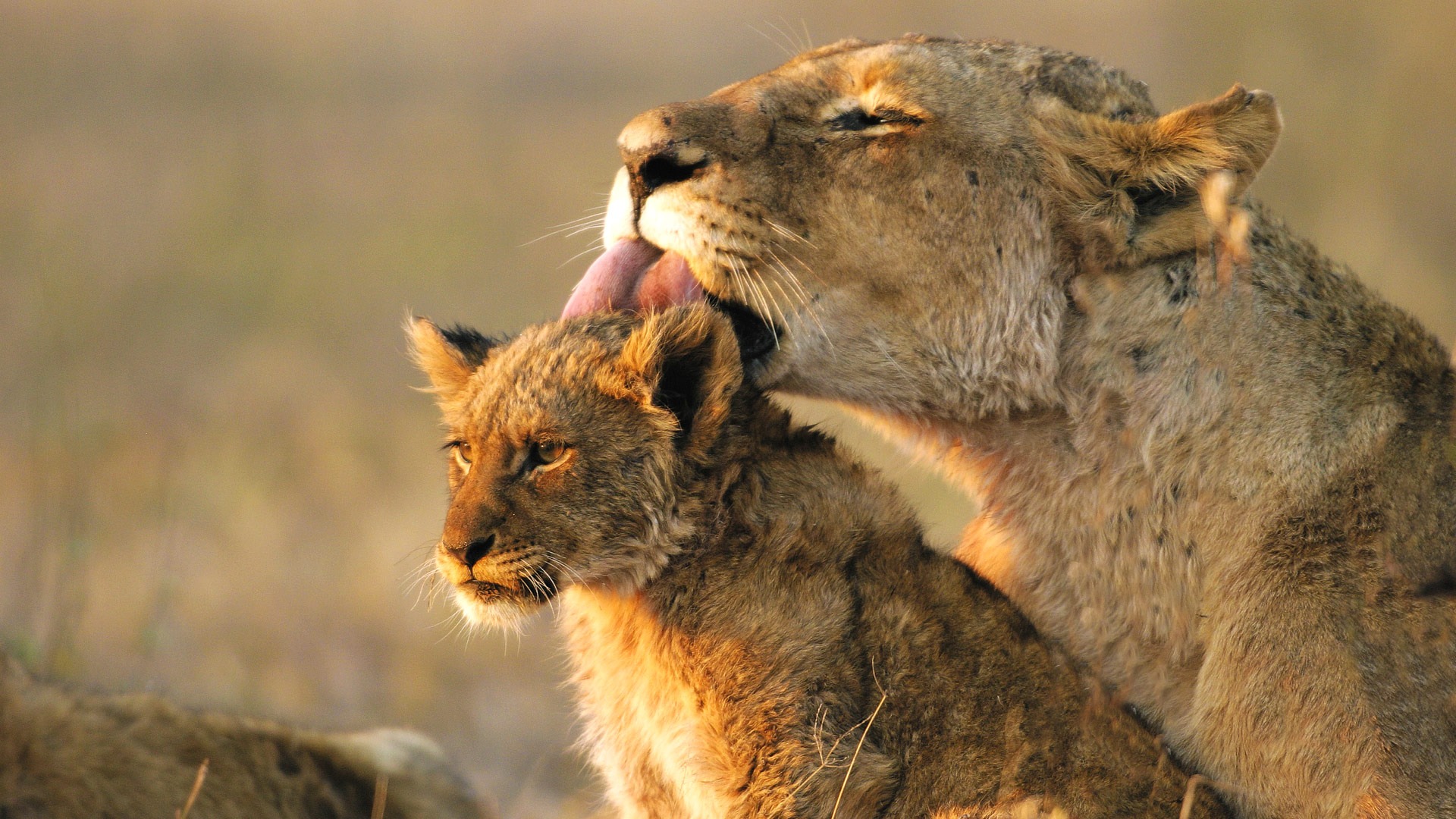
Seronera's resident prides have been studied continuously since the 1960s, the longest-running lion research project in the world, and sightings here are reliable in any month.
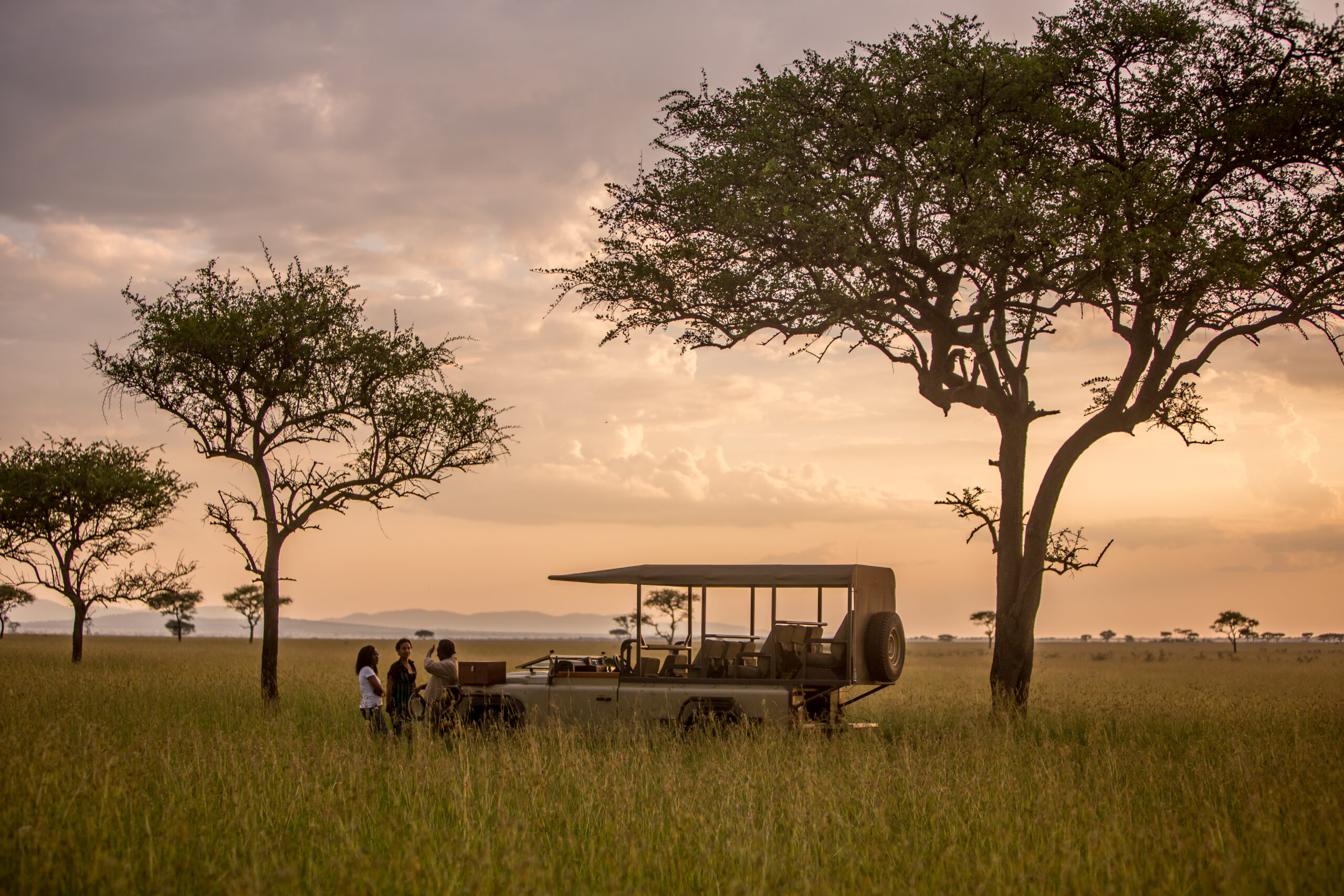
The landscape that gave the word "safari" its meaning, islands of ancient rock scattered across grass that runs to every horizon.
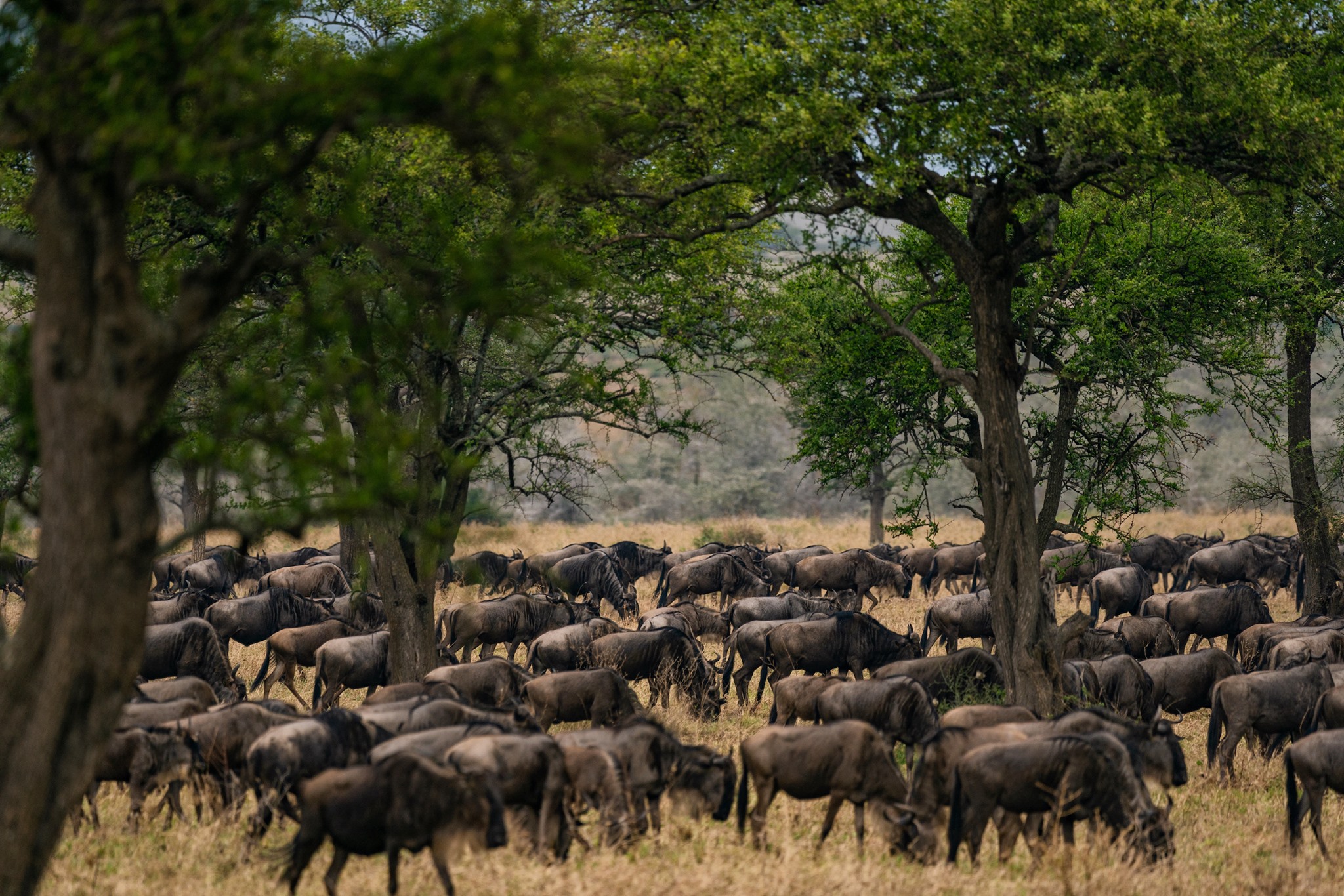
Depending on the season, over a million wildebeest may be moving through or near this very sector, worth asking your specialist what the herds are doing on your specific dates.
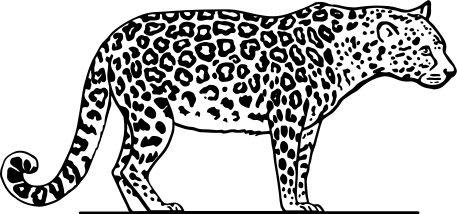
The riverine forest threading through this sector gives some of the most consistent leopard viewing anywhere on the continent.
An evening stop on a kopje as the plains below turn gold, one of the most photographed moments a Serengeti safari offers.
Reached by a short flight from Arusha rather than a long overland journey, this route delivers a full Serengeti experience without needing a week to do it.
A starting shape: pace, order and length of each stage are all adjustable.
The transfer to the Serengeti is a short flight rather than a long drive, a light aircraft lifting off from Arusha or Kilimanjaro International Airport and, within the hour, setting down on one of the park's own dirt airstrips. It is a striking way to arrive, the Ngorongoro highlands falling away below, then the Serengeti's plains opening out in every direction as the plane descends, grassland running to a horizon with nothing to interrupt it.
A vehicle meets the airstrip for the short transfer to camp, and after a light lunch, the afternoon is given to a first game drive through Seronera's mix of open plain and riverine forest. This sector holds resident lion and leopard in numbers that rival anywhere on the continent, so a first sighting often comes within the first hour. The day closes with dinner under a sky with very little competing light to dim it.
A tented camp beside the Seronera River · Two nights here, in the park's most reliable game-viewing sector.
The day begins early, while the light is still soft and Seronera's resident prides are typically at their most active. The morning drive moves through open plain and past the granite kopjes that give this landscape its most recognisable feature, ancient rock islands rising out of grass that runs unbroken to every horizon, exactly the scenery that first defined the word safari for travellers a century ago. Depending on the month, this drive may also cross paths with the wildebeest migration itself, moving through or near this sector on its long annual circuit.
After a midday rest at camp, the afternoon drive follows the Seronera River's riverine forest, the specific habitat that makes this one of the most reliable places in Africa to find leopard resting in the trees along its banks. The day closes with a sundowner on top of one of the sector's kopjes, a drink in hand as the plains below turn from gold to indigo and the first stars appear over a landscape with no city light for hundreds of kilometres to compete with.
A tented camp beside the Seronera River · Second night at the same camp, so nothing about this short stay feels rushed.
There is time for one last drive before the flight out, taken slowly, following whatever the plains offer on a final morning rather than working through a checklist. Seronera's resident wildlife tends to be at its most visible in this early hour, and it is often the last proper look at the landscape before the return flight.
Breakfast back at camp is followed by the short transfer to the airstrip and a mid-morning flight back to Arusha or Kilimanjaro International Airport, arrival timed for early afternoon in time for an onward connection or a night in Arusha before flying home.
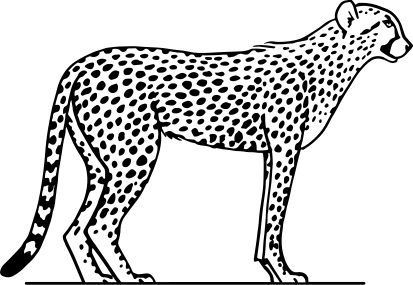
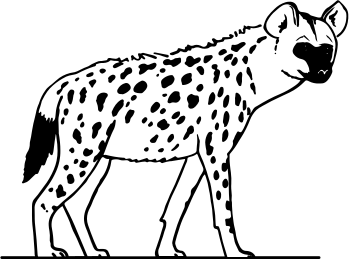
Based on past travellers' sightings on this specific route, here's roughly what to expect around Seronera.
Every park fee paid on this route goes through Tanzania National Parks (TANAPA), funding ranger operations and anti-poaching patrols across the Serengeti and the reserves that extend its ecosystem beyond the park's own boundary.
Entry fees paid on this route support TANAPA ranger operations and anti-poaching patrols across the Serengeti's full ecosystem.
Seronera's lion prides have been studied continuously since the 1960s, and tourism revenue helps sustain the protection that makes that research possible.
Accommodation on this route follows standard low-impact safari camp operating practices, minimal permanent footprint and careful water and waste management.
This three-day route is a starting point, not a fixed plan. Extend it by a night, add Ngorongoro Crater on the way in or out, or use it as one chapter of a longer Tanzania itinerary, your specialist will work from here.
With the route as a starting point, your specialist will adjust the pace, camps and add-ons until the itinerary feels like yours, not a template.
Start tailoring this safari
Maasai Mara, Serengeti and Zanzibar in one 10-day luxury migration safari and beach holiday.
Tarangire's elephants, Manyara's tree-climbing lions, the Serengeti and Ngorongoro Crater, in one private 7-day Tanzania family…
Tarangire, the Serengeti and Ngorongoro Crater in one tailor-made 6-day Tanzania safari.
Three days is enough for a complete introduction to the Serengeti, resident lion and leopard, the kopje landscape, and a real chance at the migration depending on timing. Longer stays let you cover more than one sector, but this route isn’t a rushed version of a bigger trip, it’s a complete safari in its own right.
Not guaranteed, the migration’s position shifts year to year with the rains, and this route is based in Seronera specifically. What is reliable, in any month, is Seronera’s resident lion and leopard population, among the strongest on the continent regardless of where the herds happen to be.
It depends on the season, camp choice and any add-on activities, so there isn’t one number that fits every trip. Tell us your dates and we’ll put together a tailored quote.
Yes, Ngorongoro Crater is the classic pairing given how close it sits to the Serengeti’s southern boundary, and this route also combines well with a flight onward to Zanzibar for a beach finish.
Every itinerary on this route is built around a private vehicle and guide by default, no shared seats or fixed group schedule.
Tell us your dates and we'll confirm whether the timing works, then adjust the route from there.
Start planning this trip