7 Days Best of Tanzania Safari

7 Days Best of Tanzania Safari

Seven days through the best of northern Tanzania, with two nights each in Tarangire, the Serengeti and on the Ngorongoro Crater rim, and Lake Manyara's forest on the road home

7 DaysDuration TanzaniaCountries PrivateGroup type
Overview

Safari to Explore the best of Tanzania

Spend a week exploring Tanzania’s best wildlife destinations and encounter Africa’s iconic wildlife.

The 7 Days, Best of Tanzania Safari is a private safari that spends two nights each in Tarangire National Park, the central Serengeti and on the rim of the Ngorongoro Crater, then visits Lake Manyara National Park on the way back to Arusha. It is at its finest from June to October, and very rewarding in January and February.

A shorter safari can show you northern Tanzania. A longer one lets you know it. Seven days allow each of the great parks of the Northern Circuit a full day of its own: a day following Tarangire’s river and its elephant herds, a day amongst the lion prides and granite kopjes of the Serengeti, and a day on the floor of the Ngorongoro Crater, descending at dawn whilst the light is still soft.

Between them come the journeys that are part of the pleasure, over the misted Ngorongoro highlands, past Olduvai Gorge, where the story of early humankind was read in the rock, and at last through the fig forest and along the shore of Lake Manyara. No honest guide can promise a particular animal, and the pages that follow say so plainly. What seven days do promise is that nothing need be hurried.

At a glance

  • Duration7 Days
  • CountriesTanzania
  • Group typePrivate

Activities

A few additions past guests have chosen on this journey.

A guided walking safari in Tarangire with an armed park ranger, where your camp offers it
A sunrise balloon flight over the Serengeti on Day 4, followed by a bush breakfast
An afternoon with a Maasai family in the highlands near the crater, by arrangement
A light-aircraft flight to the Serengeti in place of the Day 3 road
Moments to note

Standout moments

The moments past guests on this journey mention most, unprompted.

I

A Full Day in Elephant Country

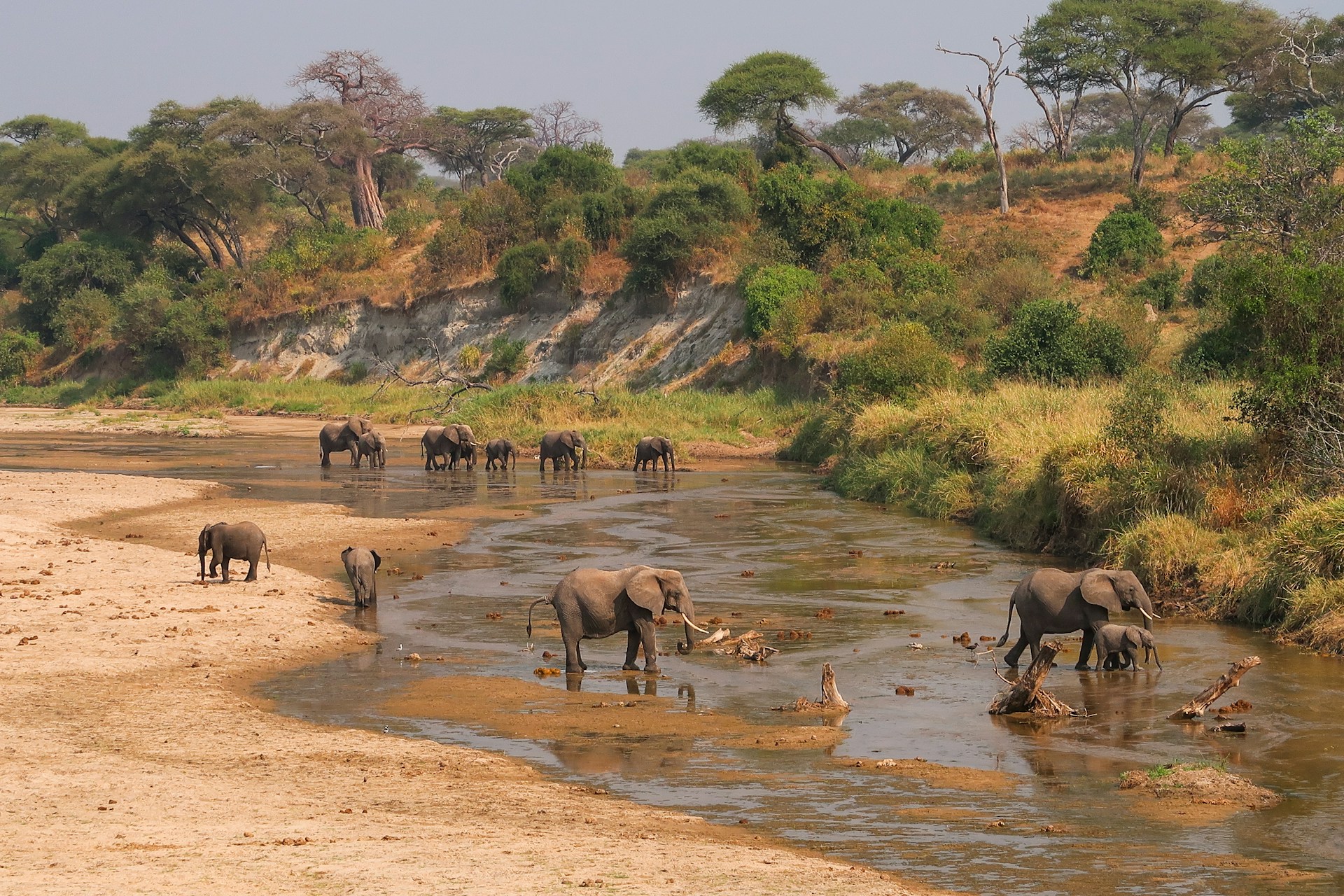
Two nights in Tarangire allow a whole day along its river and out to the Silale Swamp, where, from roughly June to November, elephant gather in some of the largest herds in northern Tanzania.

II

Lion Country Since 2005

Tarangire has been recognised as a Lion Conservation Unit since 2005, and the Serengeti's resident prides around Seronera hold their ground in every month of the year.

III

The Serengeti's Kopjes and Rivers

A full day in the heart of a park of close to 15,000 square kilometres, amongst granite outcrops, the leopard trees of the Seronera River and, in season, the herds of the Great Migration.

IV

Olduvai Gorge on the Way

A stop at one of the most important palaeoanthropology sites on Earth, where fossil discoveries reshaped scientific understanding of early human evolution.

V

A Dawn Descent Into the Crater

A full day on the floor of a caldera some 20 kilometres across and 600 metres deep, with around 25,000 large animals and black rhino possible, though never certain.

VI

Lake Manyara, Last of All

A farewell drive through a groundwater forest of fig and mahogany and along the shore beneath the Rift Valley wall, a national park since 1960.

Day by day

How the days break down

A starting shape: pace, order and length of each stage are all adjustable.

Day
01
Tarangire
Arusha to Tarangire National Park

Leave Arusha for Tarangire and Meet Its Elephant Herds Amongst the Baobabs

The journey begins with your guide waiting in Arusha, or at Kilimanjaro International Airport if you arrive that morning. Mount Meru stands behind you as the road runs south-west, and within two to three hours the farms and market towns give way to open savannah dotted with baobabs, some of them centuries old, their branches spread like roots against the sky.
Tarangire has been a national park since 1970 and covers about 2,850 square kilometres, with the Tarangire River as its lifeline. You arrive in time for luncheon, and the afternoon's first game drive follows the river, where elephant come down to drink in family herds, and giraffe, zebra and impala keep a careful distance from the lions that watch them.

Where you rest

A lodge or tented camp in or beside Tarangire National Park · Two nights here, positioned for a full day exploring the park.

Day
02
Tarangire
Full day exploring Tarangire National Park

Follow Tarangire's River All Day, From the Baobab Woodland to the Silale Swamp

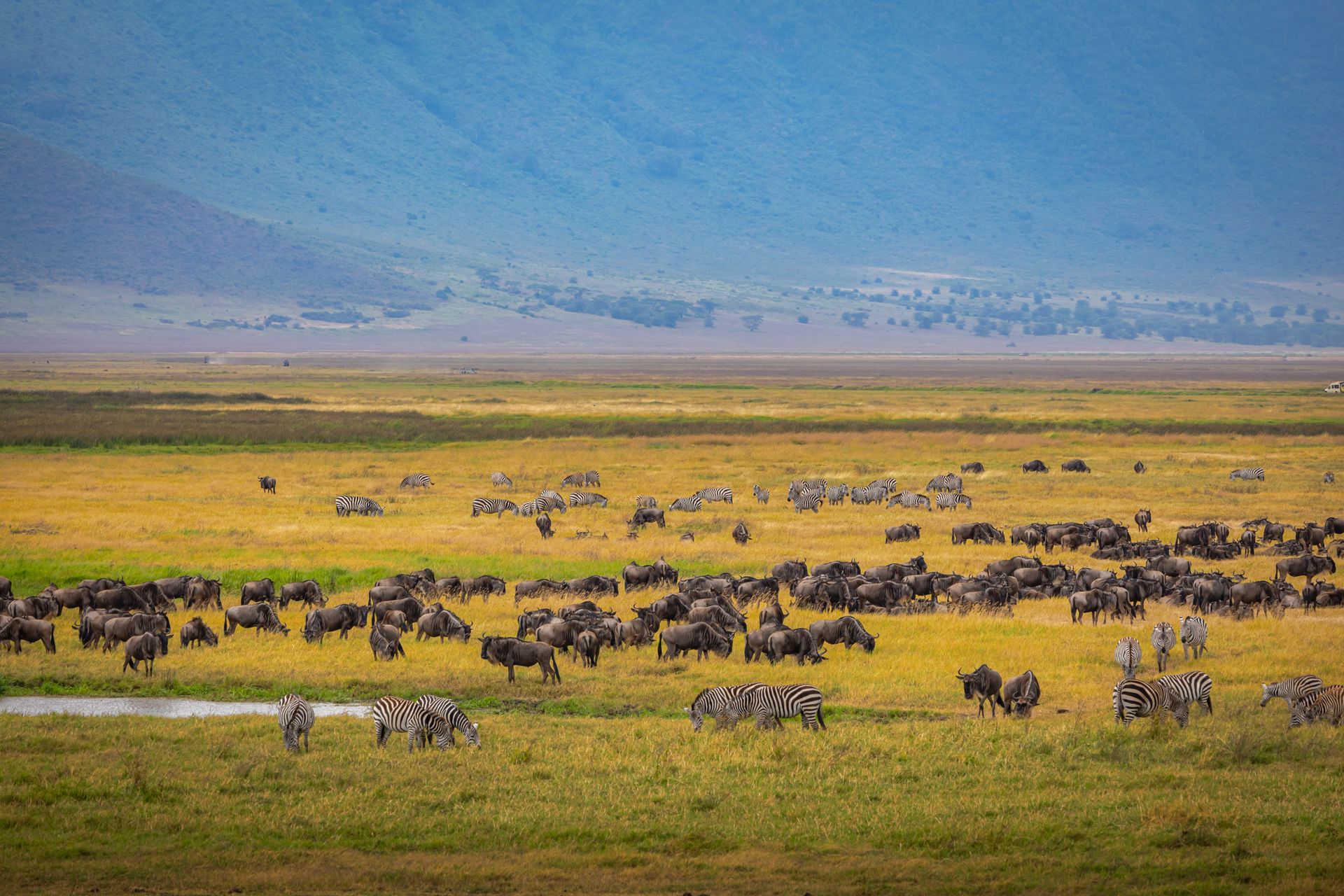
With a full day before you, there is no need to hurry. The morning drive follows the Tarangire River upstream through baobab and acacia woodland, where elephant are the dominant presence, especially from roughly June to November, when the river is the last reliable water for miles and the herds gather along it in remarkable numbers.
A picnic luncheon is taken in the shade, and the afternoon leads south to the Silale Swamp, a green expanse that draws buffalo, elephant and the predators that follow them. Tarangire has been recognised as a Lion Conservation Unit since 2005, and its quieter corners reward patience. For those who wish it, a walking safari with an armed park ranger can be arranged where your camp offers it.

Where you rest

Second night in Tarangire · Second night here

Day
03
Serengeti
Tarangire to the central Serengeti, over the Ngorongoro highlands

Journey Over the Ngorongoro Highlands to Reach the Heart of the Serengeti by Evening

This is the great crossing of the journey, roughly seven to eight hours from Tarangire to the central Serengeti, and it is far from empty. The road climbs the Rift Valley wall to the coffee country around Karatu, then through cloud forest along the crater's outer rim, where the views open suddenly onto the plains far below. A picnic luncheon is taken on the way.
Beyond Naabi Hill Gate the land opens into the short-grass plains that gave the Serengeti its name, said to come from the Maasai word for endless plains. The final stretch to Seronera is driven as a game drive, with gazelle, zebra and, in their season, the herds of the Great Migration on either side, and camp is reached in the soft light of late afternoon.

Where you rest

A lodge or tented camp in the central Serengeti, near Seronera · Two nights here, positioned for a full day exploring the park.

Day
04
Serengeti
Full day exploring the central Serengeti

Trace the Seronera River for Leopard and Find Lion Prides Resting on the Kopjes

A full Serengeti day begins in darkness, so that you are out on the plains as the first light reaches them and the night's hunters are still about. The Serengeti covers close to 15,000 square kilometres, a national park since 1951 and a UNESCO World Heritage Site since 1981, and its centre around Seronera holds lion prides that keep their territories in every month.
The granite kopjes, weathered islands of rock rising from the grass, are favoured resting places for lion and cheetah, whilst the trees along the Seronera River are some of the most rewarding leopard country in Africa, though a leopard can never be promised. A dawn hot air balloon safari can begin the day for those who wish it, and the afternoon is left for wherever your guide reads the plains to be most alive.

Where you rest

Second night in the central Serengeti · Second night here.

Day
05
Ngorongoro
Central Serengeti to the Ngorongoro Crater rim, by way of Olduvai Gorge

Pause at Olduvai Gorge on the Way From the Serengeti to the Ngorongoro Crater Rim

A last morning drive carries you out of the Serengeti and back across the plains to the highlands, roughly three to five hours with stops. With the crater waiting until tomorrow, there is time to pause at Olduvai Gorge, one of the most important palaeoanthropology sites on Earth, where fossil discoveries reshaped scientific understanding of early human evolution and a small museum tells the story.
By mid-afternoon you reach the rim of the Ngorongoro Crater, inside a conservation area created in 1959 and inscribed on the UNESCO World Heritage List in 1979. The evening is yours, to rest or simply to watch the caldera fill with shadow from above, some 600 metres below the lodge.

Where you rest

A lodge on the Ngorongoro Crater rim · Two nights here, positioned for a full day on the crater floor

Day
06
Ngorongoro
Full day on the Ngorongoro Crater floor

Go Down Into the Ngorongoro Crater at Dawn in Search of the Black Rhino

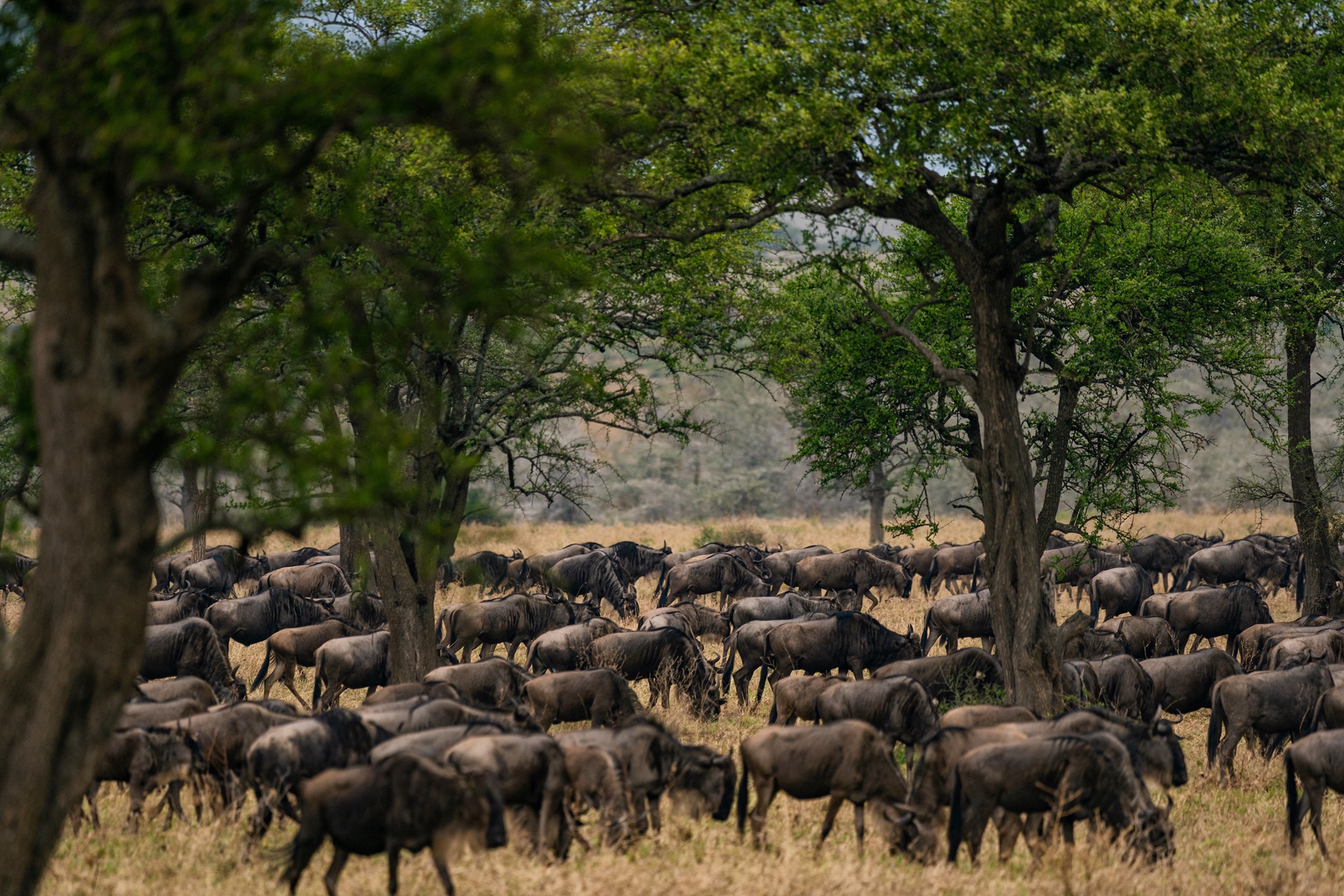
You set off early to be amongst the first vehicles down the crater wall, whilst mist still lies on the floor and the animals are at their most active. The caldera is some 20 kilometres across and holds an estimated 25,000 large animals, from lion and spotted hyena to buffalo, elephant bulls, zebra and wildebeest, though giraffe are absent from the floor.
The crater's black rhino number around 30, the largest single group left in Tanzania, and your guide will search the grasslands for them, though a sighting is never certain. Luncheon is taken beside a hippo pool, and after around six hours on the floor you climb back to the rim in the afternoon, to a quiet evening and a final night above the caldera.

Where you rest

Second night on the Ngorongoro Crater rim · Second night here.

Day
07
Arusha
Ngorongoro to Lake Manyara National Park, then on to Arusha

Explore Lake Manyara's Fig Forest and Lakeshore Before the Drive Back to Arusha

Your last morning brings you down from the highlands through Karatu to Mto wa Mbu and the gate of Lake Manyara National Park, roughly two hours from the rim. Manyara has been a national park since 1960, set between the lake and the sheer wall of the Rift Valley, and the drive begins in a groundwater forest of tall fig and mahogany trees, where troops of baboon and quiet elephant share the shade.
Beyond the forest the land opens towards the shore, with its hippo pools and, in some seasons, great flocks of flamingo, and Manyara's lions are known for occasionally resting in the acacias, a sight seldom granted. After a picnic luncheon you return to Arusha, roughly two to two and a half hours, arriving in the late afternoon with a week of Tanzania behind you.

What you'll likely see

Key species on this route

Based on past travellers' experiences, here's what this route is really about.

· · · · · · ·
Elephant
Elephant
98% chance
Zebra
Zebra
97% chance
Giraffe
Giraffe
96% chance
Lion
Lion
96% chance
Buffalo
Buffalo
93% chance
Wildebeest
Wildebeest
92% chance
Hippo
Hippo
92% chance
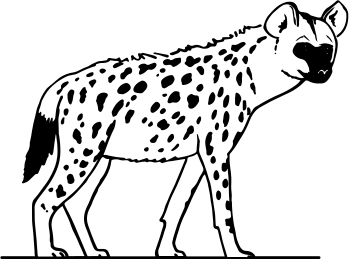
Spotted Hyena
Spotted Hyena
90% chance
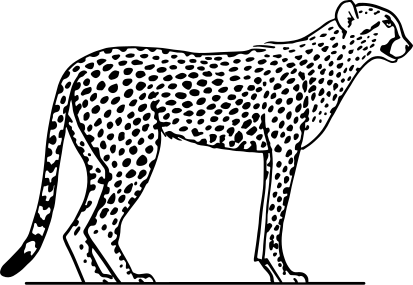
Cheetah
Cheetah
68% chance
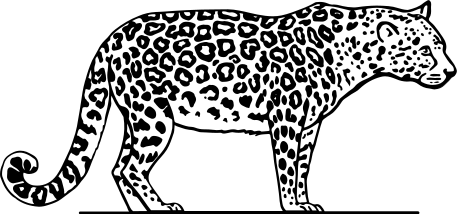
Leopard
Leopard
62% chance
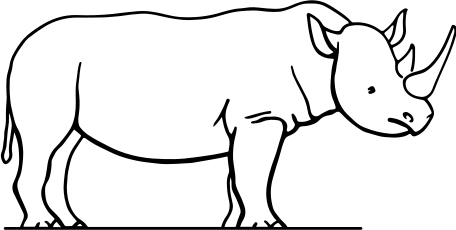
Black Rhino
Black Rhino
35% chance
The details

What's included

What's included

  • Collection from your Arusha hotel or Kilimanjaro International Airport on Day 1, and return to Arusha on Day 7
  • Private vehicle and driver guide throughout the safari
  • Park and conservation area fees for Tarangire, the Serengeti, the Ngorongoro Conservation Area and Lake Manyara
  • Ngorongoro Crater descent fee for the Day 6 crater day
  • Olduvai Gorge entry on Day 5
  • All meals during the safari (full board), including picnic luncheons on Days 2, 3 and 7
  • Game drives on every day of the safari
  • Bottled water throughout

What's not included

  • International flights to and from Tanzania
  • Tanzanian visa fees, Travel insurance, including any mandatory visitor insurance in force at the time of travel
  • Accommodation in Arusha before or after the safari
  • Alcoholic drinks and premium beverages
  • Optional extras such as the hot air balloon safari, a Tarangire walking safari, a Maasai community visit or a flight to the Serengeti
  • Transfer to Kilimanjaro International Airport on Day 7, unless arranged
  • Tips and gratuities for guides and lodge staff
  • Personal expenses (laundry, phone calls, curio purchases)

Notes about this trip

  • The Big Five are a real chance on this route, never a promise. Black rhino are possible only in the Ngorongoro Crater, and leopard is never certain anywhere
  • Day 3 is the longest day, roughly seven to eight hours from Tarangire to the central Serengeti, with game viewing on the final stretch. A light-aircraft flight can replace it
  • Crater visits are generally limited to about six hours on the floor. Descents begin at 6:00 am and all vehicles must leave by 6:00 pm
  • Tarangire is at its best for elephant from roughly June to November, when the herds gather at the river
  • Lake Manyara's tree-resting lions and its flamingos are occasional and seasonal, and are never promised
  • The position of the Great Migration varies by month and from year to year, and your specialist will advise where the herds are likely to be for your dates
Responsible travel

Giving Back to Tanzania's Northern Parks

We believe a sustainable Tanzania safari is measured by what it leaves behind as much as by what it shows you. Across this week your fees support four protected areas, and your guide will gladly explain how each of them is cared for.

I

Room for Tarangire's Elephants and Lions

Tarangire's elephants range far beyond the park in the wet season, and its lions have been the focus of a recognised conservation unit since 2005. The park fees paid during your two nights help to fund the rangers who protect them.

II

The Crater's Rhino, Watched Over Daily

The Ngorongoro Crater's black rhino, around 30 today after poaching once left fewer than 20, survive under constant protection, and the conservation area and descent fees paid on Day 6 help to sustain it.

III

Leaving the Serengeti as We Found It

Park rules keep vehicles to designated tracks across most of the Serengeti, to protect the grass and the animals that depend on it, and your guide observes them faithfully, however tempting a distant sighting may be.

IV

Plain About What We Cannot Promise

We would rather tell you the truth than a pleasing story. Rhino, leopard and Manyara's tree-resting lions are never certain, and the Migration keeps its own calendar, so every promise on this page is one we intend to keep.

Make it mine

Share who is travelling, from grandparents to the youngest explorer, and your specialist will pace every day of your Tanzania Safari

A week on the Northern Circuit suits almost everyone, and we take particular pleasure in shaping it for families. Children are often happiest with shorter drives and a pool at camp, so we can replace the long Day 3 road with a flight and choose lodges that welcome younger guests. For others, a third Serengeti night to follow the Migration, an evening walk in Tarangire, or a few days on Zanzibar at the close make this private Tanzania safari entirely your own.

Begin your Tanzania journey
If this isn't quite right

Similar safaris

Common questions

Before you enquire

It is a private 7 day Tanzania safari that starts and ends in Arusha, with two nights in Tarangire, two in the central Serengeti and two on the Ngorongoro Crater rim, a full day in each, plus Olduvai Gorge and Lake Manyara along the way. Park fees, a private vehicle and guide, and all meals on safari are included.

Two nights give Tarangire a full day of its own, enough to follow the river and reach the Silale Swamp rather than seeing only the area near the gate. From roughly June to November its elephant herds are among the largest in northern Tanzania, and many guests count it as the surprise of the trip.

Day 3 is the longest, roughly seven to eight hours from Tarangire to the central Serengeti, finishing with a game drive. The Serengeti to the crater rim is roughly three to five hours with the Olduvai stop, and Day 7 is about two hours to Lake Manyara and two to two and a half more to Arusha. A flight can replace the Day 3 drive.

You have a real chance at all five, but no sighting can be guaranteed. Elephant, lion and buffalo are seen almost daily, leopard is the one most often missed, and black rhino are possible only on the Ngorongoro Crater floor, where around 30 live.

June to October is the finest window, with dry weather, animals gathered around water and Tarangire at its peak for elephant. January and February are a close second, when the wildebeest drop their calves on the southern plains. In the long rains, roughly April and May, the parks turn green and quiet, and some camps close for a few weeks.

It depends on when you travel, because the herds circle the ecosystem through the year: the southern plains for calving from roughly January to March, the central and western Serengeti from roughly April to June, and the northern Serengeti from roughly July to October. Your specialist can move the Serengeti nights to follow them.

ou descend at dawn into a caldera some 20 kilometres across, home to around 25,000 large animals including lion, buffalo, elephant and black rhino. Luncheon is taken on the floor, and visits are generally limited to about six hours, so you return to the rim in the afternoon.

Ready when you are

Ask about 7 Days Best of Tanzania Safari

Tell us your dates and we'll confirm whether the timing works, then adjust the route from there.

Start planning this trip