3 nights among the Serengeti's resident lions and leopards, then three more on Zanzibar's warm, tide-independent north coast, savannah and shoreline in a single week.
There are trips that ask you to choose between a safari and a beach holiday, and then there are trips built specifically so you never have to. This one spends its first half among the Serengeti’s granite kopjes and resident big cats, the landscape that gave the word “safari” its meaning, then trades all of it in a single afternoon flight for Zanzibar’s warm, turquoise water and a pace that asks nothing more of you than deciding which beach chair to sit in.
The two halves are deliberately different rather than blended into some compromise in between. Seronera, central Serengeti’s most reliable sector, holds lion and leopard in numbers that rival anywhere on the continent, in any month. Zanzibar’s north coast, unlike the island’s eastern shore, keeps its water swimmable regardless of the tide, so the beach half of this trip never has to work around a schedule the way the safari half sometimes does. Stone Town’s spice markets and centuries of Swahili, Omani and colonial history sit close enough for an easy day trip, adding a genuinely different kind of morning to a week already covering considerable ground.
The parts of this particular route past travellers mention most
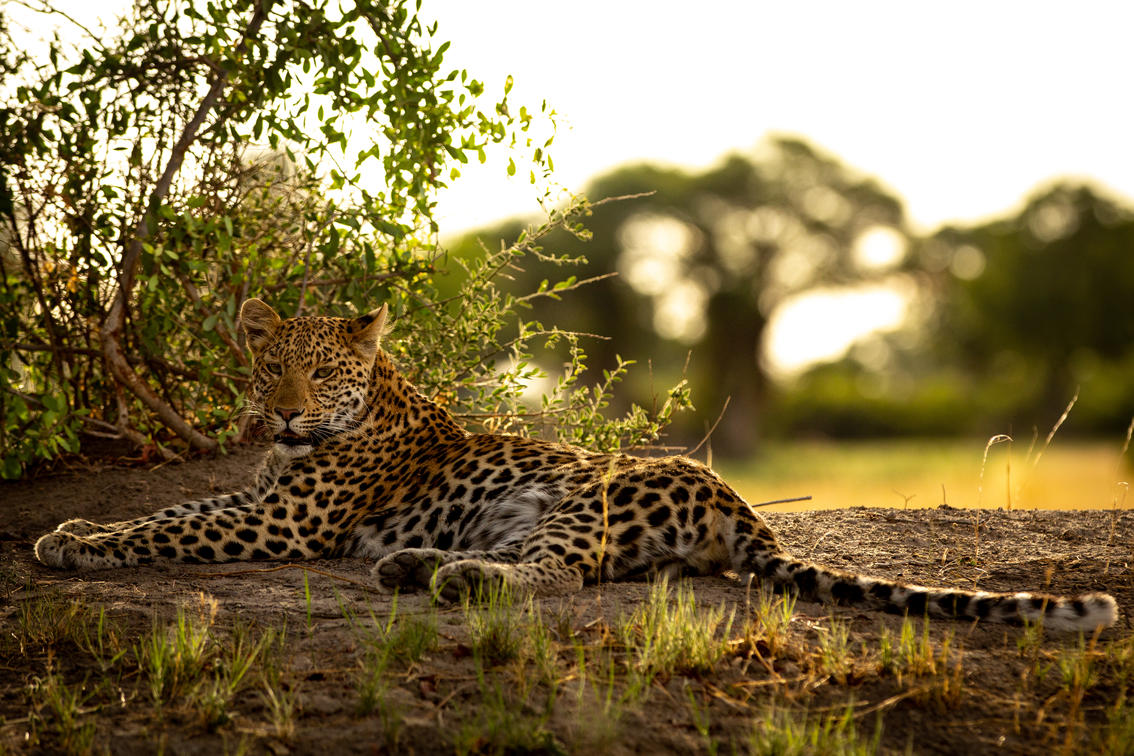
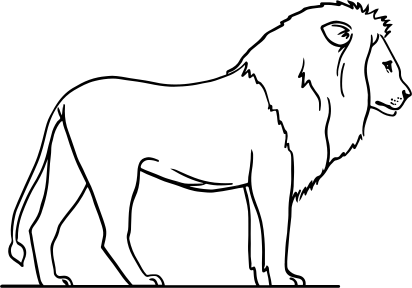
Seronera's prides have been studied continuously since the 1960s, and sightings here hold up in any month, migration or no migration.
Ancient rock islands rising out of grass that runs to every horizon, the scenery every other safari destination is quietly measured against.
A short flight trades the Serengeti's plains for Zanzibar's turquoise water, one of the most dramatic changes of scenery a single trip can offer.
Zanzibar's north coast keeps its deep water year round, unlike the island's east coast, where the sea recedes dramatically twice a day.
A UNESCO World Heritage old town built on centuries of Swahili, Omani and colonial trade, an easy day trip from the beach.
A short boat ride to an island sanctuary home to Aldabra giant tortoises, among the oldest living animals a traveller can meet in person.
A starting shape: pace, order and length of each stage are all adjustable.
A light aircraft lifts off from Arusha or Kilimanjaro International Airport and, within the hour, sets down on one of the Serengeti's own dirt airstrips, the Ngorongoro highlands falling away below before the plains open out in every direction. It is a striking way to begin a trip that will, in a few days' time, end on the opposite side of the country entirely.
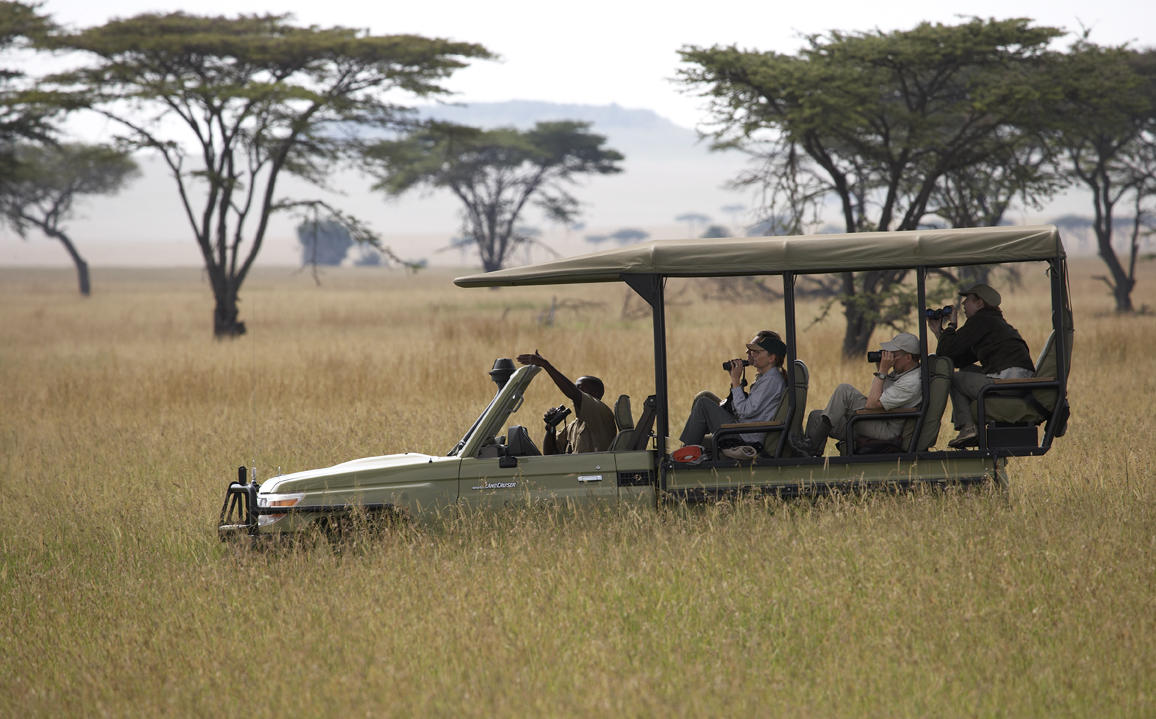
A vehicle meets the airstrip for the transfer to camp, and after a light lunch, the afternoon is given to a first game drive through Seronera, central Serengeti's most reliable sector for resident lion and leopard year round. A first sighting often comes within the first hour. Dinner and the night are spent under a sky with very little competing light to dim it.
A tented camp beside the Seronera River · Three nights here, in the park's most reliable game-viewing sector.
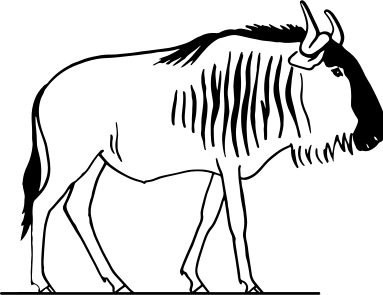
Two days settles you properly into Seronera's rhythm rather than rushing through it, morning drives while the light is soft and resident lion prides are typically most active, threading between the granite kopjes that give this landscape its most recognisable feature, ancient rock rising out of grass that runs unbroken to every horizon. Depending on the season, this stretch of park may also intersect with the wildebeest migration, worth asking your specialist what the herds are doing on your specific dates.
Afternoons follow the Seronera River's riverine forest, the specific habitat that makes this one of the most reliable places in Africa to find leopard resting in the trees along its banks. Both evenings close with dinner at camp, unhurried, with two full days behind you and nothing left to prove about this half of the trip before Zanzibar takes over tomorrow.
A tented camp beside the Seronera River · Second and third nights at the same camp.
The flight east is one of the more striking transitions a single trip can offer, open grassland giving way below to farmland, then forest, then the sudden, unmistakable turquoise of the Indian Ocean as the plane descends into Zanzibar. Some routings connect through Arusha or Dar es Salaam along the way, others run more directly, either way the whole journey rarely takes more than a few hours door to door.
A transfer meets the airport for the short drive to the north coast, where the afternoon is left open, a first swim, a walk along sand that stays firm and the water swimmable regardless of what the tide is doing, or simply the chair on the veranda that a week in a safari vehicle has earned. Dinner the first night sets the tone for three days with genuinely nothing on the schedule unless you choose to add it.
A beachfront hotel on Zanzibar's north coast · Three nights here, on a stretch of coast that keeps its water swimmable at any tide.
One of these two days is given to Stone Town, Zanzibar's UNESCO World Heritage old town, a walk through narrow lanes built on centuries of Swahili, Omani and colonial trade, past carved wooden doors and a spice market that still trades in the cloves and cinnamon that first made this island valuable to the wider world. A short boat crossing to Prison Island adds a genuinely different stop, a sanctuary of giant Aldabra tortoises, some estimated at close to two hundred years old, alongside clear water good for snorkelling just offshore.
The second day is left deliberately open, a beach with nothing scheduled, a swim whenever the mood strikes rather than around a tide table, or an optional sunset dhow cruise as the day closes. After a week that began with dawn game drives, this pair of days is built to ask nothing of you beyond choosing how much of it to fill.
A beachfront hotel on Zanzibar's north coast · Second and third nights at the same hotel.
A last, unhurried morning, breakfast on the veranda, a final swim if the flight timing allows it, nothing scheduled beyond enjoying the coast one more time before the transfer to the airport.
The drive to Zanzibar's international airport is short, and depending on your onward routing, the flight home may connect through Dar es Salaam, Nairobi, or another regional hub, your specialist will confirm the specific routing once flights are booked.
Based on past travellers' sightings during the Serengeti portion of this route.
Three nights in the Serengeti, three more on Zanzibar's north coast, two genuinely different stays for two genuinely different halves of the trip.
Fees paid on the Serengeti portion of this route fund Tanzania National Parks (TANAPA), and Zanzibar's own conservation areas, including its marine parks, are funded similarly through entry and activity fees, alongside heritage preservation work protecting Stone Town's UNESCO-listed old town.
Entry fees paid on the Serengeti portion of this route support TANAPA ranger operations and anti-poaching patrols across the park.
Activities like snorkelling and boat trips around Zanzibar typically include marine conservation area fees that fund reef and coastal protection.
Stone Town's UNESCO World Heritage status supports ongoing preservation of its historic buildings and trading heritage.
This seven-day route is a starting point, not a fixed plan. Add a night to either half, swap which comes first, or add Ngorongoro Crater between the Serengeti and the flight to Zanzibar, your specialist will work from here.
With the route as a starting point, your specialist will adjust the pace, camps and add-ons until the itinerary feels like yours, not a template.
Start tailoring this safari
Three nights each in the Mara and the Serengeti, an overland border crossing between them, then…
An 11-day journey from mountain gorilla trekking in Rwanda to three full days in the Serengeti,…
A 9-day Tanzania journey through Tarangire's elephant herds, the Ngorongoro Crater, and two full days in…
This route splits three nights and three nights, enough time to properly settle into Seronera’s game viewing without rushing, and enough beach time afterward that it doesn’t feel like an afterthought. Either half can be extended if one interests you more than the other.
It depends which coast. This route is based on the north coast, around Nungwi and Kendwa, where deep water keeps the beach swimmable regardless of the tide. Zanzibar’s east coast, around Paje and Jambiani, sees the sea recede dramatically twice a day, better suited to kitesurfing than a swim-whenever-you-like stay.
It depends on the season, camp and hotel choice, and any add-on activities, so there isn’t one number that fits every trip. Tell us your dates and we’ll put together a tailored quote.
Zanzibar is part of Tanzania, so a single Tanzania visa covers both halves of this trip, no separate entry process required between the mainland safari and the island.
Not guaranteed, migration timing shifts year to year with the rains, but Seronera’s resident lion and leopard populations remain reliable regardless of where the herds happen to be on your specific dates.
Yes, every Serengeti itinerary on this route is built around a private vehicle and guide by default, no shared seats or fixed group schedule. The Zanzibar portion is a beach and cultural stay, arranged around your own pace rather than a vehicle-based schedule.
Tell us your dates and we'll confirm whether the timing works, then adjust the route from there.
Start planning this trip