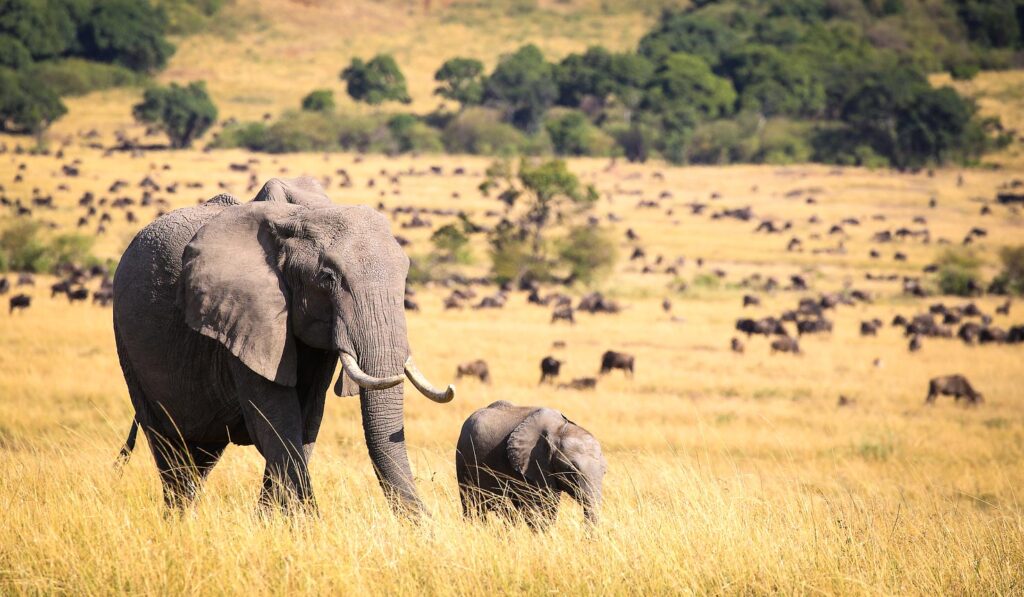
Two of Kenya's most different landscapes in one trip. Rhino tracking and flamingo shores at Lake Nakuru, then two unhurried days deep in the Masai Mara.
Kenya’s safari circuit offers diverse landscapes, allowing you to experience more than just one type of scenery over the course of a week. This itinerary combines two distinct regions: the alkaline shores of Lake Nakuru, known for its abundant birdlife and as one of the best places in the country to see both black and white rhinos, and the expansive grasslands of the Masai Mara, where spotting predators is a common occurrence rather than a rare chance.
Getting between them is part of the trip, not a gap in it. The drive south from Nakuru runs through farmland and highland scenery before dropping into the reserve, and the route north out of Nairobi on day one takes you straight past the Rift Valley escarpment, one of the more striking overland views in East Africa, long before the vehicle ever reaches its first game drive.
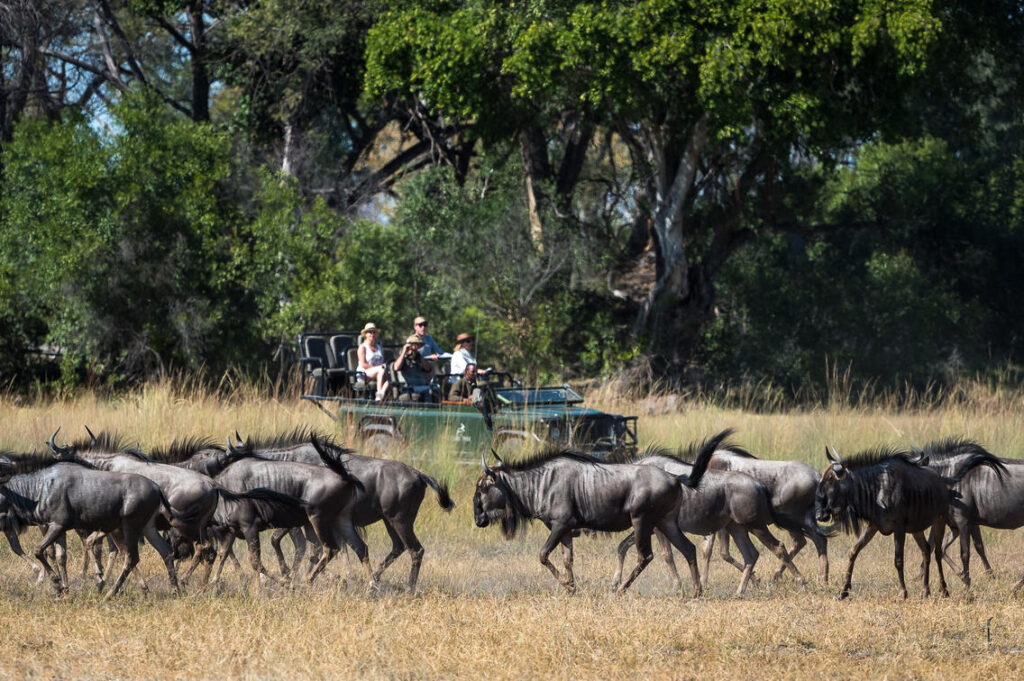
Once in the Mara, the pace slows down deliberately. Two full days on the ground mean multiple drives across different sectors of the reserve, morning and afternoon, with a private guide adjusting the route around fresh tracks and radio reports rather than a fixed loop. It’s a genuinely well-rounded introduction to Kenya’s safari circuit for first-time travellers, and specific enough in its rhino focus to appeal to wildlife enthusiasts who already know the Mara and want more than another plains-only trip.
The details that make pairing Lake Nakuru with the Mara worth the extra day.
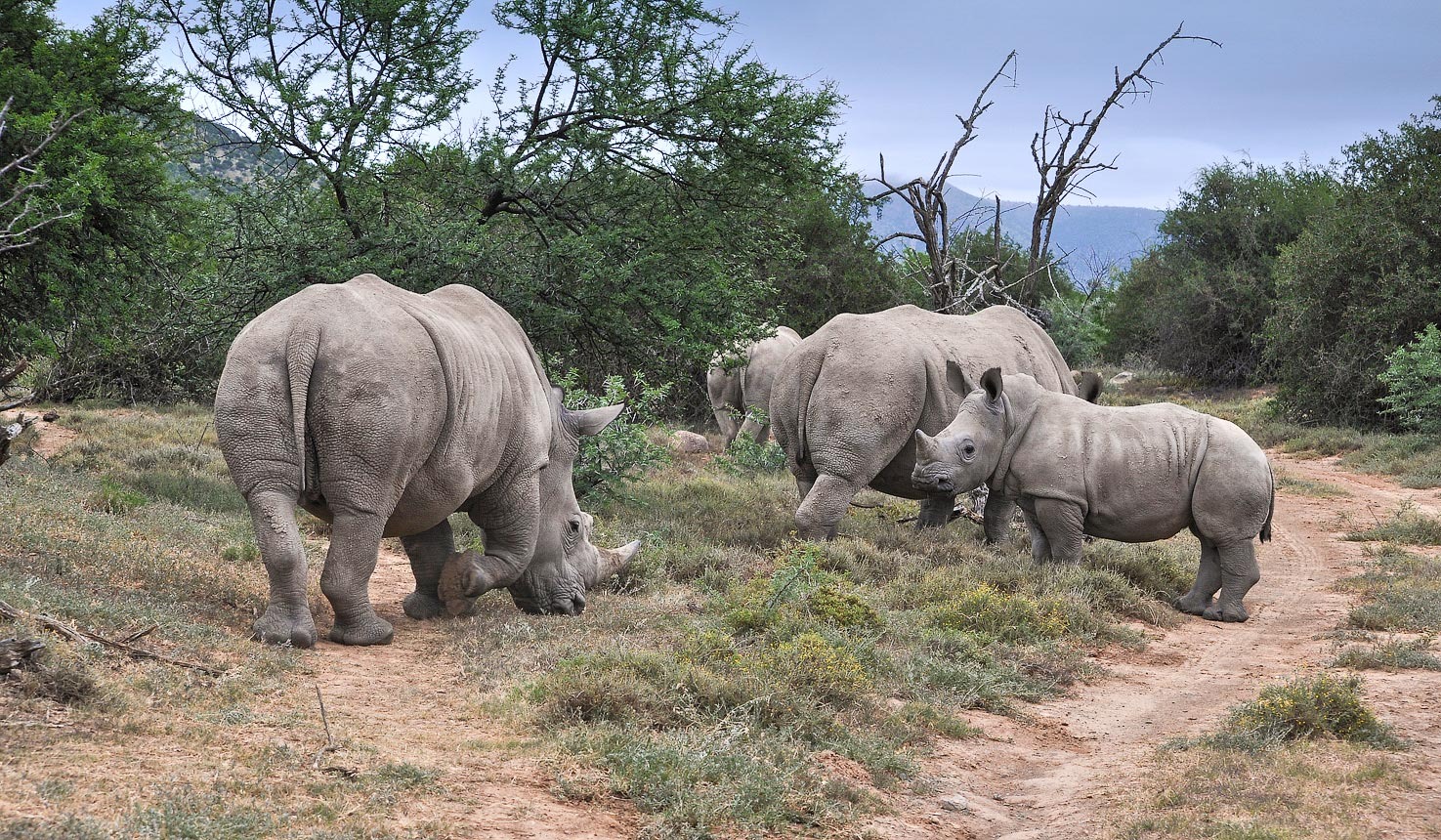
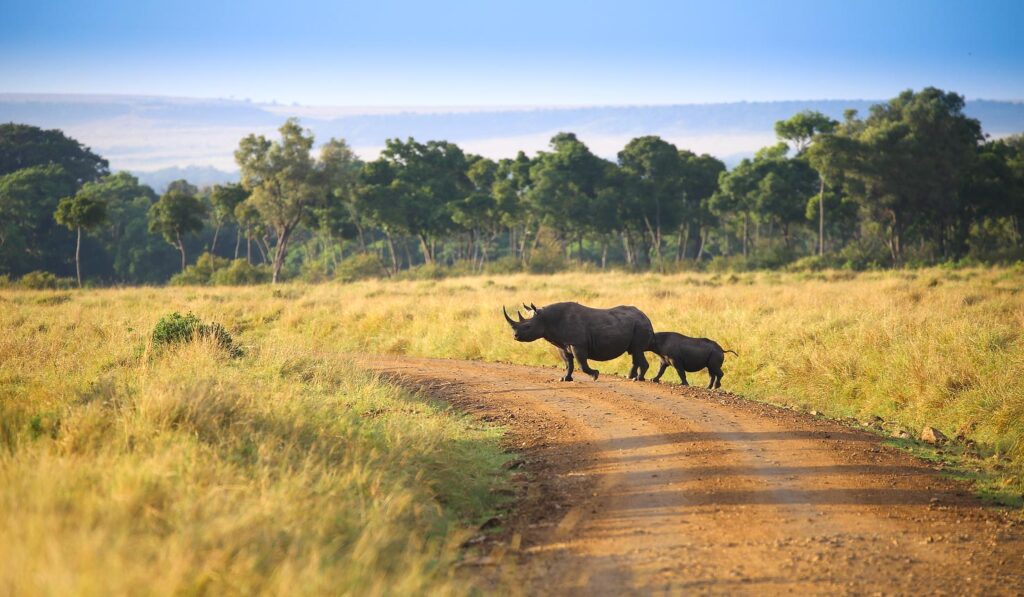
Lake Nakuru's rhino sanctuary is home to both black and white rhino, giving you a realistic chance at seeing a species that's far less reliable to spot in the Mara itself.
The lake's alkaline shore draws dense flamingo and pelican flocks when water levels favour them, best seen at first light before the day's heat sets in.
Panoramic views from the escarpment on the drive south, one of the more striking overland routes in East Africa, and a reminder that the journey between parks is part of the trip, not just transit time.
A dedicated two days of game drives across the Mara's varied terrain, enough time to actually cover different sectors of the reserve rather than a single pass through.
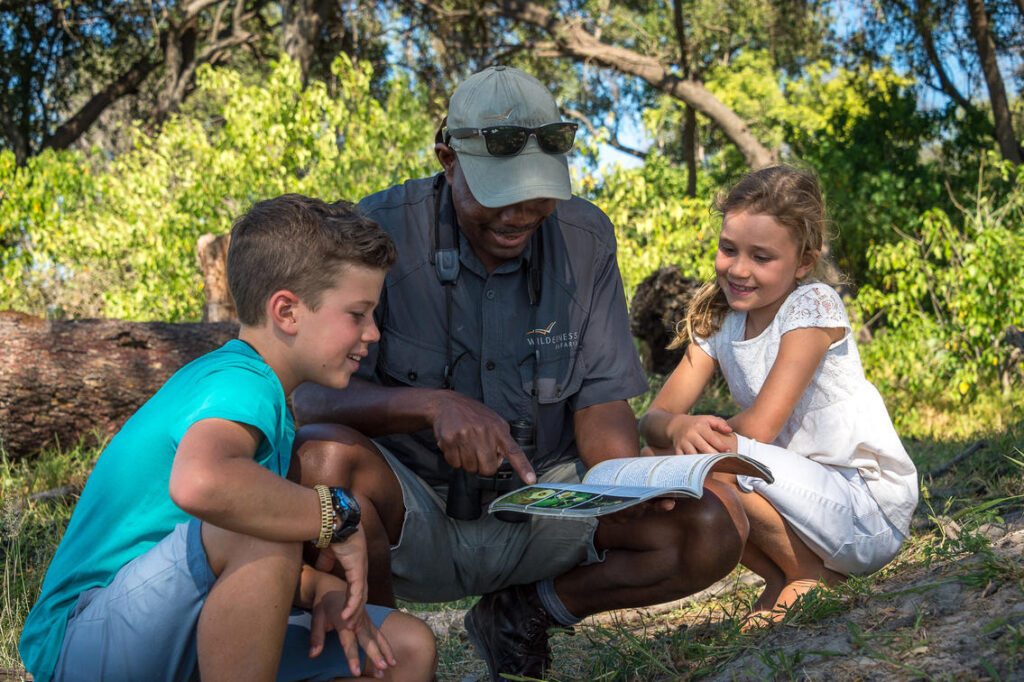
The same private guide throughout, adjusting each day around fresh sightings, whether that's rhino tracking at Nakuru or predator movements once you reach the Mara.
A starting shape: pace, order and length of each stage are all adjustable.
Depart Nairobi in the morning, driving north through the Rift Valley with a stop at the escarpment viewpoint before descending toward Lake Nakuru. Afternoon game drive within the national park, focused on rhino tracking and the lake's resident birdlife.
Lake Nakuru Sopa Lodge · Overlooking the national park
An early game drive at Nakuru, when the light is softest and animal activity highest, before departing south for the Masai Mara. The drive winds through farmland and highland scenery before dropping into the reserve by late afternoon, in time for an evening game drive.
Enkakenya Camp · Luxury tented camp inside the Mara, on the banks of Olare Orok River
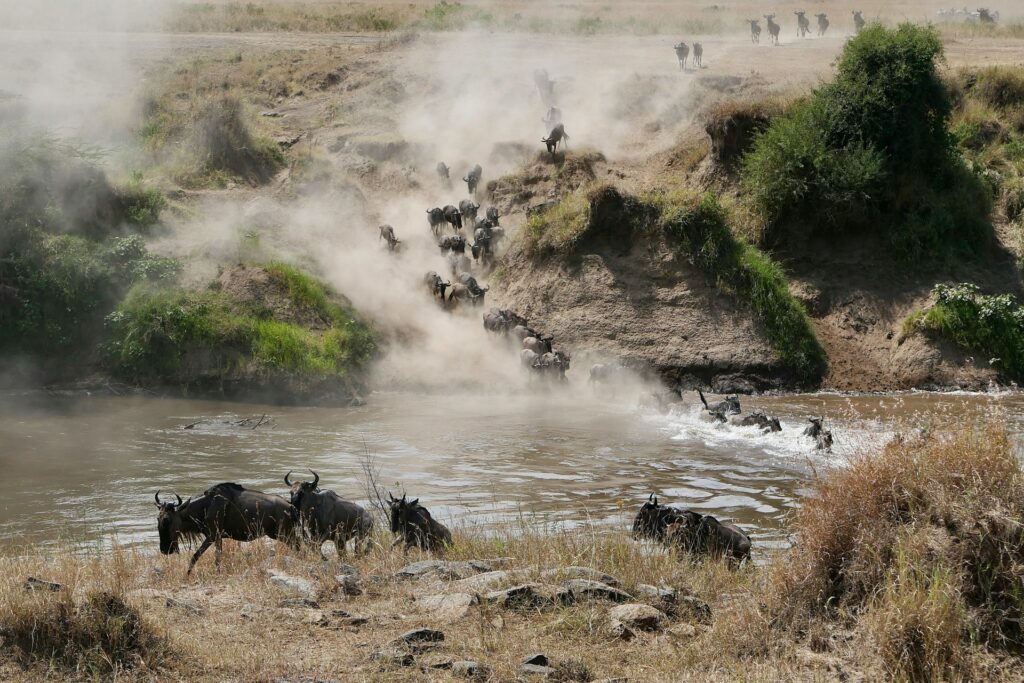
A full day exploring the reserve, with morning and afternoon game drives structured around resident pride movements and, depending on season, migration herds further afield. Your guide reads the day from fresh tracks and radio reports shared between camps.
Enkakenya Camp · Full-board meal plan on this luxury tented camp
A second full day in a different sector of the reserve, including time along the Mara River, where hippo and crocodile hold territory year round. Late afternoon drive timed for the low golden light the Mara is known for.
Enkakenya Camp ·
Final morning game drive before departing the reserve by road, arriving back in Nairobi by mid to late afternoon.
Based on past travellers' sightings, here's roughly what to expect on this specific route.
Park fees collected at both Lake Nakuru and the Masai Mara go directly toward habitat protection and anti-poaching operations, including the rhino monitoring programme that has helped both parks maintain stable populations of a species under severe pressure elsewhere on the continent. Camps used on this itinerary work closely with surrounding communities on employment, keeping tourism revenue circulating locally.
Fees collected at both Lake Nakuru and the Masai Mara go directly toward habitat protection and anti-poaching operations across both parks.
Both parks run rhino monitoring as part of their conservation efforts, credited with helping maintain stable black and white rhino populations at a time when the species is under severe pressure elsewhere on the continent.
Camps used on this itinerary work closely with surrounding communities on staffing, so tourism revenue has a better chance of staying local rather than leaving the region entirely
The lodges used on this route operate with low-impact practices in mind, minimising water and energy use across two landscapes where both are limited resources.
This page shows the shape of a Lake Nakuru and Masai Mara safari. The trip itself gets built around you: how many days at each park, which lodges, and whether it extends further into Kenya or Tanzania afterward.
With the route as a starting point, your specialist will adjust the pace, camps and add-ons until the itinerary feels like yours.
Start tailoring this safari
Fly straight into the Mara for two full days among some of Africa's densest wildlife, and…
Amboseli's elephants, Lake Nakuru's rhino sanctuary, and two full days in the Maasai Mara, Kenya's essential…
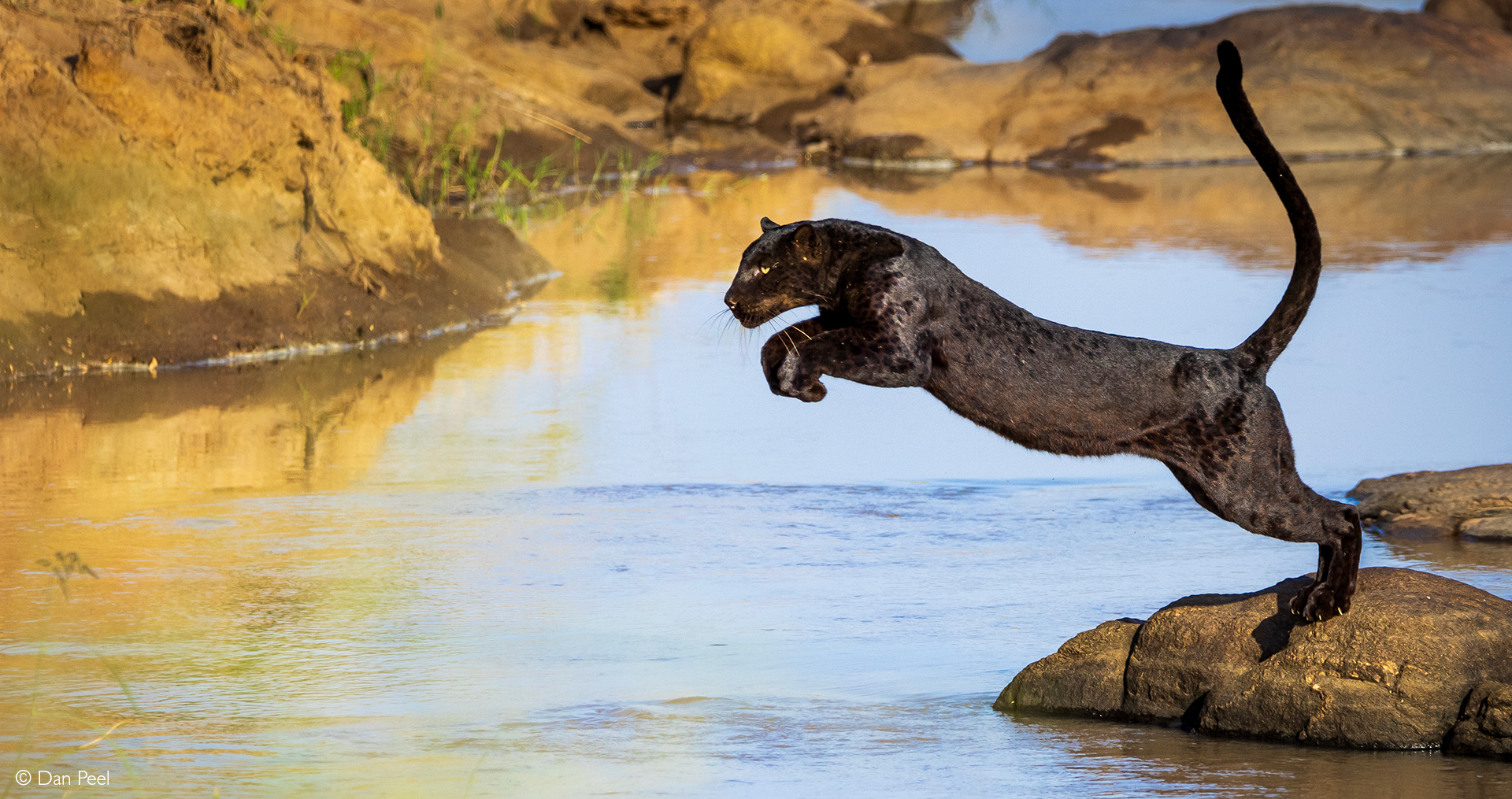
A 7-day Kenya safari tracking one of Africa's rarest sightings (the black leopard of Laikipia) before…
Approximately four to five hours, depending on road conditions, broken up by changing scenery from lake shore to highland farmland to open savannah.
Yes, particularly for rhino sightings, which are far less reliable in the Mara itself. Nakuru offers some of the best odds in Kenya for seeing both black and white rhino in a single drive.
That depends on timing. The migration typically moves through the Mara between July and October, though exact dates shift year to year based on rainfall further south in the Serengeti.
Yes, the pacing and road-based transfers make it an accessible introduction to Kenya’s safari circuit, with a good balance of driving and time on the ground at each stop.
Road transfer is standard on this route since direct flights between Nakuru and the Mara are not commonly available, but the drive itself is considered part of the experience, with strong scenery throughout.
It depends on the season, the camps, and how many people are travelling, so there isn’t a single number that fits every trip. Tell us your dates and group size, and we’ll put together a tailored quote rather than a generic estimate.
Tell us your dates and we'll confirm whether the timing works, then adjust the route from there.
Start planning this trip