Twelve days across the great wildlife landscapes of Kenya and Tanzania, from Samburu's river country and the golden plains of the Masai Mara to the Serengeti and a full day in the Ngorongoro Crater.
The 12 Days Signature Kenya Tanzania Safari is a private, tailor-made luxury safari in Kenya and Tanzania.
It spends three nights each in Samburu, the Masai Mara and the central Serengeti, and two on the rim of the Ngorongoro Crater, travelling largely by light aircraft. It is at its finest from July to October and from mid-December to March, when the seasonal air connection between the Mara and the Serengeti operates.
Some safaris show you a park; others show you a continent’s character. This is the latter. It begins in the far north of Kenya, where the Ewaso Nyiro River runs green through arid country and draws animals found almost nowhere else, then carries you south by air to the Masai Mara, where the grass runs gold to the horizon, and Enkakenya Camp stands unfenced beside the Olare Orok River.
From the Mara you cross into Tanzania, into the same ecosystem under another name, for three nights in the heart of the Serengeti, and then climb to the Ngorongoro Crater for a full day on the floor of a lost world. Every stay is of two or three nights, so that nothing is hurried. The wild keeps its own appointments, and we will never pretend otherwise. What we can promise is that every day of the journey is arranged with care.
The moments past guests on this journey mention most
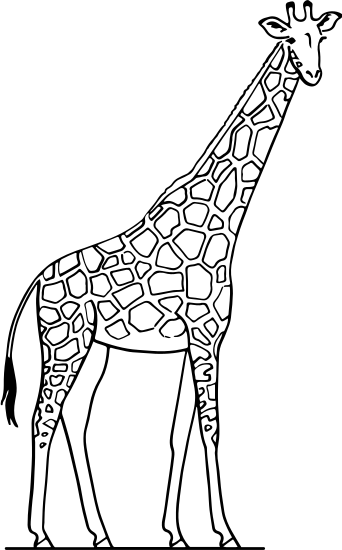
The Ewaso Nyiro draws reticulated giraffe, Grevy's zebra, Beisa oryx, gerenuk and Somali ostrich to its banks, a cast found together almost nowhere else, and some of Kenya's best-studied elephants.
Three nights at an unfenced tented camp inside the Masai Mara, a reserve of about 1,510 square kilometres, with the Great Migration's river crossings possible from roughly July to October.
A crossing from the Mara into the Serengeti, almost entirely by air, following the same migration landscape from Kenya into Tanzania.
A park of close to 15,000 square kilometres, a UNESCO World Heritage Site since 1981, with resident lion prides near Seronera and leopard country along the river.
A dawn descent into a caldera some 20 kilometres across and 600 metres deep, home to around 25,000 large animals and Tanzania's largest single group of black rhino.
Scheduled flights carry you from Nairobi to Samburu, from Samburu to the Mara and, with a short road crossing at the border, on into the Serengeti, so the days belong to the wild.
A starting shape: pace, order and length of each stage are all adjustable.
Your guide meets you as you land at Jomo Kenyatta International Airport, and a private transfer carries you across the city to Wilson Airport for a scheduled light-aircraft flight north, about an hour. Beneath the wings the green highlands give way to the dry, rust-coloured country of the north, until a ribbon of doum palms and acacia traces the course of the Ewaso Nyiro River through the scrub.
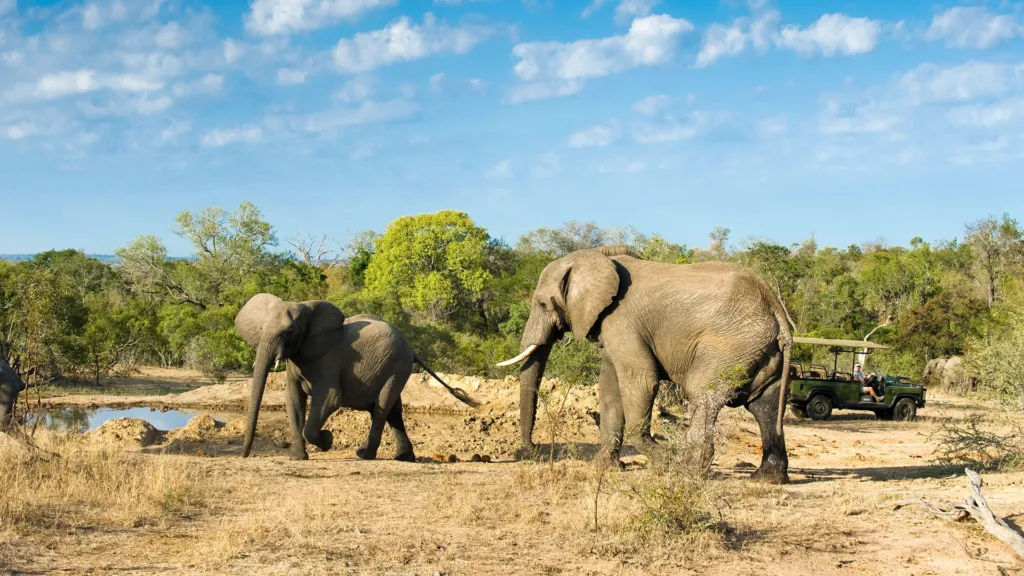
Your Samburu guide is waiting on the airstrip, and after luncheon and a rest through the heat of the day, the first game drive follows the river. Elephant come down to drink in family groups in the late afternoon light, and the first of the north's unusual residents, perhaps a reticulated giraffe or a gerenuk standing on its hind legs to browse, step out of the bush to greet you.
A lodge or tented camp on the Ewaso Nyiro River, inside Samburu National Reserve · Three nights here, positioned for two full days exploring the reserve.
Two full days allow Samburu to be explored at its own pace. Mornings begin early, when leopard are still on the move in the riverine forest and lion return from the night's hunt, and the drives range out from the river into the open thorn country, in search of the five species that make Samburu unique on a safari itinerary: the reticulated giraffe, Grevy's zebra, Beisa oryx, gerenuk and Somali ostrich.
This is also the home ground of Save the Elephants, founded here in 1993, whose researchers have come to know many of the river's elephant families as individuals. Between drives there is time for a breakfast laid beside the river, a quiet afternoon at camp, or a visit to a Samburu community, whose people have kept their herds in this country for generations.
Second and third nights on the Ewaso Nyiro River · Two full days here
A morning flight of about two hours carries you south and west across the length of Kenya, over the shoulder of the highlands and the floor of the Rift Valley, until the dry north has given way entirely to the rolling grassland of the Masai Mara. On days when the direct service does not run, the routing is by way of Wilson Airport, and your specialist will confirm which applies to your dates.
You arrive at Enkakenya Camp, an unfenced tented camp beside the Olare Orok River, where nothing stands between the tents and the plains. After luncheon, the first afternoon drive introduces the Mara's resident lion prides, elephant, buffalo and great herds of plains game, against the long, low light for which this country is famous.
Enkakenya Camp, an unfenced tented camp on the Olare Orok River, inside the Masai Mara reserve · Three nights here, positioned for two full days exploring the reserve
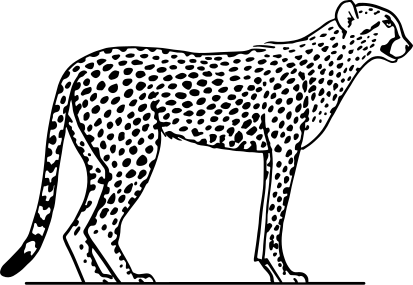
The Masai Mara National Reserve covers about 1,510 square kilometres and has been a national reserve since 1961, the Kenyan half of a single ecosystem that continues south into the Serengeti. Two full days allow it to be met at every hour: early mornings with the lion prides, long days following cheetah across the open plains, and luncheon taken in the shade of a lone acacia.
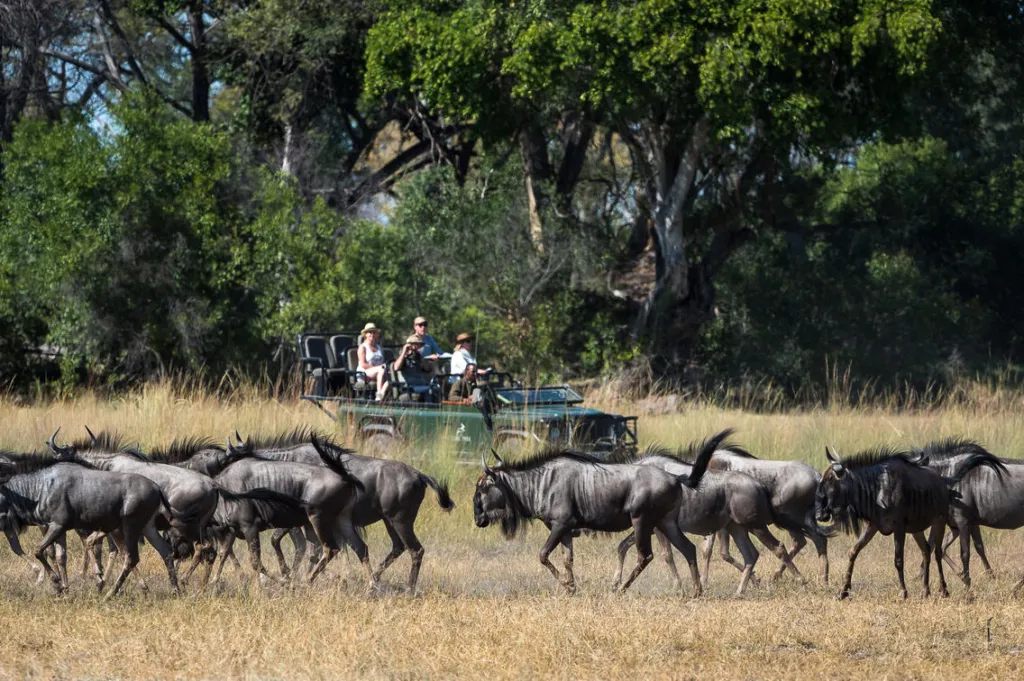
From roughly July to October the herds of the Great Migration gather along the Mara River, and on these days your guide may wait patiently at a crossing point for the moment the first wildebeest commits to the water, though a crossing can never be promised. A hot air balloon flight at sunrise can begin one of the two mornings, for those who would see the plains from above.
Second and third nights at Enkakenya Camp · Two full days here.
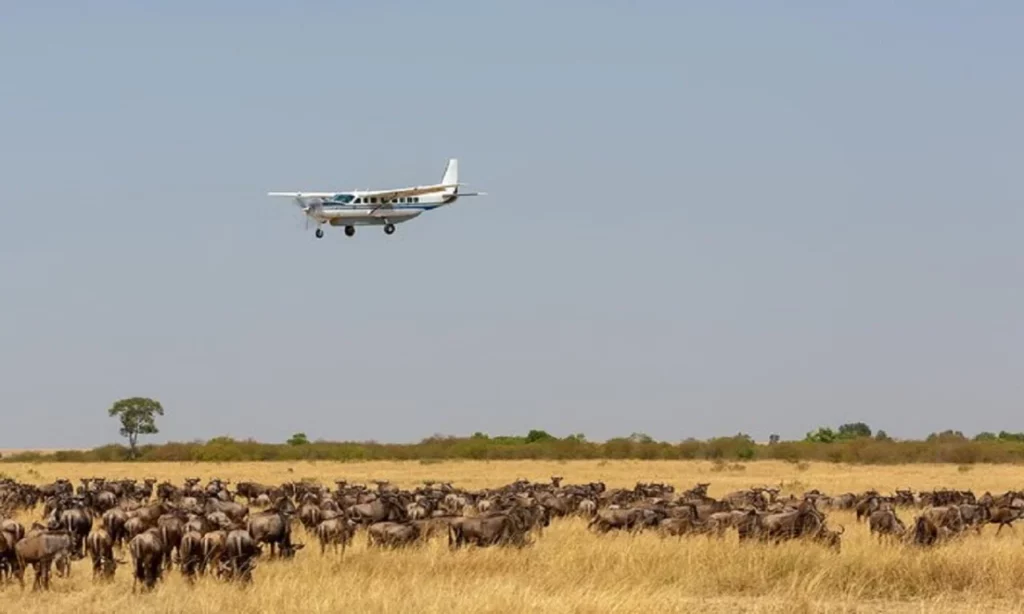
The Mara and the Serengeti are a single landscape divided by a border, and today you cross it, almost entirely by air. A short flight carries you from the Mara to Migori, a brief road transfer leads over the Isebania border, where immigration formalities are completed and Kenyan vehicles and guides hand over to their Tanzanian counterparts, and a second flight from Tarime carries you on into the Serengeti.
This connection runs only from mid-December to the end of March and from July to the end of October, and your specialist will arrange your dates accordingly. You arrive in the Serengeti in the afternoon, in time for a first drive through the heart of the park around Seronera, where the plains seem to have no end at all.
A lodge or tented camp in the central Serengeti, near Seronera · Three nights here, positioned for two full days exploring the park.
The Serengeti covers close to 15,000 square kilometres, a national park since 1951 and a UNESCO World Heritage Site since 1981, and its centre near Seronera holds resident lion prides in every month of the year. Two full days allow you to explore it thoroughly: the granite kopjes where lion and cheetah rest above the grass, and the open plains where gazelle and zebra graze in their thousands.
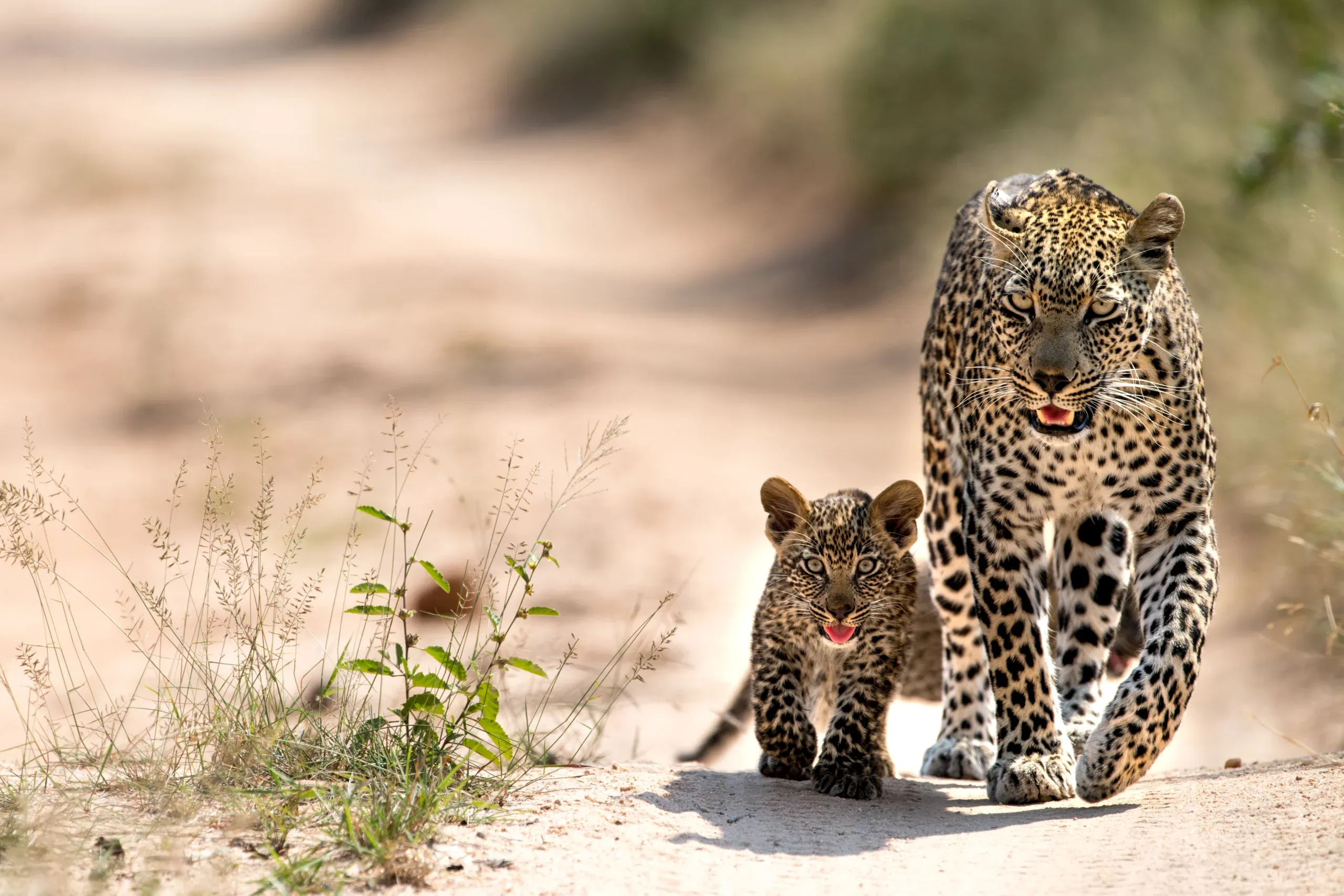
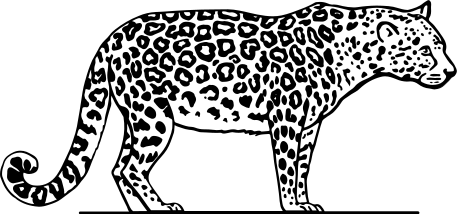
The wooded banks of the Seronera River are some of the most rewarding leopard country in Africa, though a leopard can never be promised, and the hippo pools are lively at any hour. In their season, the herds of the Great Migration pass through the central plains, and your guide will know where they are to be found.
Second and third nights in the central Serengeti · Two full days here.
A final morning drive carries you out of the Serengeti by way of Naabi Hill Gate and across the short-grass plains towards the highlands, roughly three to five hours depending on stops. If time allows, a detour to Olduvai Gorge, one of the most important palaeoanthropology sites on Earth, adds a remarkable chapter to the day.
The road then climbs into the cool green forest of the Ngorongoro highlands, inside a conservation area established in 1959 and a UNESCO World Heritage Site since 1979, to your lodge on the crater rim. The evening is yours to watch the caldera, some 600 metres below, slowly fill with shadow.
A lodge on the Ngorongoro Crater rim · Two nights here, positioned for a full day on the crater floor.
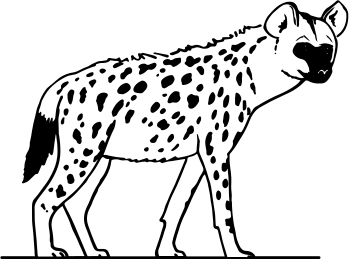
You are amongst the first down the crater wall as the gates open at dawn, with the mist still lifting from the floor of a caldera some 20 kilometres across. Around 25,000 large animals live here, from lion and spotted hyena to buffalo, zebra, wildebeest and the great elephant bulls, though giraffe, curiously, are absent from the floor.
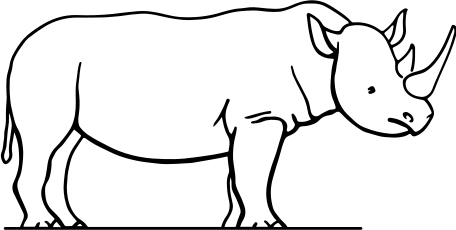
The crater's black rhino, around 30 strong and the largest single group in Tanzania, were reduced by poaching to fewer than 20 in the 1980s, and your guide will search the grasslands for them, though a sighting is never certain. Luncheon is taken beside a hippo pool, and after around six hours on the floor you climb back to the rim for a last evening above the caldera.
Second night on the Ngorongoro Crater · Second night here
After a final breakfast on the rim, the road descends from the highlands through Karatu to the Lake Manyara airstrip, roughly one and a half to two hours, for a short light-aircraft flight of about 45 minutes to Kilimanjaro International Airport. On a clear day, Africa's highest mountain may appear beneath the wing.
Your journey home begins from Kilimanjaro that evening. Twelve days after landing in Nairobi, you leave having travelled from the river country of northern Kenya across the Masai Mara and the Serengeti to the floor of the Ngorongoro Crater, one great landscape of East Africa after another.
Based on past travellers' experiences, here's what this route is really about.
Four stays across eleven nights, each of two or three nights so that nothing is hurried: a camp on Samburu's palm-lined river, Enkakenya Camp beside the Olare Orok in the Masai Mara, a camp in the heart of the Serengeti, and a lodge on the rim of the Ngorongoro Crater.
We believe a responsible Kenya and Tanzania safari should leave every landscape it touches a little better protected. This journey passes through four great protected areas in two countries, and your fees and choices along the way help to sustain each of them.
Save the Elephants has studied Samburu's elephants since 1993, following individual families and pioneering the GPS tracking now used across Africa. The reserve fees paid on your three nights help to protect the river they depend on.
The Masai Mara and the Serengeti protect one migration landscape from either side of the frontier, and the fees paid in both countries on this journey help to fund the rangers who keep the great herds moving.
Once reduced to fewer than 20 by poaching, the Ngorongoro Crater's black rhino now number around 30, Tanzania's largest single group, and the conservation area and descent fees paid on Day 11 help to keep them guarded.
We would rather tell you the truth than a pleasing story. The Migration moves with the rains, a river crossing is never certain, and leopard and rhino keep their own counsel, so every promise on this page is one we intend to keep.
Tell us what you most hope to see and how you like to travel, and your specialist will shape your Kenya and Tanzania safari
We think of this as our signature journey, and we take particular pleasure in shaping it for each guest. Between July and October we can place your Serengeti nights in the north, closer to the Mara River crossings, or add a fourth Mara night for those who would linger with the herds. For a honeymoon or an anniversary, a Masai Mara and Serengeti safari ends beautifully with a few days on Zanzibar, and for families we will choose camps that welcome younger explorers and keep the days gently paced.
Begin your signature safari
Twelve days in search of the Big Five across Solio, Lake Nakuru, the Masai Mara, the…
Twenty-three days, twelve landscapes, Kenya and Tanzania from the Aberdares to Amboseli.
Fourteen days by light aircraft across Amboseli, Samburu, the Masai Mara and the Serengeti, then a…
It is a private, twelve-day luxury Kenya and Tanzania safari with three nights each in Samburu, the Masai Mara and the central Serengeti, and two nights on the Ngorongoro Crater rim, with a full day on the crater floor. It travels largely by light aircraft, arriving in Nairobi and flying home from Arusha.
On Day 7, you fly from the Masai Mara to Migori, cross the Isebania border by road with immigration formalities, then fly from Tarime into the Serengeti. Vehicles and guides change at the border. There is no direct flight between the Mara and the Serengeti, so this is the quickest route.
The Mara-to-Serengeti connection runs from mid-December to the end of March and from July to the end of October, so those are the windows in which this itinerary runs as written. July to October also brings the Great Migration’s river crossings to the Mara. Your specialist can suggest an alternative routing for other months.
From roughly July to October, the herds are usually in the Masai Mara and the northern Serengeti, so your Mara days are well placed for the river crossings, though a crossing is never certain. From December to March, the herds are usually on the southern Serengeti plains, within reach of a central Serengeti stay.
You have a real chance at all five, but no sighting can be guaranteed. Lion, elephant and buffalo are seen in every park on the route, leopard is the most elusive, and black rhino are possible only on the Ngorongoro Crater floor, where around 30 live.
Samburu, in Kenya’s dry north, is home to five species found together almost nowhere else on a safari: the reticulated giraffe, Grevy’s zebra, Beisa oryx, gerenuk and Somali ostrich. It is also the base of Save the Elephants, whose researchers have studied its elephants since 1993.
Luggage is generally limited to 15 kg per person in soft-sided bags, hand luggage included, on every light-aircraft flight on this route. Many Nairobi hotels and operators can store additional luggage, and your specialist will advise.
Most visitors, including citizens of the United States, Germany, Finland and Japan, need Kenya’s Electronic Travel Authorisation before arrival and a Tanzanian visa. A yellow fever certificate is required for the Day 7 connection and on entry to Tanzania from Kenya. As the trip leaves Kenya on Day 7 and does not return, no Kenyan re-entry is needed.
This is a private safari with its own vehicle and guide, tailored to your dates and group. Rates are not published on this page because each journey is built around your dates, camps and group size. An enquiry returns a tailored quotation from your specialist.
Tell us your dates and we'll confirm whether the timing works, then adjust the route from there.
Start planning this trip