7 days built around one of the most dramatic wildlife events on Earth, wildebeest and zebra committing to the Mara River's crossing points
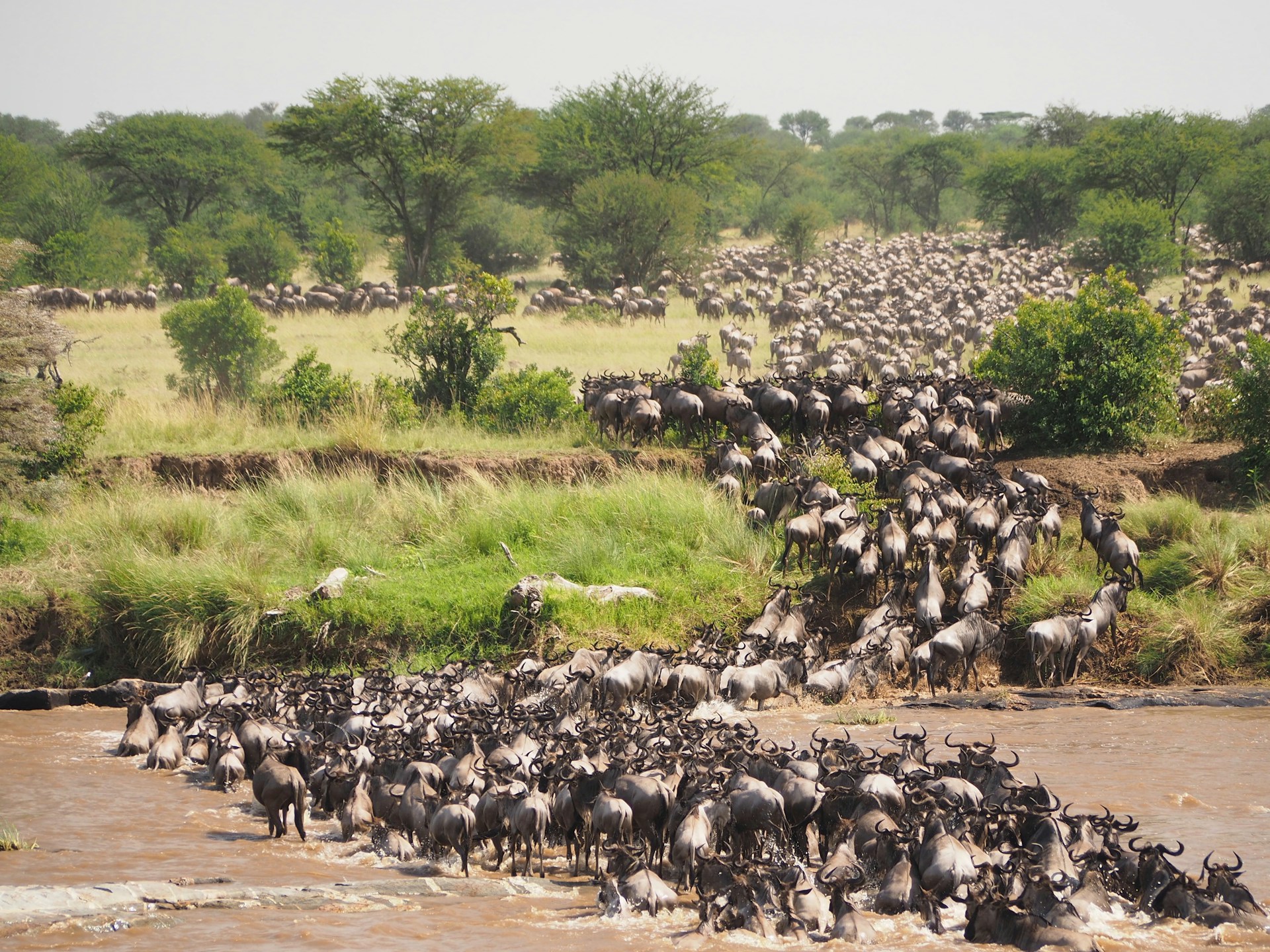
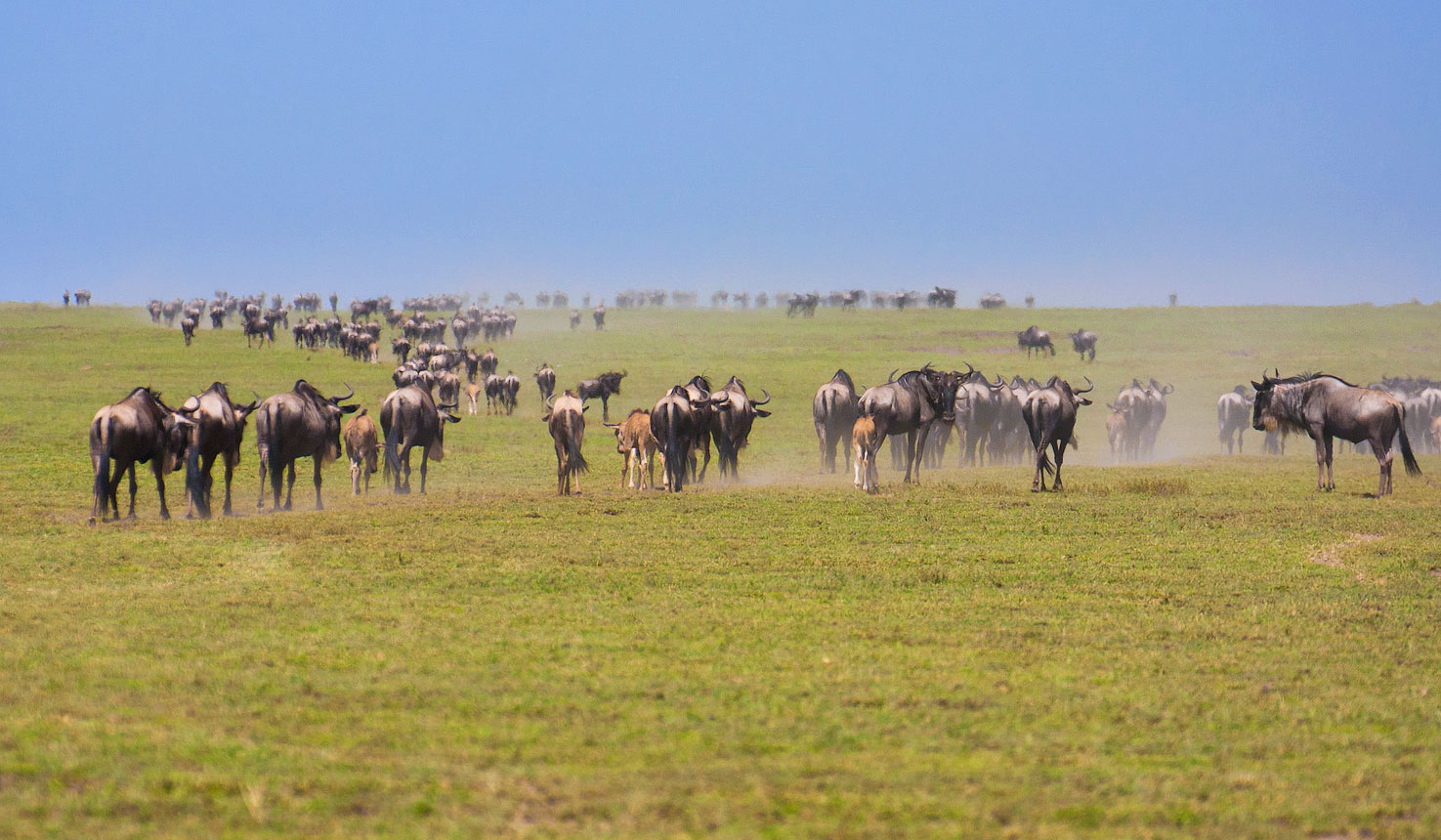
There is a particular kind of tension that builds at a Mara River crossing point before anything actually happens: thousands of wildebeest gathering at the bank, pacing, calling, working themselves toward a decision that might take minutes or might take the whole day. Then, without any warning that reads as a signal to a human observer, the first animal commits, and the rest follow in a chaotic, half-panicked surge into water where crocodiles have already been waiting, sometimes for hours, for exactly this moment. It is one of the most dramatic wildlife spectacles on the planet, and Northern Serengeti’s stretch of the Mara River is where it happens.
This route is built specifically to give that spectacle its best possible chance. Three nights based right along the river during crossing season leave time to wait out a crossing properly rather than rushing past on a single afternoon drive, followed by a transfer south through Central Serengeti’s own resident lion and leopard territory, and a closing stage inside the Ngorongoro Crater, a completely different kind of wildlife day to end a week that has already delivered one of Africa’s great spectacles. No crossing is ever guaranteed on a specific date; that unpredictability is part of what makes it genuine, but timing this trip to the season and giving it real days on the river gives it a fair chance.
The parts of this particular route past travellers mention most
Three nights based directly on the river during crossing season, giving real time to wait out one of the most dramatic wildlife events on the continent.
The Mara River's crossing points hold some of the largest, most experienced Nile crocodiles in the ecosystem, patient specialists in exactly this moment.
Kogatende and the Lamai Wedge see meaningfully fewer vehicles than Seronera further south, a wilder, quieter stage of the trip.
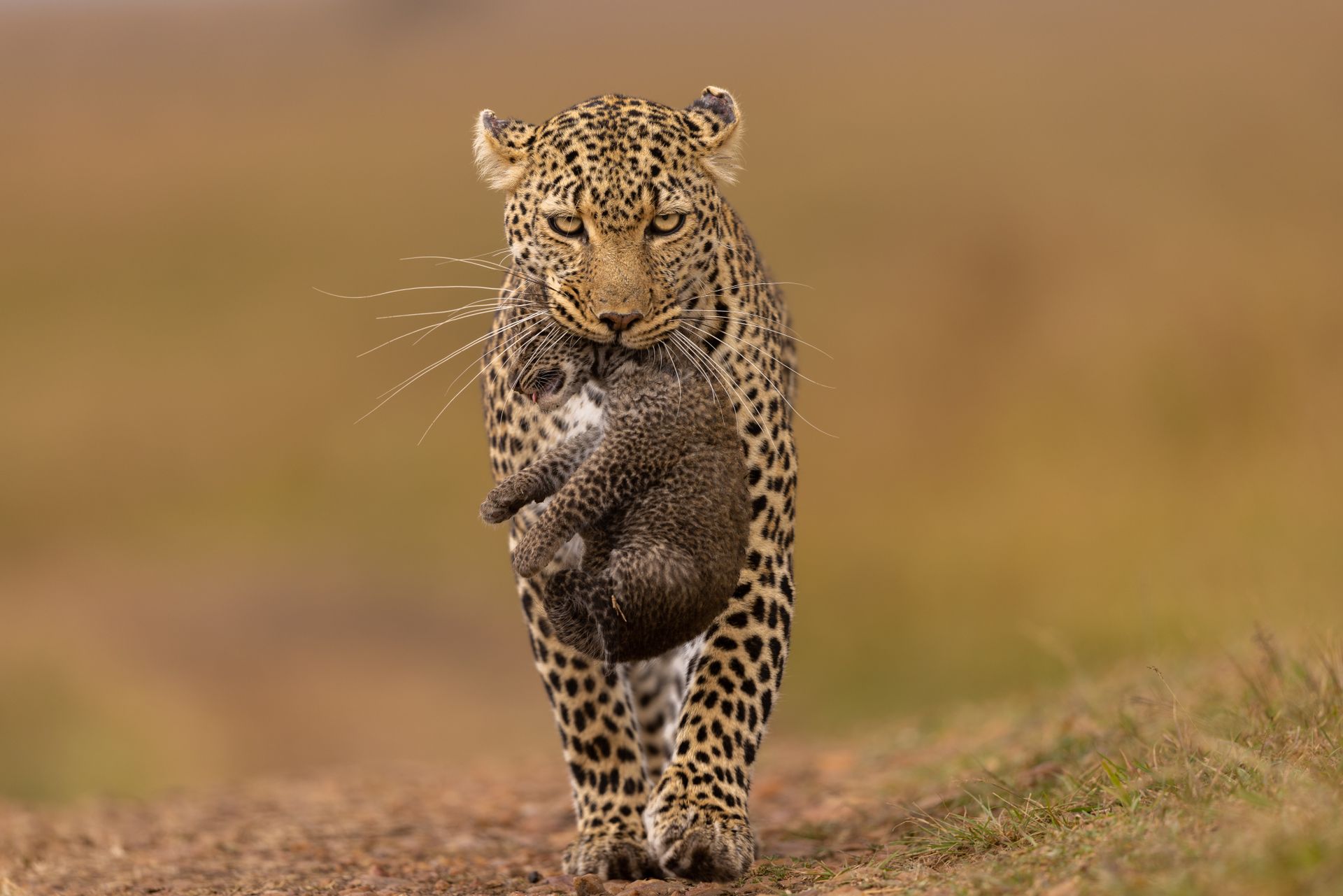
Seronera's prides have been studied continuously since the 1960s, and sightings here hold up regardless of what the river is doing.
A stop at one of the most important paleoanthropology sites on Earth, on the road between the Serengeti and Ngorongoro.
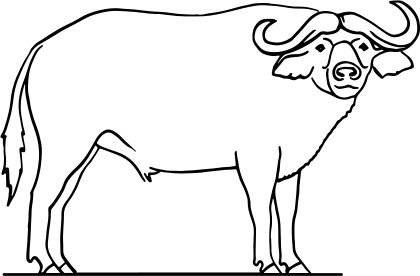
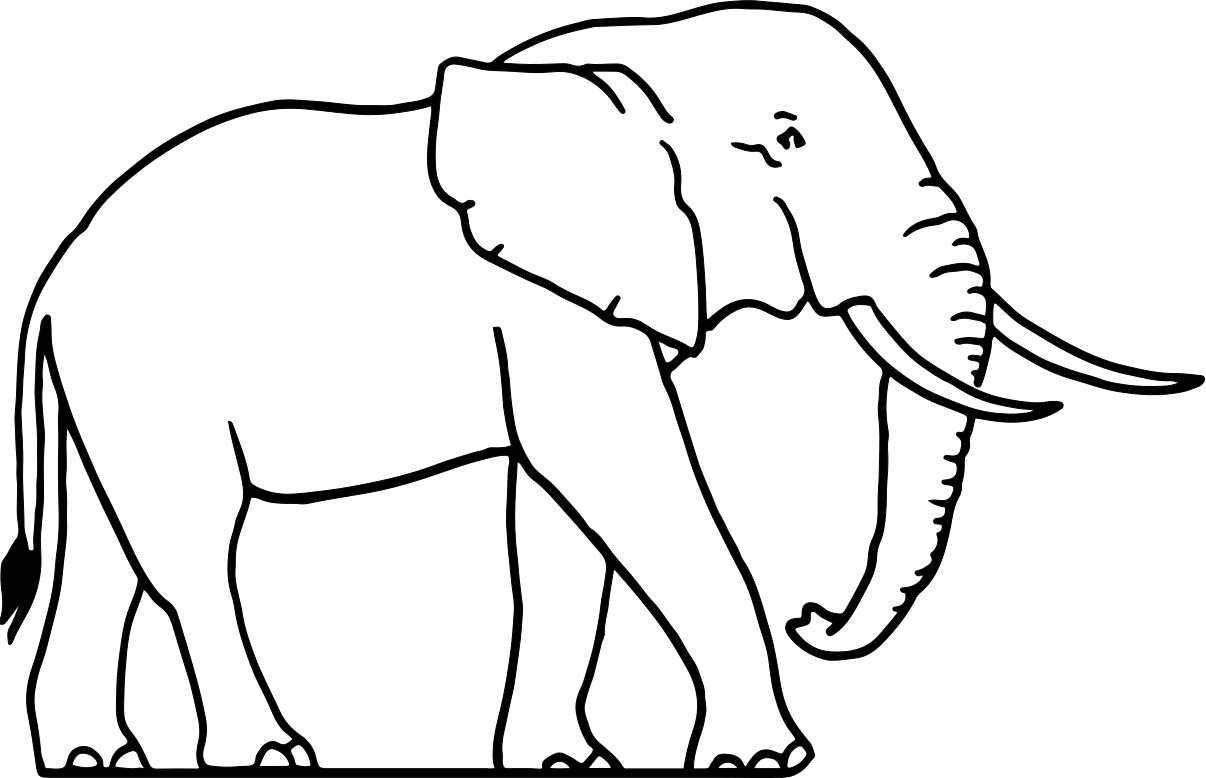
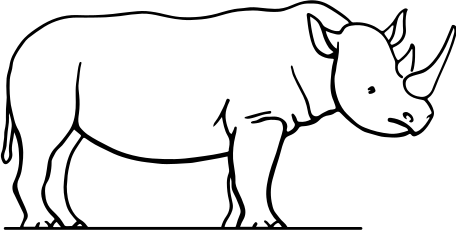
The Ngorongoro Crater's enclosed floor closes the trip with resident lion, elephant, buffalo and black rhino in a single, dramatic final day.
A starting shape: pace, order and length of each stage are all adjustable.
A light aircraft covers in a little over an hour what would otherwise be most of a day's drive, lifting off from Arusha and setting down on the dirt airstrip at Kogatende, deep in the Serengeti's northern reaches. The landscape below shifts noticeably during the flight, the more open central plains giving way to the rolling, riverine country that defines this part of the park.
A vehicle meets the airstrip for the short transfer to camp, and the first game drive of the trip sets out along the Mara River itself in the afternoon, a first look at the crossing points, the crocodile-holding pools beneath them, and whatever the herds happen to be doing on this specific day. Dinner and the first night are spent within sound of the river.
A tented camp overlooking the Mara River · Three nights here, positioned directly on the river during crossing season
Two days here allow for the specific, patient rhythm that a genuine chance at a crossing requires, positioning at a known crossing point when herds are gathering nearby, and reading the signs, restlessness at the bank, animals pacing back and forth, that suggest a crossing may be close. Your guide balances time spent waiting against time spent exploring the wider Lamai Wedge and Kogatende area, both known for strong resident lion prides and meaningfully quieter than the more heavily visited central sector.
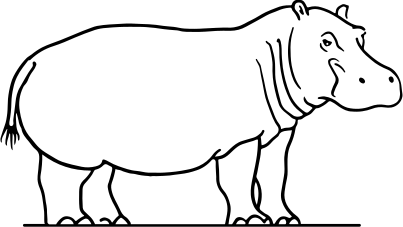
Whether or not a crossing happens on either specific day is genuinely outside anyone's control, this is one of the only truly unscripted moments left on an African safari. What both days deliver regardless is river frontage thick with hippo and crocodile, resident predators working the same ground the herds pass through, and a stretch of the Serengeti that sees a fraction of the vehicle traffic further south. Both nights are spent at the same camp.
A tented camp overlooking the Mara River · Second and third nights at the same camp.
The transfer south doubles as a game drive in its own right, the route threading through woodland and open plain on its way from the river country of the north toward Seronera, central Serengeti's most reliable game-viewing sector year round. Granite kopjes begin appearing along the way, rising out of the grass like islands, the specific landscape feature that first gave this whole region its reputation.
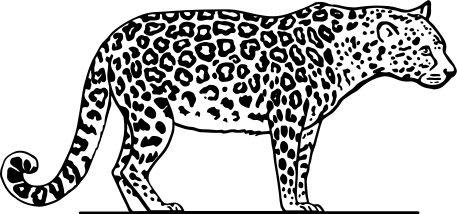
Arrival at Seronera is timed for the afternoon, in time for a first game drive through ground that holds resident lion and leopard in numbers that rival anywhere on the continent, a different, steadier wildlife rhythm than the river's restless waiting game just left behind. Dinner and the night are spent at camp beside the Seronera River.
A tented camp beside the Seronera River · One night here, in the park's most reliable game-viewing sector.
The drive out of the Serengeti heads south and east, back across familiar plains and up into the highlands, with a stop along the way at Olduvai Gorge, one of the most important paleoanthropology sites on Earth, where fossil discoveries reshaped scientific understanding of early human evolution. A short visit here adds a genuinely different kind of morning to a week otherwise built entirely around wildlife.
The road continues up onto the Ngorongoro Conservation Area's rim, arriving at a lodge perched on its edge with a direct view down into the crater floor below, tomorrow's dedicated crater day laid out below tonight's dinner table. There is no game drive scheduled for this day, the drive and the Olduvai stop fill it, but the view alone is one of the most striking on the entire circuit.
A lodge on the Ngorongoro Crater rim · Two nights here, with sweeping views down into the crater floor.
An early departure from the rim covers the descent road onto the crater floor itself, a collapsed volcanic caldera holding one of Africa's densest, most reliably resident wildlife populations, visible on a single day's drive rather than something that needs migration timing. Lion, elephant, buffalo and black rhino are all a normal part of a day on the crater floor, alongside wildebeest and zebra that live here year round rather than migrating through, a completely different rhythm from the river's waiting game earlier in the trip.
Lunch is taken beside one of the crater floor's small lakes before the ascent back up the rim road in the late afternoon, in good time for a final dinner at the lodge with the crater view one last time before dark.
A lodge on the Ngorongoro Crater rim · Second night at the same lodge.
There is time for a slow morning on the rim before departure, breakfast with the crater still visible below, no game drive scheduled today after yesterday's full day on the floor. It is a gentler close to a week that has moved through three genuinely different landscapes and one unscripted, memorable spectacle along the way.
The drive back to Arusha retraces the route down through Karatu, arrival timed for the mid to late afternoon in time for an onward flight or a connecting night in Arusha.
Based on past travellers' sightings across this specific circuit, combining Northern Serengeti's river country, central Serengeti and a full day inside the Ngorongoro Crater
Three distinct stays across seven days, a tented camp on the Mara River, another beside the Seronera River, and a lodge on the Ngorongoro Crater rim
Fees paid across this route fund Tanzania National Parks (TANAPA) in the Serengeti and the Ngorongoro Conservation Area Authority in the crater, supporting ranger operations, rhino monitoring, and the protection of Olduvai Gorge's fossil record alongside the wildlife itself.
Entry fees on this route support both TANAPA's operations in the Serengeti and the Ngorongoro Conservation Area Authority's ranger patrols and rhino monitoring on the crater floor
Northern Serengeti sees meaningfully fewer vehicles than the park's central sector, spreading tourism impact more evenly across the wider ecosystem.
The Ngorongoro Conservation Area has allowed Maasai communities to live and graze cattle alongside the wildlife since 1959, a deliberate, long-standing alternative to excluding people from conservation land entirely.
Olduvai Gorge, visited on the road between the Serengeti and Ngorongoro, is protected as carefully as the wildlife around it, one of the most important fossil records of early human evolution anywhere on Earth.
This seven-day circuit is a starting point, not a fixed plan. Add a night on the river to improve your odds of a crossing, swap the order the stages are visited in, or extend the trip with a beach finish in Zanzibar, your specialist will work from here.
With the route as a starting point, your specialist will adjust the pace, camps and add-ons until the itinerary feels like yours
Start tailoring this safari
Three nights each in the Mara and the Serengeti, an overland border crossing between them, then…
Four days on the Ndutu calving grounds, with a full day inside Ngorongoro Crater, mid-December through…
Ngorongoro's hidden crater floor, the Serengeti's endless horizon, then four slow, sun-drenched days on Zanzibar's white…
Crossing season runs roughly late June through October, sometimes into November, with the herds’ exact position varying year to year. This route is built specifically for that window, outside it the Mara River sees far fewer wildebeest and the core reason for this specific itinerary isn’t really present.
No, and any operator who promises one isn’t being honest with you. Crossings depend on the herd’s position relative to the river on the specific days you’re there, and even in season, a crossing might happen right in front of you or a few kilometres up or downriver where you can’t see it. What this route does is give it a genuine, well-positioned chance, three nights on the river rather than a single passing drive.
Northern Serengeti’s river country holds strong resident lion prides, large hippo and crocodile populations, and genuinely lower vehicle density than the park’s central sector, all worth the visit regardless of what the herds decide to do. The trip also includes central Serengeti and a full day inside Ngorongoro Crater, both excellent on their own terms.
Every itinerary on this route is built around a private vehicle and guide by default, no shared seats or fixed group schedule, which matters here especially given how much reading of the herd’s behaviour goes into positioning for a crossing.
Tell us your dates and we'll confirm whether the timing works, then adjust the route from there.
Start planning this trip