4 Days Great Migration Calving Safari

4 Days Great Migration Calving Safari

4 days on the short-grass plains where half a million wildebeest calves are born within a few frantic weeks each year, paired with a full day inside the Ngorongoro Crater. Available only during calving season, roughly mid-December through March.

4 DaysDuration TanzaniaCountries PrivateGroup type
Overview

A Short Safari after the Calving Season in Serengeti

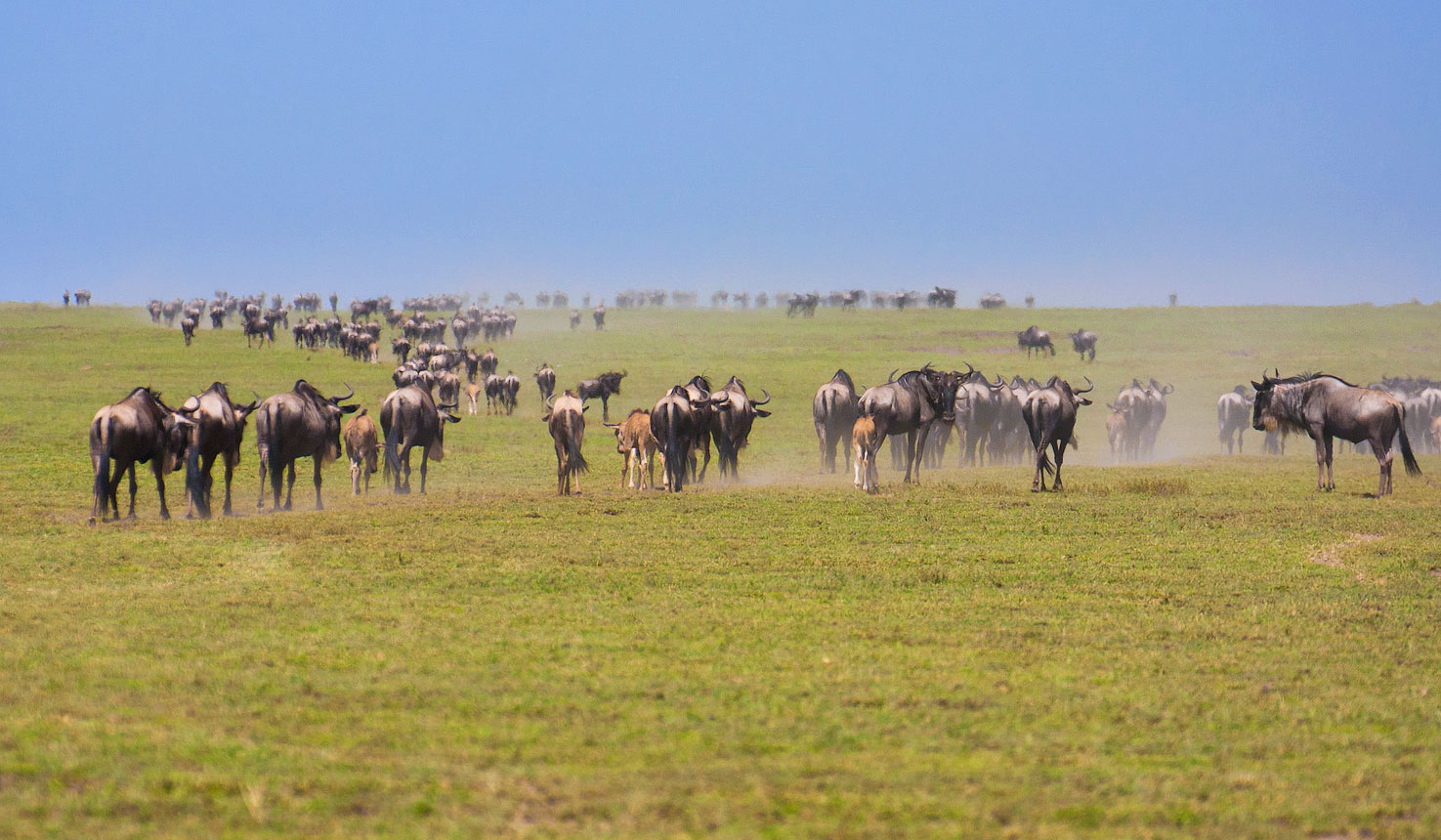
There is a specific stretch of short grass, straddling the border between the Serengeti and the Ngorongoro Conservation Area, that the wildebeest return to every single year to give birth. Not the whole migration, a corner of it, the Ndutu plains, where the grass is nutrient-rich enough to support half a million calves being born within a few frantic weeks, most of them within days of each other. It is, without much competition, the single most concentrated wildlife event in Africa, newborn calves finding their feet within minutes, and the predators that have been waiting for exactly this moment following close behind.

Four days here is built around that specific event, not a general safari with migration mentioned in passing. Two full days on the Ndutu plains themselves, timed for the calving season’s peak window, are paired with a full day inside the Ngorongoro Crater, close enough to combine naturally, and home to its own resident black rhino and one of the densest predator populations left on the continent. This is a short, deliberately timed trip, available only while the calving is actually happening, roughly mid-December through March, rather than a route that can be booked any month and hope for the best.

At a glance

  • Duration4 Days
  • CountriesTanzania
  • Group typePrivate

Activities

A few additions past travellers have asked for on this route.

A photography-focused game drive with a specialist guide
An extra pre-dawn departure timed to peak predator activity on the calving grounds
A stop at the Ngorongoro Crater rim viewpoint before the descent
A visit to a nearby Maasai community
Moments to note

Standout moments

The parts of this particular route past travellers mention most

I

Half a Million Calves, Born Within Weeks

The Ndutu plains' nutrient-rich short grass draws the migration back to give birth here every year, one of the most concentrated wildlife events anywhere in Africa.

II

Some of the Best Cheetah Viewing on the Continent

The open, short-grass terrain around Ndutu gives cheetah the visibility and speed they need to hunt, and calving season sharpens that action considerably.

III

A Full Day Inside the Ngorongoro Crater

A collapsed volcanic caldera holding one of Africa's densest, most reliable concentrations of resident wildlife, including black rhino, on its own enclosed floor.

IV

Predators Converging on the Newborns

Lion, hyena and cheetah all concentrate around the calving grounds during this window, some of the most intense predator-prey action of the entire migration year.

V

Two Ecosystems in Four Days

The southern Serengeti's calving plains and the Ngorongoro Conservation Area sit close enough together to combine properly in a single short trip.

VI

A Precisely Timed Window Most Travellers Miss

Calving season lasts only a few months a year, and this route is built specifically around it rather than treated as a bonus on a generic itinerary.

Day by day

How the days break down

A starting shape: pace, order and length of each stage are all adjustable.

Day
01
Ndutu Plains, Serengeti
Arusha → Ndutu Plains (via Ngorongoro Conservation Area)

Drive to the Ndutu Plains via Ngorongoro, Arriving in Time for an Afternoon Among the Calving Herds

The road climbs first, up through Karatu's coffee farms and into the Ngorongoro highlands, the crater's own rim briefly visible before the route descends the far side and out onto the open plains beyond it. The landscape changes fast here, forest giving way to short, grazed grassland, and it is often possible to spot the first wildebeest herds from the vehicle window well before the plains fully open up.
Arrival at Ndutu is timed for lunch, and the first game drive sets out in the afternoon, straight into the heart of the calving grounds. This is Ndutu at its most concentrated, wildebeest calves finding their feet within minutes of birth, and predators, cheetah especially, using the open, short-grass terrain to their full advantage. Dinner and the first night are spent at camp, well inside the action rather than on its edge.

Where you rest

A tented camp on the Ndutu plains · Three nights here, positioned inside the calving grounds themselves.

Day
02
Ndutu Plains
A full day on the calving grounds

A Full Day Following Predators Across the Ndutu Calving Grounds

Two game drives, timed to the plains' own rhythm rather than a fixed schedule. Mornings on Ndutu tend to be the most active, cheetah using the cool early light to hunt across open ground with almost nothing to obstruct the view, and lion and hyena working the same herds from different angles. Newborn calves, some only hours old, are everywhere across the grass, and the density of both prey and predator here during this window is genuinely without parallel elsewhere on the migration's route.
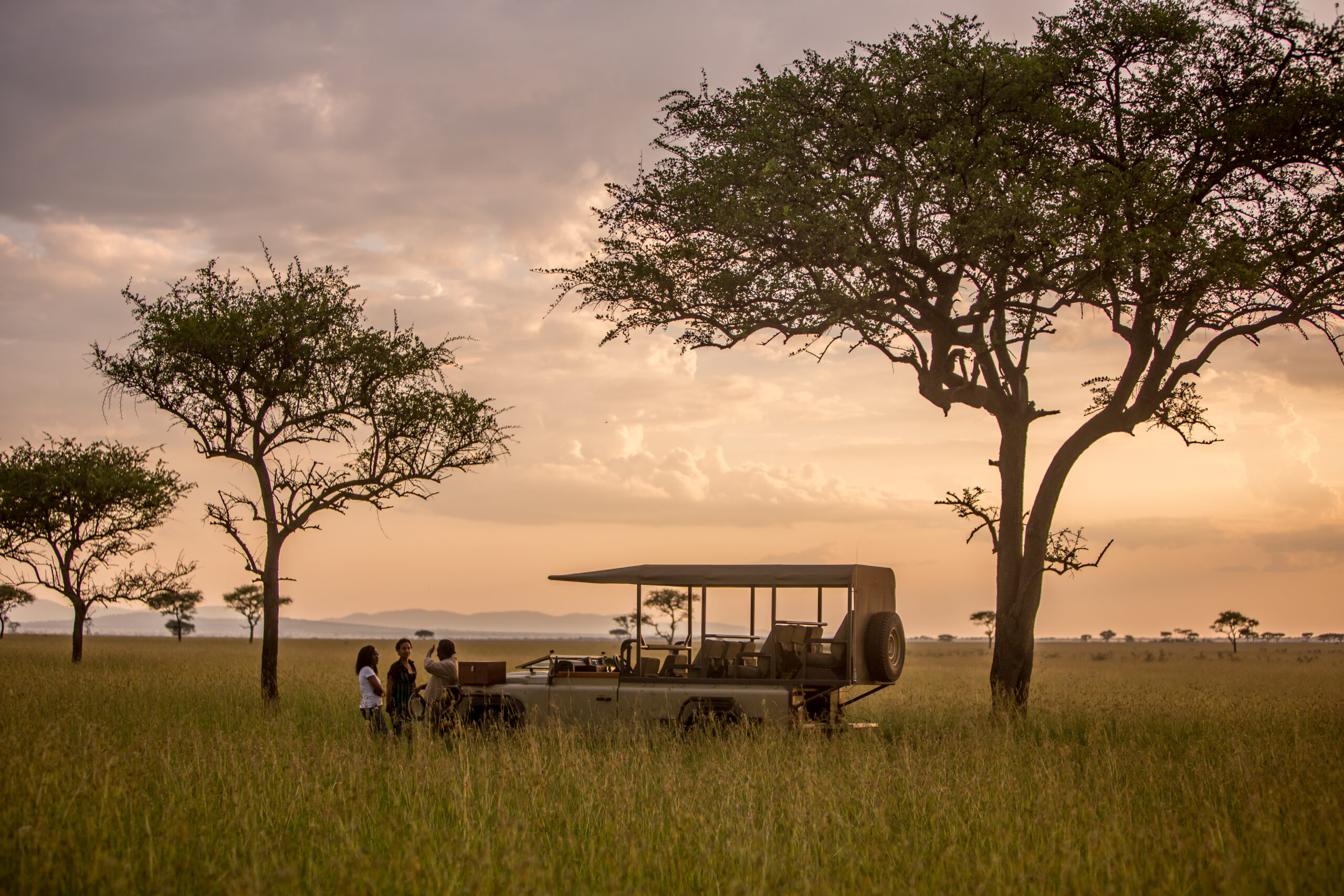
A midday rest at camp gives way to a second drive in the afternoon, when the light softens and the plains take on the particular gold colour that made this specific corner of the ecosystem famous among wildlife photographers. Every drive here is different, the calving grounds shift slightly year to year with the rains, and your guide reads the movement of the herds rather than following a fixed route.

Where you rest

A tented camp on the Ndutu plains · Second night at the same camp

Day
03
Ngorongoro Crater
Full-day excursion to the Ngorongoro Crater floor

A Full Day Descending Into the Ngorongoro Crater, Then Returning to Ndutu

An early departure covers the drive from Ndutu up onto the Ngorongoro Conservation Area's rim, then down the descent road onto the crater floor itself, a collapsed volcanic caldera holding one of Africa's densest, most reliably resident wildlife populations, visible on a single morning drive rather than something that needs migration timing. Lion, elephant, buffalo and one of the region's genuine rarities, black rhino, are all part of a normal day on the crater floor, alongside the wildebeest and zebra that live here year round rather than migrating through.
Lunch is taken beside one of the crater floor's small lakes before the drive back up the rim road and the return to Ndutu in the late afternoon, in good time for a final look at the calving grounds before dark. It is a long day by any measure, but the two landscapes it connects, an enclosed volcanic bowl and the open plains beyond it, could not look more different from each other, and seeing both inside one short trip is exactly the point of this route.

Where you rest

A tented camp on the Ndutu plains · Third night at the same camp, back among the calving herds after the crater excursion.

Day
04
Arusha
Ndutu Plains → Arusha

A Final Morning on the Calving Grounds Before the Drive Back to Arusha

One last drive across the plains before breakfast, unhurried, following whatever the herds are doing on this particular morning rather than working through a final checklist. Calving season mornings tend to be the most active of the whole day, and it is often the last, best chance to watch a calf only hours old finding its feet in the herd.
Breakfast back at camp is followed by the return drive to Arusha, retracing the route back up through the Ngorongoro highlands and down through Karatu, arrival timed for the mid to late afternoon in time for an onward flight or a connecting night in Arusha.

What you'll likely see

Key species on this route

Based on past travellers' sightings on this specific route, combining the Ndutu calving grounds with a full day inside the Ngorongoro Crater.

· · · · · · ·
Wildebeest
Wildebeest
95% chance
Zebra
Zebra
90% chance
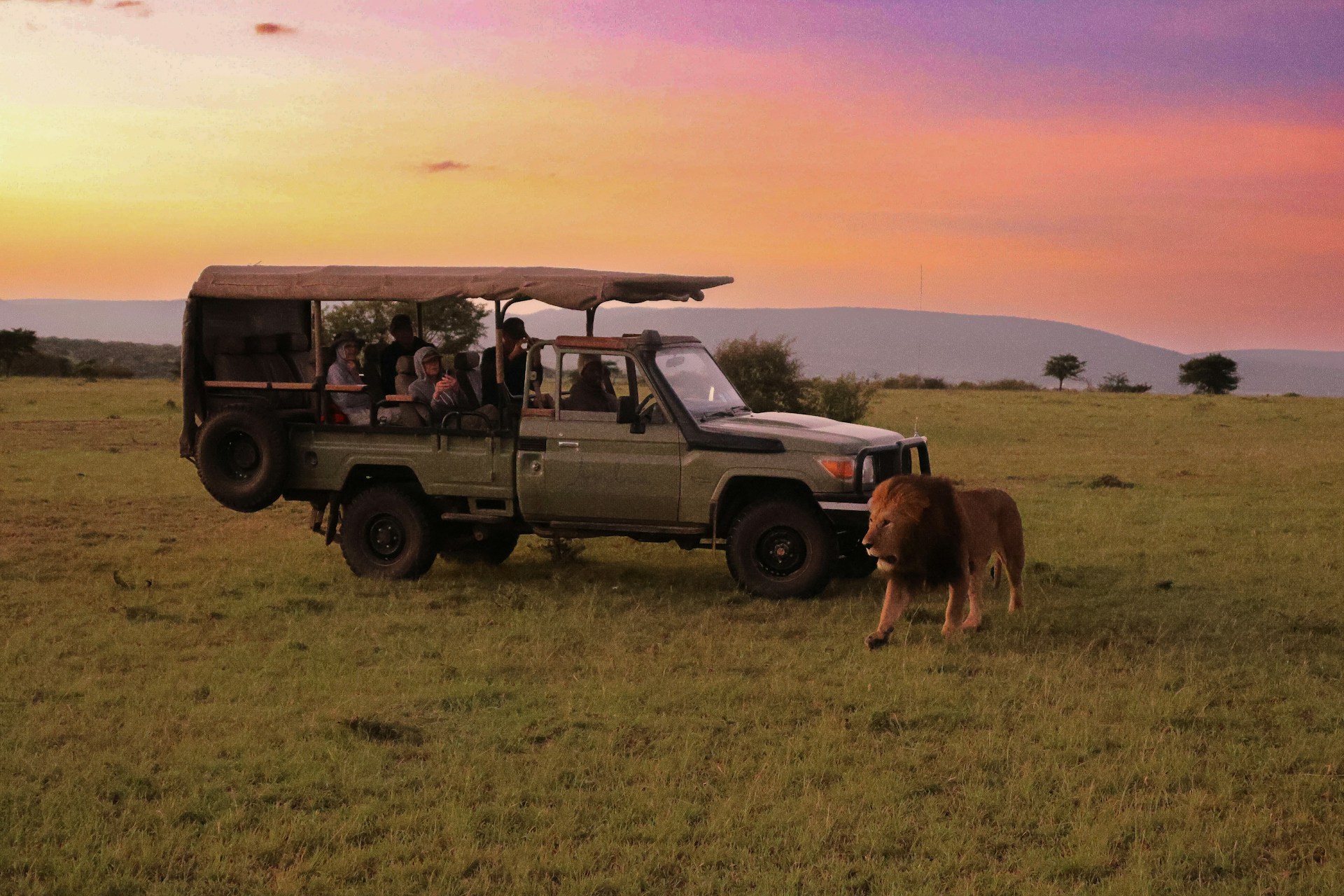
Lion
Lion
90% chance
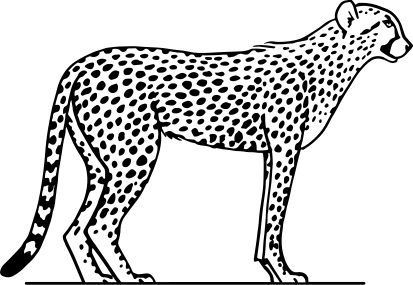
Cheetah
Cheetah
75% chance
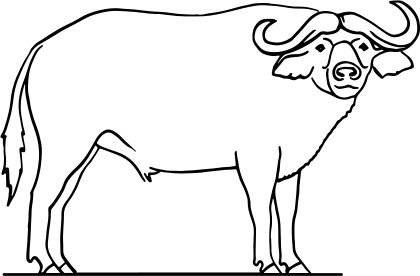
Buffalo
Buffalo
75% chance
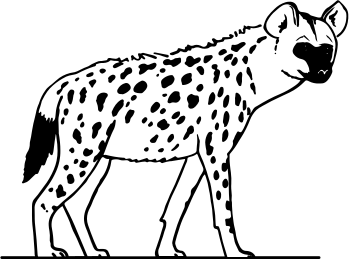
Spotted Hyena
Spotted Hyena
70% chance
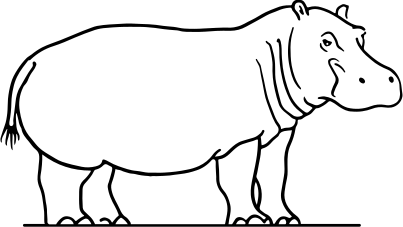
Hippo
Hippo
50% chance
Elephant
Elephant
50% chance
Black Rhino
Black Rhino
45% chance
Leopard
Leopard
20% chance
The details

What's included

What's included

  • All park and conservation area entry fees, including the Ngorongoro Crater service fee
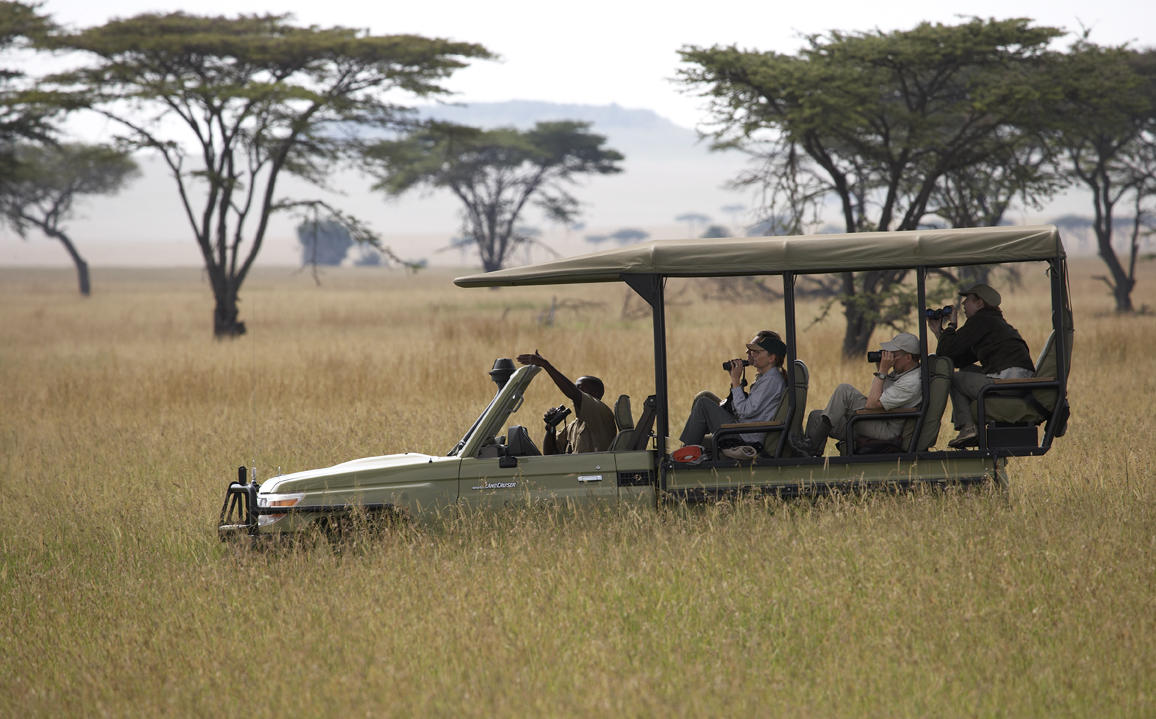
  • Private safari vehicle with pop-up roof and driver-guide throughout
  • All meals during the safari (full board)
  • Bottled water in the vehicle
  • All game drives and activities listed in the itinerary
  • Government taxes and levies

What's not included

  • International flights to and from Tanzania
  • Visa Fees
  • Travel Insurance
  • Alcoholic drinks and premium beverages
  • Tips and gratuities for guides and camp staff
  • Personal expenses (laundry, phone calls, curio purchases)

Notes about this trip

  • This itinerary is only offered during calving season, roughly mid-December through March, with late January and February the most reliable window, confirm exact dates with your specialist before booking
  • The exact location of the calving action shifts slightly year to year with the rains, your guide adjusts the route accordingly rather than following a fixed track
Responsible travel

Responsible Travel

Fees paid on this route fund both the Ngorongoro Conservation Area Authority and Tanzania National Parks (TANAPA), supporting ranger operations, rhino monitoring and the multiple land-use model that lets Maasai communities and wildlife share this landscape.

I

Conservation Fees Fund Rhino Monitoring

Fees from the Ngorongoro Crater portion of this route support the Conservation Area Authority's rhino monitoring and ranger operations directly.

II

A Landscape Shared Between Wildlife and Maasai Communities

The Ngorongoro Conservation Area has allowed Maasai communities to live and graze cattle alongside the wildlife since 1959, a deliberate, long-standing alternative to excluding people from conservation land entirely.

III

Low-Impact Camp Practices

Accommodation on this route follows standard low-impact safari camp operating practices, minimal permanent footprint and careful water and waste management.

Make it mine

This four-day route is timed specifically to calving season and built as a starting point, not a fixed plan. Extend it by a night on the Ndutu plains, add the Serengeti's Seronera sector before or after, or use it as one chapter of a longer Tanzania itinerary, your specialist will work from here.

With the route as a starting point, your specialist will adjust the pace, camps and add-ons until the itinerary feels like yours, not a template.

Start planning this safari
If this isn't quite right

Similar safaris

Common questions

Before you enquire

This route is built specifically around calving season, roughly mid-December through March, with late January and February generally the most reliable window for peak birthing activity. Outside those months, the calving grounds themselves are quiet, so this specific itinerary isn’t recommended.

Very likely during the peak window, though nature doesn’t run on a fixed schedule, the exact timing and location shift slightly year to year with the rains. What is reliable during this season is the sheer volume of very young calves across the plains and the predator activity that follows them.

It depends on the exact dates within calving season, camp choice and any add-on activities, so there isn’t one number that fits every trip. Tell us your preferred dates and we’ll put together a tailored quote.

The crater sits close enough to the Ndutu calving grounds to combine naturally within a short trip, and it adds resident black rhino and a dense, reliable predator population that the open plains alone don’t include, a genuinely different landscape inside the same four days.

It works well as one, given how concentrated and dramatic the wildlife action is during this window, though because it’s tied to a specific season, it suits a trip planned around these dates specifically rather than a flexible, any-time visit.

Every itinerary on this route is built around a private vehicle and guide by default, with no shared seats or fixed group schedule, which matters here, especially since predator movement during calving season can shift quickly through the day.

Ready when you are

Ask about 4 Days Great Migration Calving Safari

Tell us your dates and we'll confirm whether the timing works, then adjust the route from there.

Start planning this trip