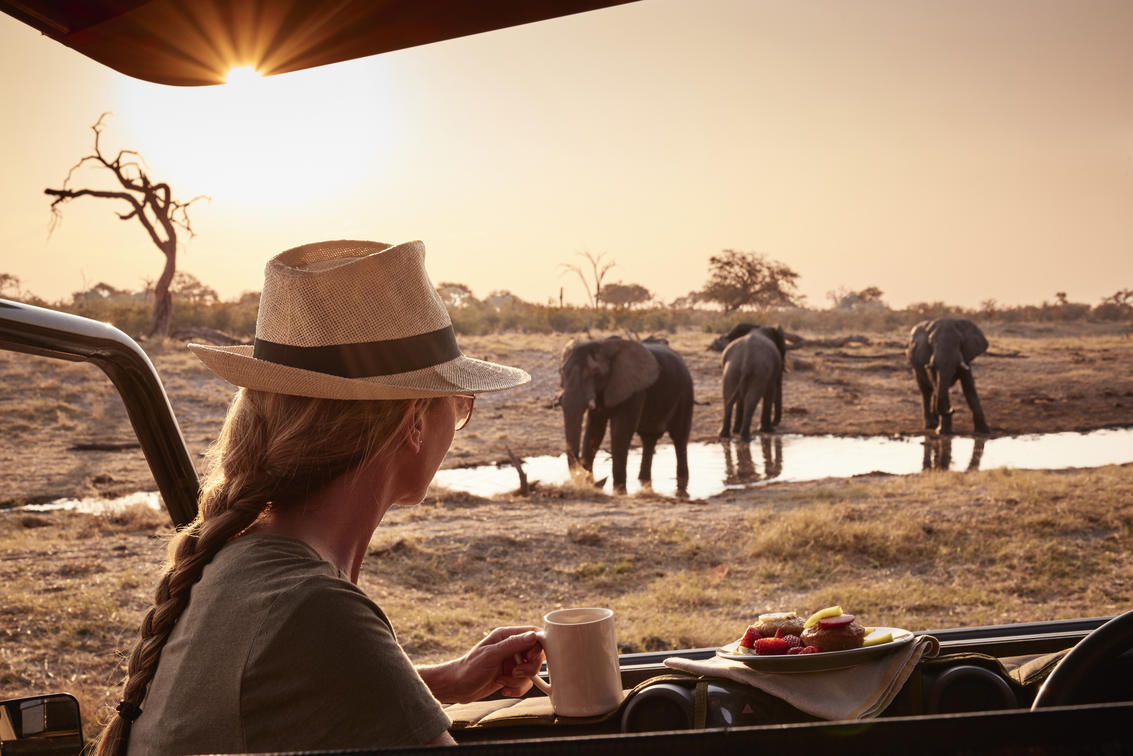
Private guides, fly-in access to conservancies closed to the public road network, and camps chosen for what they get right rather than what they charge.
Plenty of operators use “luxury” to describe a higher price on the same itinerary. We use it to describe a different way of building the trip entirely. A luxury safari, as we design it, starts with access: private conservancies with a fraction of the vehicle density of the public reserves, fly-in routing that removes hours of road transfer between parks, and camps small enough that your guide already knows your names by the second game drive.
The camps themselves matter, but less than people expect. A beautifully designed tent with an indifferent guide and a crowded conservancy is not a luxury safari, whatever the nightly rate says. We choose properties for what actually shapes the days you’ll remember, a genuinely private vehicle, a guide who reads the two of you or your group rather than a fixed script, and a location where wildlife sightings aren’t shared with six other vehicles.
Every route on this page is a starting point, not a fixed package. Where you stay, how you move between destinations, and how much of the day is scheduled versus left open are all decisions made around you, not decided in advance and sold as is.

Four things every luxury itinerary we design gets right
Fly-in access to conservancies with strict vehicle limits and no day-tripper traffic, a different wildlife-viewing experience than the busier public reserves, not just a nicer place to sleep afterward.
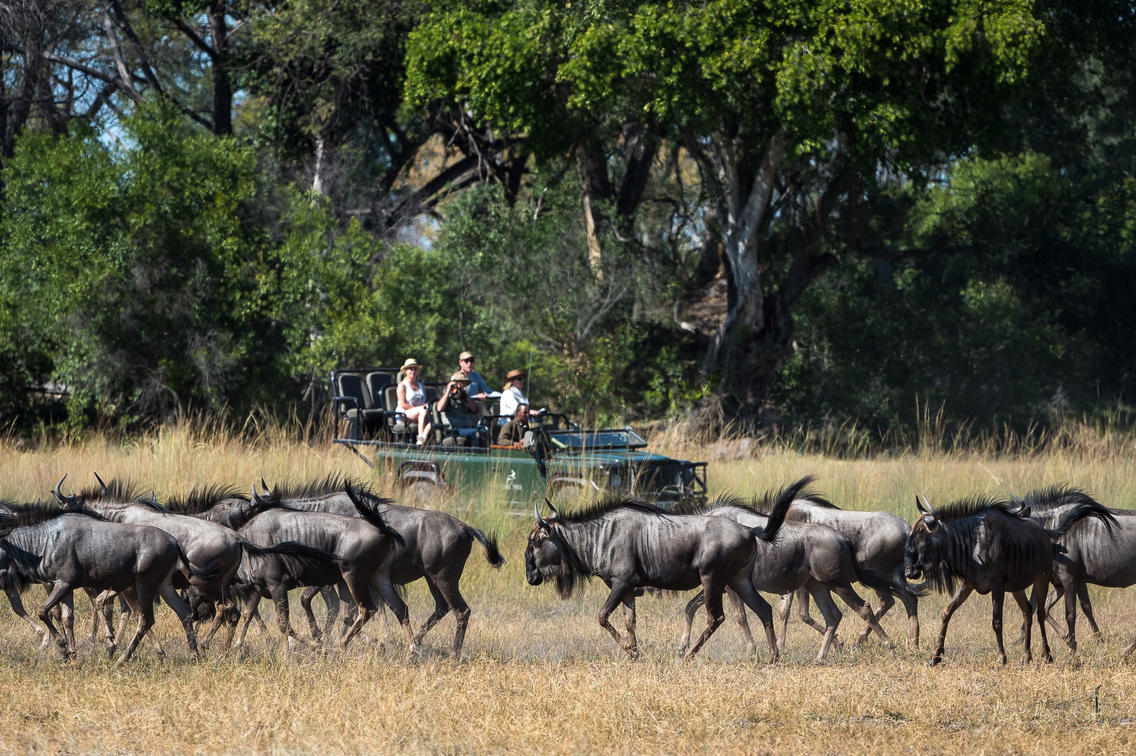
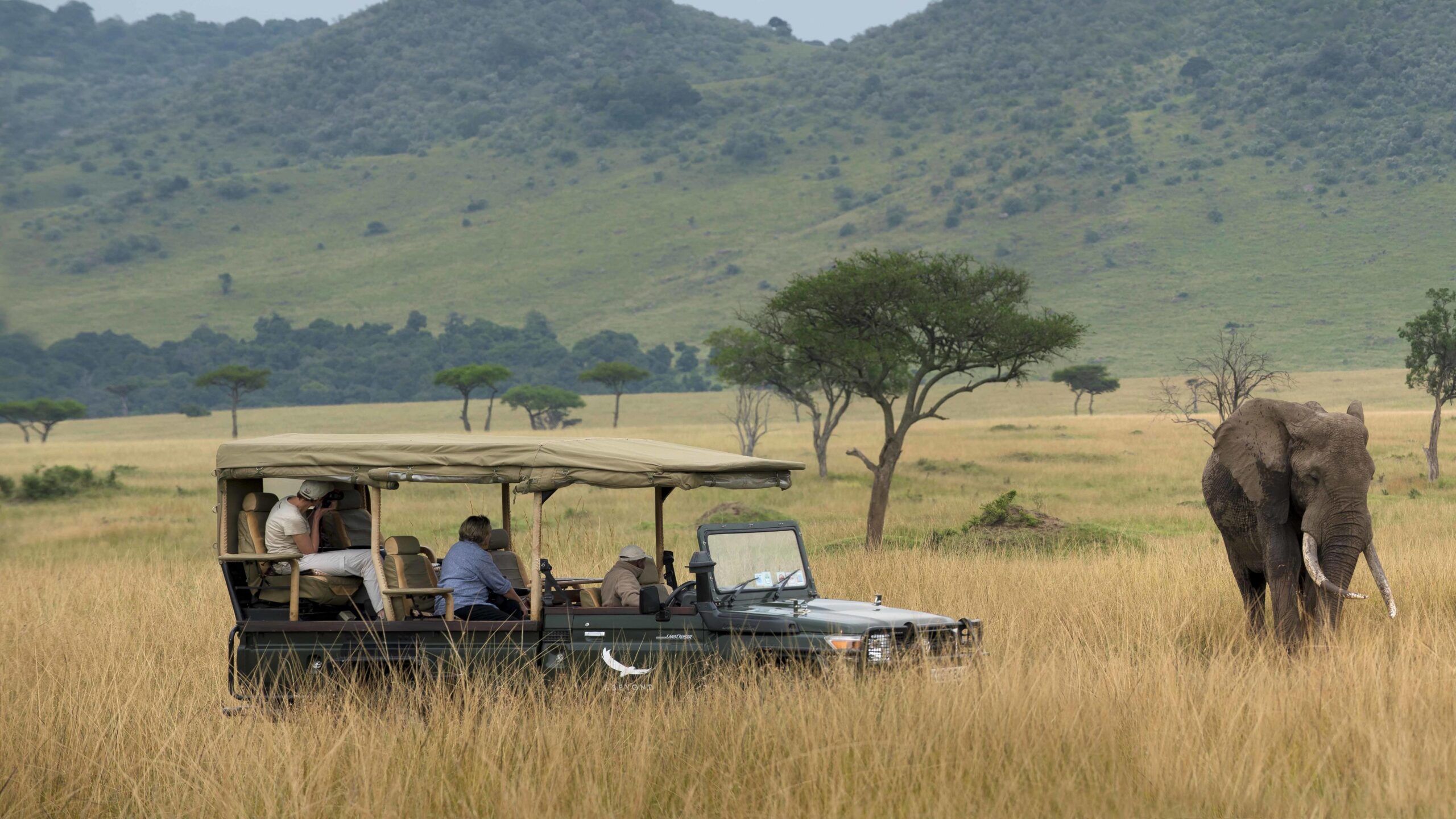
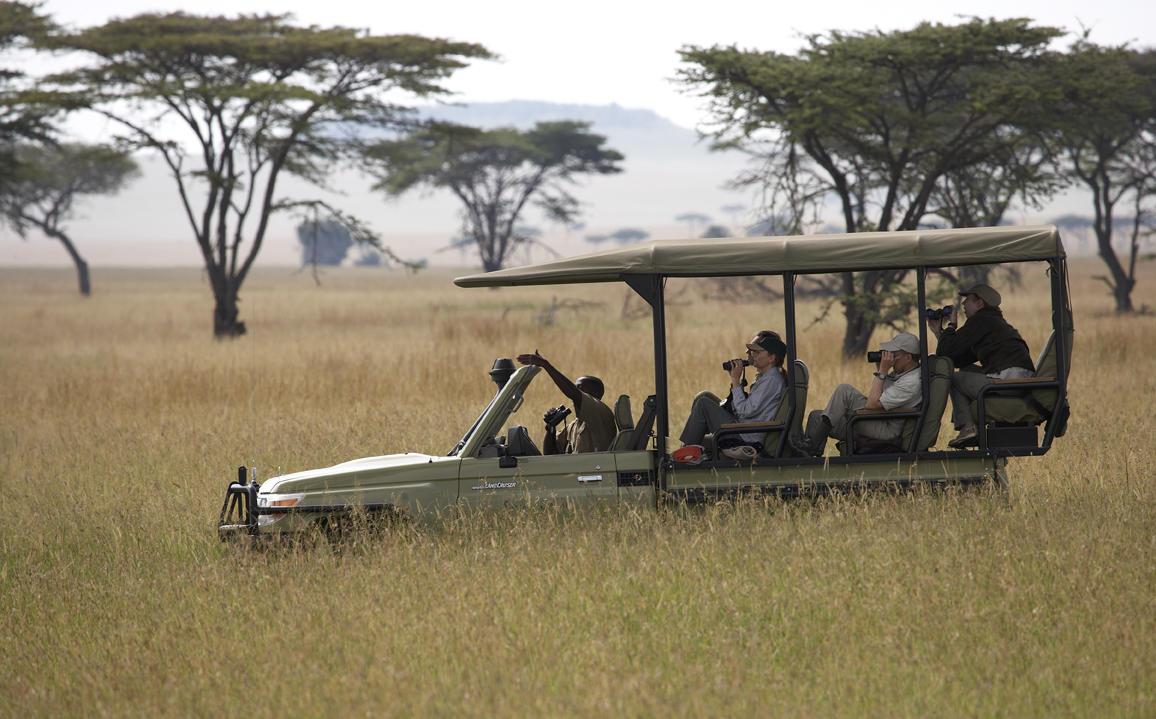
No shared seats, no negotiating the day's plan with strangers. Your guide sets the pace around what you actually want to see, not a fixed group route.
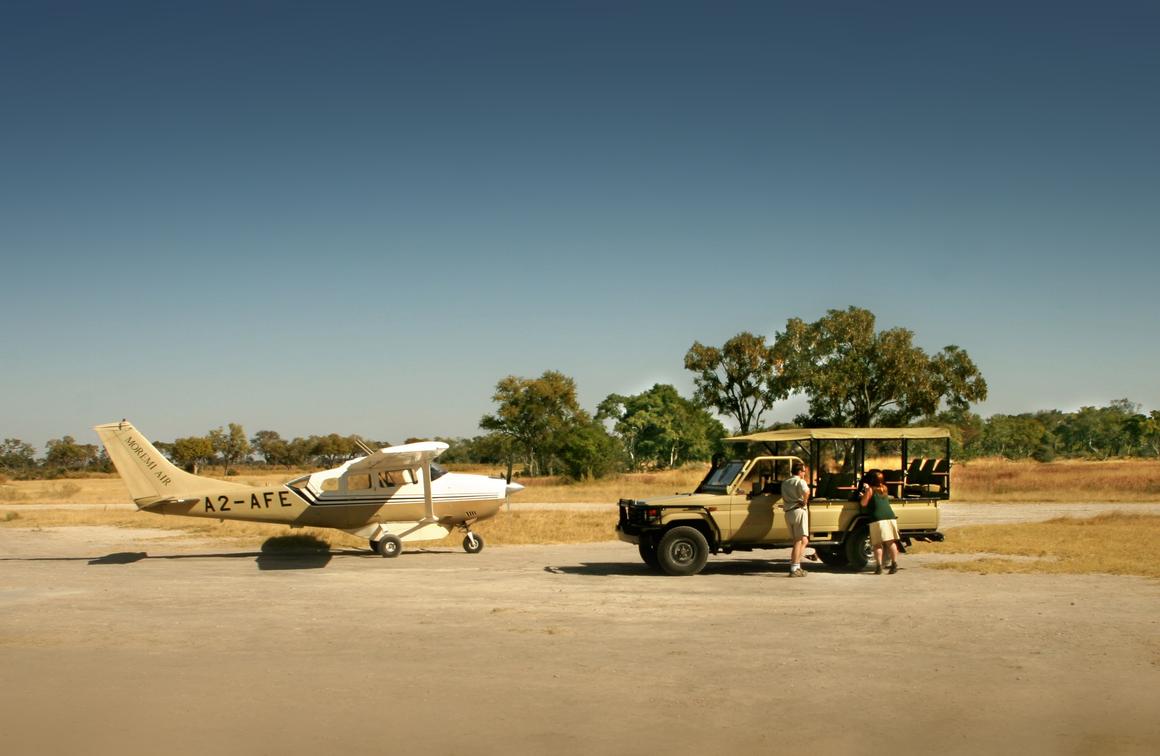
Scenic flights between destinations instead of full-day road transfers, so a nine or ten day itinerary spends its time on game drives and at camp, not on the road.
We work with properties we'd choose ourselves, judged on location, guiding standard and genuine privacy, not simply the highest nightly price available in a given park.
Every luxury itinerary here is a starting shape. Route, pace and camps are adjusted around you before anything is booked
No safaris picked for Luxury Safaris yet.
Signature moments that define premium and luxury safari, comfortable camps, private guides and exclusive experiences.

Scenic flights straight to conservancies with restricted vehicle numbers, replacing a full day on the road with more time actually looking for wildlife.

No shared itinerary to compromise around. Your guide reads what you want from the trip and adjusts each drive accordingly, not a fixed route built for a full vehicle of strangers.

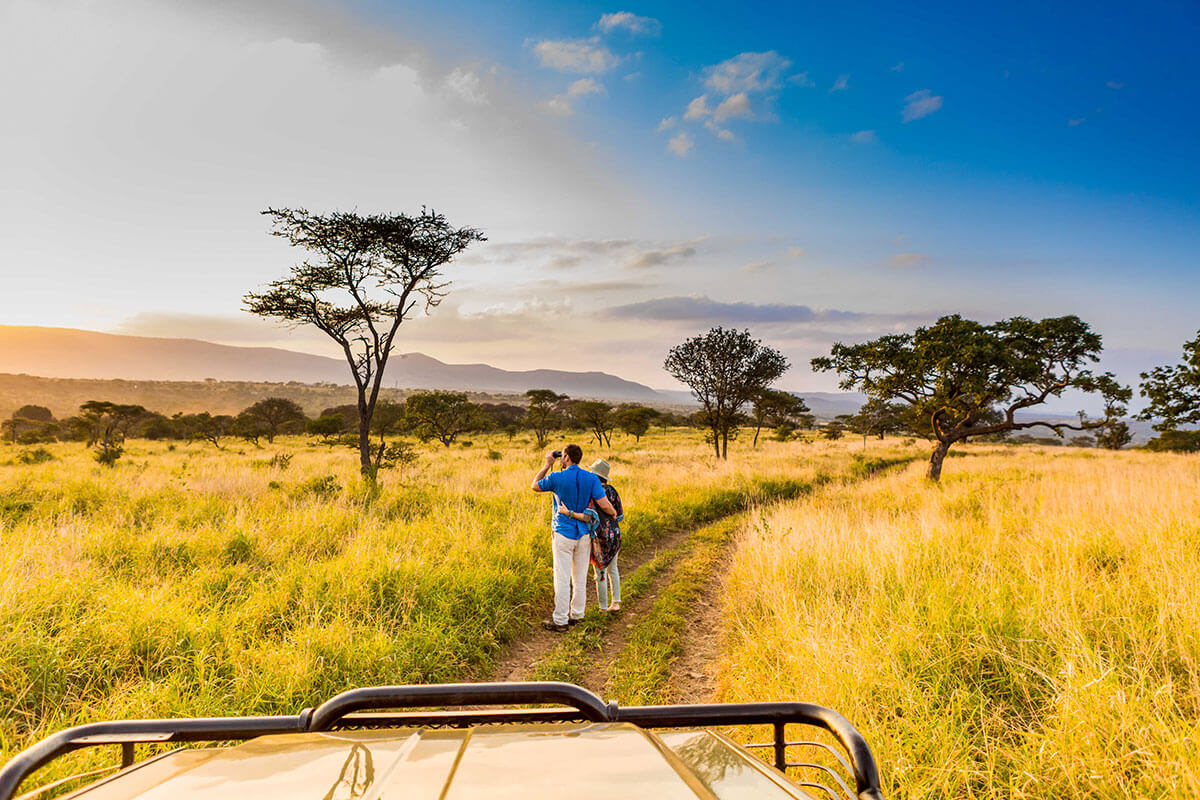
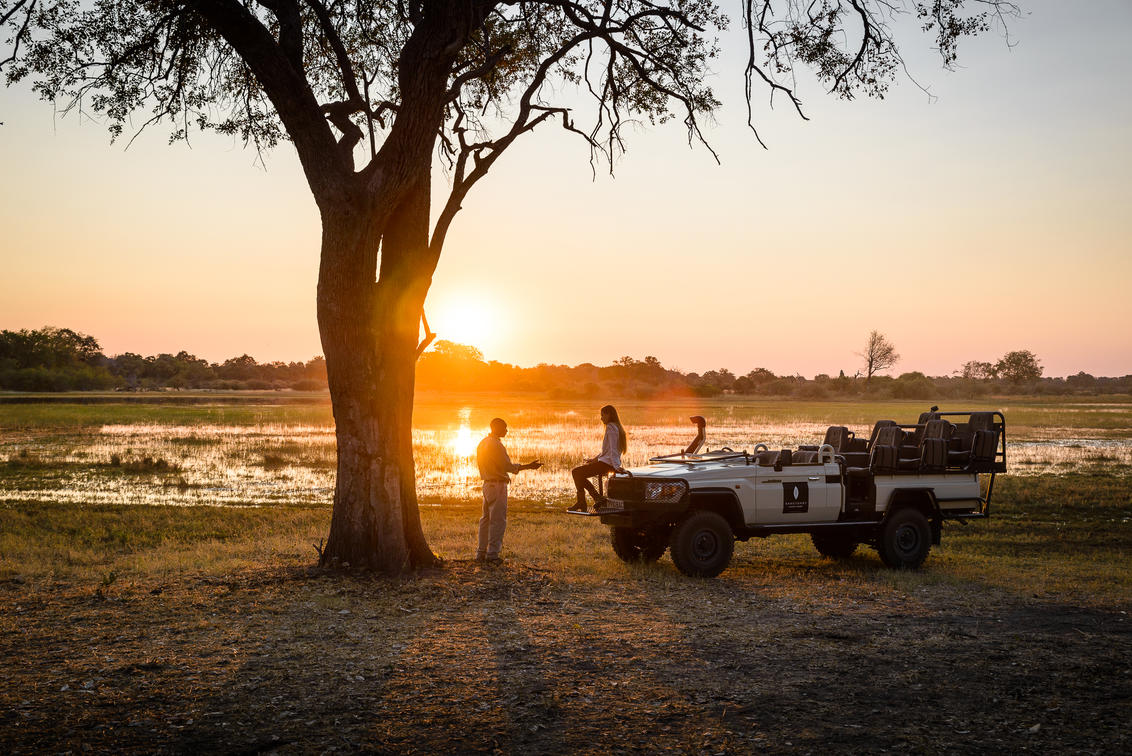
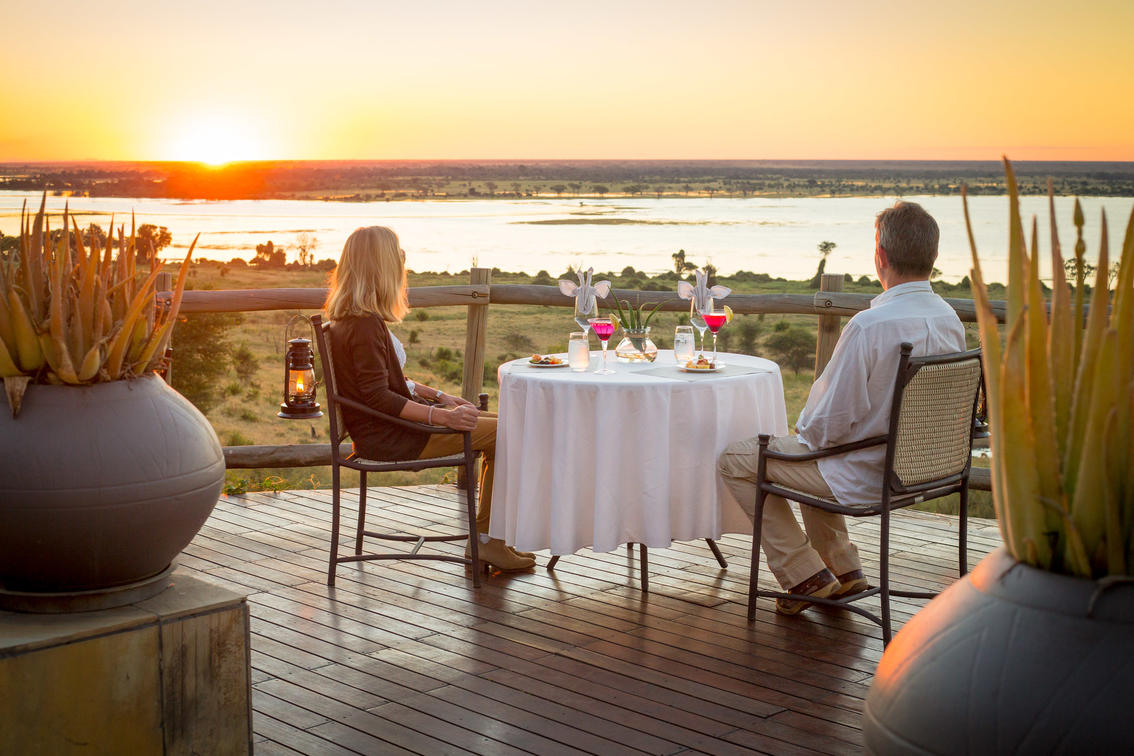
A private stop at a chosen viewpoint as the light drops, away from the main lodge and any other guests, just a drink and the plains going quiet for the evening.

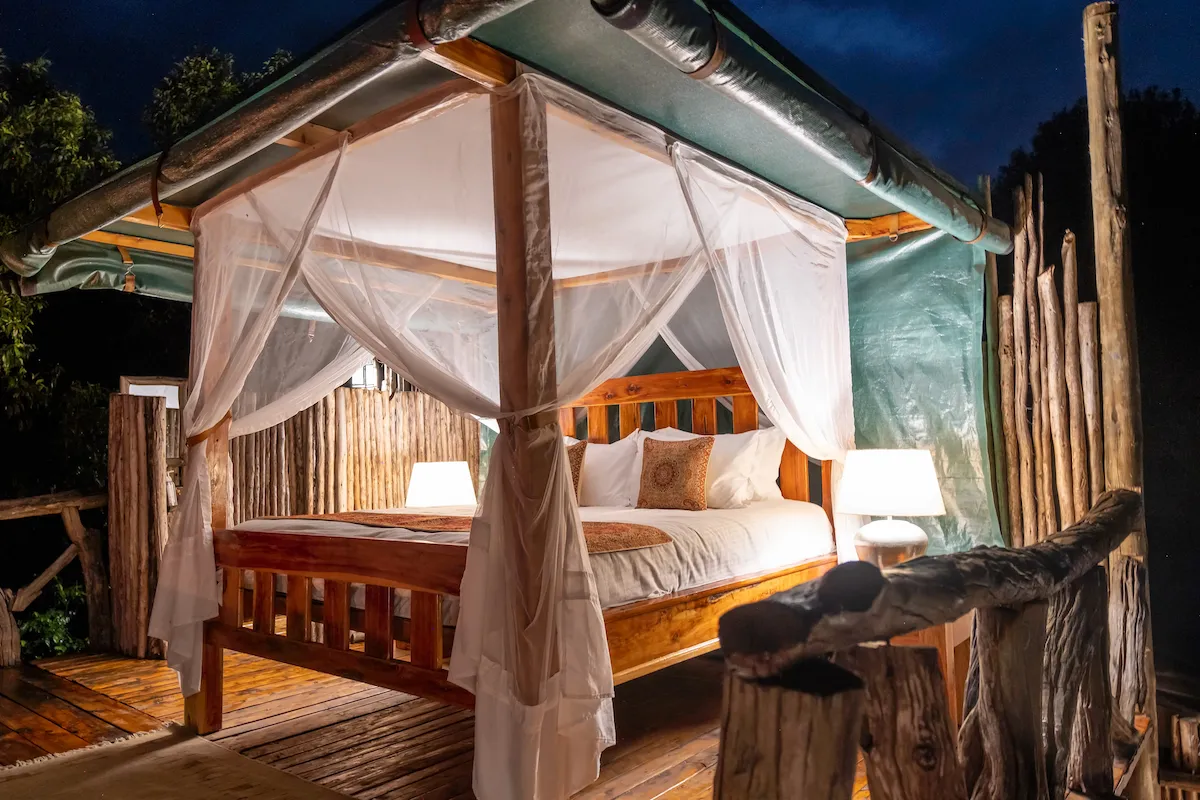
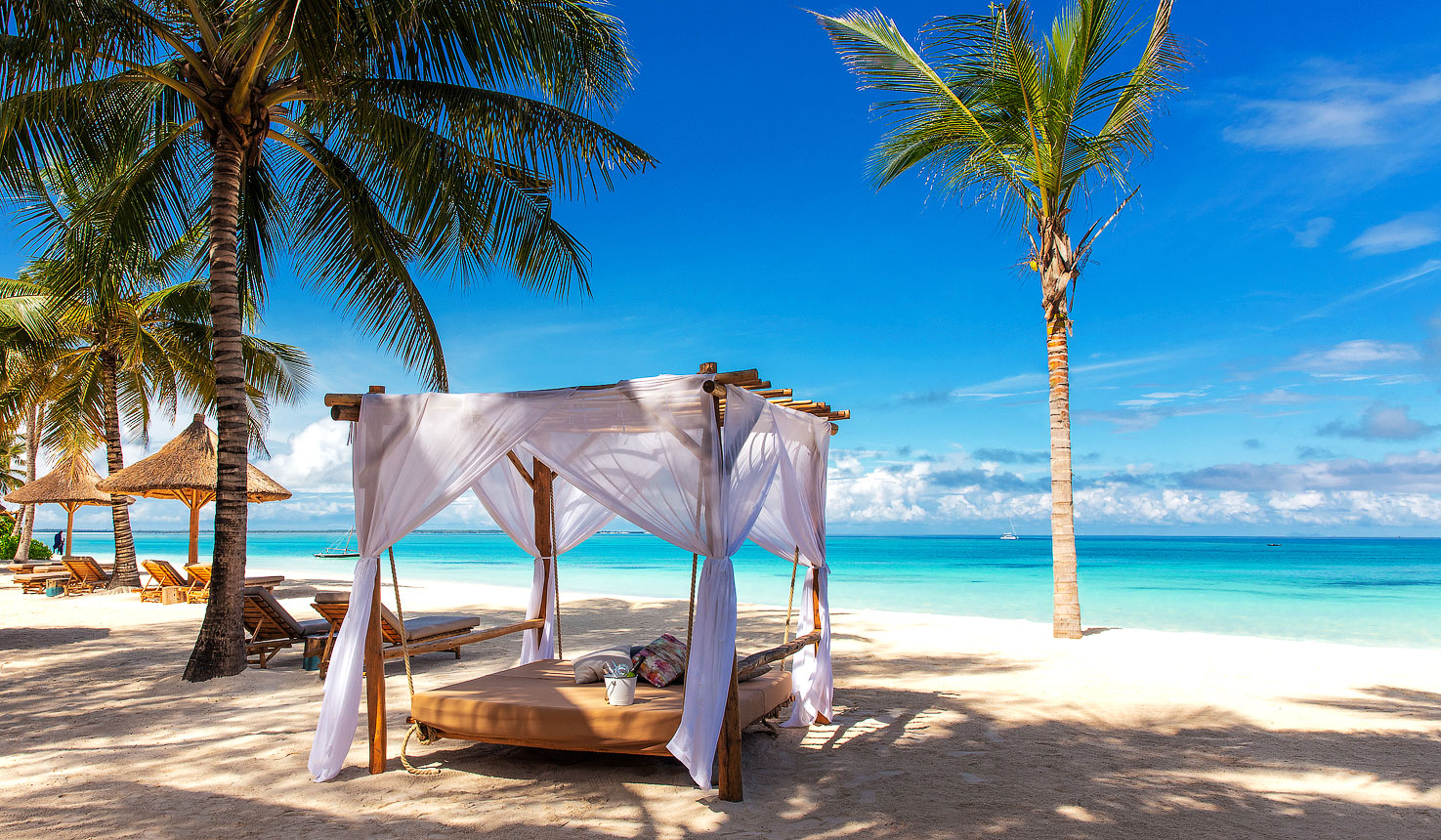
Properties chosen for genuinely private space, a secluded tent or suite rather than a room in a large lodge, so the time between game drives feels like it belongs to you.

Timing and location chosen against where the wildlife actually is that season, not simply the easiest camps to book, the difference between a good sighting and a scheduled one.
This page shows you the shape of a luxury safari. The itinerary itself gets built around you: which conservancies, how many days at each stop, how much of the day is scheduled versus left open, and which camps actually suit how you want to travel.
Tell us what matters most to you, privacy, a specific conservancy, a particular pace, and we'll shape a route around it rather than fit you into a fixed package.
Start Planning Your Safari
Luxury camps and private conservancies run smaller inventories than the public reserves, so timing matters here for availability as much as for game viewing.
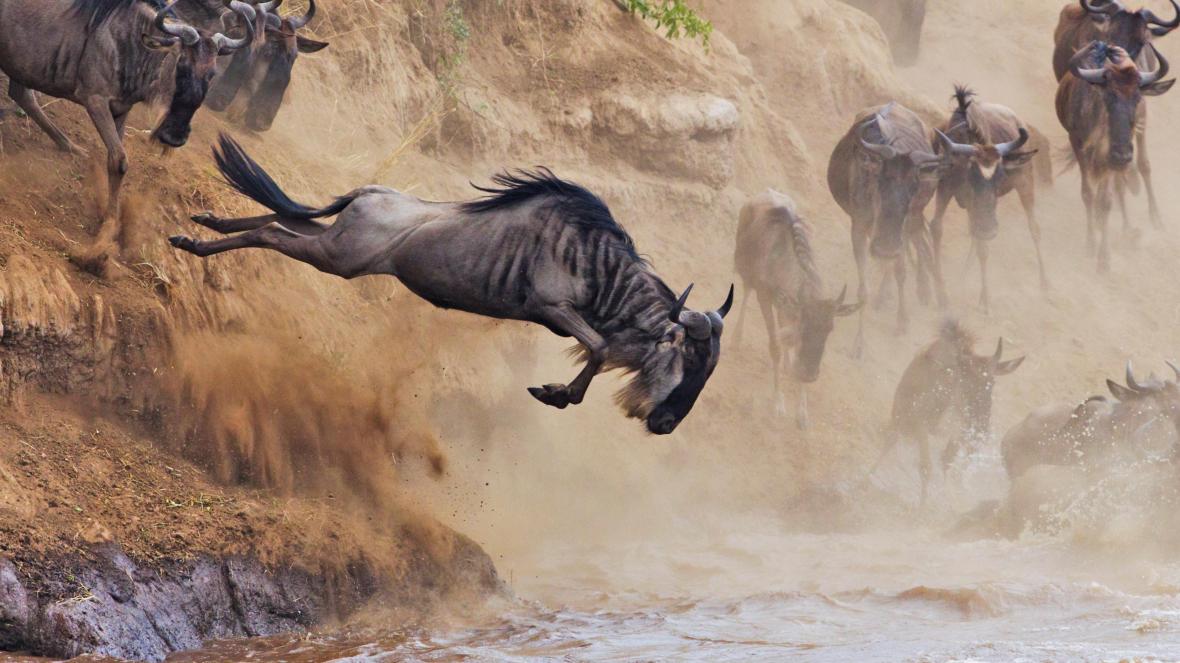
The strongest game viewing of the year, and the window when the smaller, more exclusive camps sell out first. Book six to nine months out if this is your window.
Quieter conservancies, dramatic light and noticeably better rates at the same properties. The trade-off is more rain and shorter afternoon drive windows on some days.
Warm, largely dry weather and strong predator activity around the southern plains' calving season, alongside a natural pairing with December holiday travel.
Access more than amenities. A luxury safari typically means private conservancies with restricted vehicle numbers, fly-in routing between destinations instead of long road transfers, and a private guide and vehicle for your group alone, on top of camps chosen for genuine privacy rather than simply a high nightly rate.
No. Some of the best luxury properties in both countries are permanent lodges rather than tented camps, and the choice comes down to location and personal preference rather than one format being inherently more premium than the other
Yes, and many of the private conservancies used on luxury itineraries specifically allow activities the busier public reserves restrict, including guided walks and visits with local communities, since vehicle and visitor numbers are already limited.
A luxury safari works at any length. A shorter, five or six day itinerary concentrated in one or two private conservancies is often a more genuinely luxurious use of time than a longer trip spread thin across several public parks.
For peak Great Migration months (July to October) or the December to February window, we’d suggest starting the conversation six to nine months out, since the smaller, more exclusive camps that define this style of safari have far fewer rooms than a standard lodge and sell out first. Green season travel (March to May) allows more flexibility closer to your dates.
It depends on which conservancies, how many days, how much of the trip is fly-in versus road, and which camps you choose, so there isn’t a single number that fits every itinerary. Tell us your priorities and we’ll put together a tailored quote rather than a generic estimate.
A few questions, then a specialist follows up with real options, no fixed packages, no pressure.
Start planning