Kenya and Tanzania
From the Maasai Mara to the Serengeti, Ngorongoro Crater to Amboseli's elephants beneath Kilimanjaro, planned and private guided safaris
Kenya and Tanzania share a border, and along much of it, they also share an ecosystem. The Maasai Mara does not end at a fence; it seamlessly transitions into the Serengeti just a few kilometres to the south. The wildebeest that migrate between the two regions have never once checked a passport. For travellers with the time to explore, combining both countries into one safari is not a compromise; it represents the true essence of East Africa, aligning with the natural landscape and the migration patterns.
The practical case for combining is straightforward. Kenya gives you the Mara’s resident wildlife and reliable big cat sightings, plus Amboseli’s elephants against Kilimanjaro. Tanzania adds the Serengeti’s sheer scale, the Ngorongoro Crater’s extraordinary density of animals in one contained bowl, and, depending on when you travel, the calving season on the short-grass plains around Ndutu. Put together, a combined itinerary covers more distinct landscapes and a longer stretch of the migration’s annual movement than either country manages alone.
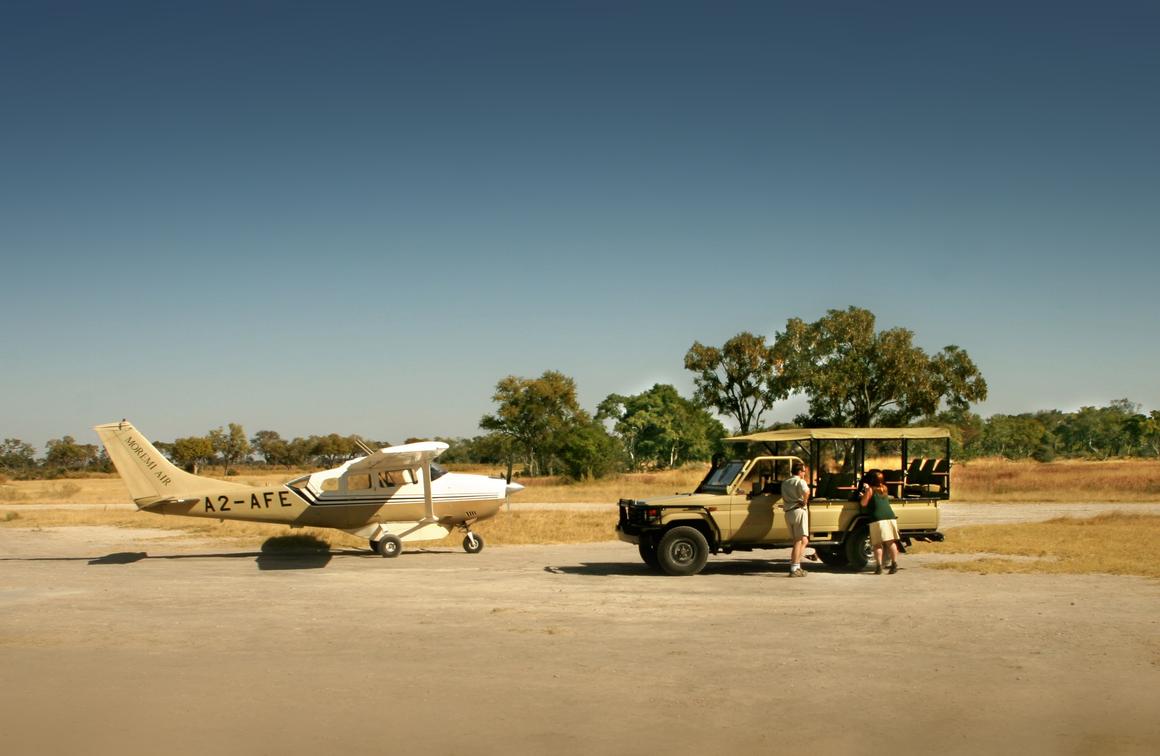
The logistics are more manageable than people expect, though they’re real and worth planning around properly. Crossing between the Mara and the Serengeti usually means a short light-aircraft hop rather than a long drive, and each country requires its own separate entry visa, since there’s no single visa that covers both. We handle the border logistics, the flight connections and the visa guidance as part of building the itinerary, so the crossing is a detail in the plan rather than something you have to solve yourself.
This isn’t automatically the right choice for every trip. If you have five or six days, one country done properly usually beats two countries rushed. Combining genuinely comes into its own from around ten days, where there’s enough time in each place to actually settle into it rather than just passing through. We’ll tell you honestly which shape suits your dates, not just sell you the bigger itinerary.

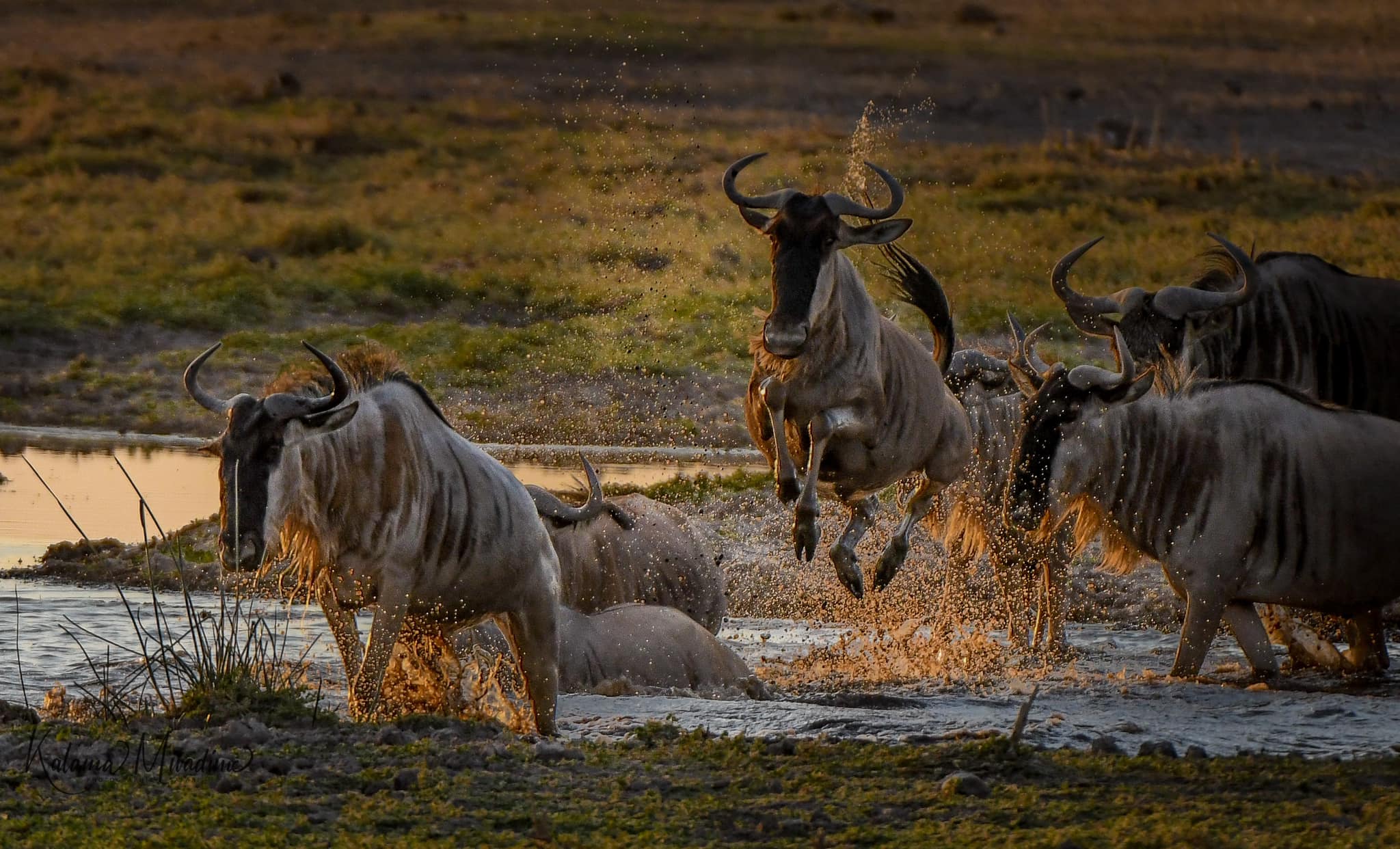
The Mara-Serengeti ecosystem is what makes this combination so effective. It’s not just two safari destinations located near one another; it is a continuous stretch of savannah that the border simply runs through. The migration crosses that border on its own schedule, regardless of which country’s stamp is in your passport. By planning a combined itinerary, you can time your trip to follow the migration. You might focus more on the Kenya side from July to October when the herds are in the Mara, or on the Tanzania side from December to June when they are on the Serengeti plains and in Ndutu for calving.
The two countries offer unique experiences that beautifully complement each other, as reflected in the travel itinerary. Kenya’s Amboseli National Park presents a stunning view of Kilimanjaro, a backdrop that few other parks can rival. On the other hand, Tanzania’s Ngorongoro Crater is home to an extraordinary concentration of wildlife, including lions, elephants, and rhinoceroses, all within a single volcanic bowl that can be fully explored in one day’s descent. These remarkable attractions are exclusive to their respective countries, making a combined trip the only way to experience both without needing to schedule a separate journey later.
The Mara and Serengeti are a single landscape split by a border, not two destinations
Time it right and you can follow the herds across both sides of the border
Ngorongoro Crater and Kilimanjaro views, both in a single itinerary
We handle the border crossing and both countries' logistics as one itinerary, not two bookings
Every trip is adjusted to you, these are just a sense of pace and length.
The activities that define a Kenya and Tanzania safari, beyond the game drive.

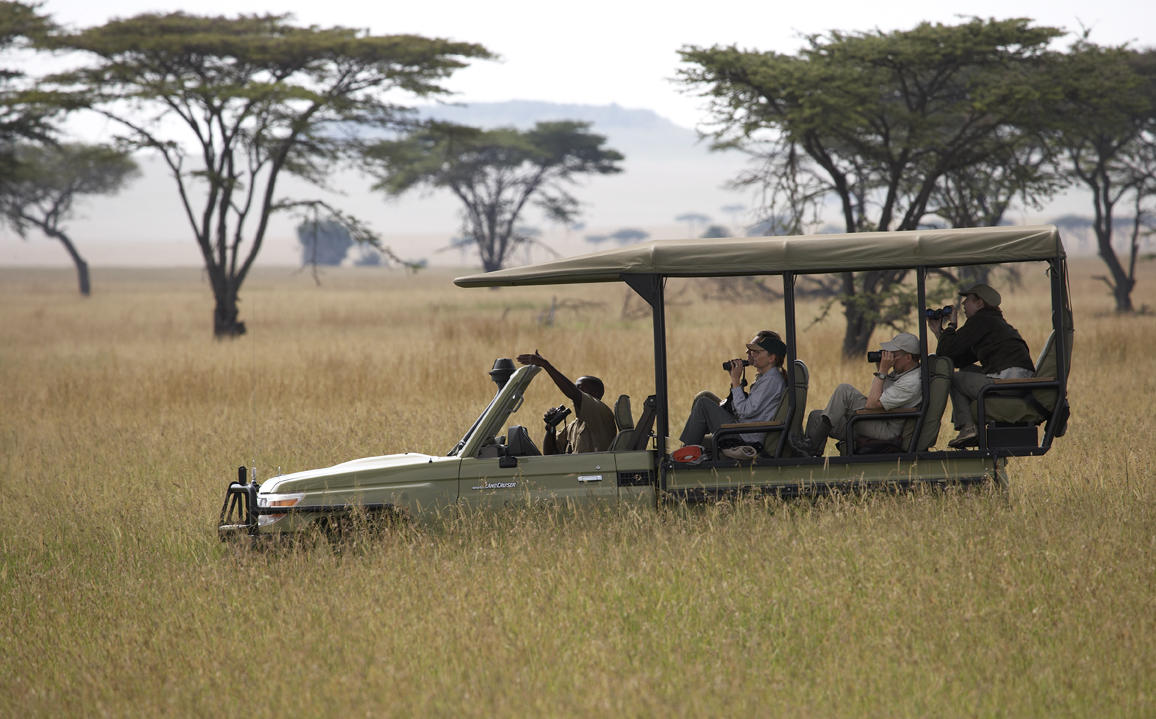
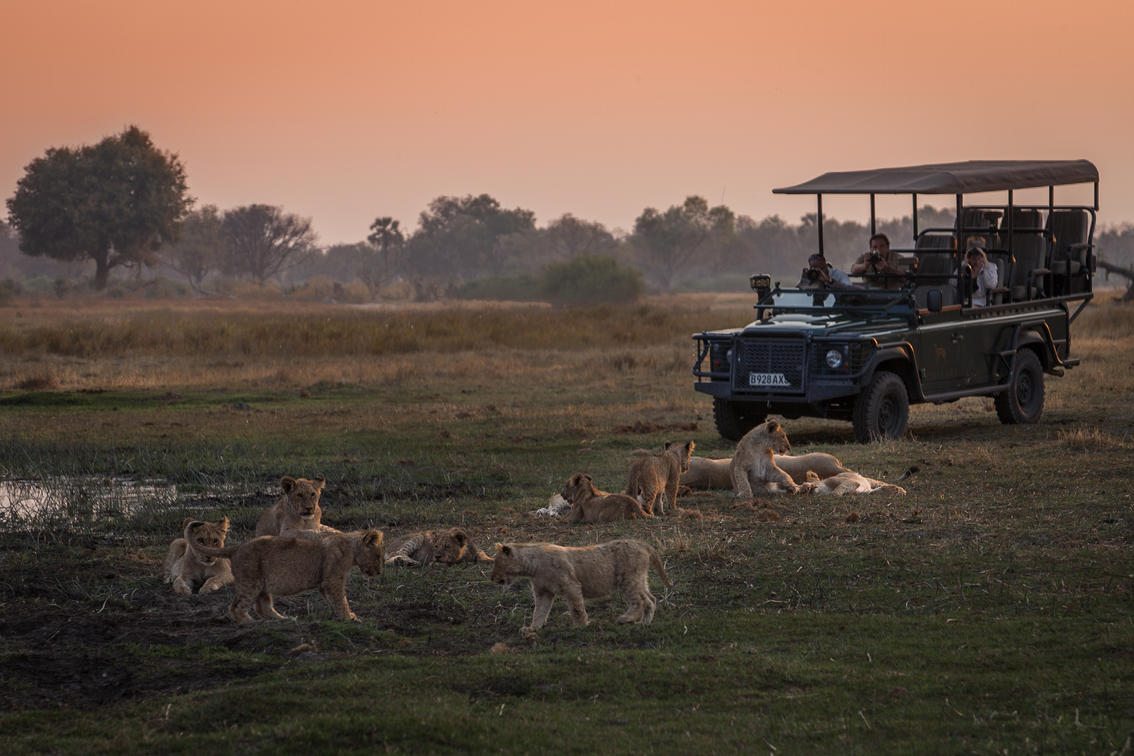
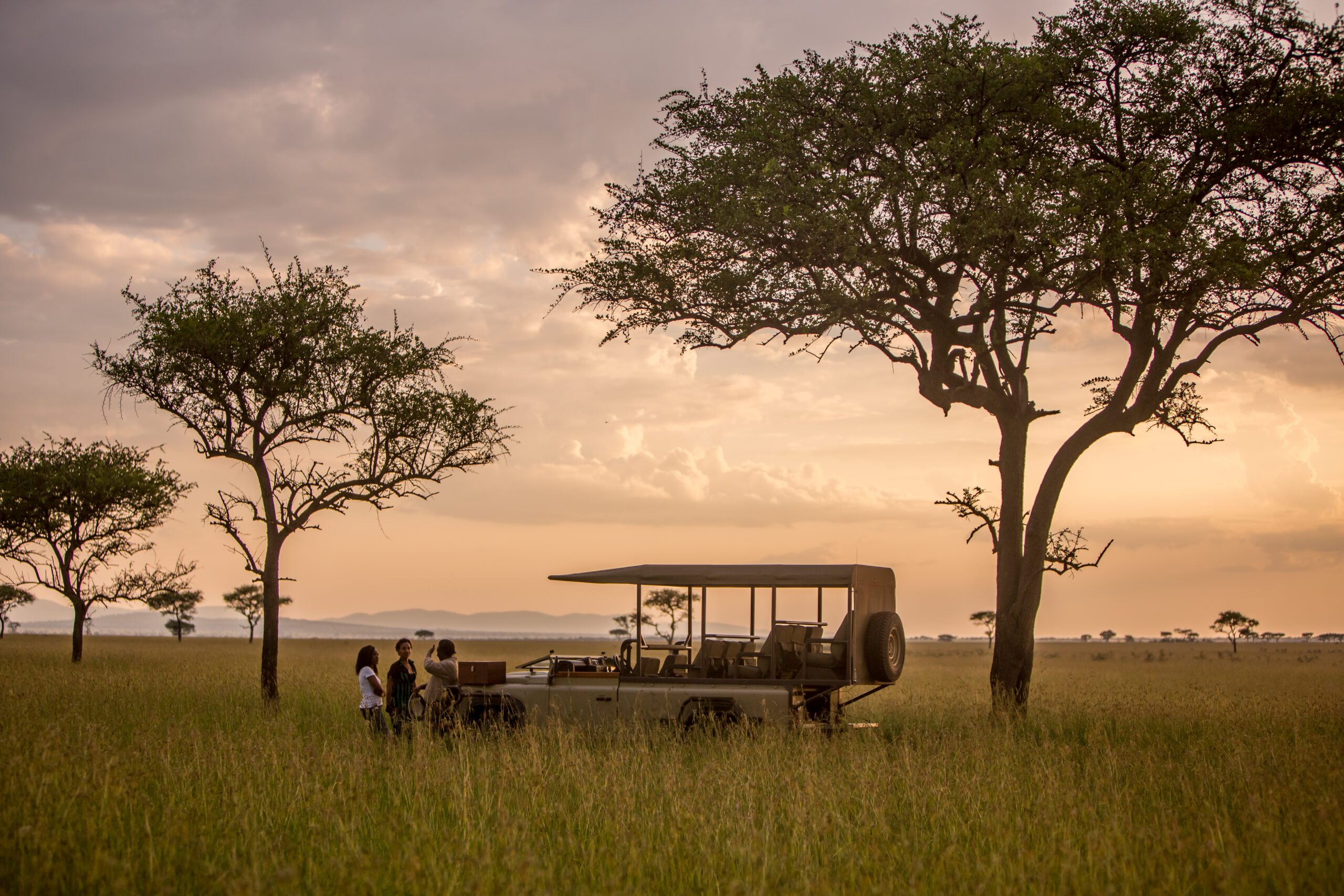
Morning and afternoon drives on both sides of the border, from the Mara's open plains to the Serengeti's greater scale.

A short light-aircraft hop between the two, usually the smoothest way to move from one country's leg of the trip to the other's.

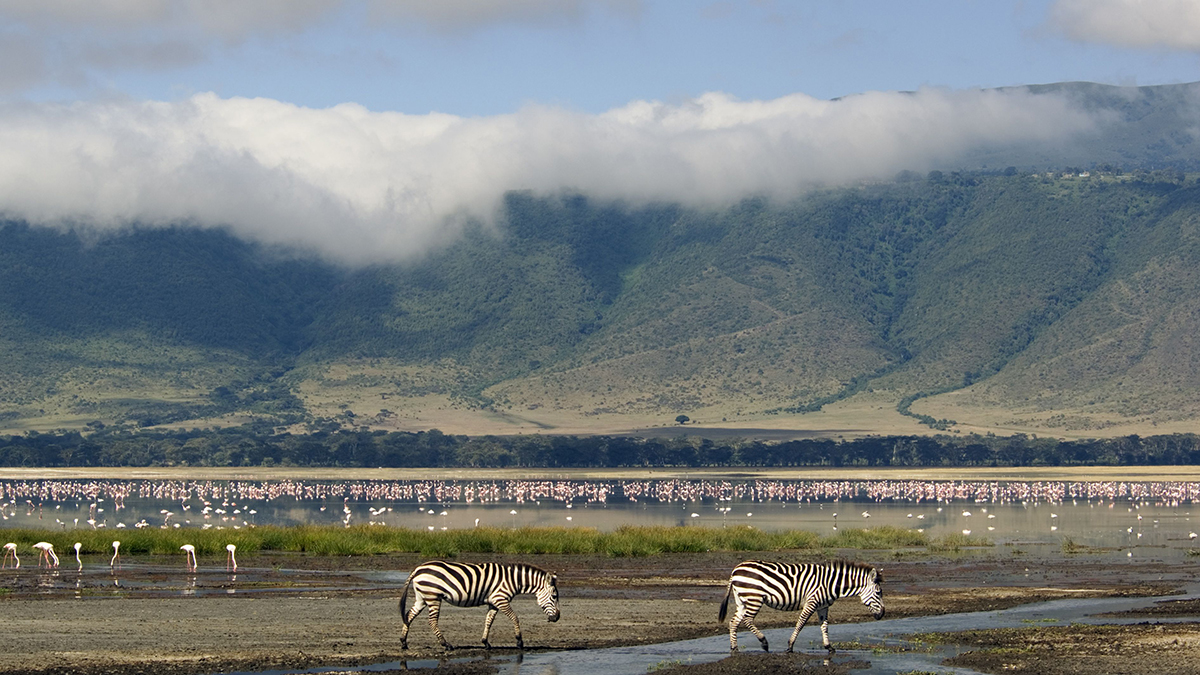
full day inside the Crater floor, one of the highest concentrations of wildlife anywhere in East Africa, contained in a single volcanic bowl.

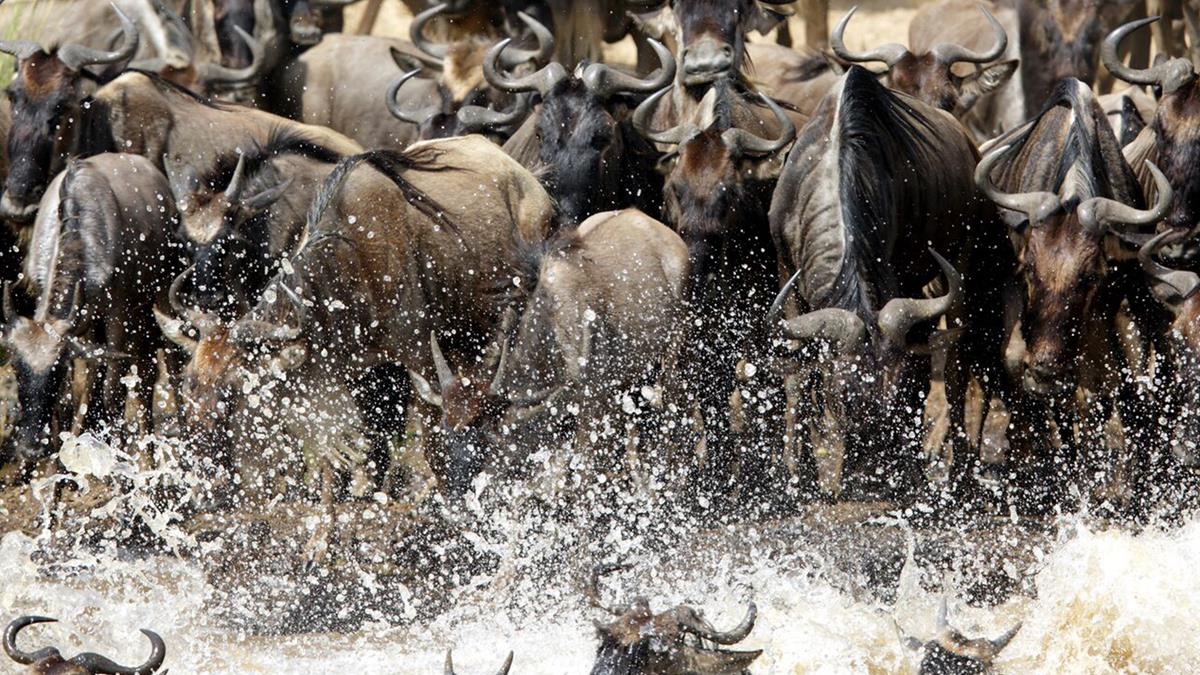
Depending on your dates, timing the route to catch the herds in the Mara, the Serengeti, or the Ndutu calving grounds.

Zanzibar sits within easy reach at the end of a Tanzania leg, a genuine option for travellers who want beach time after the plains.
The landscapes a Kenya and Tanzania itinerary typically moves through, spanning both countries.

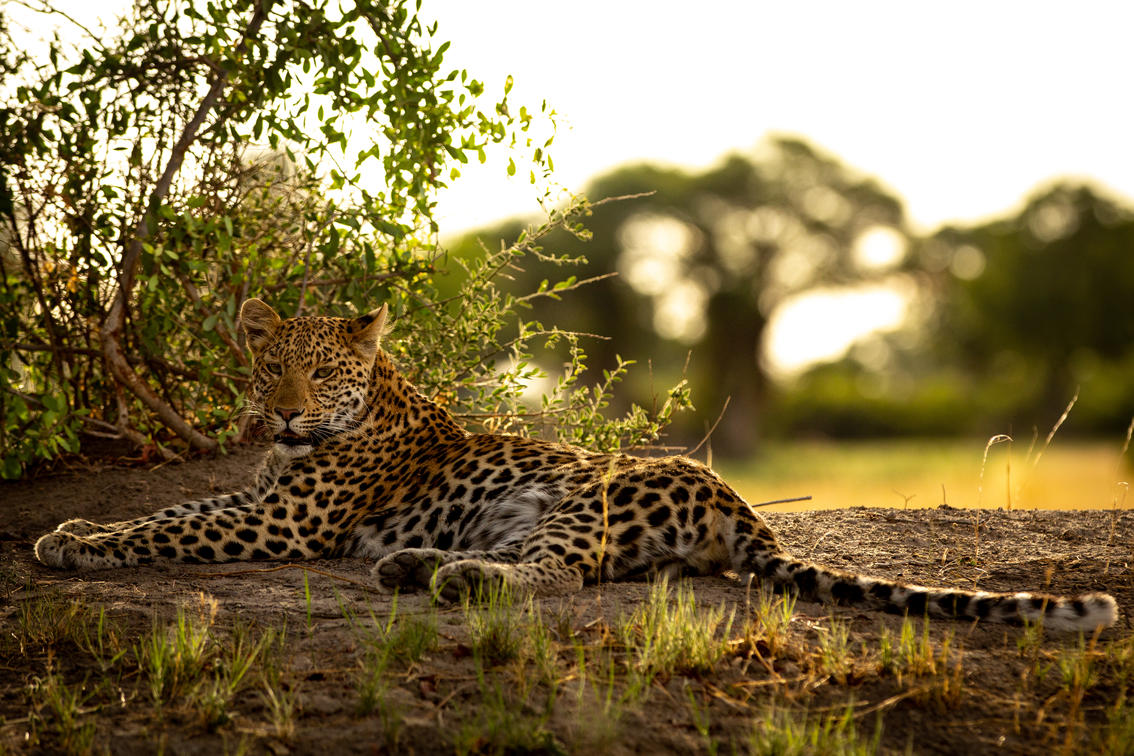
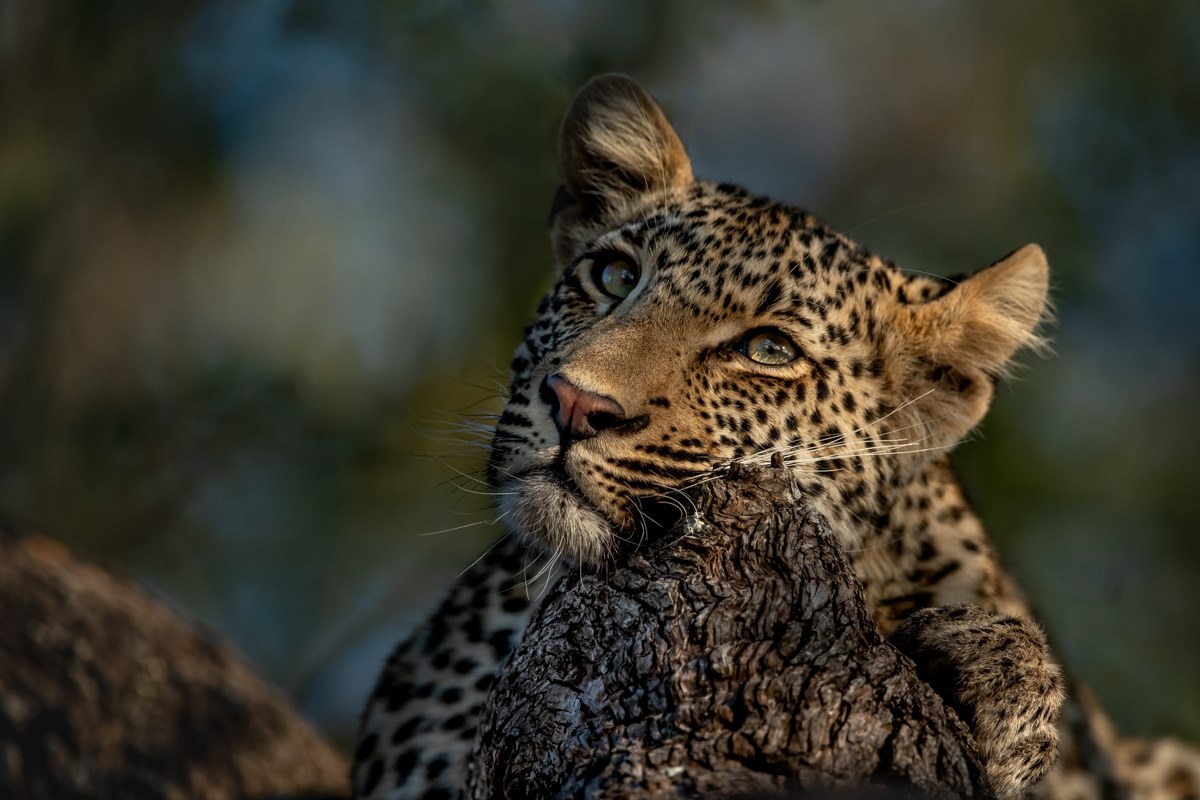
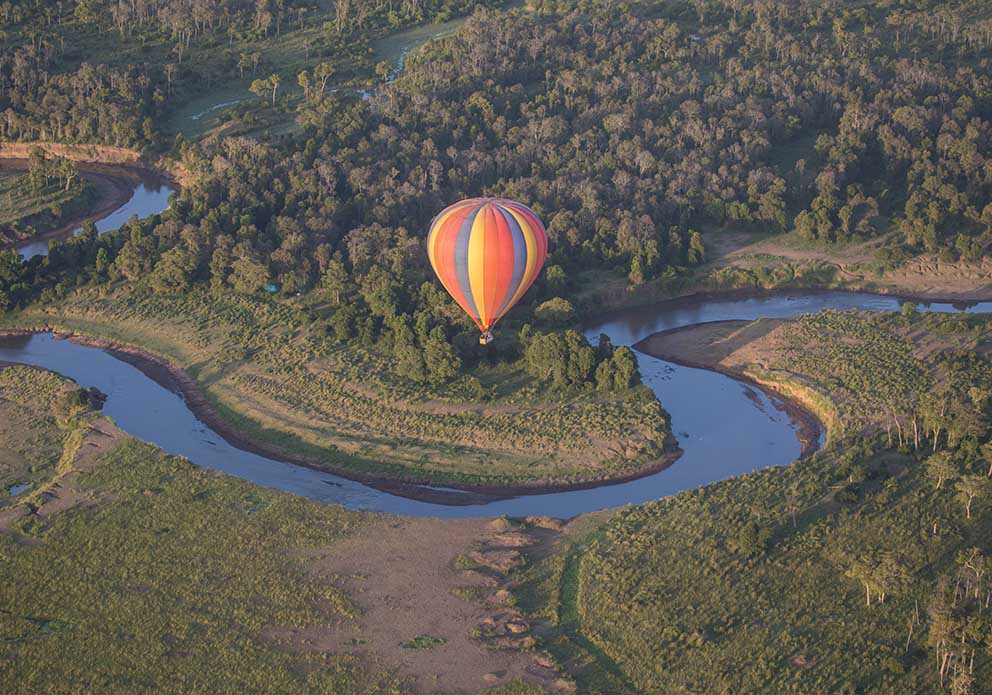
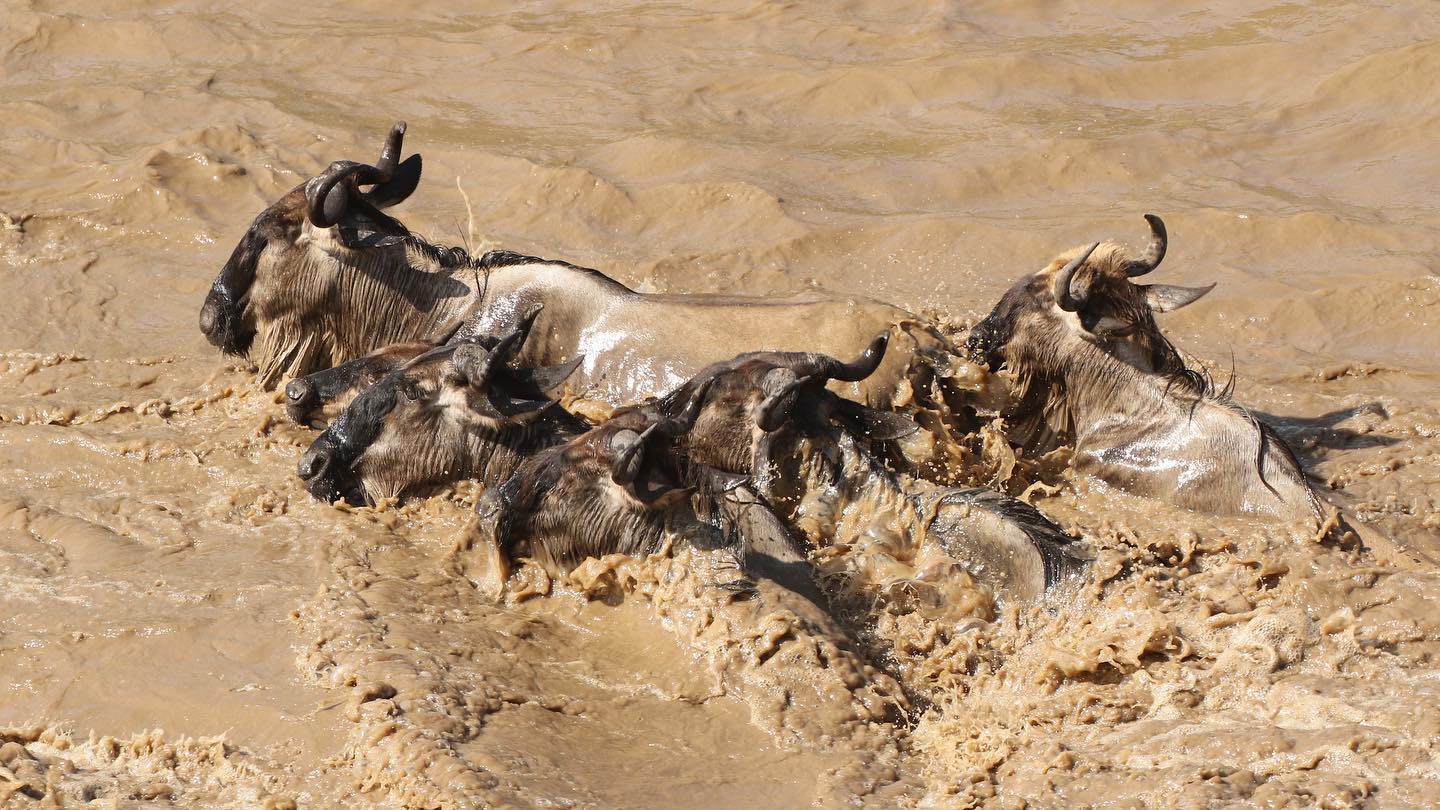
Kenya's side of the ecosystem: resident wildlife, big cats, the Mara River crossings

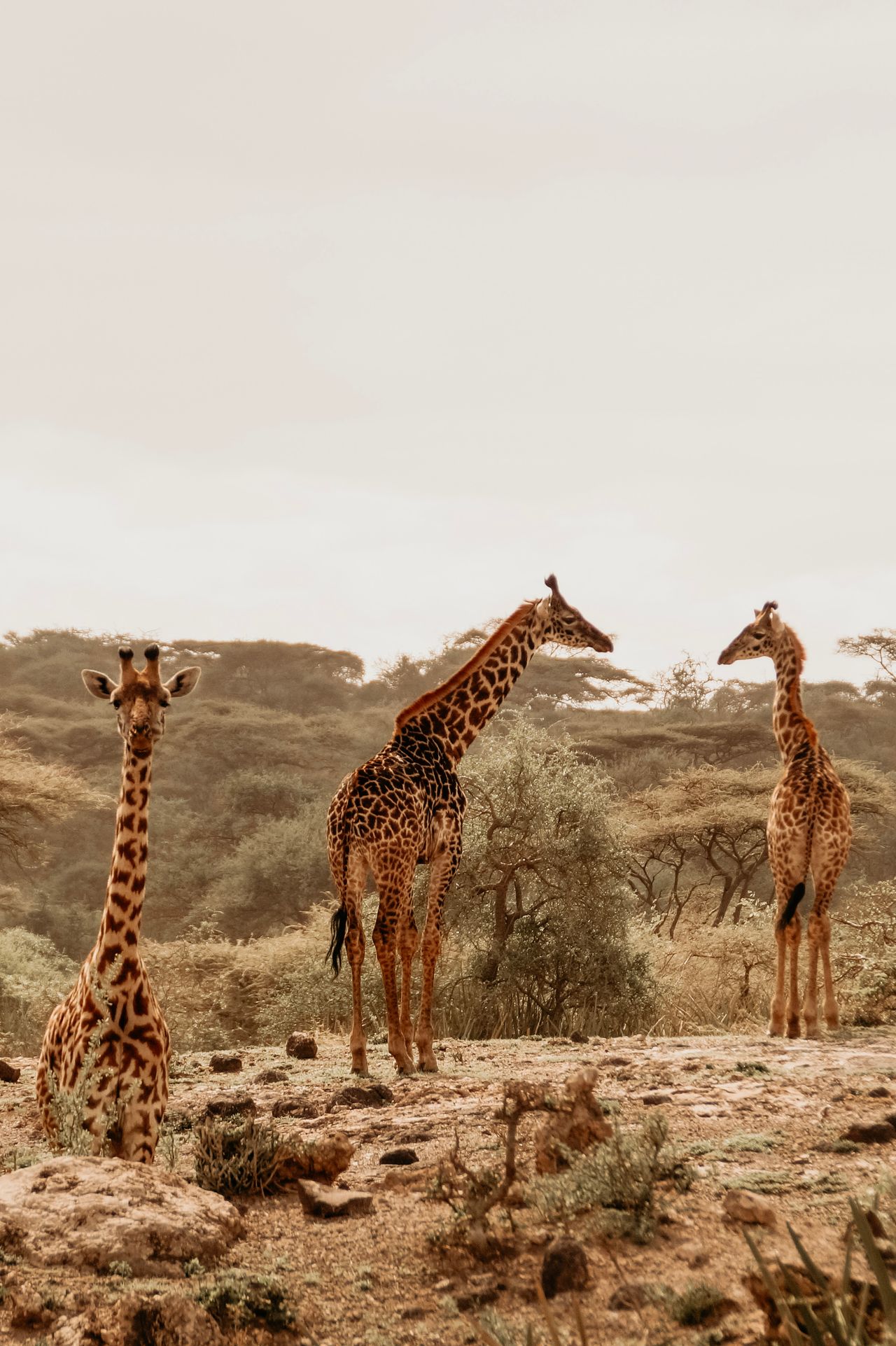
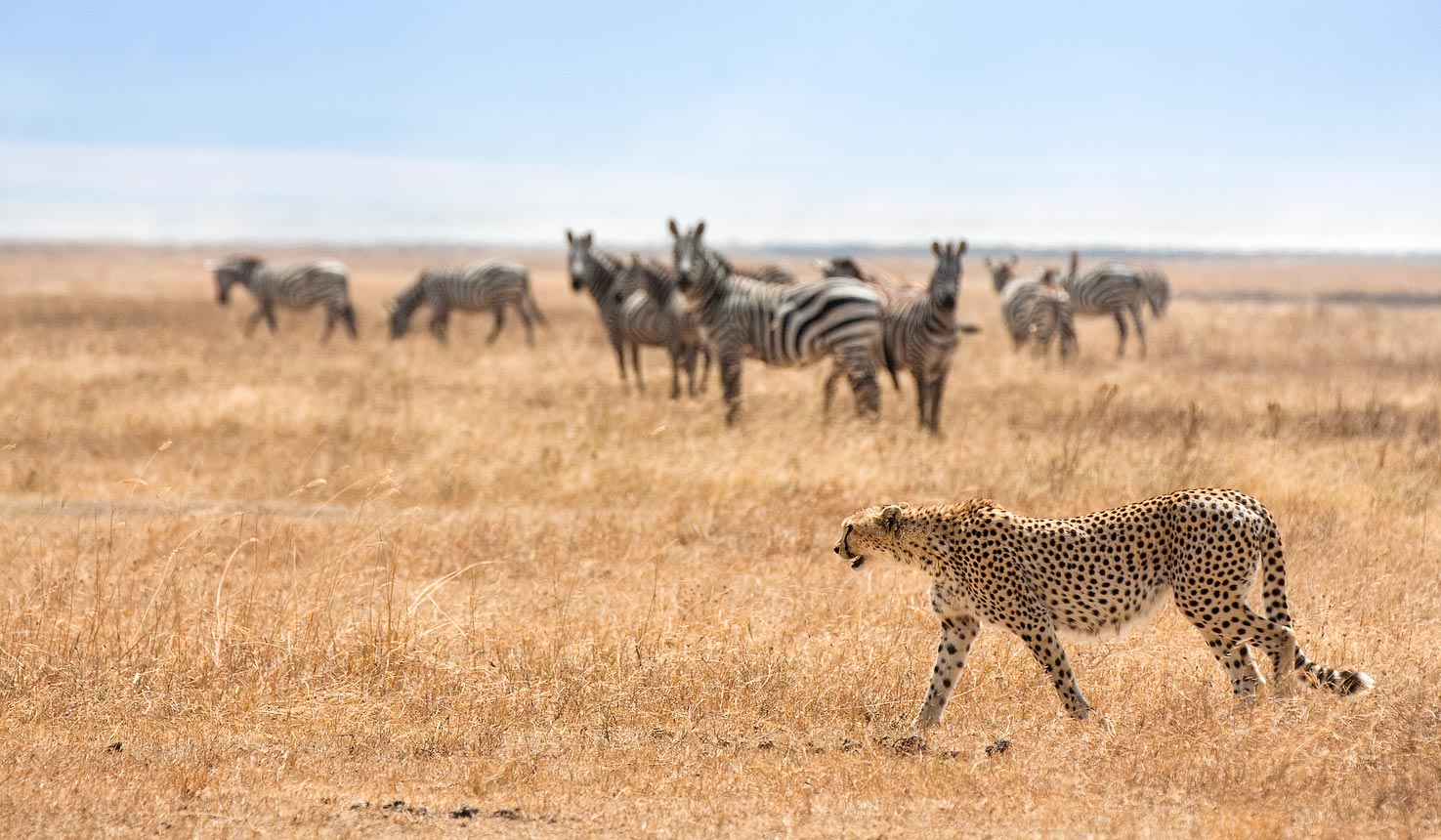
Tanzania's side: sheer scale, the migration's longest stretch of the year

A single contained bowl with an exceptional density of wildlife

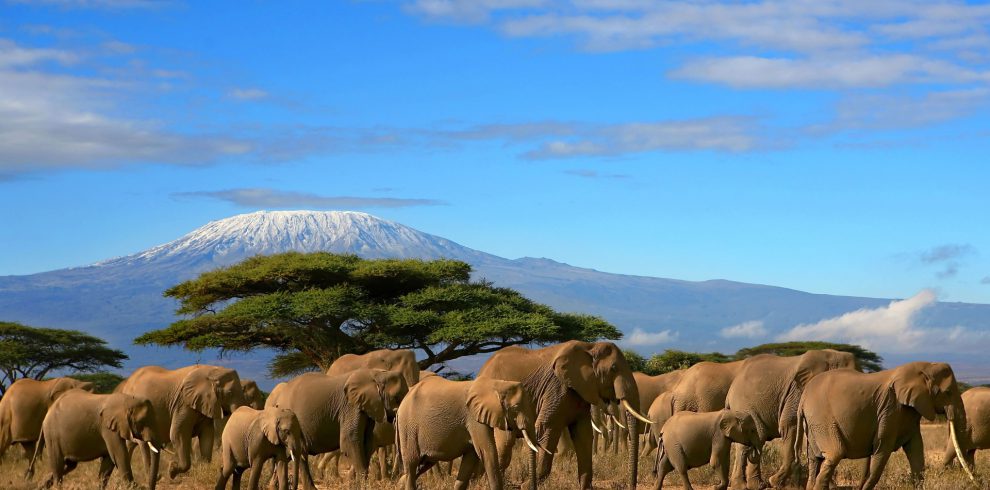
Elephants, with Kilimanjaro as the backdrop
Best months

Ten days is a realistic minimum for a combined trip that doesn’t feel rushed, with two or three nights on each side of the border plus travel days. Twelve to fourteen days gives you real room to add Ngorongoro and a coastal finish in Zanzibar without cutting anything short.
Almost all our combined itineraries use a short light-aircraft hop between a Mara airstrip and the Serengeti, rather than the long overland route through the Isebania-Sirari border post, which can take the better part of a day by road. We handle the flight booking and timing as part of the itinerary.
Yes. Kenya and Tanzania each require their own entry document, Kenya’s eTA and Tanzania’s eVisa, and there’s no single visa that covers both. The East Africa Tourist Visa only covers Kenya, Uganda and Rwanda, not Tanzania. Our full Kenya and Tanzania Visas guide walks through both applications, costs and the one yellow fever certificate detail that specifically catches combined travellers out.
It costs more in total than a shorter single-country trip simply because it’s more days and includes an internal flight, but it isn’t a premium add-on on top of either country’s normal rates. We’ll build the cost breakdown into your itinerary so you can see exactly where it goes.
It depends on timing. From July to October, weighting toward Kenya puts you where the Mara River crossings are happening. From December to March, weighting toward Tanzania puts you on the Ndutu plains for calving season. We’ll match the split to your actual travel dates rather than a default 50/50.
A few questions, then a specialist follows up with real options, no fixed packages, no pressure.
Start planning