7 days across three of Tanzania's most distinct landscapes, open calving plains, the Serengeti's resident big cats, and a collapsed volcano holding one of Africa's densest concentrations of wildlife.
The parts of this particular route past travellers mention most
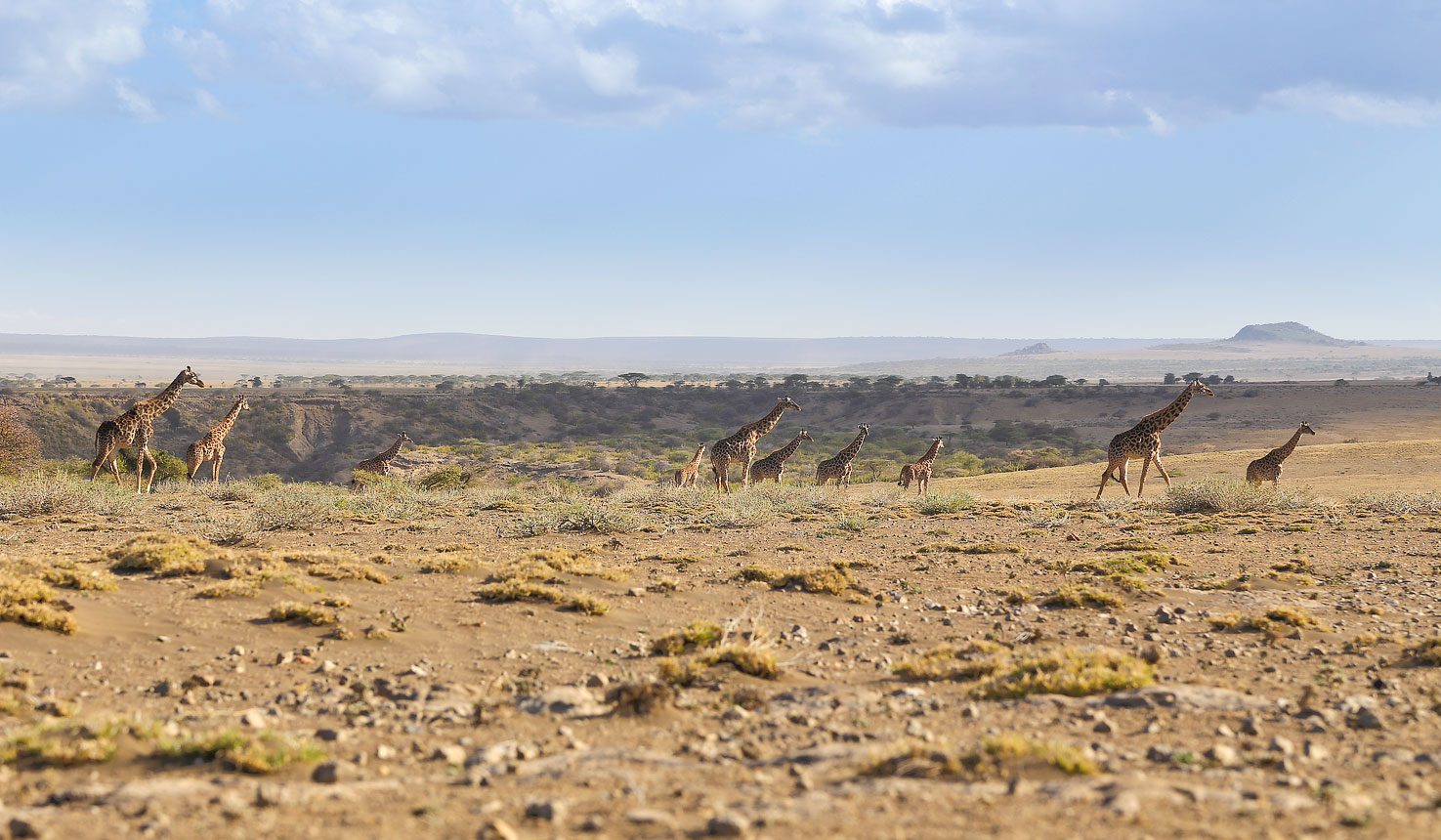
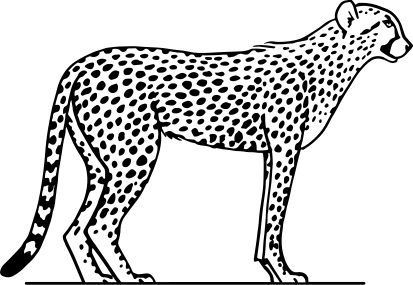
Short, exposed grassland gives cheetah in particular the sightlines and speed they need to hunt in full view, with almost nothing to obstruct a sighting.
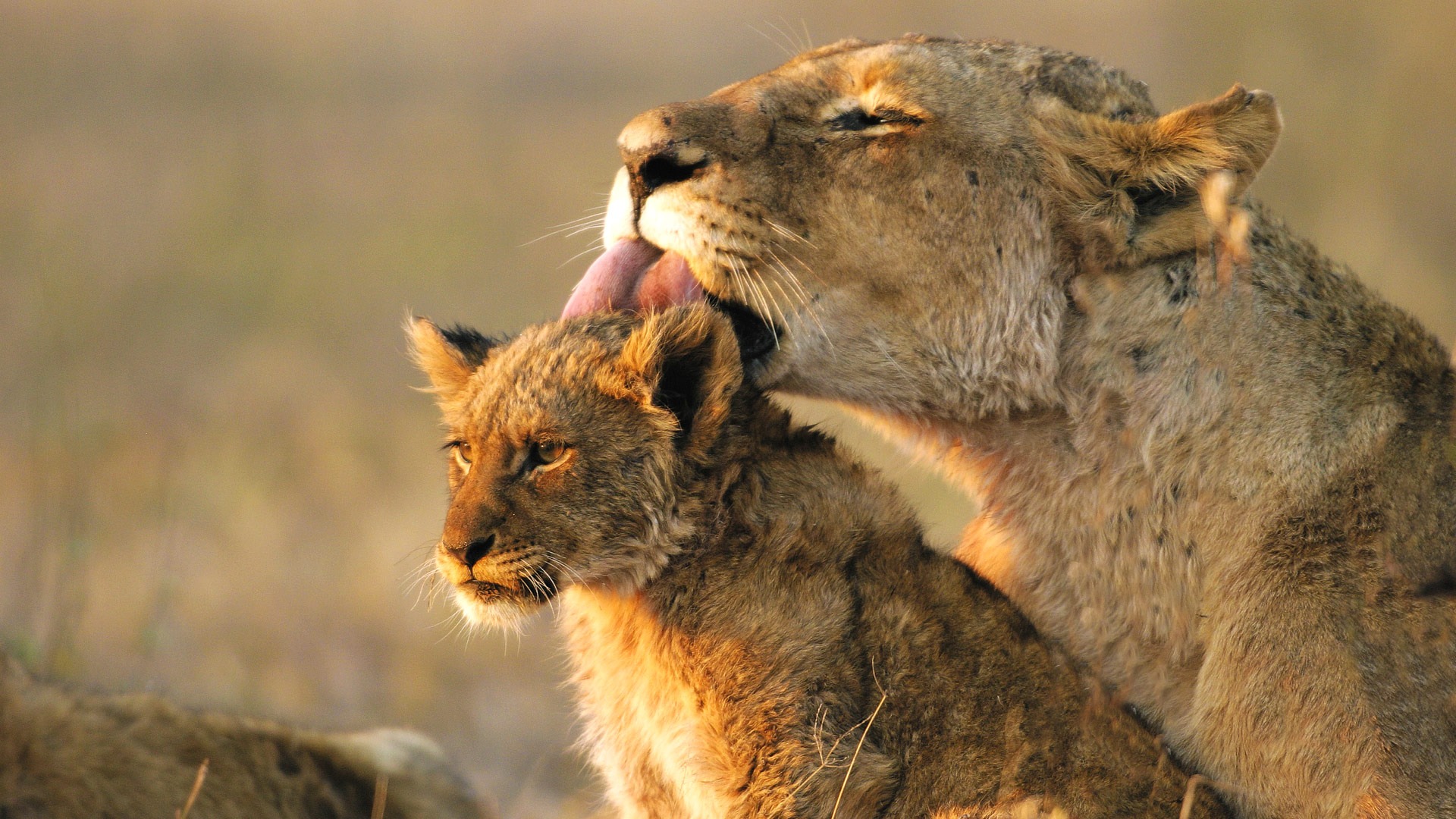
Seronera's prides have been studied continuously since the 1960s, the longest-running lion research project in the world, and sightings here hold up in any month.
Ancient rock islands rising out of grass that runs to every horizon, the scenery every other safari destination is quietly measured against.
A stop at one of the most important paleoanthropology sites on Earth, on the road between the Serengeti and Ngorongoro.
Waking to a view down into the crater floor before the descent, one of the most striking mornings this circuit offers.
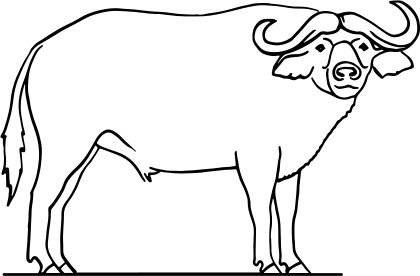
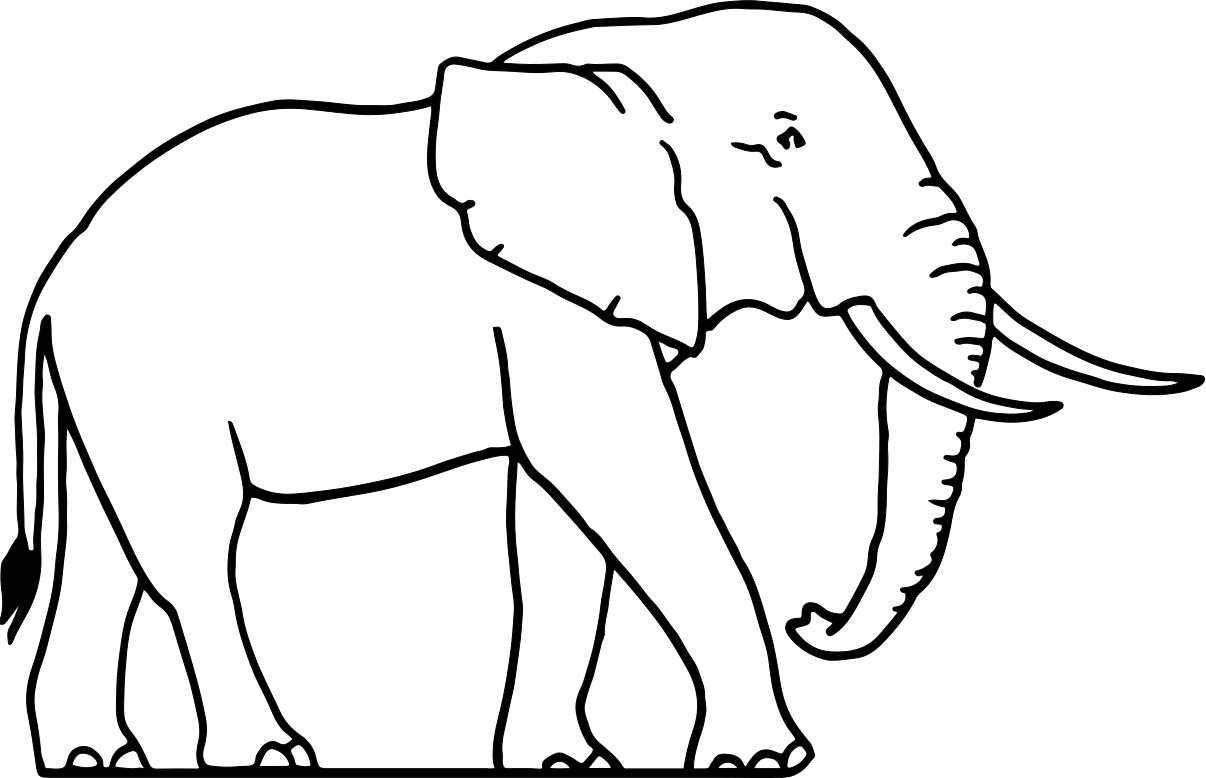
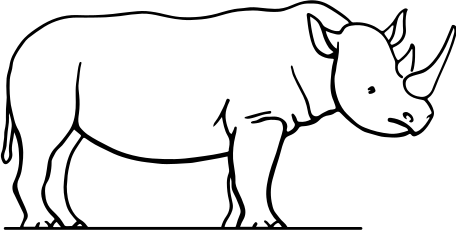
The Ngorongoro Crater's enclosed floor holds resident lion, elephant, buffalo and black rhino in a single, walkable-scale landscape, closing the trip on its most dramatic note.
A starting shape: pace, order and length of each stage are all adjustable.
The road climbs first, up through Karatu's coffee farms and into the Ngorongoro highlands, before descending the far side onto the open, short-grass country beyond it. The landscape changes fast here, forest giving way to flat grassland running to every horizon, and resident wildlife is often visible from the vehicle window well before the plains fully open up.
Arrival at Ndutu is timed for lunch, and the first game drive sets out into terrain that gives some of the best predator visibility on the continent, ground this open and exposed leaves cheetah and lion very little to hide behind. Dinner and the first night are spent at camp, well inside the plains rather than on their edge.
A tented camp on the Ndutu plains · Three nights here, positioned inside the plains themselves.
Two days here means two very different rhythms, mornings when the light is soft and predators are typically most active, and afternoons when the plains take on the particular gold colour that has made this specific corner of the ecosystem well known among wildlife photographers. Your guide reads the movement of resident herds and predators rather than following a fixed route, ground this open changes what's worth chasing from one drive to the next.
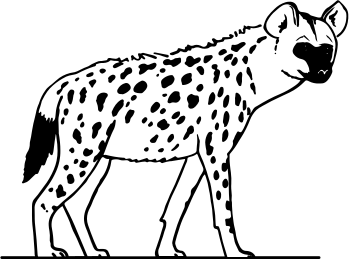
Depending on the season, this stretch of plain may also intersect with the wildebeest migration itself, worth asking your specialist what the herds are doing on your specific dates, though Ndutu's resident lion, cheetah and hyena population makes for compelling game viewing on its own terms regardless of where the migration happens to be. Both nights are spent at the same camp, so nothing about these two days feels like a series of transfers.
A tented camp on the Ndutu plains · Second and third nights at the same camp.
The drive north from Ndutu trades open, short-grass plains for a mix of woodland and riverine forest as it approaches Seronera, central Serengeti's most reliable game-viewing sector year round. The change in terrain is noticeable almost immediately, granite kopjes begin rising out of the grass like islands, the specific landscape feature that first gave this whole region its reputation.
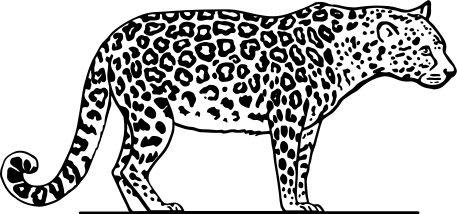
Arrival is timed for lunch, and the afternoon's first game drive moves through ground that holds resident lion and leopard in numbers that rival anywhere on the continent, a genuinely different wildlife rhythm from the open plains just left behind. Dinner and the night are spent at camp beside the Seronera River.
A tented camp beside the Seronera River · Two nights here, in the park's most reliable game-viewing sector.
The day begins early, while Seronera's resident prides are typically at their most active. The morning drive moves through open plain and past the kopjes themselves, ancient granite rising out of grass that runs unbroken to the horizon, exactly the scenery that first defined the word safari for travellers a century ago.
After a midday rest at camp, the afternoon drive follows the Seronera River's riverine forest, the specific habitat that makes this one of the most reliable places in Africa to find leopard resting in the trees along its banks. The day closes back at camp, one last night in the Serengeti before the road turns toward Ngorongoro.
A tented camp beside the Seronera River · Second night at the same camp
The drive out of the Serengeti retraces much of the route in, back across the plains and up into the highlands, but with one significant stop along the way, Olduvai Gorge, one of the most important paleoanthropology sites on Earth, where fossil discoveries reshaped scientific understanding of early human evolution. A short visit here adds a genuinely different kind of morning to a week otherwise built around wildlife.
The road continues up onto the Ngorongoro Conservation Area's rim, arriving at a lodge perched on its edge with a direct view down into the crater floor below, tomorrow's destination laid out below tonight's dinner table. There is no game drive scheduled for this day, the drive and the Olduvai stop fill it, but the view alone is one of the most striking on the entire circuit.
A lodge on the Ngorongoro Crater rim · One night here, with sweeping views down into the crater floor
An early departure from the rim covers the descent road onto the crater floor itself, a collapsed volcanic caldera holding one of Africa's densest, most reliably resident wildlife populations, visible on a single morning drive rather than something that needs migration timing. Lion, elephant, buffalo and black rhino are all a normal part of a morning on the crater floor, alongside wildebeest and zebra that live here year round rather than migrating through, a fittingly dramatic final game drive to close the week.
The ascent back up the rim road is followed by the drive to Arusha, retracing the route back down through Karatu, arrival timed for the mid to late afternoon in time for an onward flight or a connecting night in Arusha.
Based on past travellers' sightings across this specific circuit, combining the Ndutu plains, central Serengeti and a full morning inside the Ngorongoro Crater.
Fees paid across this route fund Tanzania National Parks (TANAPA) in the Serengeti and the Ngorongoro Conservation Area Authority in the crater, supporting ranger operations, rhino monitoring, and the protection of Olduvai Gorge's fossil record alongside the wildlife itself.
Entry fees on this route support both TANAPA's operations in the Serengeti and the Ngorongoro Conservation Area Authority's ranger patrols and rhino monitoring on the crater floor.
Seronera's lion prides have been studied continuously since the 1960s, and tourism revenue helps sustain the protection that makes that research possible.
The Ngorongoro Conservation Area has allowed Maasai communities to live and graze cattle alongside the wildlife since 1959, a deliberate, long-standing alternative to excluding people from conservation land entirely.
Olduvai Gorge, visited on the road between the Serengeti and Ngorongoro, is protected as carefully as the wildlife around it, one of the most important fossil records of early human evolution anywhere on Earth.
This seven-day circuit is a starting point, not a fixed plan. Add a night to any single stage, swap the order the stages are visited in, or extend the trip with a beach finish in Zanzibar, your specialist will work from here.
With the route as a starting point, your specialist will adjust the pace, camps and add-ons until the itinerary feels like yours.
Start planning this safari
Ol Pejeta, Lake Naivasha, the Maasai Mara, Serengeti and Ngorongoro Crater on a 10-day family safari…
Tarangire's elephants, Manyara's tree-climbing lions, the Serengeti and Ngorongoro Crater, in one private 7-day Tanzania family…
A 9-day Tanzania journey through Tarangire's elephant herds, the Ngorongoro Crater, and two full days in…
Seven days gives real time in each landscape rather than a rushed overnight in every one, three nights on the Ndutu plains, two in central Serengeti, and one on the Ngorongoro Crater rim before a final morning on the crater floor.
It depends on timing, the migration’s position shifts year to year with the rains, and both the Ndutu and Serengeti stages may or may not intersect with it on your specific dates. What is reliable regardless of season is resident lion, leopard and cheetah across both stages, and the crater floor’s own year-round wildlife.
Yes, three times, a tented camp on the Ndutu plains, another beside the Seronera River, and a lodge on the Ngorongoro Crater rim, each placed for the specific landscape it’s part of rather than one central base for the whole week.
Yes, this route combines naturally with a flight onward to Zanzibar once the Ngorongoro stage concludes, worth discussing with your specialist when planning dates.
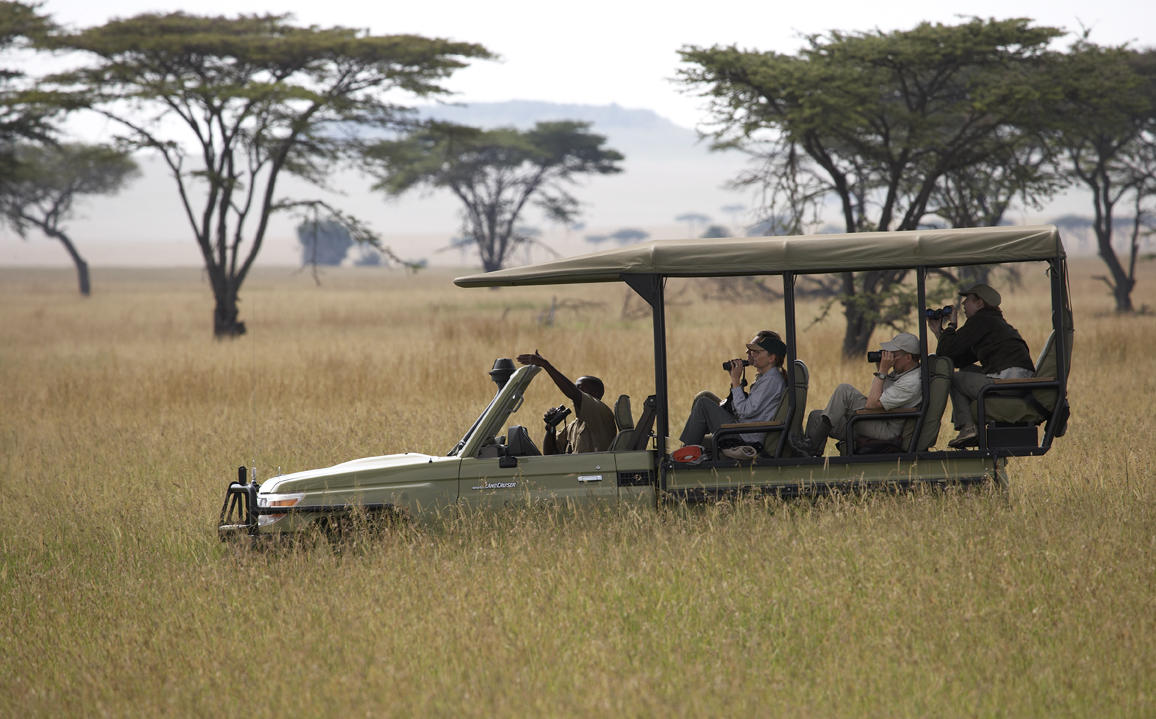
Every itinerary on this route is built around a private vehicle and guide by default, no shared seats or fixed group schedule, which matters here especially given how much ground is covered across the three stages.
Tell us your dates and we'll confirm whether the timing works, then adjust the route from there.
Start planning this trip