Two days built around a single, collapsed volcano holding one of Africa's densest concentrations of resident wildlife.
This itinerary offers a refreshing twist: a concise, focused adventure over just two days, departing from Arusha and returning.
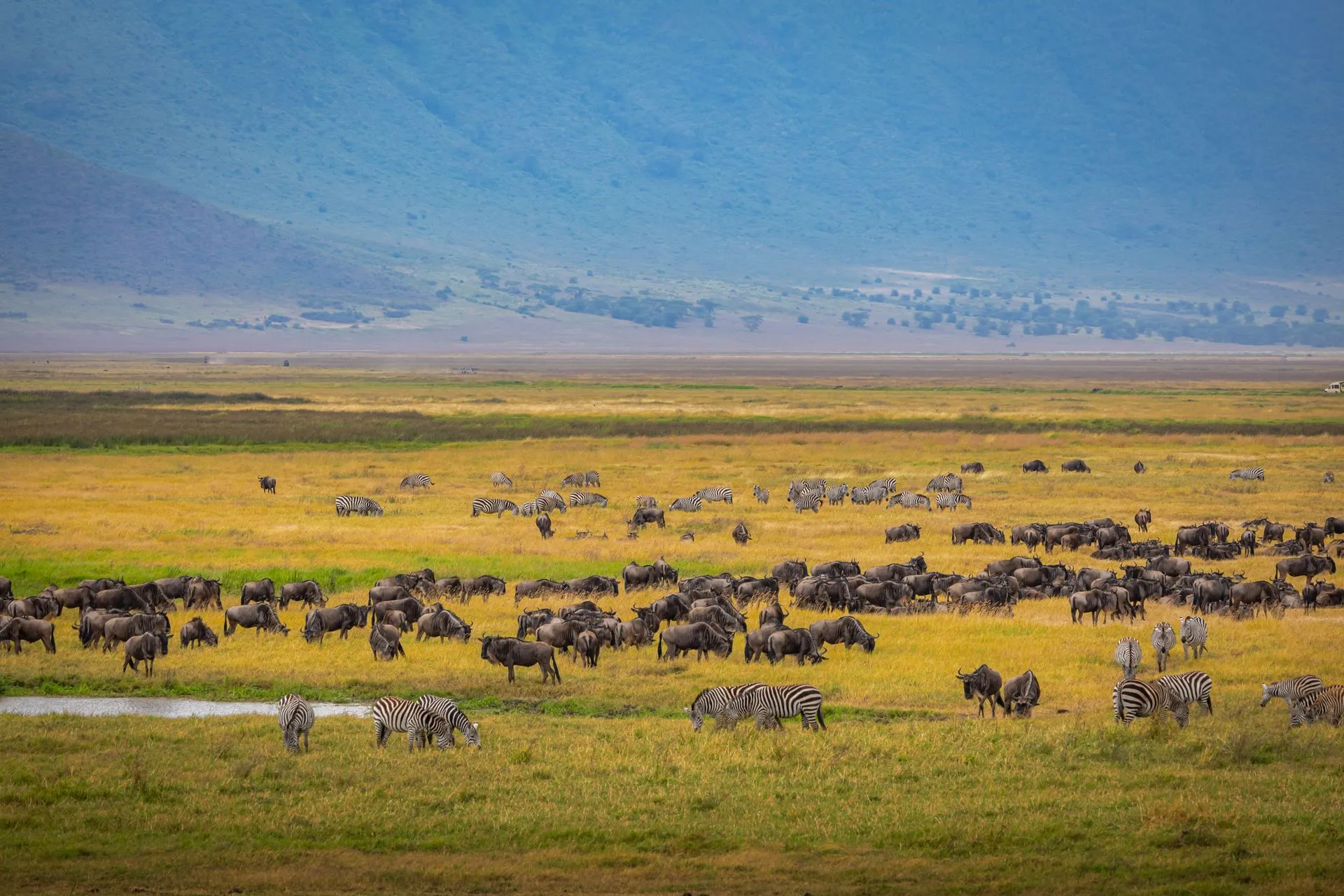
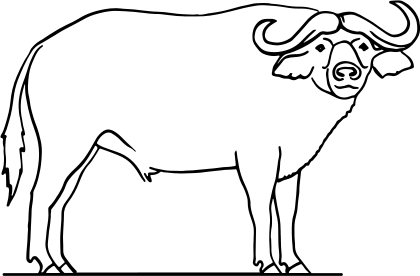
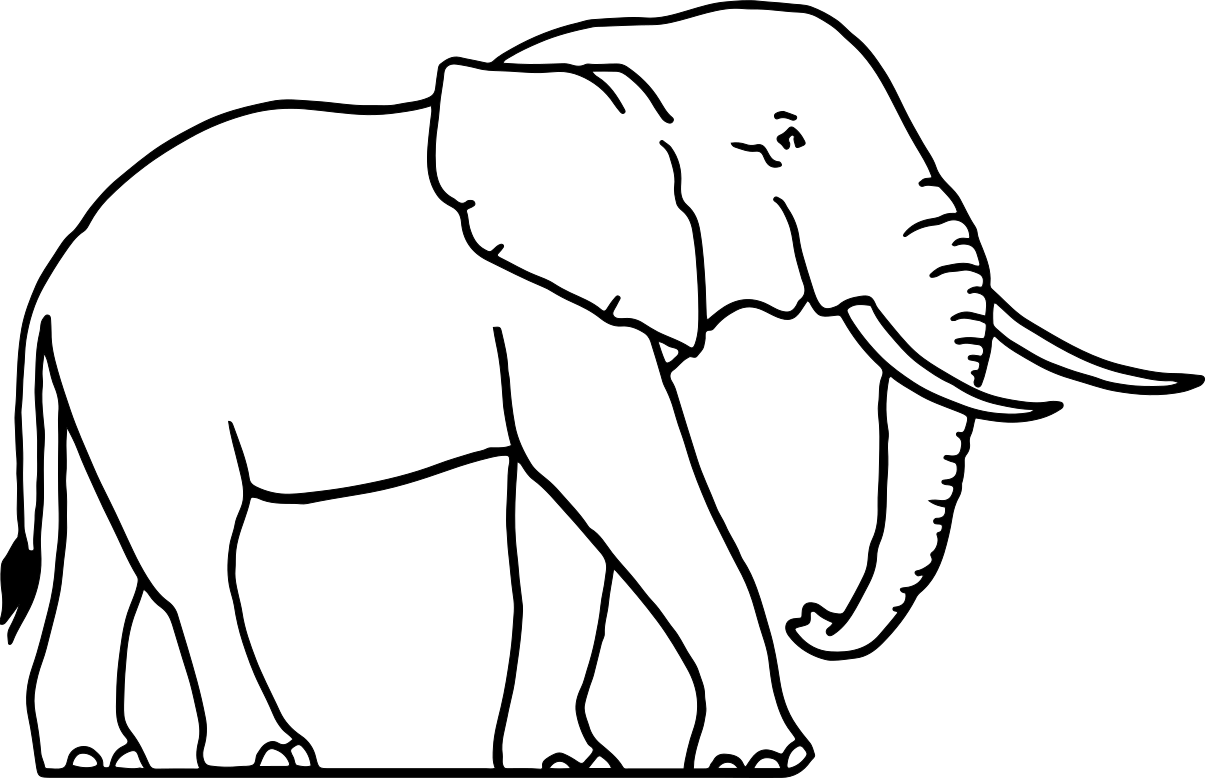
When it comes to safari itineraries, most travellers are advised to set aside a week or more. The reason? Wildlife in Africa is constantly on the move, and following their journeys takes time. However, the Ngorongoro Crater stands out as a remarkable exception. Imagine a colossal volcanic caldera, spanning twenty kilometres across, teeming with a surprisingly dense and predominantly resident population of wildlife. Here, you can spot majestic lions, colossal elephants, formidable buffalo, herds of wildebeest, and the elusive black rhino (the rarest of the Big Five) all within the confines of this breathtaking landscape.
It perfectly caters to those whose travel schedules may not allow for a full circuit of Tanzania, yet who yearn for a genuine, unhurried encounter with one of Africa’s most reliable game drives. You’ll embark on two separate expeditions into the crater, with one game drive on the afternoon of your arrival and another at sunrise the next day. This approach allows you to explore more terrain in various lighting conditions, far richer than cramming it all into a single, long day.
What sets Ngorongoro apart isn’t just its incredible wildlife; it’s also the unique conservation framework that underpins the area. Unlike traditional fenced national parks, Ngorongoro is a Conservation Area, where vibrant Maasai communities coexist with wildlife, graze their cattle, and maintain a harmonious relationship with the land—a remarkable arrangement that has thrived since 1959. The rich history and cultural tapestry of this landscape make it not only a destination for animal lovers but a place to experience the heartbeat of a living, breathing ecosystem that’s truly worth visiting.
What two days on this specific crater floor consistently deliver, in the words of past travellers.
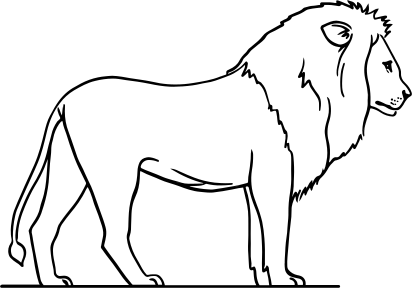
Up to 100 lion are estimated to live on the crater floor itself, one of the most reliably dense concentrations anywhere on the continent.
Twenty kilometres across and six hundred metres deep, the crater holds its resident wildlife inside a single, self-contained floor, nothing here has to migrate to survive the year.
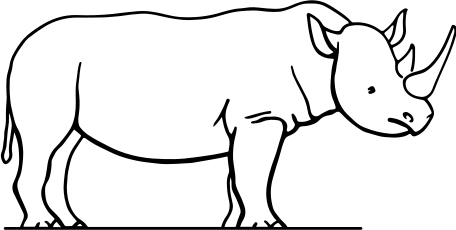
Poaching once cut this population to under twenty animals. Today's crater floor group, recovering steadily, is the largest single group left in Tanzania.
An afternoon descent on arrival and a full morning session the next day, different light, different corners of the crater, from a single night's stay.
A starting shape: pace, order and length of each stage are all adjustable.
The drive out of Arusha climbs steadily into the highlands, tarmac giving way to the coffee farms around Karatu before the road reaches the Conservation Area's Lodoare Gate, roughly three hours in total. The landscape changes as it climbs, cultivated hillsides giving way to highland forest, and the first glimpse down into the crater itself, twenty kilometres across and framed by its own far wall, tends to be the moment the rest of the trip clicks into focus.
Rather than waiting until the following morning, this itinerary descends the same afternoon, down one of the crater's steep access roads and onto a floor that holds one of the densest resident wildlife populations left on the continent. Lion, elephant and buffalo are a normal part of an afternoon here, and black rhino a genuine, if less certain, possibility. The ascent back to the rim is timed for dusk, with dinner served overlooking the crater as the light drops.
A lodge on the Ngorongoro Crater rim · One night here, with the crater floor visible below the dining room.
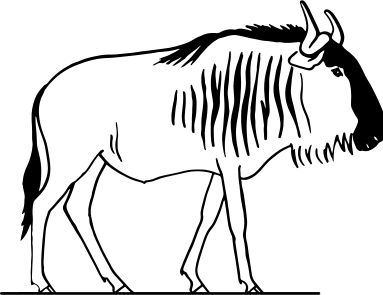
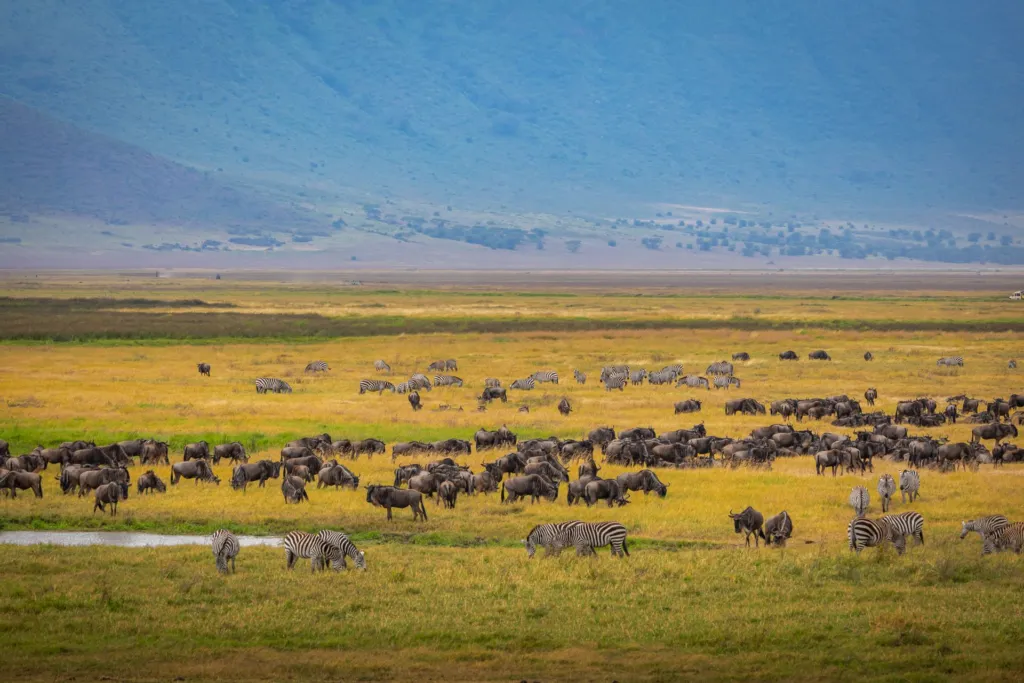
The second descent leaves early, while the crater floor's resident prides are typically at their most active, and covers different ground from the afternoon before, the Lerai Forest's old bull elephants along one edge, the open plains and their resident wildebeest and zebra herds across the middle, Lake Magadi's shallow, soda-white water and its wading birds along another. Lunch is taken at a picnic site beside a spring-fed pool on the crater floor itself, hippo included, before the final stretch of the morning's drive.
The ascent back up to the rim is timed for early afternoon, and from there the drive returns the way it came, back through Karatu and down out of the highlands to Arusha, arrival timed for the early evening. Two sessions, two different lights, on one of the most concentrated wildlife floors in Africa, closes out a short trip that earns its place on a tighter schedule.
What past travellers have consistently seen on the crater floor, Ngorongoro's resident wildlife doesn't migrate, so these odds hold steady whichever two days you visit.
One night on the Ngorongoro Crater rim, the shortest possible drive to the descent gate each morning.
Fees paid on this itinerary fund the Ngorongoro Conservation Area Authority directly, supporting ranger operations and rhino monitoring on a floor that holds one of Tanzania's last significant black rhino populations, alongside a working arrangement between wildlife and the Maasai communities who share this land.
Entry and service fees collected here go to the Ngorongoro Conservation Area Authority, funding ranger patrols and rhino monitoring across the Conservation Area, not just the crater floor.
The crater's rhino were reduced to under twenty animals by the mid-1980s. Today's group, larger and closely monitored, is the biggest single population remaining in Tanzania
The Ngorongoro Conservation Area has allowed Maasai communities to live and graze cattle alongside the wildlife since 1959, a long-standing alternative to excluding people from conservation land entirely.
Two days is a starting point, not a ceiling. Add a night on the rim for a third session on the floor, extend south to Ndutu or the Serengeti, or combine this with a Kenyan safari on the other side of the border, your specialist will work from here.
With the route as a starting point, your specialist will adjust the pace, camps and add-ons until the itinerary feels like yours
Start Planning Your Ngorongoro Safari
An 8 day Tanzania safari through Tarangire, the Serengeti and the Ngorongoro Crater, ending with a…
A 7 day Tanzania wildlife safari through Manyara, the Serengeti, the Ngorongoro Crater, Lake Eyasi and…
A 7 day Tanzania safari with two nights each in Tarangire, the Serengeti and at the…
Yes, for the crater itself. Two days gives you two separate sessions on the floor, one on arrival and one the following morning, which is enough time to cover the crater’s different corners without needing the longer stay a multi-park circuit would require.
No, this itinerary is built to stand on its own as a short, focused trip from Arusha and back. It also works well as an add-on to a longer Tanzania or Kenya circuit for travellers who want extra crater time without extending the whole trip.
Four of the five are a very reasonable expectation, lion, elephant, buffalo and black rhino are all genuinely present on the crater floor. Leopard is the exception, present but far less frequently seen than the other four.
No, it is a Conservation Area, a distinction that matters. Maasai communities live and graze cattle inside the boundary alongside the wildlife, a multiple land use model in place since 1959, unlike the fenced or exclusively wildlife-designated parks elsewhere in Tanzania and Kenya.
A hike down into a second, smaller crater in the Ngorongoro highlands, with a soda lake on its floor. It is a genuinely different experience from the main crater floor, quieter, on foot, and usually added as an extra half day rather than folded into the core two days.
Tell us your dates and we'll confirm whether the timing works, then adjust the route from there.
Start planning this trip