Three days across three distinct Northern Tanzania landscapes, Tarangire's baobab-studded elephant herds, a full day inside the Ngorongoro Crater, and Lake Manyara's famously tree-climbing lions on the way back to Arusha
Three parks, three days, elephants, a crater floor, and Lake Manyara’s tree-climbing lions.
This is one of Northern Tanzania’s classic combinations, three genuinely different landscapes, each with its own signature wildlife, covered in a single, efficient loop out of Arusha and back. It suits travellers with three days rather than ten, without asking them to give up variety for the sake of time.
Tarangire opens the trip, its river the only significant water for miles once the dry season sets in, and the reason this park holds some of the densest elephant herds in East Africa, moving in full family groups beneath baobab trees old enough to have stood for centuries. Ngorongoro follows, a full day inside a collapsed volcanic caldera holding one of the continent’s most reliably dense, resident wildlife populations on a single enclosed floor. Lake Manyara closes the loop on the way home, a groundwater forest, an alkaline lake, and a population of lions genuinely known for climbing into the branches of its acacia trees, a behaviour rarely seen with this consistency anywhere else in East Africa.
Three parks, three moods, one circuit, back in Arusha by the evening of the third day.
The parts of this particular route past travellers mention most
Riverine elephant country, a volcanic crater floor, and an alkaline lake beneath the Rift escarpment, each a genuinely different landscape rather than variations on the same theme.
Lion, elephant, buffalo and a genuine chance at black rhino, all on a single enclosed crater floor, no migration timing required.
Some of the densest elephant populations in East Africa, gathered along the Tarangire River beneath baobabs old enough to have stood since before the park existed.
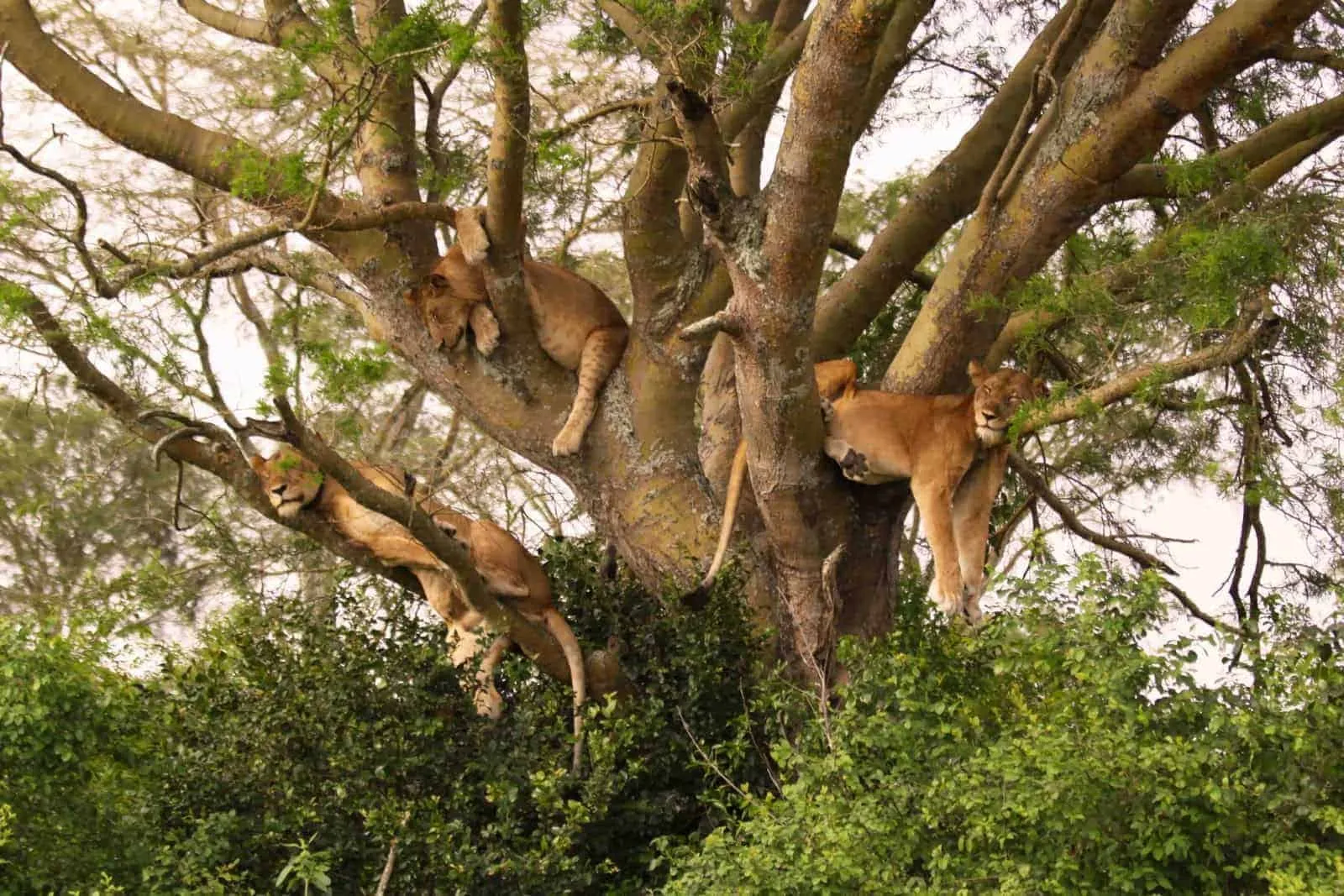
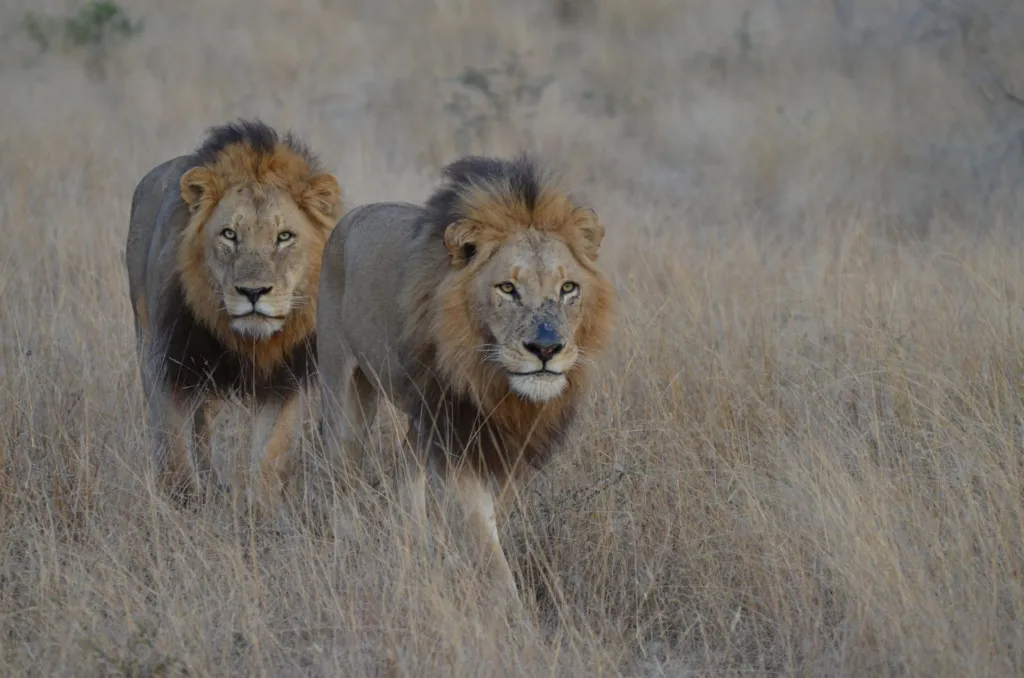
A behaviour documented here more consistently than almost anywhere else in East Africa, lion resting in the branches of the park's acacia trees.
A starting shape: pace, order and length of each stage are all adjustable.
The drive from Arusha to Tarangire is short and comfortable, a little over two hours, and the landscape announces itself early, ancient baobab trees standing alone across the plains. The game drive that follows tracks the Tarangire River itself, the only significant water for miles once the dry season sets in, and the reason this park holds some of the densest elephant herds in East Africa, large family groups moving along its banks in full view.
From Tarangire, the road turns west and climbs steadily into the Ngorongoro highlands, cultivated hillsides around Karatu giving way to highland forest as the route approaches the crater rim. It's a full day of driving and wildlife by the time the vehicle reaches the lodge, worth pacing with an easy lunch stop along the way, and the evening is spent at a lodge on the rim, with the crater visible below the dinner table.
A lodge on the Ngorongoro Crater rim · One night here, with the crater floor visible below the dining room.
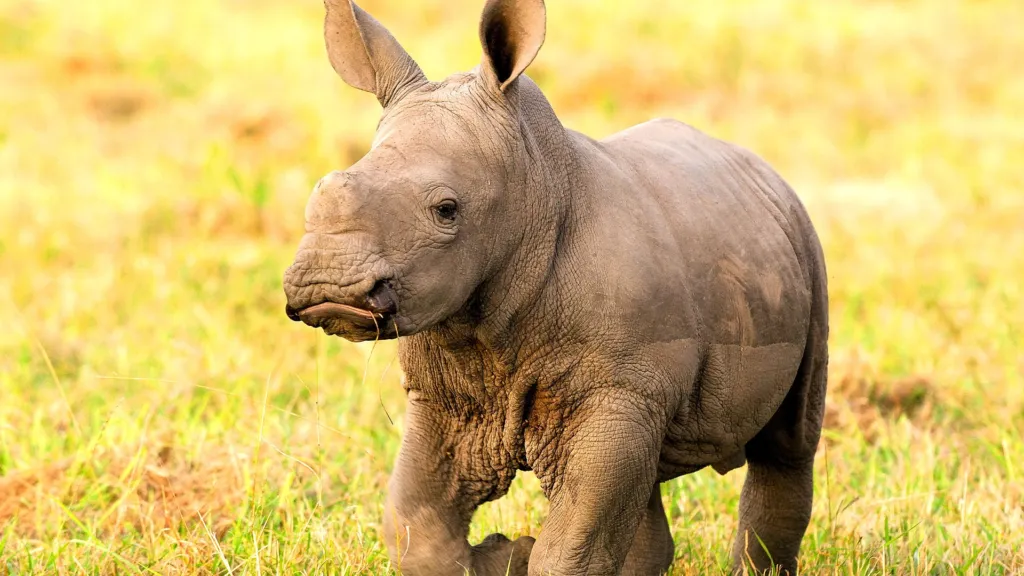
The descent onto the crater floor begins early, down one of its steep access roads and into a collapsed volcanic caldera twenty kilometres across, holding one of the most reliably dense, resident wildlife populations left on the continent. Lion, elephant and buffalo are a normal part of a morning here, and black rhino a genuine, if less certain, possibility, the crater's rhino population is among the largest single groups remaining in Tanzania.
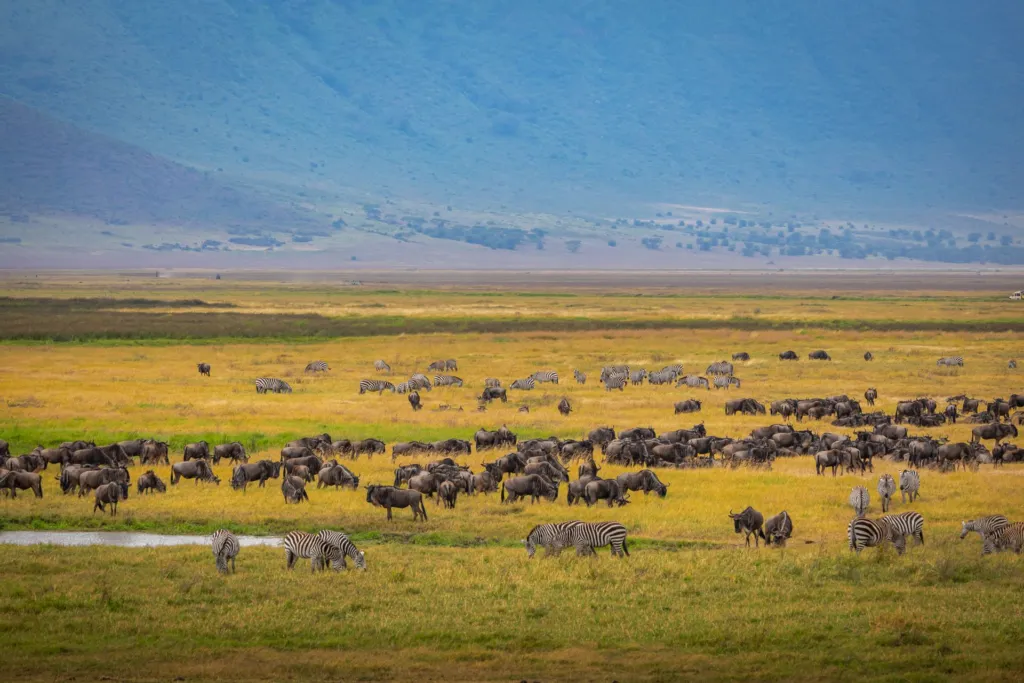
Lunch is taken at a picnic site beside a spring-fed pool on the crater floor itself, hippo included, before an afternoon session covering different ground, the Lerai Forest's old bull elephants along one edge, the open plains and their resident wildebeest and zebra herds across the middle. The ascent back to the rim is timed for late afternoon, for a second night at the same lodge.
Second night at the same lodge on the Ngorongoro Crater rim · Second night here, same rim views.
The morning drive down from the rim retraces yesterday's route back through Karatu before turning off toward Lake Manyara, entering the park through a dense groundwater forest fed by springs off the Rift Valley escarpment, fig and mahogany trees thick with troops of blue monkey and baboon. It's a striking contrast to the open crater floor left behind that morning, closed canopy replacing open grassland within a matter of minutes.
The game drive that follows tracks the lake's edge, elephant are a regular sighting here, and depending on water levels, flocks of flamingo along the alkaline shoreline. Manyara's real signature, though, is its lion, genuinely and repeatedly documented resting in the branches of the park's acacia trees, a behaviour rarely seen with this consistency anywhere else in East Africa, though never guaranteed on any single visit. From the park gate, it's a comfortable two to two and a half hours back to Arusha, arrival timed for the early evening.
Based on past travellers' sightings across this specific circuit, combining Tarangire, the Ngorongoro Crater and Lake Manyara.
Two nights on the Ngorongoro Crater rim, positioned for the shortest possible drive to the descent gate each morning.
Fees paid across this route fund Tanzania National Parks (TANAPA) at Tarangire and Lake Manyara, and the Ngorongoro Conservation Area Authority in the crater, supporting ranger operations, rhino monitoring, and the wider Tarangire-Manyara ecosystem that elephant move between beyond either park's fenced boundary.
Entry fees on this route support TANAPA's operations at Tarangire and Lake Manyara, and the Ngorongoro Conservation Area Authority's ranger patrols and rhino monitoring on the crater floor.
Tarangire and Lake Manyara sit within the same wider ecosystem, and elephant are known to move seasonally between the two across land that falls outside either park's protected boundary.
Ngorongoro's crater floor rhino were reduced to under twenty animals by the mid-1980s. Today's group, larger and closely monitored, is among the biggest single populations remaining in Tanzania.
With the route as a starting point, your specialist will adjust until the itinerary feels like yours
Three days is a starting point, not a ceiling. Add a night at Tarangire to slow the opening day down, extend west to the Serengeti, or finish with a night at Lake Manyara instead of driving straight through, your specialist will work from here.
Start planning this safari
Eight days, a crater floor, the Serengeti's big cats, and Zanzibar's beaches, all in one trip.
Five days, Lake Manyara, a full day in Ngorongoro Crater, and two days reading the Ndutu…
Two days, one crater floor, seen in both an afternoon and a morning session.
Yes, for a first, focused look at all three. Each park gets genuine time, a real game drive at Tarangire, a full day on the Ngorongoro Crater floor, and a game drive through Lake Manyara, without stretching the trip into a longer circuit.
No sighting in the wild is ever guaranteed, but this behaviour is genuinely and repeatedly documented at Manyara more consistently than almost anywhere else in East Africa, which is why the park is known for it specifically.
Because it covers two parks in one day, a real game drive at Tarangire followed by the drive on to Ngorongoro. It’s a well travelled route and a normal shape for this specific circuit, but genuinely the longest day of the three, worth knowing in advance.
Yes, this circuit works well as the opening leg of a longer Northern Tanzania trip, extending west from Ngorongoro to the Serengeti rather than turning back toward Lake Manyara and Arusha on Day 3.
A separate national park, distinct from the Ngorongoro Conservation Area, though the two sit close enough together to combine easily in a single circuit like this one.
Tell us your dates and we'll confirm whether the timing works, then adjust the route from there.
Start planning this trip