5 Days Ngorongoro Crater and Ndutu Safari

5 Days Ngorongoro Crater and Ndutu Safari

Five days across three Northern Tanzania landscapes, Lake Manyara's tree-climbing lions on the way in, a full day inside the Ngorongoro Crater, and two full days reading the open plains around Ndutu, one of the best places in Africa to watch predators work.

5 DaysDuration TanzaniaCountries PrivateGroup type
Overview

5 Days safari in Tanzania

Five days: Lake Manyara, a full day in Ngorongoro Crater, and two days reading the Ndutu plains.

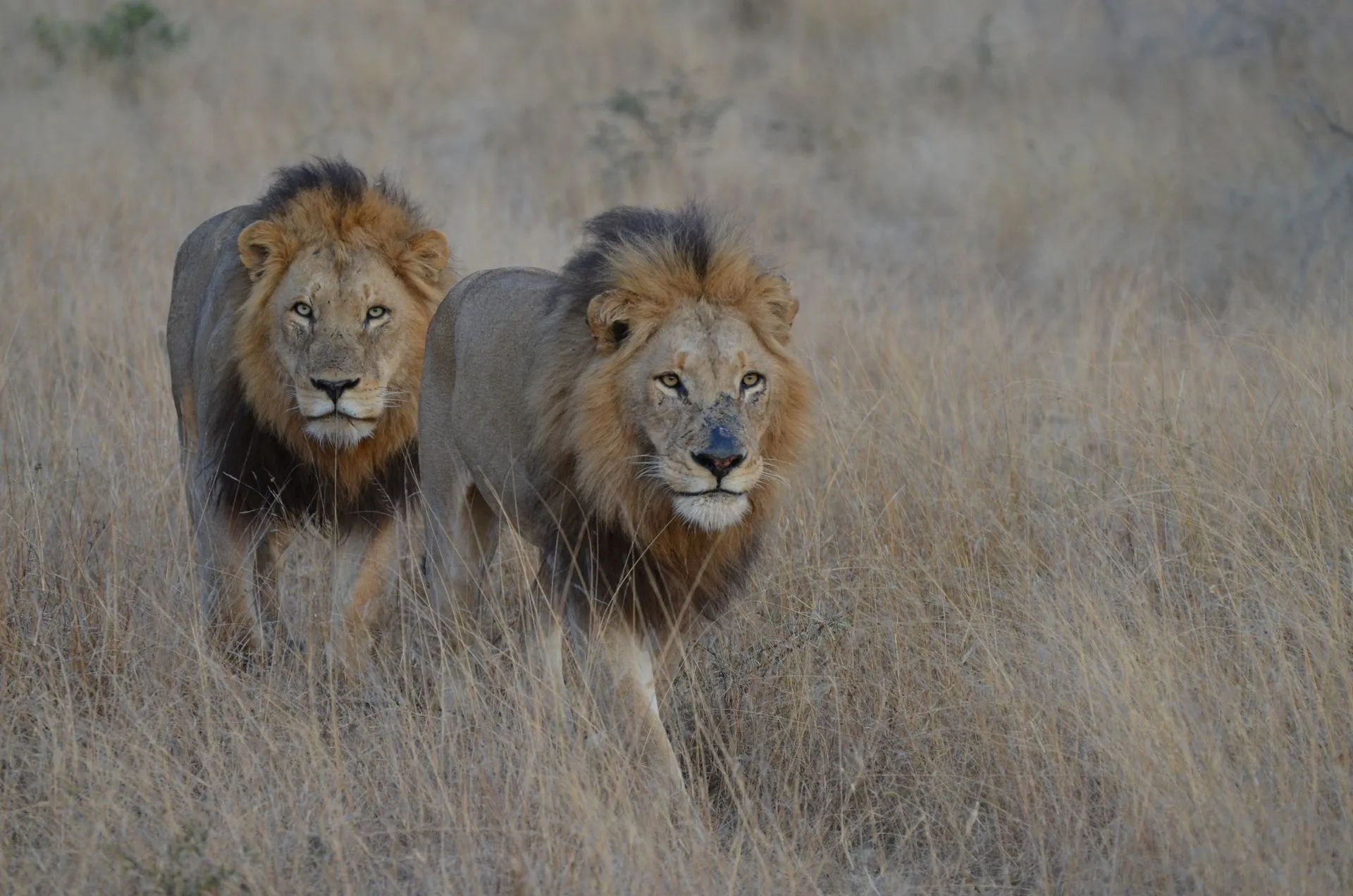
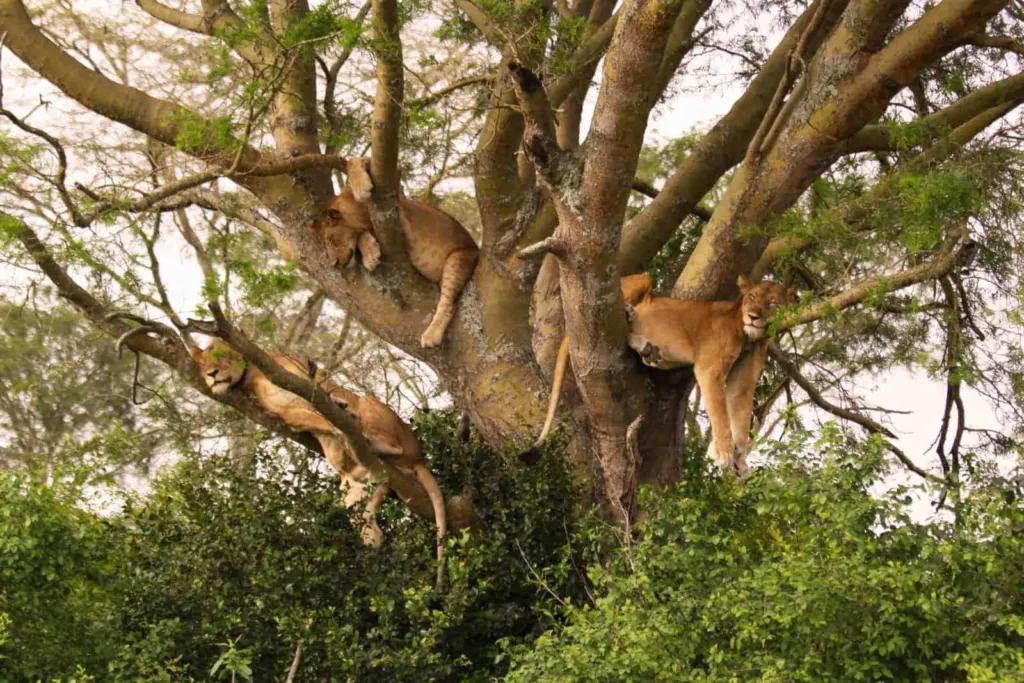
This route opens gently and builds toward its main event. Lake Manyara, on the first afternoon, is a groundwater forest and an alkaline lake beneath the Rift escarpment, home to elephants, flamingos when water levels allow, and a population of lions genuinely known for resting in the branches of the park’s acacia trees. Ngorongoro follows on Day 2, a full day inside a collapsed volcanic caldera holding one of the most reliably dense, resident wildlife populations left on the continent: lion, elephant, buffalo and a genuine chance at black rhino, all on a single enclosed floor.

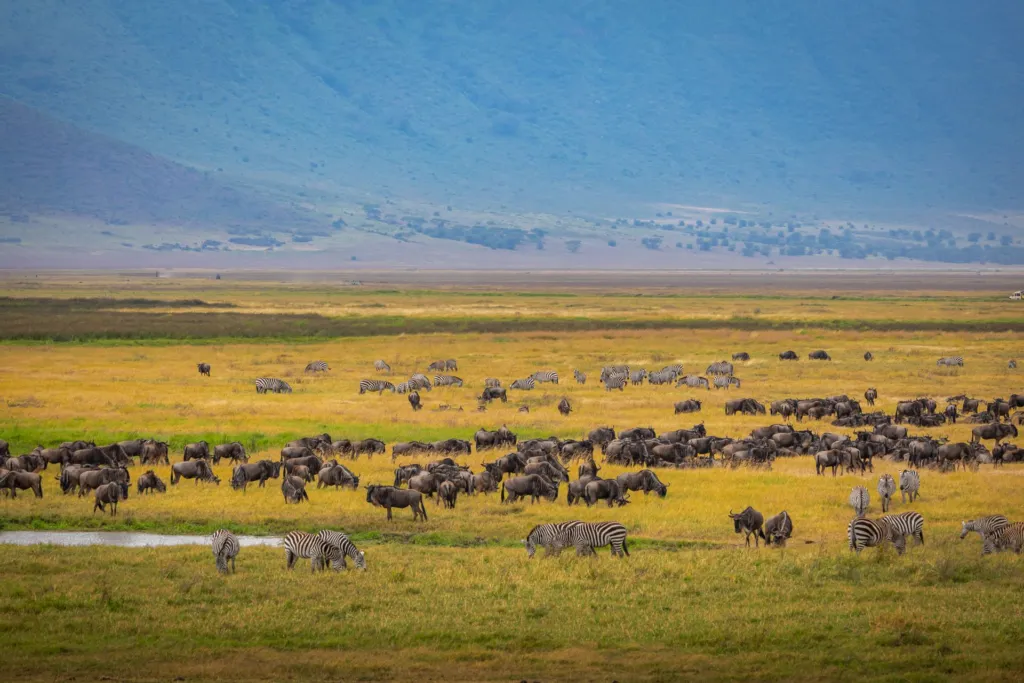
The last two full days belong to Ndutu, the open, short-grass plains on the Conservation Area’s southern boundary, where visibility runs to the horizon, and predators have almost nothing to hide behind. Cheetahs especially do well on ground this open, and the resident lion and hyena population here makes for compelling viewing regardless of exactly where the wildebeest herds happen to be on your specific dates. Depending on timing, this stretch of plain may also intersect with the migration itself, worth asking your specialist what the herds are doing before you travel.

Three landscapes, each with a genuinely different mood, connected into one five-day circuit out of Arusha and back.

At a glance

  • Duration5 Days
  • CountriesTanzania
  • Group typePrivate

Activities

Some activities which can be added to this circuit, tell us which interest you.

A photography-focused game drive with a specialist guide on the Ndutu plainsA photography-focused game drive with a specialist guide on the Ndutu plains
A guided walking tour of Mto wa Mbu, a multi-tribal market town near Lake Manyara's gate
A visit to a Maasai boma near the Ngorongoro Conservation Area's entrance gate
Moments to note

Standout moments

The parts of this particular route past travellers mention most, unprompted.

I

Three Distinct Landscapes in Five Days

An alkaline lake beneath the Rift escarpment, a volcanic crater floor, and the open plains of Ndutu, each a genuinely different chapter rather than variations on the same theme.

II

A Full Day Inside Africa's Densest Concentration of Resident Wildlife

Lion, elephant, buffalo and a genuine chance at black rhino, all on a single enclosed crater floor, no migration timing required.

III

Two Full Days on Some of the Best Predator-Viewing Ground in Africa

Ndutu's open, short-grass terrain gives cheetah, lion and hyena almost nothing to hide behind, among the most reliable predator viewing on the continent.

IV

Lake Manyara's Famously Tree-Climbing Lions

A behaviour documented here more consistently than almost anywhere else in East Africa, on the very first afternoon of the trip.

Day by day

How the days break down

A starting shape: pace, order and length of each stage are all adjustable.

Day
01
Lake Manyar
Arusha → Lake Manyara National Park → Ngorongoro Crater rim

Lake Manyara's Tree-Climbing Lions on the Way to Ngorongoro

The drive out of Arusha is short and comfortable, a little over two hours to Lake Manyara's gate, and the park announces itself immediately with a dense groundwater forest fed by springs off the Rift Valley escarpment, fig and mahogany trees thick with troops of blue monkey and baboon. The game drive that follows tracks the lake's edge, elephant are a regular sighting here, and depending on water levels, flocks of flamingo along the alkaline shoreline.
Manyara's real signature is its lion, genuinely and repeatedly documented resting in the branches of the park's acacia trees, a behaviour rarely seen with this consistency anywhere else in East Africa, though never guaranteed on any single visit. From the park gate, the road climbs on through Karatu's coffee farms and into the Ngorongoro highlands, arrival at the rim timed for the evening, with dinner served overlooking the crater.

Where you rest

A lodge on the Ngorongoro Crater rim · One night here, with the crater floor visible below the dining room.

Day
02
Ngorongoro
A full day inside the Ngorongoro Crater, then on to Ndutu

A Full Day Descending Into the Ngorongoro Crater, Then Continuing to Ndutu

The descent onto the crater floor begins early, down one of its steep access roads and into a collapsed volcanic caldera twenty kilometres across, holding one of the most reliably dense, resident wildlife populations left on the continent. Lion, elephant and buffalo are a normal part of a morning here, and black rhino a genuine, if less certain, possibility. Lunch is taken beside one of the crater floor's small lakes before the ascent back up to the rim.
From the rim, the route turns south and west, roughly three hours across the Conservation Area's southern plains, mostly unpaved and considerably rougher than the tarmac covered so far, before reaching Ndutu and camp for the evening. It's a long day by any measure, an enclosed volcanic bowl in the morning and the open plains beyond it by dusk, but the two landscapes it connects could not look more different from each other.

Where you rest

A tented camp on the Ndutu plains · Two nights here, positioned inside the plains themselves.

Day
03-04
Ndutu
Two full days exploring the Ndutu plains

Two Full Days Reading the Ndutu Plains, Predator Activity First, Landscape Second

Two game drives a day, timed to the plains' own rhythm rather than a fixed schedule. Ground this open and exposed leaves cheetah and lion very little to hide behind, and mornings tend to be the most active, cheetah using the cool early light to hunt across terrain with almost nothing to obstruct the view, lion and hyena working the same ground from different angles. Depending on the season, this stretch of plain may also intersect with the wildebeest migration itself, worth asking your specialist what the herds are doing on your specific dates, though Ndutu's resident predator population makes for compelling viewing on its own terms regardless of where the migration happens to be.
A midday rest at camp gives way to a second drive in the afternoon, when the light softens and the plains take on the particular gold colour that made this specific corner of the ecosystem famous among wildlife photographers. Every drive here is different, your guide reads the movement of the herds and predators rather than following a fixed route, and both nights are spent at the same camp, so nothing about these two days feels like a series of transfers.

Where you rest

Second night at the same camp on the Ndutu plains · Second night here, same plains.

Day
05
Arusha
Ndutu → Arusha

A Final Morning on the Ndutu Plains Before the Drive Back to Arusha

One last drive across the plains before breakfast, unhurried, following whatever the herds and resident predators are doing on this particular morning rather than working through a final checklist. Five days in, this tends to be the moment the whole circuit comes into focus, an alkaline lake, a volcanic crater and open plains, each a genuinely different chapter of the same trip.
Breakfast back at camp is followed by the return drive to Arusha, retracing the route back up through the Ngorongoro highlands and down through Karatu, arrival timed for the mid to late afternoon in time for an onward flight or a connecting night in Arusha.

What you'll likely see

Key species on this route

Based on past travellers' sightings across this specific circuit, combining Lake Manyara, the Ngorongoro Crater and the Ndutu plains.

· · · · · · ·
Lion
Lion
90% chance
Wildebeest
Wildebeest
90% chance
Zebra
Zebra
85% chance
Buffalo
Buffalo
75% chance
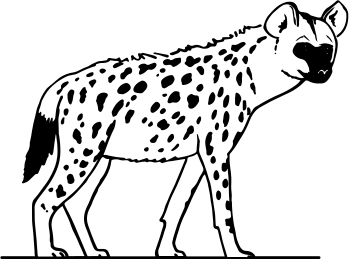
Spotted Hyena
Spotted Hyena
72% chance
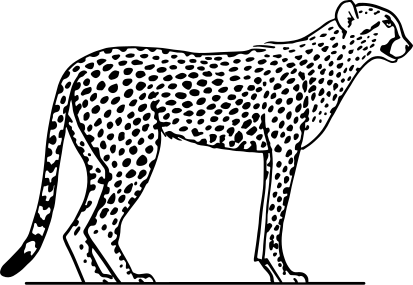
Cheetah
Cheetah
72% chance
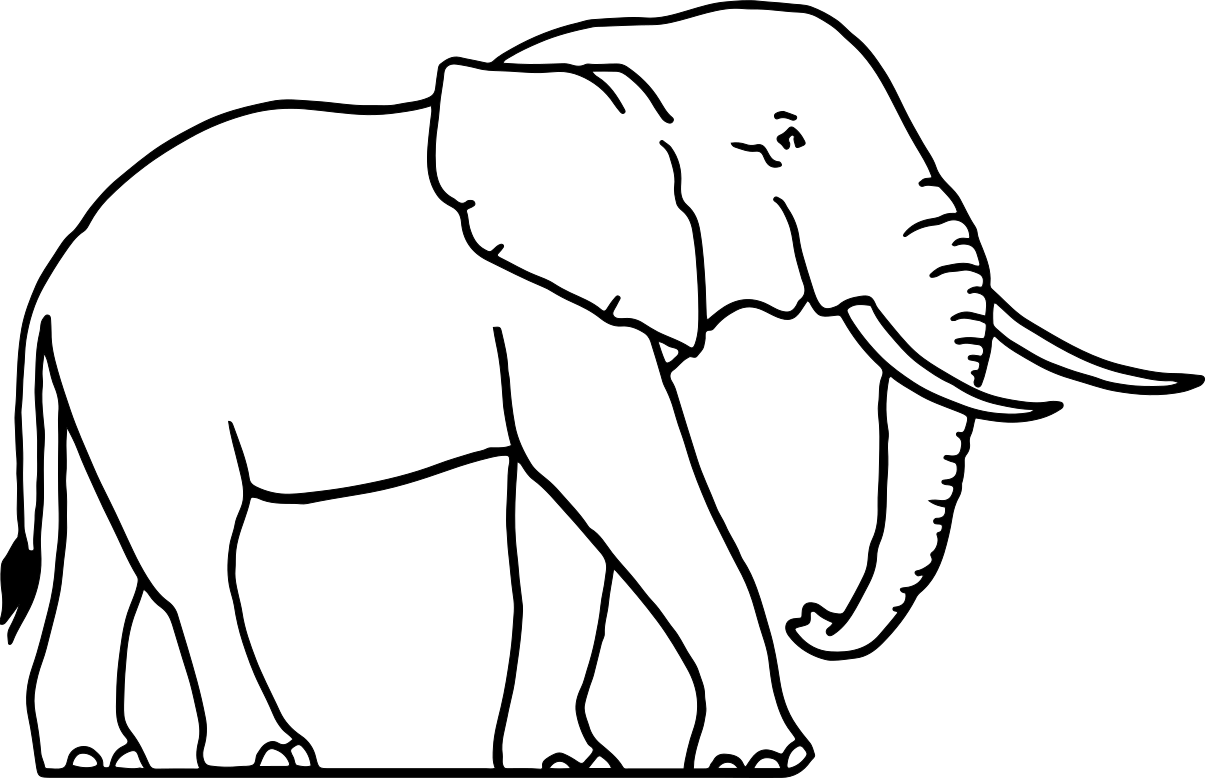
Elephant
Elephant
65% chance
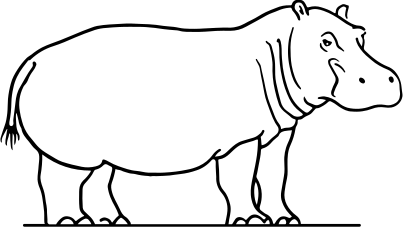
Hippo
Hippo
60% chance
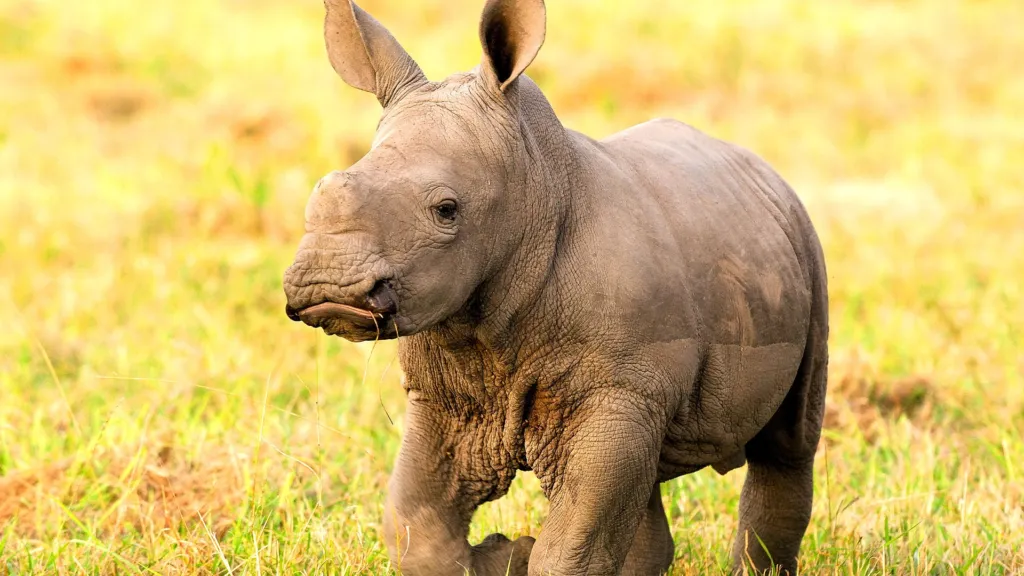
Black Rhino
Black Rhino
35% chance
Giraffe
Giraffe
30% chance
The details

What's included

What's included

  • All park and conservation area entry fees, Lake Manyara and Ngorongoro
  • Private safari vehicle with pop-up roof and driver-guide throughout
  • One night on the Ngorongoro Crater rim and three nights on the Ndutu plains
  • All meals during the safari (full board)
  • Bottled water in the vehicle
  • All game drives listed in the itinerary
  • Government taxes and levies

What's not included

  • International flights to and from Tanzania
  • Visa fees and Travel insurance
  • Alcoholic drinks and premium beverages
  • Tips and gratuities for guides and camp staff
  • Personal expenses (laundry, phone calls, curio purchases)
  • Optional add-ons such as the Mto wa Mbu walking tour or a Maasai boma visit

Notes about this trip

  • A private safari, pace and timings adjust to your preferences on the day
  • Room and camp availability confirmed at time of booking, alternatives offered if your first choice is full
  • Day 2 is a genuinely long day, a full morning inside the Ngorongoro Crater followed by roughly three hours of mostly unpaved driving to Ndutu, worth knowing in advance
  • The wildebeest migration's position on the Ndutu stage varies year to year with the rains, ask your specialist what to expect on your specific dates
Responsible travel

Responsible Travel

Fees paid across this route fund Tanzania National Parks (TANAPA) at Lake Manyara and the Ngorongoro Conservation Area Authority in the crater and across the Ndutu plains, supporting ranger operations, rhino monitoring and the multiple land-use model that lets Maasai communities and wildlife share this landscape.

I

Park Fees Fund Two Separate Conservation Bodies

Entry fees at Lake Manyara support TANAPA's operations there, while fees across Ngorongoro and Ndutu support the Conservation Area Authority's ranger patrols and rhino monitoring.

II

A Recovering Black Rhino Population

Ngorongoro's crater floor rhino were reduced to under twenty animals by the mid-1980s. Today's group, larger and closely monitored, is among the biggest single populations remaining in Tanzania.

III

A Landscape Shared Between Wildlife and Maasai Communities

The Ngorongoro Conservation Area, which includes the Ndutu plains, has allowed Maasai communities to live and graze cattle alongside the wildlife since 1959, a long-standing alternative to excluding people from conservation land entirely.

Make it mine

With the route as a starting point, your specialist will adjust the pace, camps and add-ons until the itinerary feels like yours

Five days is a starting point, not a ceiling. Add a night at Ndutu to extend the plains stage, add Tarangire before Lake Manyara to open the trip with its elephant herds, or extend north to central Serengeti after Ndutu, your specialist will work from here.

Start tailoring this safari
If this isn't quite right

Similar safaris

Common questions

Before you enquire

Not exactly. This route works year-round, built around Ngorongoro’s resident wildlife and Ndutu’s resident predators rather than a specific seasonal event. If you travel during calving season, roughly mid-December through March, you’ll likely see it as a bonus, but the itinerary doesn’t depend on it the way a dedicated calving-season product would.

It depends on the season, camp choice and any add-on activities, so there isn’t one number that fits every trip. Tell us your dates and priorities and we’ll put together a tailored quote.

No sighting in the wild is ever guaranteed, but this behaviour is genuinely and repeatedly documented at Manyara more consistently than almost anywhere else in East Africa, which is why it opens this itinerary rather than being treated as a footnote.

It covers a full morning inside the Ngorongoro Crater and then a further three hours, mostly on unpaved roads, to reach Ndutu. It’s a well-travelled route and a normal shape for this specific circuit, but genuinely the longest day, worth knowing in advance.

Yes, this route works well as the opening stage of a longer circuit, continuing north from Ndutu to central Serengeti rather than turning back toward Arusha on Day 5.

Ready when you are

Ask about 5 Days Ngorongoro Crater and Ndutu Safari

Tell us your dates and we'll confirm whether the timing works, then adjust the route from there.

Start planning this trip