4 Days, Zanzibar Fly-in Serengeti Safari

4 Days, Zanzibar Fly-in Serengeti Safari

Four days from Zanzibar's white sand to the golden plains of the Serengeti by light aircraft, with two full days amongst its lion prides, leopard country and granite kopjes, privately guided.

4 DaysDuration TanzaniaCountries PrivateGroup type
Overview

A Short Bush and Beach Tanzania Safari

The 4 Days, Zanzibar Fly-in Serengeti Safari is a private, tailor-made Zanzibar-to-Serengeti.

It flies from Zanzibar to the central Serengeti for three nights and two full days of game drives, then returns to Zanzibar or continues to Arusha on the fourth day. It is excellent from June to October and very fine in January and February, and it works in any month as an addition to a Zanzibar beach holiday.

There is a particular pleasure in leaving the Indian Ocean after breakfast and finding yourself, before luncheon, on the edge of the most celebrated plains in Africa. A small aircraft carries you north-west across the Tanzanian mainland, and the turquoise shallows give way to farmland, the Rift Valley and at last the open grass of the Serengeti, which runs to every horizon without a fence.

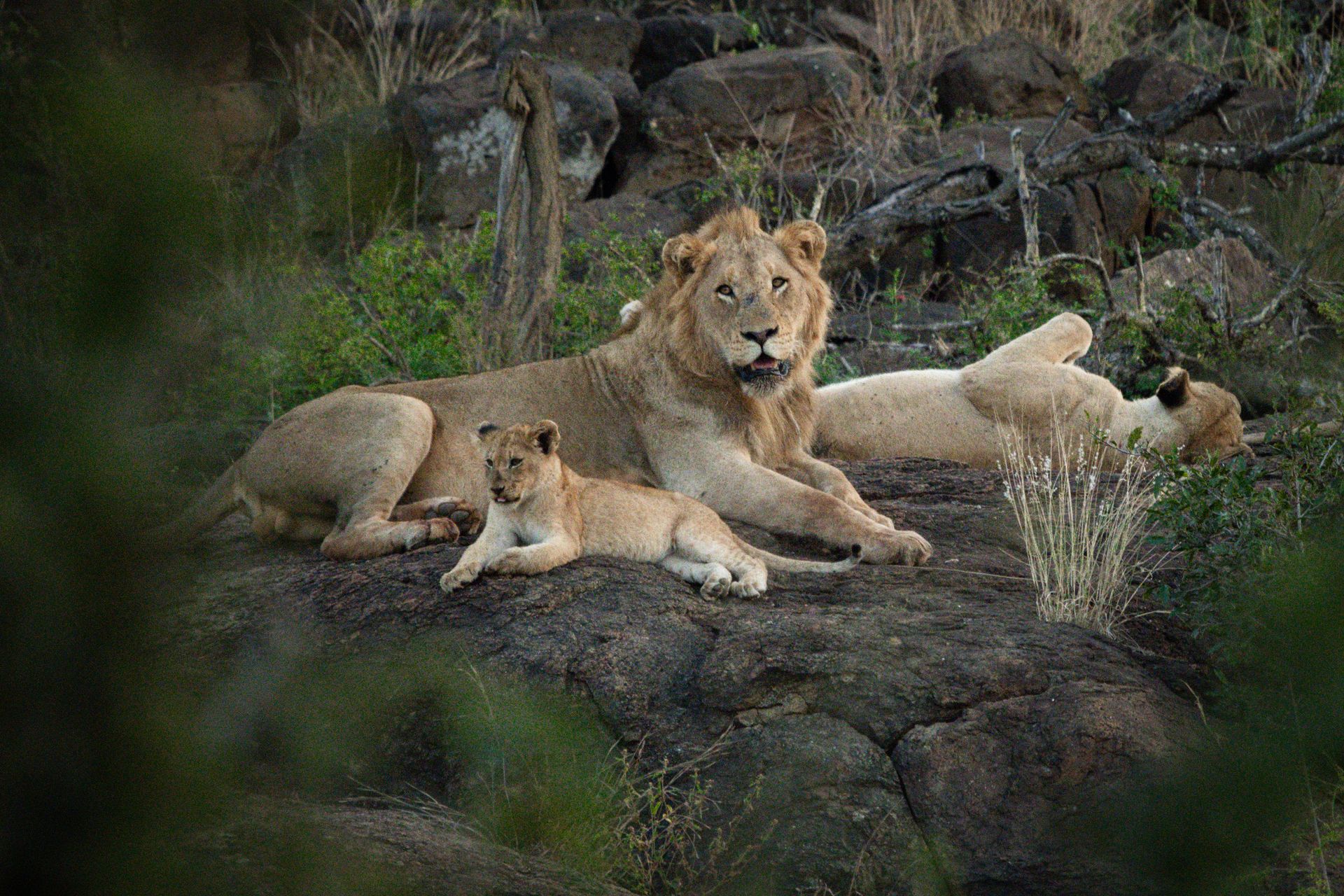
Three nights are spent in the central Serengeti near Seronera, the heart of the park, where lion prides hold their territories all year, leopard rest in the trees along the Seronera River and ancient granite kopjes rise from the grass. It is a short Serengeti safari in days, but not in spirit, because nothing is spent on the road. No honest guide can promise a particular animal, and the pages that follow are plain about that. What we can promise is that the hours are given to the plains.

At a glance

  • Duration4 Days
  • CountriesTanzania
  • Group typePrivate

Activities

A few additions past guests have chosen to pair with this journey.

A dawn hot air balloon safari over the central Serengeti, with breakfast laid in the bush
A sunset dhow cruise off Zanzibar, before or after your safari
A guided walk through Stone Town, Zanzibar's old quarter and a UNESCO World Heritage Site
An onward safari to the Ngorongoro Crater from Arusha
Moments to note

Standout moments

The moments past guests on this journey mention most

I

From Beach to Plains in a Morning

A scheduled light-aircraft flight from Zanzibar sets you down in the Serengeti in time for luncheon and an afternoon game drive, with no long road to endure.

II

Seronera's Lions and Leopards

The central Serengeti holds resident lion prides all year, and the trees along the Seronera River are some of the most dependable leopard country in Africa, though a leopard is never certain.

III

The Great Migration, in Its Season

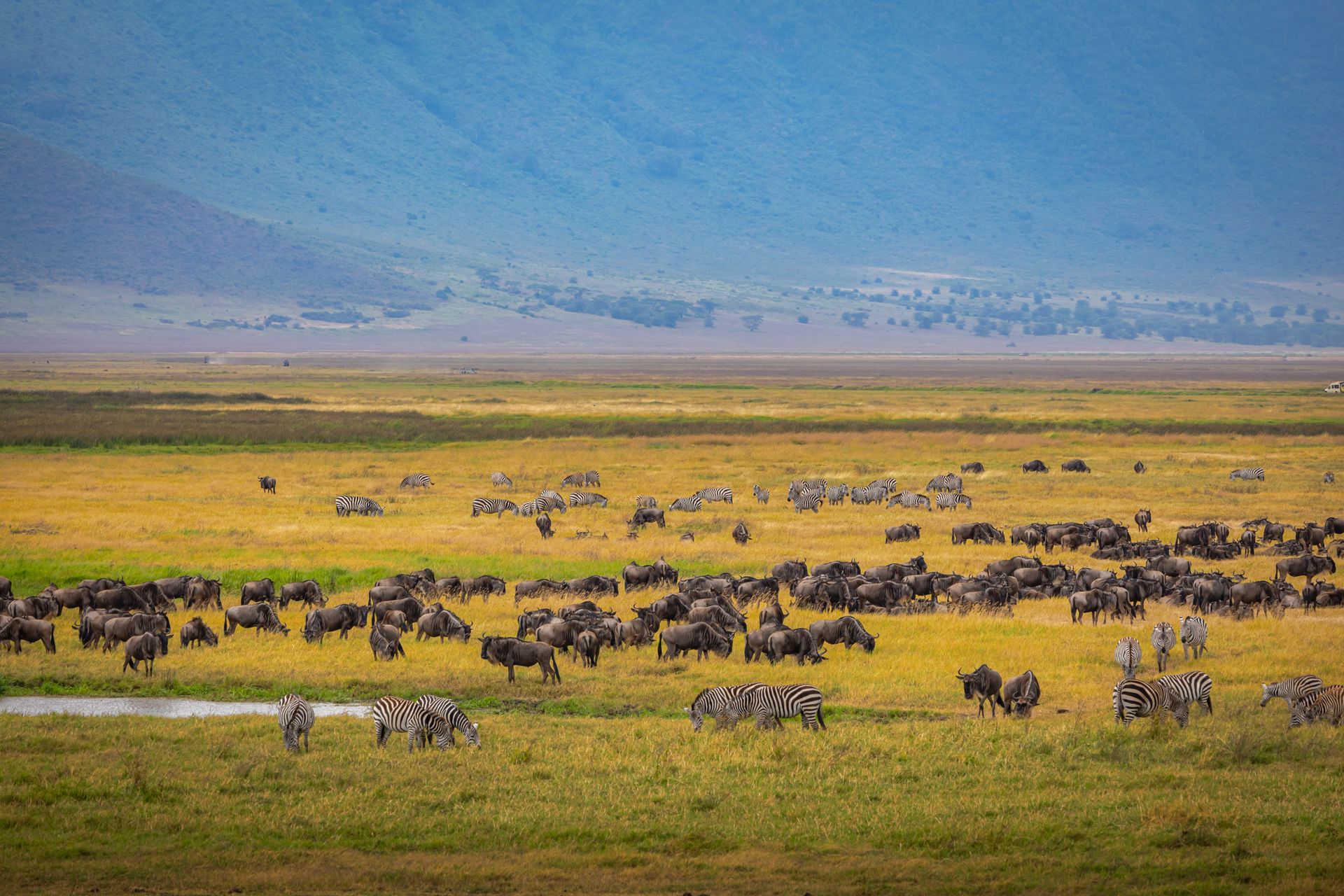
Around 1.5 million wildebeest circle the Serengeti each year, and the herds pass through the central plains in their season, with the southern calving grounds within reach from roughly January to March.

IV

Kopjes and Endless Grass

A park of close to 15,000 square kilometres, protected since 1951 and a UNESCO World Heritage Site since 1981, where ancient granite outcrops rise from plains that run unbroken to the horizon.

Day by day

How the days break down

A starting shape: pace, order and length of each stage are all adjustable.

Day
01
Serengeti
Zanzibar to the central Serengeti, by scheduled flight

Fly From Zanzibar's White Sand to the Serengeti's Golden Plains for an Afternoon Game Drive

Your safari begins as the island wakes. A private transfer collects you from your Zanzibar hotel for the short drive to Abeid Amani Karume International Airport and a scheduled light-aircraft flight north-west across the mainland, roughly two to three hours depending on stops, the turquoise shallows giving way to farmland, the Rift Valley escarpment and at last the open grass of the Serengeti.
Your guide is waiting on the airstrip, and the drive to camp is a first game drive in itself. After luncheon and a rest through the heat of the day, the afternoon is spent amongst the plains and kopjes around Seronera, the very heart of the park, before returning to camp as the sun goes down and the first lions begin to call.

Where you rest

A lodge or tented camp in the central Serengeti, near Seronera · Three nights here, positioned for two full days exploring the park.

Day
02 & 03
Serengeti
Two full days exploring the central Serengeti

Rise Early With Seronera's Lion Prides and Search the River Trees for Leopard

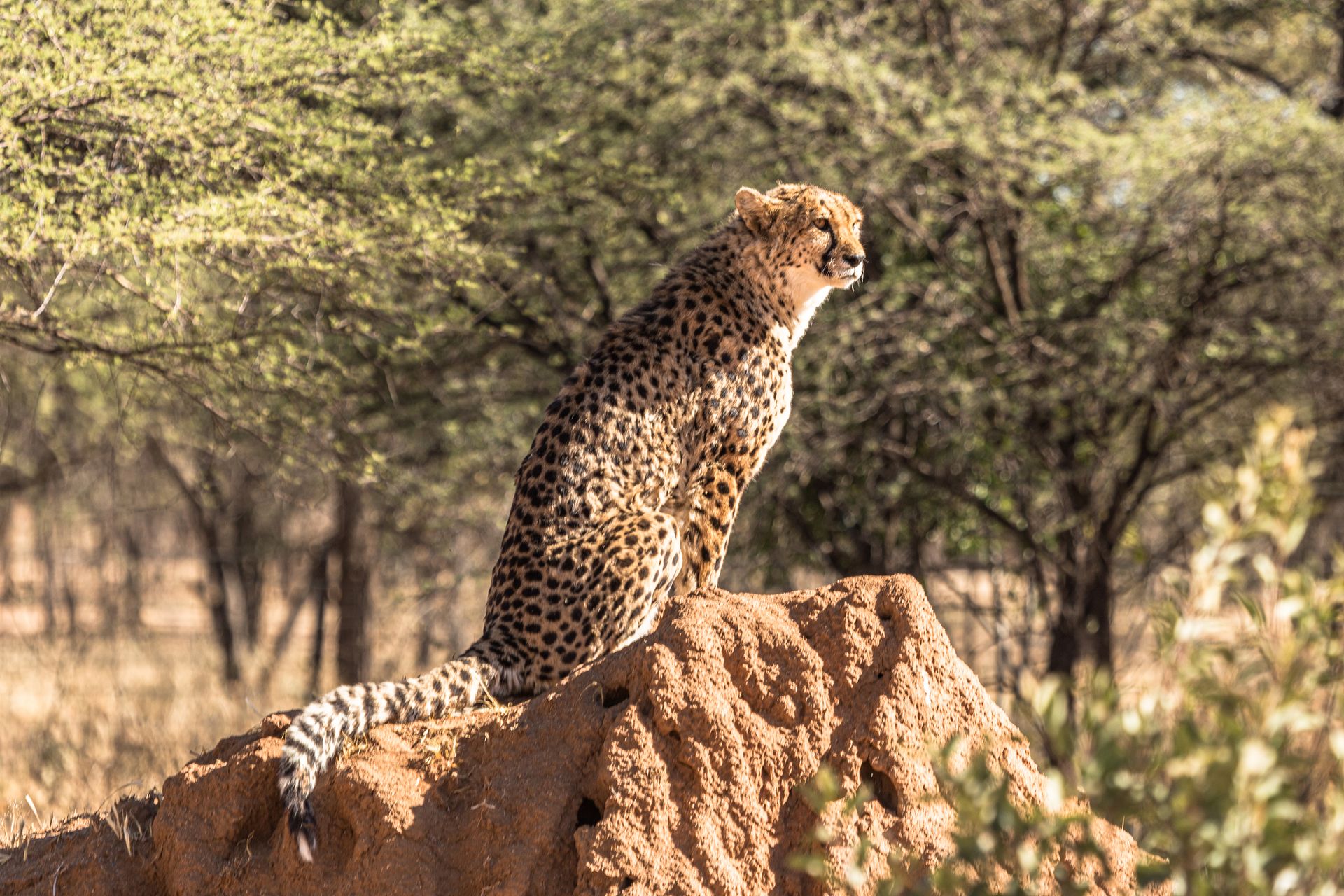
The days begin before dawn, whilst the resident prides around Seronera are at their most active and the light is at its kindest. Morning drives wind amongst the granite kopjes, ancient outcrops of rock where lion like to rest and survey their country, and across plains that hold zebra, gazelle, topi, buffalo and giraffe, with cheetah often found on the open grass. The Serengeti covers close to 15,000 square kilometres and has been a national park since 1951 and a UNESCO World Heritage Site since 1981.
Afternoons follow the Seronera River, whose fringe of trees is some of the finest leopard country in Africa, though a leopard can never be promised, and the hippo pools where the great animals lie in the shallows. In their season, the herds of the Great Migration pour through the central plains, and your guide will know where they are. A dawn hot air balloon safari is available on one of the two mornings, for those who would see the plains from above.

Where you rest

Second and third nights in the central Serengeti · Two full days here.

Day
04
Zanzibar
Serengeti to Zanzibar or Arusha, by scheduled flight

Take a Last Sunrise Drive Before Flying Back to the Beach or On to Arusha

There is time for a final early game drive, or a slow breakfast with the plains before you, before your guide takes you to the airstrip. From here the journey goes one of two ways, as you prefer: a flight of roughly two to three hours back to Zanzibar, for more days on the beach or an international flight home from the island, or a flight of roughly one to two hours to Arusha.
From Arusha, Kilimanjaro International Airport lies about 50 kilometres away for flights home, or your specialist can arrange an onward journey to the Ngorongoro Crater or Tarangire. Whichever way you turn, you leave with the Serengeti's wide light still in your eyes, and the sea or the mountains ahead.

What you'll likely see

Key species on this route

Based on past travellers' experiences, here's what this route is really about.

· · · · · · ·
Zebra
Zebra
95% chance
Lion
Lion
92% chance
Giraffe
Giraffe
92% chance
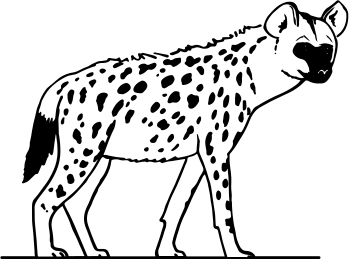
Spotted Hyena
Spotted Hyena
88% chance
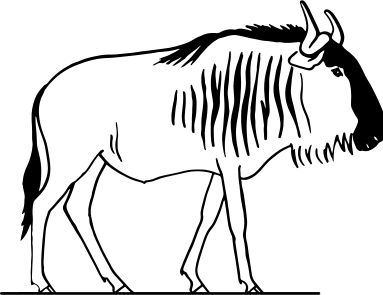
Wildebeest
Wildebeest
85% chance
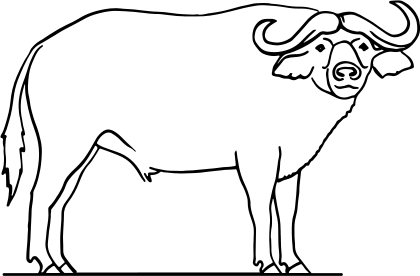
Buffalo
Buffalo
85% chance
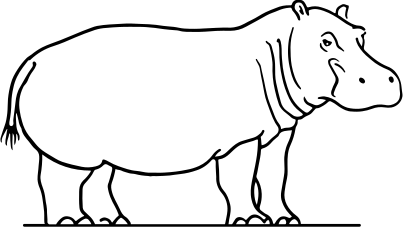
Hippo
Hippo
85% chance
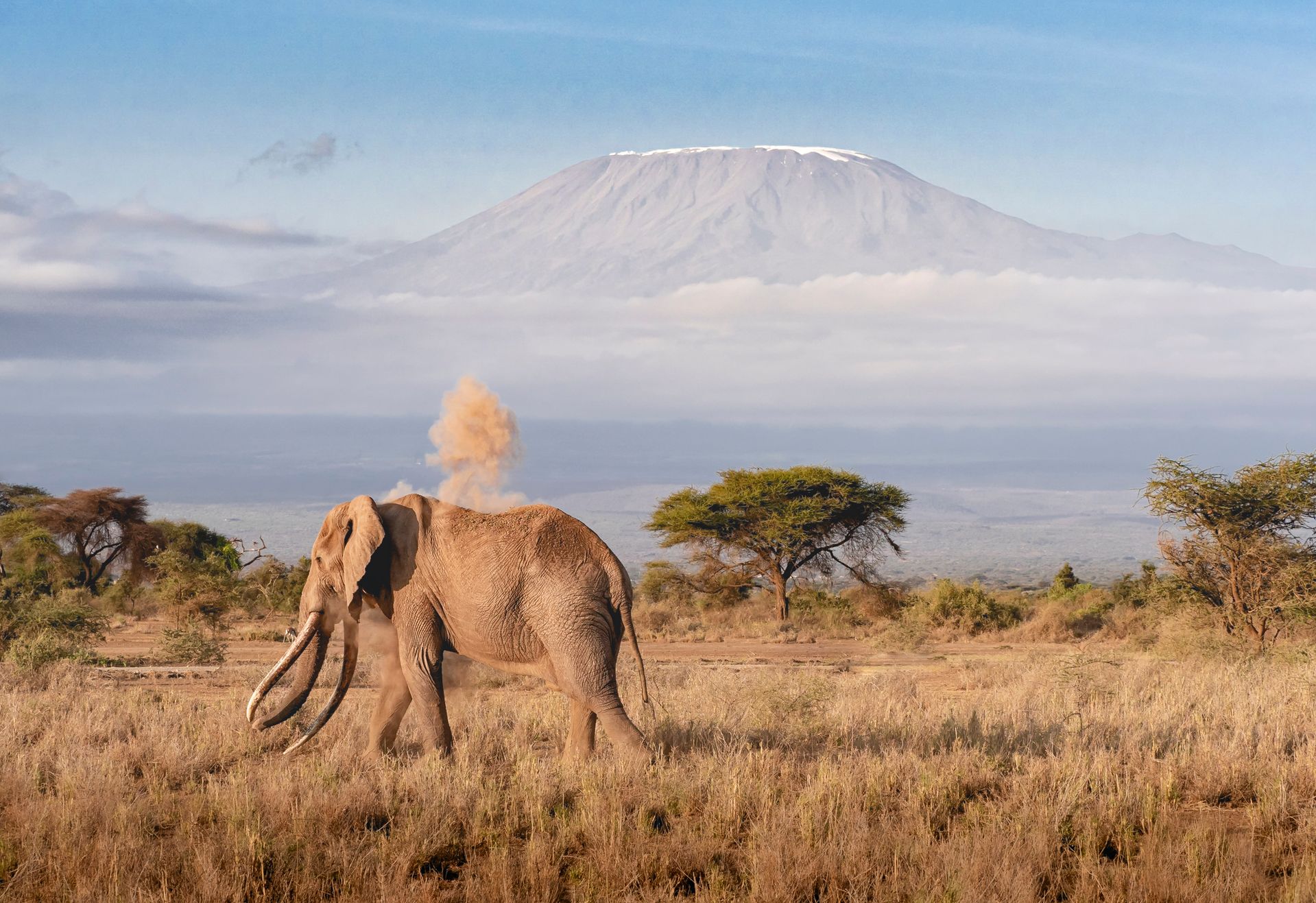
Elephant
Elephant
86% chance
The details

What's included

What's included

  • Private transfers between your Zanzibar hotel and Abeid Amani Karume International Airport
  • Scheduled flight from Zanzibar to the Serengeti on Day 1
  • Scheduled flight from the Serengeti to Zanzibar or Arusha on Day 4
  • Private vehicle and driver guide throughout the safari, including airstrip transfers
  • Serengeti National Park fees
  • All meals during the safari (full board)
  • Game drives on every day of the safari
  • Bottled water throughout

What's not included

  • International flights to and from Tanzania
  • Travel insurance, including Zanzibar's mandatory visitor insurance
  • Tanzania Visa Fees
  • Accommodation in Zanzibar before and after the safari
  • Alcoholic drinks and premium beverages
  • Optional extras such as the hot air balloon safari, a dhow cruise or a Stone Town walk
  • Onward travel from Arusha, including transfers to Kilimanjaro International Airport or an extension to the Ngorongoro Crater
  • Tips and gratuities for guides and camp staff
  • Personal expenses (laundry, phone calls, curio purchases)

Notes about this trip

  • Four of the Big Five are a real chance here (lion, leopard, elephant and buffalo), never a promise, and rhino are too rarely seen in the Serengeti to count on
  • The position of the Great Migration varies by month and from year to year, and your specialist will advise where the herds are likely to be for your dates
  • Some flights between Zanzibar and the Serengeti are non-stop and some stop on the way, so flight times vary between about two and three hours
  • If you end in Arusha on Day 4, allow good time to reach Kilimanjaro International Airport, about 50 kilometres away, for an evening departure
Responsible travel

A Lighter Footprint on the Serengeti

We believe a responsible Serengeti safari should leave the plains exactly as you found them, and a little better protected for your having come. The fees and choices along this short journey help to sustain Serengeti conservation in ways your guide will gladly explain.

I

Park Fees That Keep the Plains Wild

Serengeti National Park fees, paid on every day of your stay, help to fund the rangers and anti-poaching patrols of Tanzania National Parks, who have protected these plains since 1951.

II

One Ecosystem, Without Borders

The Serengeti and Kenya's Masai Mara protect a single migration landscape from either side of the border, so the care given to one helps to keep the great herds moving through both.

III

On the Tracks, Not Across the Grass

Park rules keep vehicles to designated tracks across most of the Serengeti, to protect the grassland and the animals that depend on it, and your guide observes them faithfully, even when a sighting tempts otherwise.

IV

Plain About What We Cannot Promise

We would rather tell you the truth than a pleasing story. The Migration moves with the rains, leopard are never certain and rhino are rarely seen here, so every promise on this page is one we intend to keep.

Make it mine

Tell your specialist what brought you to Tanzania, and every flight, camp and quiet courtesy of your Serengeti fly-in safari will be arranged with that in mind.

Many of our guests come to this journey from the beach, wanting the Serengeti without surrendering the sea, and so we have made it as light as a change of linen. Stay a fourth night on the plains, follow the calving herds to the southern Serengeti between roughly January and March, or fly on from Arusha to the Ngorongoro Crater. For honeymooners, a Zanzibar and Serengeti safari may end with a balloon over the plains at dawn and a dhow at sunset, and we would be delighted to arrange both.

Plan your Serengeti safari
If this isn't quite right

Similar safaris

Common questions

Before you enquire

It is a private four day Serengeti fly-in safari that flies from Zanzibar to the central Serengeti for three nights, with two full days of game drives, then flies back to Zanzibar or on to Arusha on Day 4. Flights, park fees, a private vehicle and guide, and all meals on safari are included.

The scheduled light-aircraft flight takes roughly two to three hours, depending on whether it stops on the way. Luggage is generally limited to 15 kg per person in soft bags, hand luggage included, and many Zanzibar hotels will store larger cases until you return.

Four days gives you three nights and two full days in the park, which is enough for a rewarding first Serengeti safari, because no time is lost to long drives. The central Serengeti near Seronera holds resident lion prides and leopard all year, so it rewards a short stay in any month.

That depends on the month. The herds are usually on the southern plains from roughly January to March, pass through the central and western Serengeti from roughly April to June, and are in the north from roughly July to October. Your specialist will advise where they are likely to be for your dates, and can suggest a seasonal camp to be closer.

Four of the five are a real chance: lion, leopard, elephant and buffalo. No sighting can be guaranteed, and leopard is the one most often missed. Rhino are present in the Serengeti only in small numbers and are rarely seen, so they should not be counted on during a short stay.

Choose Zanzibar if you would like more beach days or are flying home from the island. Choose Arusha if you are flying home from Kilimanjaro International Airport, about 50 kilometres away, or would like to continue to the Ngorongoro Crater or Tarangire.

Most visitors, including citizens of the United States, Germany, Finland and Japan, need a Tanzanian visa, which covers both Zanzibar and the mainland. Zanzibar also requires its own visitor travel insurance on arrival, and a mainland scheme has been announced, so your specialist confirms the current requirements before you travel.

June to October is the dry season, with excellent game viewing and fine beach weather. January and February are also very good, with the calving season on the southern plains. The long rains, roughly April and May, bring greener landscapes and quieter camps, and some camps close for part of that time.

Yes, that is what it was designed for. The safari collects you from your Zanzibar hotel and, if you choose, returns you to the island on Day 4, so it fits neatly into the middle or the end of a beach stay without a second international flight.

This is a private safari with its own vehicle and guide, tailored to your dates and group. Rates are not published on this page, because every trip is built around your dates, camp and group size, and an enquiry returns a tailored quotation from your specialist.

Ready when you are

Ask about 4 Days, Zanzibar Fly-in Serengeti Safari

Tell us your dates and we'll confirm whether the timing works, then adjust the route from there.

Start planning this trip