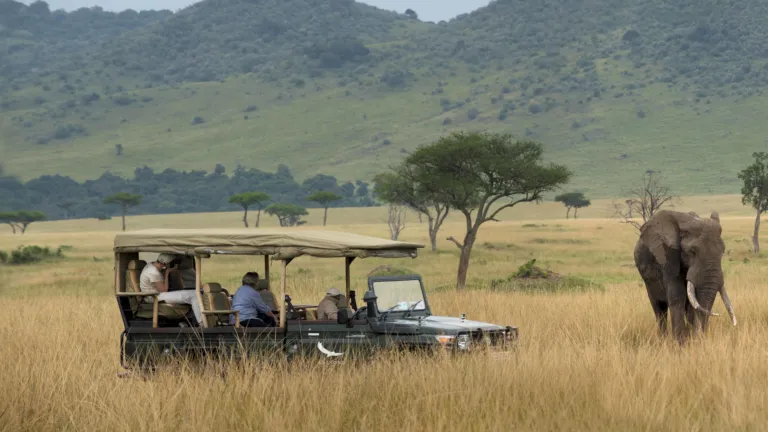

Preparing for a Masai Mara Safari promises an exhilarating adventure. Experience dramatic temperature changes, from the refreshing chill of morning game drives to the warmth of vibrant afternoons.
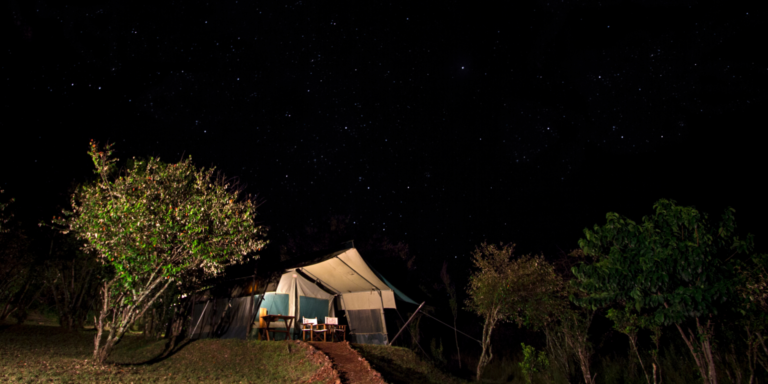
The first morning in the Masai Mara always surprises newcomers. You’ll be woken in the dark by a tray of coffee delivered to your tent, and when you step outside onto the plains, you’ll feel the cool air. The grass glistens with dew, and you can see your breath in the beam of the guide’s flashlight. By ten o’clock, you’ll probably want to take off your fleece, and by noon, you’ll be reaching for a wide-brimmed hat and feeling grateful for your lightweight linen clothing. As evening sets in, with a glass in hand and the sky turning amber, you’ll find yourself putting your fleece back on.
This single day illustrates everything you need to know about dressing for a safari in the Masai Mara. It’s not about packing a lot, but about packing wisely. Below, you’ll find advice based on our experience with guests over many seasons, ensuring you arrive with a light bag, a calm mind, and everything you need.
See our most requested safari through the Masai Mara
Understanding the Masai Mara Weather
The Masai Mara lies at altitude, on rolling grassland roughly 1,500 metres and more above sea level, so it is rarely as hot as visitors expect from equatorial Africa. Mornings and evenings are cool, particularly in the dry months from June to October, and the middle of the day is warm and bright, with strong sun at any time of year.
There are two rainy seasons. The long rains fall from roughly March to May, and the short rains from roughly November to December, usually as afternoon or evening showers rather than days of steady rain. January and February are generally dry and warm. Whenever you travel, the secret is the same: layers you can add and remove as the day changes.
Styling your Safari Wardrobe
Think of your safari wardrobe as three thin layers rather than one heavy one.
A breathable base: Opting for light, long-sleeved shirts made from cotton, linen, or technical fabrics can effectively protect your arms from the sun while also ensuring quick drying. Including a few short-sleeved shirts or blouses can be quite beneficial for the warmer hours of the day.
A warm middle layer: When it comes to early game drives and cosy evenings by the fire, having the right attire can make all the difference. Picture yourself wrapped in a soft fleece, a stylish merino jumper, or a lightweight quilted jacket that keeps the chill at bay. From June to October, you’ll be thankful for both a fleece and a light down jacket during those brisk early hours; nature’s beauty is best enjoyed when you’re comfortably warm! So gear up and get ready for an unforgettable experience in the great outdoors!
A light outer shell. A packable, water-resistant jacket is a great choice for the rainy months, as it also works well as a windbreaker if you’re in an open vehicle during dawn.
Comfortable trousers in a neutral colour, perhaps one pair that converts to shorts, will see you through most days. Evenings in camp are relaxed: smart-casual is the custom, and there is no need for formal wear, though many guests enjoy changing into something a little more elegant for dinner.
The Colours of the Bush
As you prepare for your upcoming adventure, consider how the colours you choose will play a pivotal role in your experience. Imagine the serene khaki, sandy tones, stone shades, and soft greens seamlessly blending into the landscape, minimising dust and being gentle on the wildlife that you’ll encounter.
Be aware, however, that certain colours might be better left behind. As you look forward to exploring the Mara ecosystem, remember that dark blue and black could attract tsetse flies, and those darker hues can also trap heat. Bright white may be tempting, but it won’t take long for dust to make its presence known. Vibrant, bold colours could draw attention during a walking safari, which is best to avoid. Additionally, keep in mind that camouflage clothing is best left at home, as it is typically associated with military use in various African countries. Your thoughtful choices will enhance your experience and connection with the environment in the days ahead.
What to Wear on Your Feet
On game drives, you will spend most of the day in the vehicle, so comfortable, closed shoes or light walking shoes are all you need. If your journey includes a walking safari in one of the private conservancies, where walks with an armed ranger are permitted, bring sturdy, broken-in walking shoes or light boots in a neutral colour. A pair of sandals or slippers for camp completes the picture.
Read our guide on Private Conservancies in Kenya and Tanzania
The Accessories That Make the Difference
A wide-brimmed hat is the single most useful thing you will pack, ideally with a chin strap for open vehicles. Good sunglasses protect against the glare and the dust. A light scarf or buff is wonderful against dust on the tracks and for warmth at dawn. For a hot air balloon flight over the Mara, warm layers matter even more: you will be aloft at sunrise, when the air is coolest.
Binoculars and Camera: Your Window Onto the Plains
If there is one thing to invest in, it is a good pair of binoculars, one for each traveller if you can, so that no one has to wait their turn while a leopard slips away. A magnification of 8x or 10x suits most people.
For photography, a camera with a zoom lens reaching 300 to 400 millimetres will bring the Mara’s lions, cheetahs and birds close. Pack spare batteries and memory cards, a power bank, and a soft cloth to keep dust off your lenses. Kenya uses UK-style three-pin plugs (Type G) at 240 volts, so bring the right adaptor. Many camps charge equipment in the main areas or in the tents, and your specialist can tell you what to expect at each.
A note on drones: they are restricted imports in Kenya and need approval from the Kenya Civil Aviation Authority; national parks and reserves should be treated as no-fly areas, and private conservancies require written permission as well. Unless you have arranged every approval in advance, we suggest leaving yours at home.
Health, Comfort and the Little Essentials
Bring high-factor sun cream, lip balm with sun protection and an insect repellent suited to the tropics. The Mara is in a malaria area, so see a travel clinic well before you leave for advice on medication and vaccinations, and carry any personal medicines in your hand luggage, with prescriptions. Our Health and Vaccines guide has more detail.
A small torch or head torch is useful in camp after dark, and a reusable water bottle is both kind to the land and practical. Since 2020, single-use plastic bottles, cups, cutlery and straws have been banned in Kenya’s parks and conservation areas, and most camps provide filtered water for refilling.
Necessary Documents to Always Have while on Masai Mara Safari
Keep these together and close at hand:
- your passport, valid for at least six months, with blank pages;
- your Kenya Electronic Travel Authorisation, applied for online before travel;
- a yellow fever certificate, if your journey requires one (for example, if you continue into Tanzania);
- travel insurance details;
- cash for gratuities, in Kenyan shillings or US dollars, which your specialist can advise on.
The Bag Itself: Soft, Light and Under 15 kg
Many guests find that flying into the Mara via light aircraft is an incredible experience. It’s important to note that these flights typically have luggage restrictions, usually allowing about 15 kg per person in a soft-sided bag, which includes any hand luggage. Hard suitcases may not be feasible as they do not fit in the aircraft’s hold. While this may seem strict at first, it often proves to be quite liberating. Most camps provide laundry services, so packing just a few days’ worth of clothing is usually sufficient. If your travel plans include other destinations after your safari, many hotels in Nairobi offer convenient storage for larger luggage until your return.
Additionally, it’s helpful to be aware that since 2017, Kenya has implemented a ban on plastic carrier bags. As such, considering alternatives such as cloth or reusable bags for shoes and toiletries would be a gracious choice.
Dressing for the Season
January and February. Generally dry and warm. Light layers, a fleece for early mornings, and plenty of sun protection.
March to May. The long rains, with green landscapes and quieter camps. Add a good waterproof jacket and quick-drying clothes.
June to October. The dry season and the Great Migration. Cool, sometimes cold, mornings and evenings, so pack a warm fleece and a light down jacket, alongside sun protection for the bright days.
November and December. The short rains, usually as passing showers. A light waterproof layer and quick-drying clothing will see you through.
Your Masai Mara Packing List
Clothing
- 3 to 4 long-sleeved shirts in neutral colours
- 2 to 3 short-sleeved shirts or blouses
- 2 to 3 pairs of comfortable trousers, one convertible
- 1 warm fleece or merino jumper
- 1 light down or quilted jacket (essential from June to October)
- 1 packable waterproof jacket (essential in the rainy months)
- Smart-casual clothing for evenings
- Swimwear, if your camp has a pool
- Warm sleepwear for cool nights
Footwear
- Comfortable closed shoes or light walking shoes
- Sturdy, broken-in walking shoes, if walking safaris are planned
- Sandals or slippers for camp
Accessories
- Wide-brimmed hat with a chin strap
- Sunglasses
- Light scarf or buff
Equipment
- Binoculars (8x or 10x), ideally one pair per person
- Camera with a 300 to 400 mm zoom, spare batteries and memory cards
- Power bank and Type G (UK) plug adaptor
- Small torch or head torch
- Reusable water bottle
Health and comfort
- High-factor sun cream and lip balm
- Insect repellent
- Personal medicines, with prescriptions
- Any medication advised by your travel clinic
Documents
- Passport, Kenya eTA, insurance details and any health certificates
- Cash for gratuities
Leave at home
- Hard suitcases
- Plastic carrier bags and single-use plastics
- Dark blue, black, bright white and camouflage clothing
- Drones, unless every approval is arranged in advance
Let Us Take Care of the Rest
The beauty of a private, tailor-made safari is that you need only bring what you will wear and enjoy. Before you travel, your specialist will send a packing note for your dates, your camps and the activities you have chosen, whether that is a balloon flight over the plains, a walk with a Maasai guide in a private conservancy or a few days on the coast afterwards. Blankets and ponchos are often kept in the vehicles for cool mornings and sudden showers, so the weather, too, has been thought of.
If you are still choosing your Masai Mara safari, we would be glad to help you find the season, camp and conservancy that suit you best. Plan your Masai Mara safari
Frequently Asked Questions
What should I wear on a Masai Mara safari? Wear light layers in neutral colours such as khaki, sand and olive: breathable long-sleeved shirts, comfortable trousers, a warm fleece or light jacket for cool mornings and evenings, a wide-brimmed hat and closed shoes. Avoid dark blue, black, bright white and camouflage.
Is it cold on a Masai Mara safari? Mornings and evenings can be surprisingly cool, because the Mara lies at altitude, particularly from June to October. The middle of the day is usually warm and sunny, so layers you can add and remove are the most practical choice.
How much luggage can I bring on a Masai Mara safari? Light aircraft flights to the Mara generally limit luggage to about 15 kg per person in a soft-sided bag, including hand luggage. Many camps offer laundry, so a few days’ clothing is enough, and larger cases can often be stored in Nairobi.
Why should I avoid dark blue and black clothing on safari? Dark blue and black tend to attract tsetse flies, which are found in parts of the Mara ecosystem, and dark colours also absorb heat. Neutral colours are cooler, show less dust and blend into the landscape.
Can I bring a drone on a Masai Mara safari? Drones are restricted imports in Kenya and need approval from the Kenya Civil Aviation Authority. National parks and reserves should be treated as no-fly areas, and private conservancies require written permission, so most travellers leave their drones at home.
Can I bring plastic bags or plastic water bottles to Kenya? No. Kenya banned plastic carrier bags nationwide in 2017, and since 2020 single-use plastic bottles, cups, cutlery and straws have been banned in its parks and conservation areas. Pack a reusable water bottle and cloth bags instead.
What should I wear for a hot air balloon safari over the Mara? Dress warmly in layers, with a fleece or light jacket, long trousers and closed shoes, as balloon flights take off around sunrise, when the air is coolest. A hat and sunglasses are useful once the sun is up.
Do I need special clothing for a walking safari? Wear long trousers and long sleeves in neutral, muted colours, with sturdy, broken-in walking shoes or light boots. Walking safaris are offered in the Mara’s private conservancies, led by an armed ranger, and your guide will brief you on everything else before you set out.