Plan a luxury elephant safari in Kenya and Tanzania, where conservation is bringing the herds back.
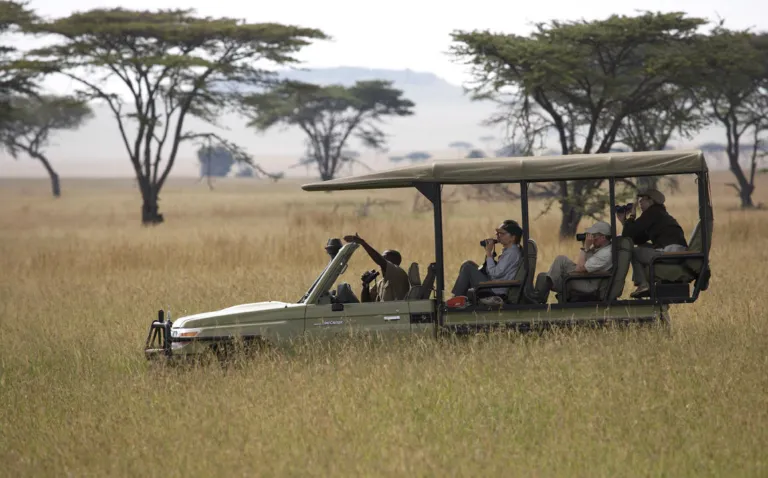
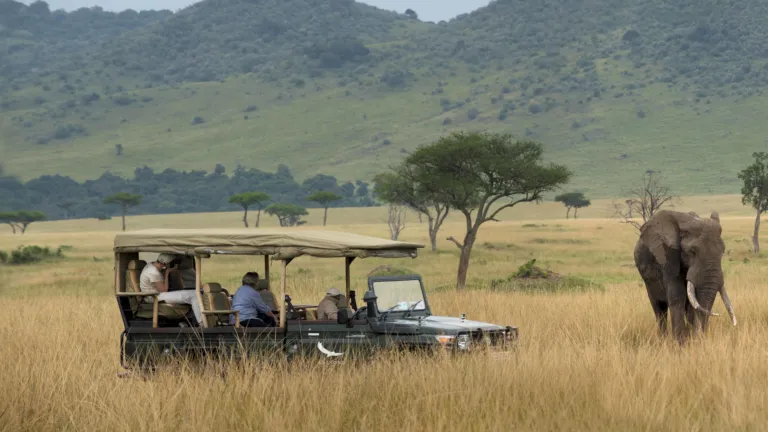
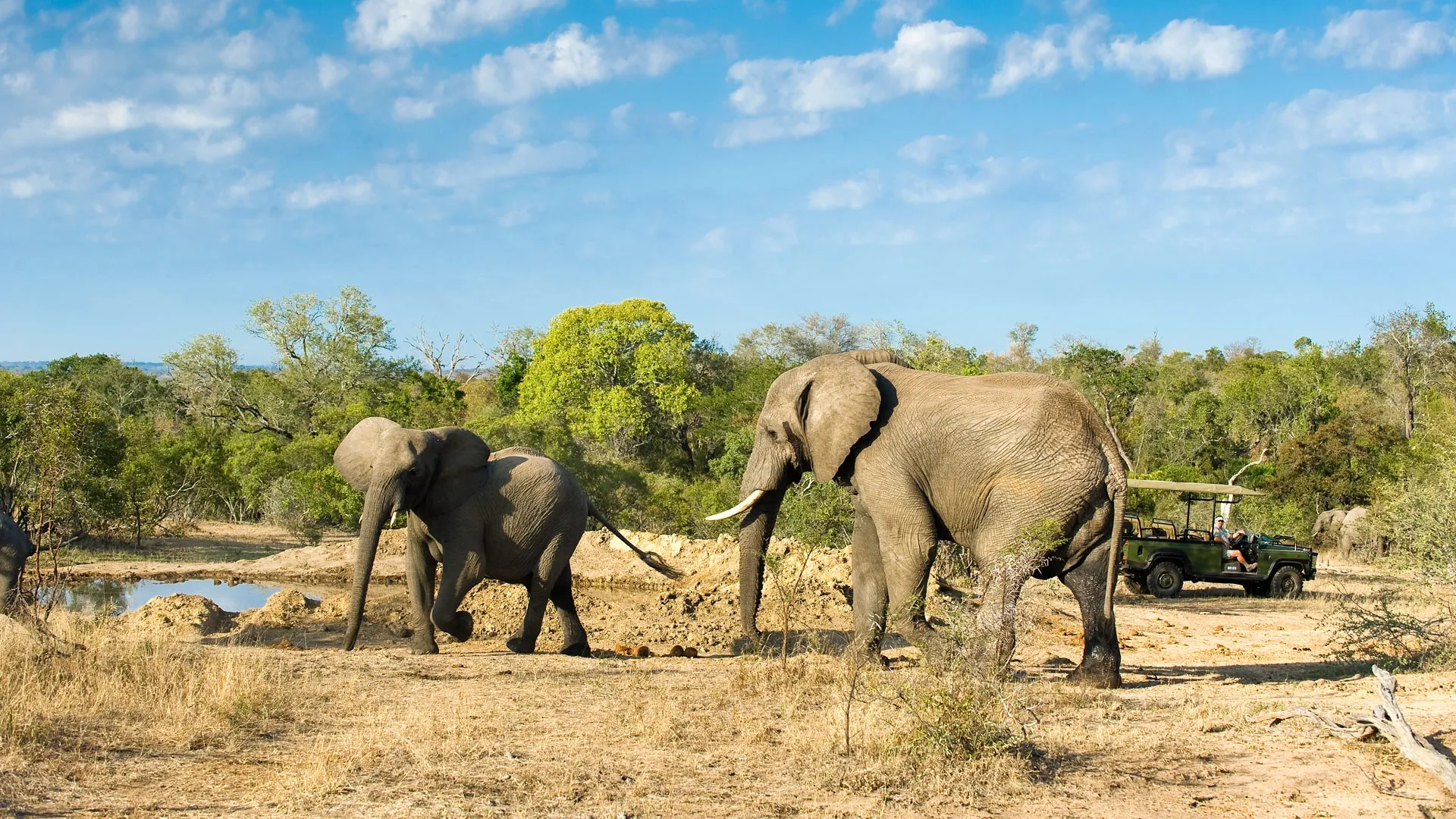
It usually happens in the late afternoon. The light softens, the dust settles, and a family of elephants emerges from the bush in single file: the matriarch first, steady and unhurried, then her sisters and daughters, and between their legs a calf not yet a month old, still learning what to do with its trunk. They pass so close to the vehicle that you can hear the grass tearing and the low rumble they use to keep in touch. Nobody speaks. Most travellers tell us afterwards that it was the moment the safari stopped being a holiday and became something else.
That such moments are still possible is not luck. It is the result of decades of quiet, determined work by researchers, rangers and the communities who share their land with elephants. Understanding that story, we find, makes the encounter all the richer, and it tells you where to go.
A Story of Loss, and the Beginning of Recovery
There is no gentle way to describe what happened to Africa’s elephants in the second half of the twentieth century. A study published in 2024 in the Proceedings of the National Academy of Sciences, drawing on 475 sites in 37 countries, found that between 1964 and 2016 savanna elephant numbers fell by about 70% on average and forest elephants by about 90%. In 2016, the Great Elephant Census, the first continent-wide count of its kind, recorded roughly 350,000 savanna elephants. Tanzania alone lost about 60% of its elephants in just five years during the poaching crisis of the early 2010s.
The story did not end there. The international ivory trade ban of 1989, the closure of China’s domestic ivory market at the end of 2017, and a new generation of rangers, scouts and intelligence work began to turn the tide. The same 2024 study found populations that have held steady or grown where protection has been strong, among them the Ruaha and Rungwa landscape of southern Tanzania. In Kenya, the 2021 national wildlife census counted 36,280 elephants, 12% more than seven years earlier.
The lesson, repeated wherever elephants are recovering, is simple. Elephants survive where they are worth more alive than dead to the people living beside them.
Our sample itinerary visiting East Africa Top Wildlife destionation to see elephants.
Why the Land Between the Parks Matters Most
Elephants pay no attention to park boundaries. A single bull in northern Kenya may wander thousands of square kilometres in a year, across national reserves, private ranches and community grazing land alike. Protecting a park is not enough. What matters is whether the land between the parks is a safe passage or a dead end.
This is where Kenya’s community conservancies have changed everything. In the north, the Northern Rangelands Trust supports more than 40 community conservancies across Samburu, Isiolo, Laikipia and Marsabit, where scouts drawn from local communities patrol the corridors that link one elephant population to the next. Around the Masai Mara and in Laikipia, lease payments from a small number of safari camps give landowners a steady income for keeping their land open to wildlife, rather than fencing or farming it.
Join Our Rhino Safari and combine sightings with the elephants.
Tanzania has its own version in its Wildlife Management Areas, community land set aside for wildlife beside the national parks. Around Tarangire, areas such as Randilen and Burunge help keep open the seasonal routes that the park’s elephants use, supported by conservation organisations including the Honeyguide Foundation. When you stay in a camp on such land, your visit is part of what keeps the corridor open.
Pioneers behind Elephant Conservation
Much of what the world knows about elephants was learned in Kenya. The Amboseli Elephant Research Project, begun by Cynthia Moss in 1972 and continued today by the Amboseli Trust for Elephants, is the longest-running study of wild elephants anywhere, following the same families across generations. In Samburu, Save the Elephants, founded in 1993 by Iain Douglas-Hamilton, pioneered the GPS collar tracking now used across the continent, and has followed the lives of close to a thousand individual elephants.
Their work has also produced gentle, practical solutions. Beehive fences, strung along the edge of a farm, use the elephant’s natural dislike of disturbed bees to keep herds away from crops without harm to either side, and they give farming families honey to sell. Ideas like these matter, because conflict between elephants and farmers remains one of the hardest problems in elephant conservation, and the solutions have to work for people as well as for elephants.
Where to See Elephants on Safari in Kenya and Tanzania
Amboseli, Kenya. Perhaps nowhere is better for an elephant safari. Amboseli’s herds wander across open plains and swamps beneath Kilimanjaro, Africa’s highest mountain, and because they have been studied and protected for more than half a century, they are remarkably relaxed in the presence of vehicles. The park is known for its big-tusked bulls, and many of its families have been followed by researchers since the 1970s.
Our Sample Safari to see elephants in Amboseli
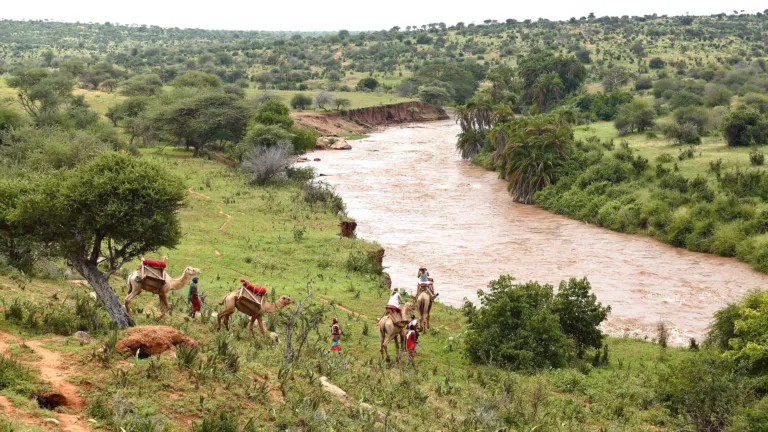
Samburu, Kenya. In the dry north, the Ewaso Nyiro River draws elephant to its banks in every season, and this is home ground for Save the Elephants and its research. Guides here know many families well, and the river’s palms and riverine forest make for some of the most beautiful elephant viewing in East Africa.
Laikipia, Kenya. The private and community conservancies of the Laikipia Plateau sit within corridors that link Samburu’s elephants with the forests of Mount Kenya. Here, the freedom of private land adds walking safaris and drives off the beaten track, and some conservancies welcome guests to see corridor and conflict work firsthand.
Our Luxury Safari through Laikipia
Nairobi, Kenya. Before you leave the capital, an hour at the Sheldrick Wildlife Trust’s nursery inside Nairobi National Park, open to visitors each day by advance booking, is one of the most moving experiences in Kenya. Orphaned calves, rescued from the wild, come trotting in for their milk under the care of keepers who stay with them day and night, with the aim of returning them to the wild.
Tarangire, Tanzania. From roughly June to November, as the land around it dries, Tarangire National Park becomes one of the finest places in Africa to watch elephants in great numbers, with herds gathering along the river beneath baobabs centuries old. The community land on its borders is part of the corridor story told above.
See our Best of Tanzania Safari
Ruaha, Tanzania. For the traveller who has seen the classic parks and wants the wild without the crowds, Ruaha is the answer. Tanzania’s second-largest national park, at 20,226 square kilometres, sees only a fraction of the visitors of the northern circuit, and its wider Ruaha and Rungwa landscape is one of the few named by the 2024 study as holding stable or growing elephant numbers.
Why Elephants Hold the Whole Safari Together
Elephants are often called ecosystem engineers, and with good reason. As they feed, they push over trees and open dense bush into the mixed grassland that zebra, antelope and the predators that follow them rely upon. They dig for water in dry riverbeds that other animals then share, and they carry seeds across great distances in their dung. Where elephants thrive, the whole landscape tends to thrive with them, and with it the safaris that pay for its protection.
What Still Threatens the Recovery
We would rather tell you the truth than a comforting story. Poaching has eased across much of East Africa, but it has not disappeared. Forest elephants remain in serious decline, and in many places the loss of land to farming and new roads now threatens elephants more than poaching does. Longer droughts push herds further in search of water and closer to farms. The recovery is real, but it is not finished, and it depends on the land between the parks staying open.
How Your Safari Helps
This is where your journey matters. Park and conservancy fees help fund the rangers and scouts who protect elephants. Lease payments from conservancy camps give landowners a reason to keep corridors open. And a visit to the Sheldrick nursery, or to an area where researchers or conflict teams work, supports that work directly.
Not every safari contributes in the same way, and it is fair to ask. We are always glad to tell you which park, conservancy or community your stay supports, so that your safari’s contribution is clear rather than a vague promise.
Plan Your Elephant Safari
An elephant safari is best planned around the season, not the calendar. Tarangire is at its peak from roughly June to November, Samburu and Laikipia reward a visit in any month, and Amboseli’s herds and the view of Kilimanjaro are often at their best in the drier months, with the clearest mornings coming early in the day.
Tell us how you would like to meet them, whether that is a Kilimanjaro sunrise behind a family crossing the Amboseli swamps, a riverbank in Samburu, or the quiet of Ruaha with no other vehicle in sight. Your specialist will shape a private, tailor-made elephant safari in Kenya and Tanzania around the places, seasons and camps that suit you best. [CTA: Plan your elephant safari]
Frequently Asked Questions
Where is the best place to see elephants on safari in Kenya and Tanzania? Amboseli in Kenya is widely regarded as the finest, for its relaxed, well-studied herds beneath Kilimanjaro. Tarangire in Tanzania is exceptional from roughly June to November, when large herds gather along the river. Samburu, Laikipia and Ruaha are also outstanding, each with its own character.
When is the best time for an elephant safari? The dry seasons, roughly June to October and January to February, are best in most parks, because elephants gather near permanent water. Tarangire is at its finest from about June to November, while Samburu and Laikipia reward a visit in any month.
How many African elephants are left? The Great Elephant Census of 2016 counted roughly 350,000 savanna elephants across the countries it surveyed. Forest elephants, a separate species, are fewer and in more serious decline. Kenya’s 2021 national wildlife census counted 36,280 elephants, 12 percent more than in 2014.
Are elephant numbers recovering? In some places, yes. A 2024 study of 475 sites found long-term declines across Africa, but also populations that have held steady or grown where protection is strong, including the Ruaha and Rungwa landscape in Tanzania. Kenya’s elephant numbers have also grown since the height of the poaching crisis.
How do community conservancies help elephants? Conservancies protect the land between national parks, where elephants often travel. Lease payments from safari camps give local landowners a steady income for keeping that land open to wildlife rather than fencing or farming it, and community scouts help patrol the corridors.
Can we visit the Sheldrick Wildlife Trust’s elephant orphans? Yes. The Trust’s nursery inside Nairobi National Park opens to visitors for one hour each day, by advance booking, when the orphaned calves come in for their milk feed. It is easily added to the first or last day of a Kenya safari.
What is a beehive fence? A beehive fence is a line of hives strung along the edge of a farm. Elephants dislike disturbed bees, so they keep away from the crops without harm to either side, and the hives give farming families honey to sell.
Does my safari support elephant conservation? Park and conservancy fees help fund rangers and scouts, and conservancy lease payments help keep corridors open. Your specialist can tell you which park, conservancy or community your stay supports.